
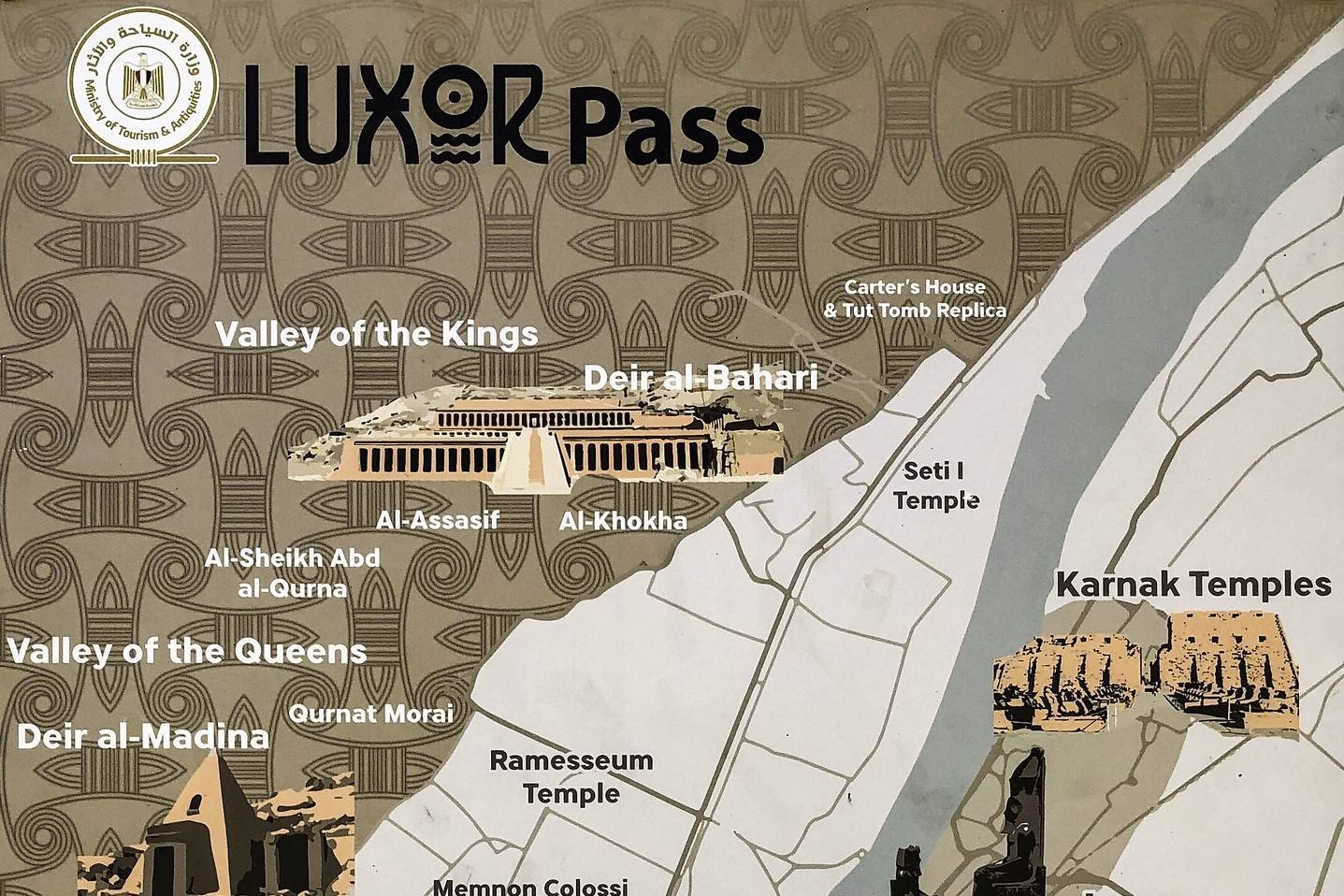
If you’re visiting more than four or five historical sites in Luxor, the Luxor Pass will almost certainly save you money — and it removes the friction of buying separate tickets at every gate across a five-day window. Here’s exactly what it covers, what it costs, and how to decide whether it’s right for your trip.
What Is the Luxor Pass?
The Luxor Pass is a single ticket that grants access to all the historical sites in Luxor for five consecutive days. One pass covers Karnak Temple, the Valley of the Kings, the Temple of Hatshepsut, Luxor Temple, Medinet Habu, the Tombs of the Nobles, and all the other major sites on both banks — with no need to queue at individual ticket offices between visits.
Important: the pass can only be purchased in person in Luxor. There is currently no option to buy it online before you travel.
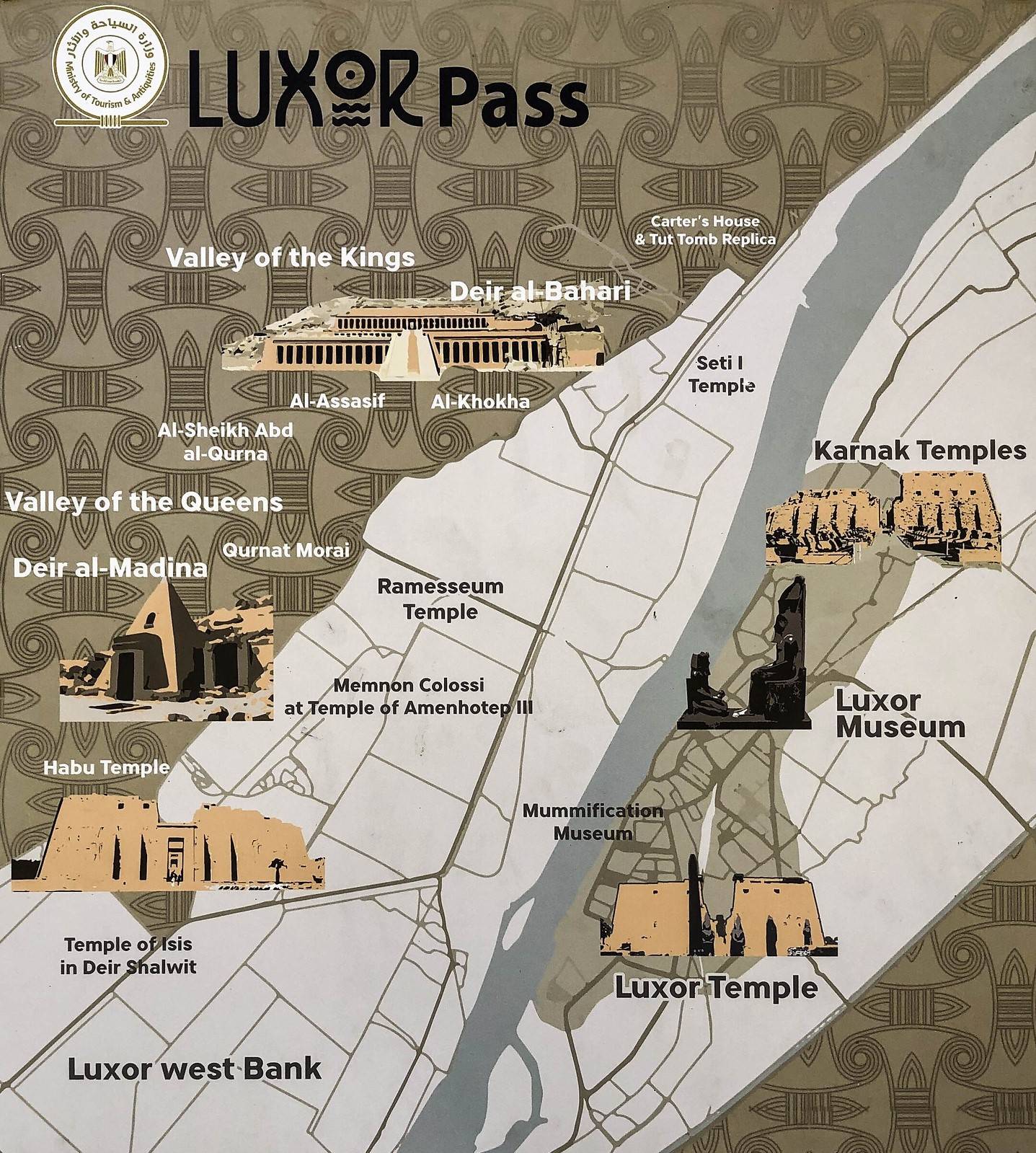
The Two Types of Luxor Pass
Standard Luxor Pass
Covers all the archaeological sites on both banks. The only notable exceptions: the tombs of Seti I and Nefertari are not included. Everything else is.
Premium Luxor Pass
Adds the two high-ticket tombs left out of the Standard Pass — Seti I (KV17) in the Valley of the Kings, and Nefertari (QV66) in the Valley of the Queens — both known for the most vividly preserved wall paintings of any royal tombs in Egypt.
Note on Nefertari’s tomb: QV66 is currently closed for restoration with no confirmed reopening date. If you’re considering the Premium Pass specifically to see Nefertari’s tomb, verify its current status before committing to the upgrade — the closure significantly affects the Premium Pass’s value right now.
How Much Does the Luxor Pass Cost?
| Pass | Adults | Students (valid ID required) |
|---|---|---|
| Standard | $130 / €120 | $70 / €60 |
| Premium | $250 / €220 | $130 / €120 |
Cairo Pass discount: If you have a Cairo Pass and buy a Luxor Pass in the same calendar year, you receive 50% off — and the discount works in reverse too (Luxor Pass holders get 50% off the Cairo Pass). This is a meaningful saving if you’re visiting both cities and is worth factoring into your planning before you buy either pass.
Context for the math: Individual site tickets in Luxor typically run $9–12 each. Premium add-on tombs — Tutankhamun (KV62) and Seti I (KV17) — cost significantly more on top of standard entry. If your itinerary covers four or more sites, the Standard Pass typically covers its cost. If you’re planning a thorough week of temple and tomb visits, it pays for itself comfortably.
Where to Buy the Luxor Pass
Two locations issue the pass:
- Karnak Temple: Sales office to the left of the main ticket office
- Valley of the Kings: Visitor center at the site entrance
Both issue the pass immediately — no waiting period, no return visit.
Payment: Cash only, in US Dollars or Euros. Bring clean, undamaged bills — worn or torn notes are sometimes refused.
Documents needed:
- A copy of the photo page of your passport
- One passport-sized photo
Is the Luxor Pass Worth It?
It depends on what kind of trip you’re planning.
For history-focused travelers spending several days on both banks: Yes, without much hesitation. The pass removes the need to calculate ticket costs at every gate, and over four or five days of serious site-visiting, the savings are real.
For tomb enthusiasts: The Premium Pass is the only way into Seti I, which many Egyptologists consider the finest decorated tomb in the entire Valley of the Kings. Confirm Nefertari’s tomb status before upgrading — if it’s still closed, the Standard Pass plus a separate Seti I ticket may make more sense.
For shorter or more casual visits: Do the arithmetic on your specific itinerary first. If you’re planning two or three sites — Karnak and the Valley of the Kings, say — individual tickets will likely be cheaper. The pass earns its cost roughly at four or more sites across the five-day window.
Bottom line: The Luxor Pass is built for travelers who want to see Luxor thoroughly, without rationing which temples they visit based on ticket cost. If that’s your trip, it’s worth buying on your first morning.