
The short answer: October to April. That’s when temperatures are comfortable, the light is good, and most of what makes Luxor worth visiting can be enjoyed without the heat becoming the central feature of your day.
The longer answer is that each season has a genuine case for it, and the right timing depends on what you’re prioritizing — comfortable sightseeing, crowd levels, photography conditions, price, or specific events. This guide covers all of it.
Quick Summary
| Season | Months | Temp (day) | Crowds | Prices | Best for |
|---|---|---|---|---|---|
| Winter | Dec–Feb | 20–25°C (68–77°F) | High | High | First-timers, families, comfort |
| Spring | Mar–Apr | 25–35°C (77–95°F) | Moderate | Moderate | Photography, balloon rides, balance |
| Summer | May–Sep | 38–45°C (100–113°F) | Low | Low | Budget travel, empty sites |
| Autumn | Oct–Nov | 28–35°C (82–95°F) | Moderate | Moderate | Best overall balance |
Winter (December–February): The Peak Season
Winter is when Luxor is at its busiest and most comfortable. Daytime temperatures average 20–25°C (68–77°F) — cool enough to spend four to five hours walking Karnak’s precincts or descending into the Valley of the Kings without heat becoming a factor. Mornings can be genuinely cold (8–12°C before sunrise), which matters if you’re doing a dawn balloon ride or the winter solstice visit at Karnak.
December 21 specifically: the winter solstice alignment at Karnak — when the rising sun travels the full length of the temple’s main axis to illuminate the sanctuary — happens once a year on this date. If your dates are flexible and December travel is possible, this is worth building around.
Christmas and New Year: the highest visitor concentrations of the year, with hotel prices to match. Book accommodation and any guided tours at least 6–8 weeks in advance for December–January travel. The atmosphere is lively, the sites are busy, and the practical trade-off (crowds for comfort) is usually worth it for first-time visitors who aren’t flexible on timing.
The Luxor Pass: winter is when the Luxor Pass pays for itself most reliably — if you’re visiting multiple sites over five days in peak season, the calculation usually favors the Pass.
What to pack: layers for mornings and evenings; a light jacket or fleece is genuinely needed before 9 AM. Light breathable clothing for the afternoon warmth. Full sunscreen regardless — the winter sun in Upper Egypt is still strong.
Spring (March–April): The Shoulder Season Sweet Spot
Spring temperatures rise from the comfortable range toward the warm end — 25–35°C by April — but the light is exceptional. The angle of morning sun on Luxor’s sandstone produces a richer, warmer color than summer’s harsher overhead light, and the skies in March–April are consistently clear without summer haze.
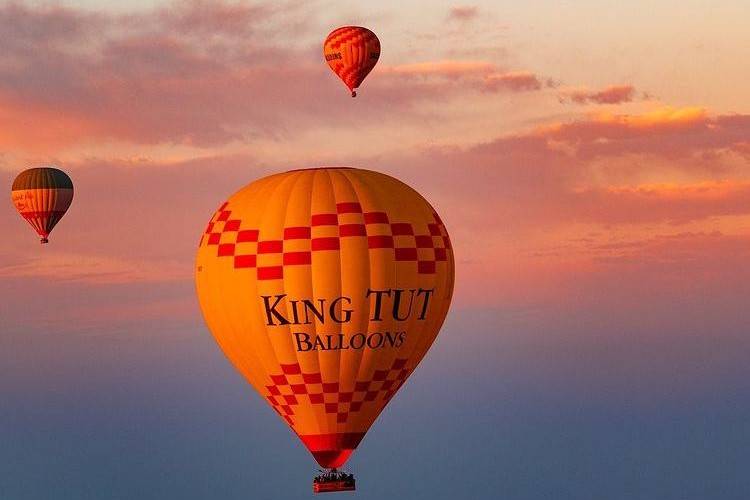
For balloon rides: this is the series’ most consistently recommended season for hot air ballooning over the West Bank. The morning light at spring sunrise is particularly good for photography from altitude, the balloon operators are running full schedules, and the thermal conditions are reliable.
For photography generally: the combination of clear skies, oblique morning light (particularly useful for revealing the texture of relief carvings), and moderate crowds makes spring the best overall photography season. The sun’s angle illuminates the interior of the Hypostyle Hall at Karnak differently than it does in summer; the tombs in the Valley of the Kings benefit from the cooler temperature that reduces haze inside.
Crowds: noticeably fewer than December–January, particularly in March. Prices moderate accordingly. A good option for travelers with some flexibility who want weather quality close to winter without peak-season pricing and crowds.
Summer (May–September): Extreme Heat, Empty Sites
Summer in Luxor requires accepting a fundamental constraint: from roughly 10 AM to 4 PM in July and August, sustained outdoor sightseeing is genuinely uncomfortable and potentially dangerous. Temperatures regularly exceed 40°C (104°F) and sometimes reach 45°C. The heat is dry rather than humid, which makes it more bearable than equivalent temperatures in humid climates, but the intensity of the sun at the Valley of the Kings or on an exposed temple terrace is real.
The practical adaptation is simple: visit sites between 6:00 AM opening and 9:30–10:00 AM, return to air-conditioned accommodation for the midday period, and if desired return to East Bank sites (Karnak, Luxor Temple, the museums) for the evening sessions when temperatures drop and the sites are illuminated.
What summer actually offers:
- Significantly reduced hotel rates — often 40–50% below peak winter pricing
- The Valley of the Kings at 7 AM in July with almost no other visitors — a qualitatively different experience from the crowded winter version
- The Luxor Museum and Mummification Museum in particular are well-suited to summer afternoons: air-conditioned, not subject to the outdoor heat, and reliably quiet
- Restaurants and local businesses at their normal pace rather than at peak-season intensity
Summer is underrated for travelers who are physically prepared for early starts and afternoon rests. The sites themselves are unchanged; only the experience of moving between them differs.
Autumn (October–November): The Experienced Traveler’s Choice
October and November represent the best overall balance Luxor offers: temperatures dropping from summer intensity (October daytime highs around 32–35°C, November around 25–30°C) while still not at peak season prices or crowds. By late October, morning temperatures are pleasant and the midday heat is manageable with reasonable planning.
October 22: the second Abu Simbel solar alignment date — same phenomenon as February 22, relevant for anyone combining Luxor with an Aswan or Abu Simbel extension.
November weather: the transition month — genuinely comfortable by mid-November, with conditions approaching winter quality by the end of the month. Many experienced Egypt travelers specifically target October–November for this combination of qualities.
Crowd levels: moderate and declining through the season. The relative absence of large tour groups that defines peak December–January hasn’t yet reversed in October; November is similar.
Month-by-Month at a Glance
| Month | Avg high | Notes |
|---|---|---|
| January | 22°C (72°F) | Peak season; book well ahead; cold mornings |
| February | 25°C (77°F) | Peak winding down; Feb 22 Abu Simbel alignment |
| March | 28°C (82°F) | Excellent conditions; shoulder season prices |
| April | 33°C (91°F) | Warm but manageable; good photography light |
| May | 37°C (99°F) | Heat beginning; prices dropping |
| June | 40°C (104°F) | Extreme heat; lowest prices; early starts essential |
| July | 41°C (106°F) | Peak heat; almost no tourists |
| August | 41°C (106°F) | Same as July |
| September | 38°C (100°F) | Still hot; slightly more comfortable late month |
| October | 33°C (91°F) | Excellent; Oct 22 Abu Simbel alignment |
| November | 27°C (81°F) | Very good conditions; crowds low |
| December | 22°C (72°F) | Peak season begins; Dec 21 Karnak solstice |
By Traveler Type
First-time visitors: December–February. The comfortable temperatures give you the best conditions for the amount of ground most first-timers want to cover.
Budget travelers: June–August. Accept the heat constraint, adapt your schedule to early mornings and late evenings, and the financial savings are substantial.
Photographers: March–April for the best light quality. October–November is close behind.
Families with young children: November or March — warm enough to be pleasant, cool enough to avoid the heat being the dominant experience for children.
Travelers with specific events in mind: December 21 (Karnak winter solstice), February 22 / October 22 (Abu Simbel solar alignment).
Practical Tips
Book accommodation early for peak season: December and January are when this matters most. Good East Bank hotels with Nile views or West Bank guesthouses near the tombs fill up weeks in advance.
Plan around the sun, not the clock: whether you’re visiting in July or January, the best time to be at the Valley of the Kings is when it opens at 6 AM. The difference is that in January you can stay until noon; in July you’re heading back by 9:30 AM.
Dress for the season: lightweight, breathable fabrics and a hat are non-negotiable in any season. A layer for early mornings is needed October through March. Full sunscreen applies year-round.
Stay hydrated: bottled water at every site, carried rather than purchased inside (prices inside the Valley of the Kings are predictably high). A reusable bottle filled at your hotel is the practical solution.
For month-specific temperature data, rainfall patterns, and festival dates, see the companion Luxor Weather guide.