
Amenmesse
The Enigmatic Pharaoh of Egypt’s 19th Dynasty
Tucked away in the cliffs of Luxor is the story of Amenmesse, a pharaoh whose reign was so contested that history almost forgot him. Imagine standing at the entrance of KV10, his unfinished tomb, knowing the man it was built for might not have been buried there. His name, once proudly carved on monuments, was later erased by his rivals who wanted to erase his memory. Was Amenmesse a rightful heir to Egypt’s throne, or a usurper who took power during a chaotic time? The mystery of his short reign, which overlapped with Seti II, continues to puzzle Egyptologists and attract visitors. Exploring Amenmesse’s story leads you into the shadows of Egypt’s most troubled dynasty.
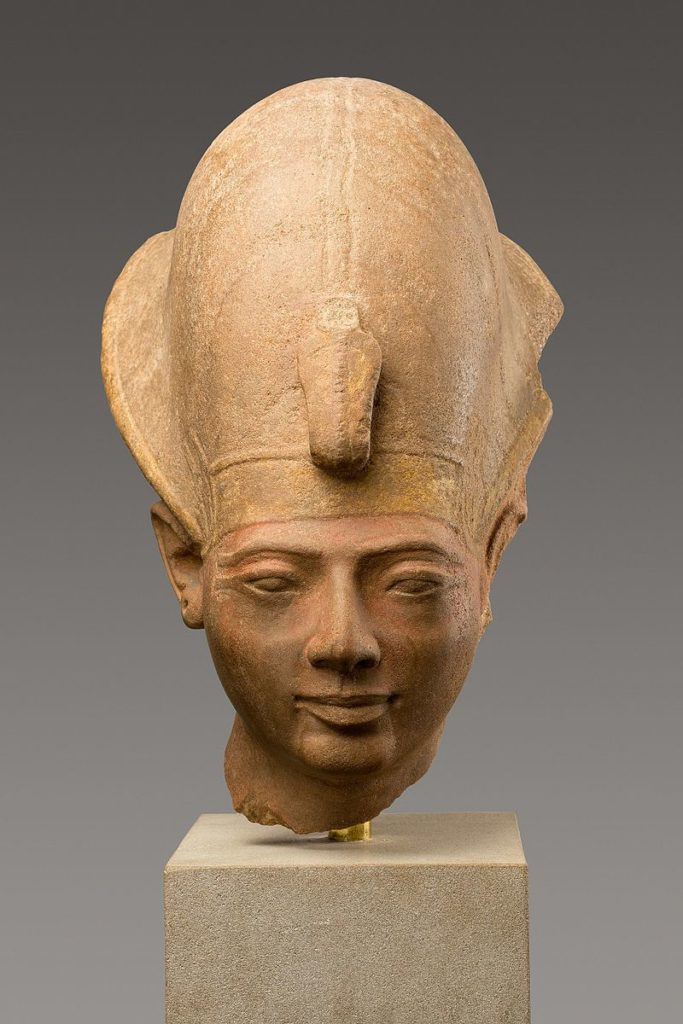
Who Was Amenmesse?
Amenmesse was a pharaoh who ruled from about 1201 to 1198 BCE. He came to power during a difficult time after the death of Merneptah. His name means “Fashioned by Amun, ruler of Thebes,” showing his strong ties to Upper Egypt. However, Amenmesse’s rule faced challenges, and later, his monuments were damaged or taken over by his rivals. Many today view Amenmesse as a “lost pharaoh” — a ruler whose existence is recognized but whose achievements were intentionally hidden.
Luxor Tours & Activities
Looking to save some costs on your travel? Why not join a shared group tour to explore Luxor, Egypt? Here are some activities you might be interested in:
Egypt in the Late 19th Dynasty
The late 19th Dynasty was a time of instability. After Merneptah died, disagreements over succession weakened Egypt. Amenmesse controlled Thebes and Upper Egypt, while Seti II, Merneptah’s chosen heir, ruled from Memphis and Lower Egypt. This split in leadership created political strife, and there is evidence that Amenmesse might have influenced Nubia, too. This rivalry shows how uncertain pharaonic succession could be, especially toward the end of the New Kingdom.
Amenmesse’s Claim to Power
There is debate about Amenmesse’s origins. Some scholars believe he was Merneptah’s son, making him a rightful heir. Others think he could have been a son of Ramesses II, which would make him a half-brother to Merneptah. His mother is thought to be Queen Takhat, who is mentioned in tomb inscriptions. Regardless of his background, Amenmesse’s claim to the throne was strong enough for him to create a rival kingship in Thebes. His reign shows how family ties and local support could challenge central power.

Royal Title and Reign
Amenmesse had a complete royal title that included:
– Horus Name: Kanakht Merymaat Shementawy (“Strong bull, beloved of Maat, he who strengthens the Two Lands”)
– Praenomen: Menmire Setepenre (“Eternal like Ra, the chosen one of Ra”)
– Nomen: Amenmesse Heqawaset (“Fashioned by Amun, ruler of Thebes”)
His reign likely lasted 3 to 4 years, although the later historian Manetho exaggerated this to 26 years. Archaeological evidence, such as inscriptions and a jar in the Petrie Museum, confirms his existence but suggests his rule was short.
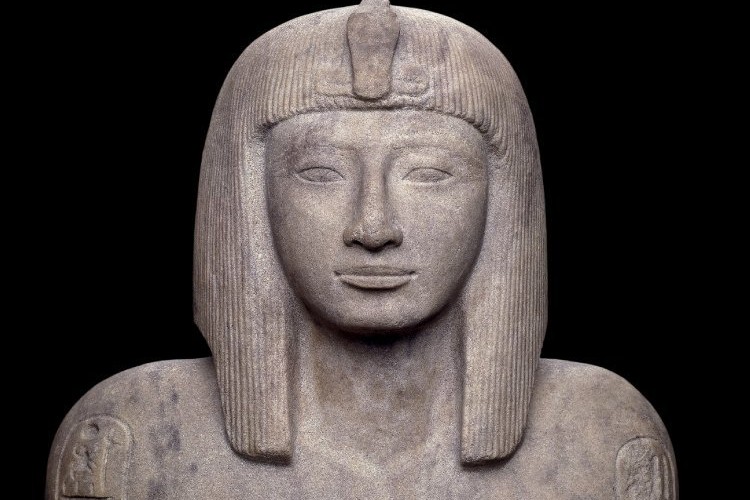
Conflict with Seti II
Amenmesse’s reign overlapped with that of Seti II, leading to a notable dispute for power in Egyptian history. Monuments of Seti II show signs of erasure and re-inscription, indicating that Amenmesse’s name was intentionally removed.
Evidence shows that Amenmesse controlled Thebes and Nubia, while Seti II ruled Lower Egypt. After Amenmesse’s fall, Seti II reasserted his power by erasing traces of Amenmesse. This conflict highlights the instability of dynastic power and how far rulers would go to secure their legacy.

Tomb KV10 – Amenmesse’s Burial Place
Amenmesse’s tomb, known as KV10, is located in the Valley of the Kings near Luxor. It was meant to be his burial site, but there is no proof that his body was ever placed there.
Key features of KV10:
– It is a rock-cut tomb with pillared halls, but the decorations are incomplete.
– Later, queens Takhat and Baketwerel used the tomb. They covered Amenmesse’s decorations with their own plaster.
– Archaeological projects, including the Amenmeses Project, have found workers’ huts and embalming caches nearby, providing more information about the tomb’s history.
Legacy and Historical Debate
Amenmesse’s legacy is marked by confusion and erasure:
– His reign was short and overshadowed by Seti II.
– His monuments were damaged, and his tomb was reused.
– Scholars argue about whether he was a true pharaoh or just a usurper.
This uncertainty makes Amenmesse an interesting case in how history can change due to political rivalry. His reign serves as a reminder that not all pharaohs achieved the lasting glory they wanted.
Amenmesse in Modern Research
Recent archaeological work has renewed interest in Amenmesse. The Amenmeses Project has explored the architecture and decoration of his tomb, KV10, showing how later queens changed it for their own use. Researchers also found workers’ huts and KV63, a grave where embalming took place, near KV10. These discoveries help explain the tomb’s construction and later use.
Scholars still debate Amenmesse’s status. Some see him as a legitimate heir, while others view him as a usurper. Current studies in Egyptology view Amenmesse as a symbol of the instability of dynasties, shedding light on how power struggles happened during the New Kingdom.
The Mystery of Amenmesse
Amenmesse had a short reign, but his complicated legacy continues to interest historians and visitors. His story reflects the uncertainty of royal succession, the politics of being forgotten, and the ongoing enigma of Egypt’s royal history.
When people visit the Valley of the Kings, Amenmesse’s tomb reminds them that not all rulers were remembered. Some, like Amenmesse, were intentionally erased from history—but their stories still resonate today.
Got a Question?
F.A.Qs
Amenmesse was a pharaoh of Egypt’s 19th Dynasty who reigned for a short period, around 1201–1198 BCE. His rule overlapped with Seti II, leading to one of the most contested successions in Egyptian history.
Scholars still debate this. Some believe he was the son of Merneptah and therefore a rightful heir, while others argue he seized power in Thebes during a dynastic struggle. His legitimacy remains one of Egyptology’s enduring mysteries.
Most evidence suggests his reign lasted about 3–4 years. However, ancient historian Manetho claimed he ruled for 26 years, a figure widely considered exaggerated.
After Seti II regained control, Amenmesse’s inscriptions were systematically removed to delegitimize his reign. This erasure is why Amenmesse is often described as a “shadowy” pharaoh.
Amenmesse’s reign highlights the fragility of pharaonic succession and the political rivalries of the New Kingdom. His story provides a rare glimpse into how power struggles shaped Egypt’s dynastic narrative.
Did you know that
By purchasing through our links, you support us at no additional cost.
Thank you for your support. ♥️