
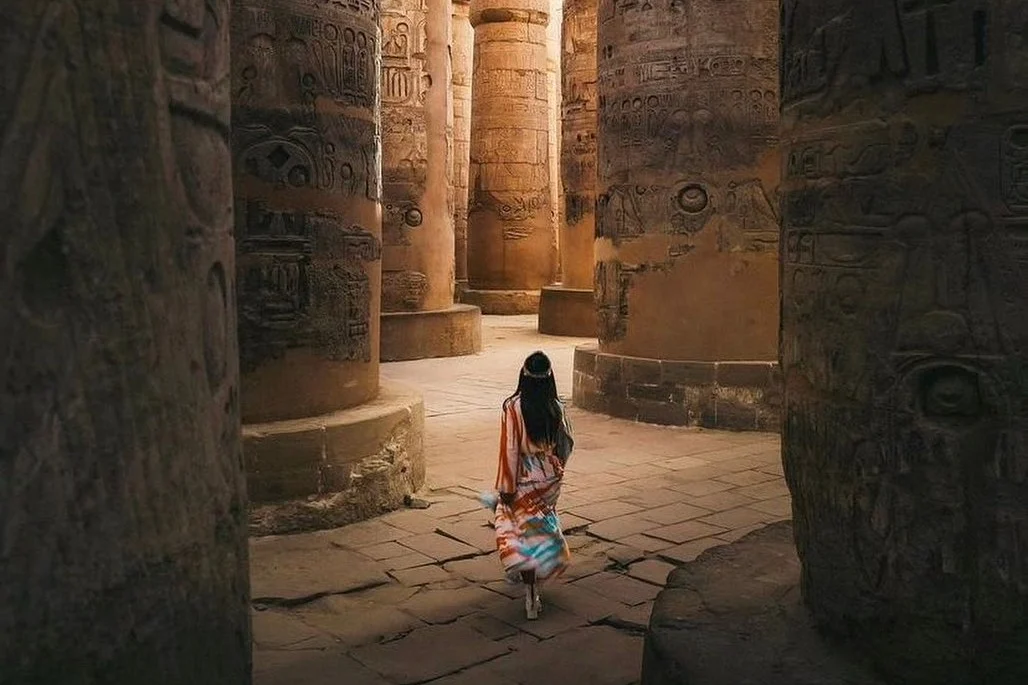
The short answer: Yes. Luxor is one of the safest cities for tourists in Egypt. Violent crime against foreign visitors is rare, tourist zones are regularly patrolled, and the city has a long-established infrastructure for international visitors. With reasonable precautions — most of which apply to any unfamiliar destination — the vast majority of travelers visit without incident.
Here’s a fuller picture of what to know before you go.
What the Travel Advisories Say
Most Western governments classify Luxor as a low-risk area. Standard Egypt advisories warn travelers to avoid specific regions — North Sinai and areas near the Libyan border — but Luxor is not among them. Before travel, check the current advisory for your nationality:
- US travelers: travel.state.gov
- UK travelers: gov.uk/foreign-travel-advice/egypt
- Australian travelers: smartraveller.gov.au
Crime and Security
Overall crime rates in Luxor are low relative to other major Egyptian cities. Tourist areas benefit from dedicated tourist police presence at temples, archaeological sites, and major thoroughfares.
Petty theft is the most realistic concern — pickpocketing in crowded souqs and markets does happen, as it does in any busy tourist destination. Keep valuables in a hotel safe rather than on your person, and use a money belt or inner pocket in crowded areas. Familiarize yourself with the local currency to avoid confusion when handling cash.
Demonstrations and political gatherings are uncommon in Luxor specifically. The city’s economy is heavily dependent on tourism, and there’s a strong collective interest in maintaining a safe, welcoming environment for visitors.
After dark: Central Luxor is safe to walk in the evening — the Corniche, the area around Luxor Temple, and the main restaurant streets are all well-lit and busy. As in any city, exercise normal judgment in less-trafficked areas after dark.
Scams: What to Watch For
Tourist-oriented scams in Luxor are common but rarely aggressive. The most frequent situations:
- Unsolicited guides: Someone approaches offering to show you a temple, a shortcut, or a “special” site, then requests payment afterward. Politely decline from the start.
- Inflated prices: Taxis, tours, and souvenirs are regularly quoted at tourist rates. Always agree on a price before committing to anything — this is expected practice, not confrontational.
- Friendly strangers leading you to shops: A common setup where a seemingly spontaneous conversation ends at a relative’s papyrus or perfume store. There’s no obligation to buy anything, but the situation can feel pressured. For a broader understanding of local commerce, see our craft traditions in Luxor guide.
The consistent defense: agree on prices upfront, book licensed guides and transport through established providers, and politely decline anything you didn’t initiate yourself.
Health and Hygiene
Water: Drink bottled water only. Tap water and ice in drinks can cause stomach problems — choose sealed bottles, and check that the seal is intact.
Vaccinations: Consult your doctor or a travel health clinic before visiting. Generally recommended are hepatitis A, typhoid, and up-to-date routine vaccinations (tetanus, polio). Egypt does not currently require proof of vaccination for entry, but individual requirements vary by nationality.
Heat: Luxor’s summer temperatures regularly exceed 40°C, and dehydration is a genuine risk year-round. Drink water consistently throughout the day rather than waiting until you feel thirsty — by the time you’re thirsty in this climate, you’re already behind.
Basic kit: Hand sanitizer, anti-diarrheal medication, pain relief, any prescription medications you need, and a small supply of rehydration salts for summer visits.
Travel insurance: Get it. Medical facilities in Luxor are adequate for minor issues, but serious illness or injury may require evacuation to Cairo. Travel insurance covering medical evacuation is strongly recommended.
Cultural Etiquette and Personal Safety
Egypt is a conservative country, and Luxor — despite being heavily touristed — is no exception outside the main hotel zones.
Dress: Cover shoulders and knees at temples, markets, and in residential areas. This applies to all genders, though women traveling alone will find it more frequently relevant. A light scarf or shawl is one of the most useful things you can carry.
Photography: Ask before photographing people, particularly women and in markets. Most people are happy to be photographed — a respectful ask goes a long way.
Basic Arabic: A few words make a meaningful difference. Shukran (thank you), la shukran (no thank you), and salam (peace/hello) are worth knowing.
Public behavior: Avoid public displays of affection and loud behavior, particularly near mosques and in residential areas.
Solo Travel
Luxor is a workable solo destination for all genders, with a caveat for solo women: harassment in the street (comments, persistent approaches) is more common here than in some destinations, and more common than it used to be. It’s rarely threatening, but it can be wearing. Practical responses: move with purpose, avoid extended eye contact with persistent individuals, and don’t feel obligated to engage. Joining even a small group tour for some West Bank sites can reduce this friction significantly.
For solo travelers of any gender:
- Share your daily plans with someone at home or back at your hotel
- Get a local SIM card on arrival — Egyptian SIMs (Vodafone, Orange, Etisalat) are cheap and widely available
- Stick to well-lit, populated areas after dark
Emergency Contacts
| Service | Number |
|---|---|
| Egyptian Police | 122 |
| Ambulance | 123 |
| US Embassy (Cairo) | +20 2 2797 3300 |
| UK Embassy (Cairo) | +20 2 2791 6000 |
| Australian Embassy (Cairo) | +20 2 2770 6600 |
Keep a photo of these numbers on your phone and a written copy in your bag separately. For a complete list of essential contacts, see our useful numbers guide.
The Honest Summary
Luxor is safe. It is not without the normal frictions of a busy tourist city in a developing country — scams, petty theft, the occasional persistent salesperson, street harassment in some situations. But violent crime is rare, the infrastructure for tourists is well-established, and Luxor’s residents have a genuine stake in visitors having a good experience. Travelers who come prepared, stay alert in the ways they would anywhere new, and respect local culture consistently report feeling comfortable and well-treated.