

Most people who visit Luxor come home with the same photos: Karnak’s hypostyle hall, the Valley of the Kings at sunrise, Hatshepsut’s temple rising from the cliffs. Those places deserve every superlative they get. But here’s what the tour bus itinerary never tells you: Luxor holds one-third of the world’s ancient monuments in a city you can cross in 20 minutes.
On a quiet Tuesday morning, while 1,500 tourists queued shoulder to shoulder at the Valley of the Kings, one traveler stood completely alone inside the Tomb of Roy, its 3,300-year-old colors glowing as if they’d dried yesterday. That’s the Luxor most visitors never find — and it’s the one that stays with you.
Here are twelve hidden gems worth building your itinerary around.
The West Bank: Where the Hidden Gems Cluster
The East Bank is where modern Luxor lives. The West Bank is where ancient Thebes buried its dead — and where most of the city’s overlooked treasures quietly wait.
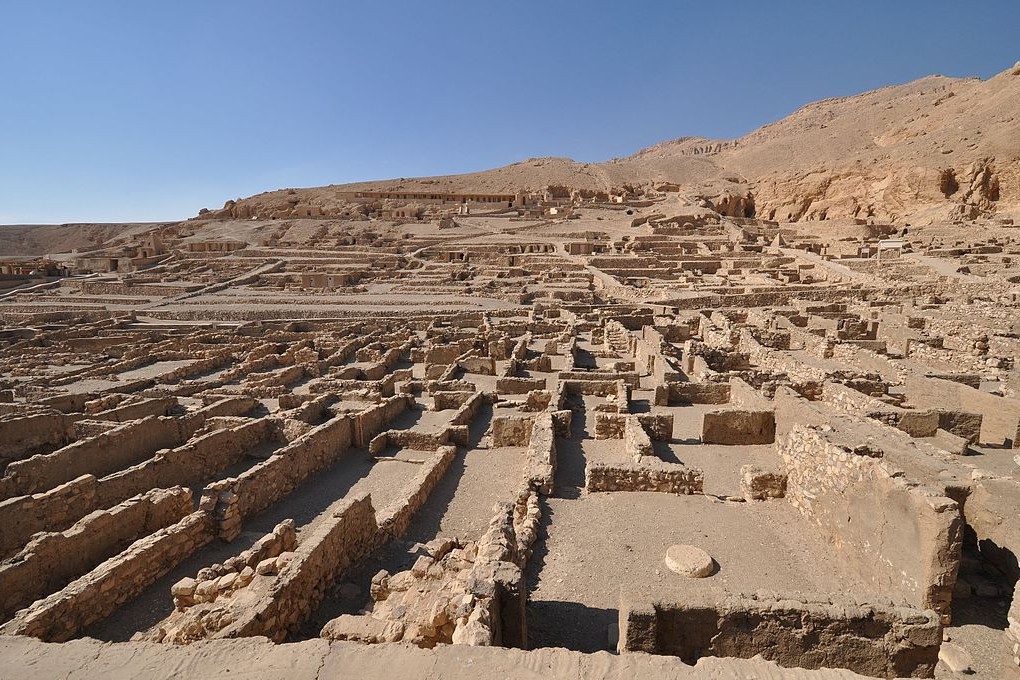
1. Deir el-Medina — The Secret Village of Egypt’s Tomb Builders
Most visitors to the Valley of the Kings never stop to ask: who built all this? The answer is a community of skilled craftsmen, painters, scribes, and stonemasons who lived for nearly 500 years in a walled village called Deir el-Medina — “The Place of Truth.”
These weren’t slaves. They were Egypt’s elite artisans, and they built stunning tombs for themselves. Unlike the elaborate royal tombs they spent their careers constructing nearby, these burial chambers are small and intimate — but their paintings are among the most vivid and personal in all of Egypt. The Tomb of Sennedjem (TT1), with its glowing harvest scenes and warm domestic imagery, captures everyday New Kingdom life in a way the grander tombs rarely do.
There’s also a compelling human story here beyond the art: when the government stopped delivering their grain wages in the 12th century BCE, these workers organized history’s first recorded labor strike. Their village, their strike papers, their tombs — Deir el-Medina is ancient Egypt at its most human.
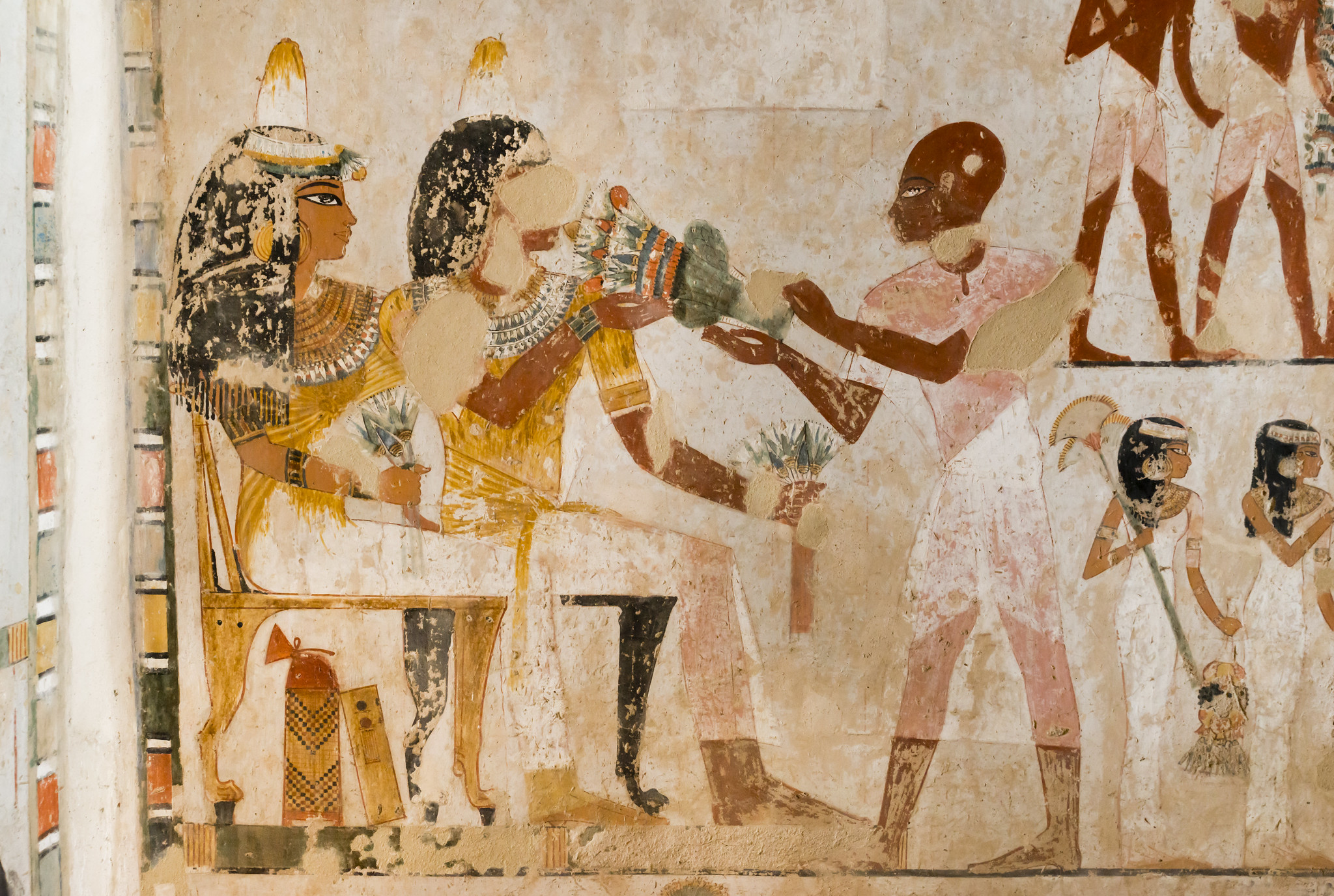
2. Tombs of the Nobles — Ancient Egypt’s Everyday Life, in Full Color
The Valley of the Kings shows you how pharaohs wanted to be remembered. The Tombs of the Nobles — scattered across the West Bank hillsides near Sheikh Abd el-Qurna — show you how real Egyptians actually lived.
Hundreds of burial chambers belonging to scribes, priests, viziers, and officials are decorated not with gods and judgment scenes, but with farmers tending crops, musicians performing at feasts, and children playing in gardens. The Tomb of Rekhmire (TT100), vizier under Thutmose III, is a masterclass in documentary storytelling. The Tomb of Sennefer (TT96) is famous for its ceiling painted to resemble a living vineyard, ripe grapes hanging in every direction from a canopy of painted vines.
Crowds here are dramatically lighter than at the royal sites, and entrance fees are significantly lower. Allow at least 90 minutes to do it justice.
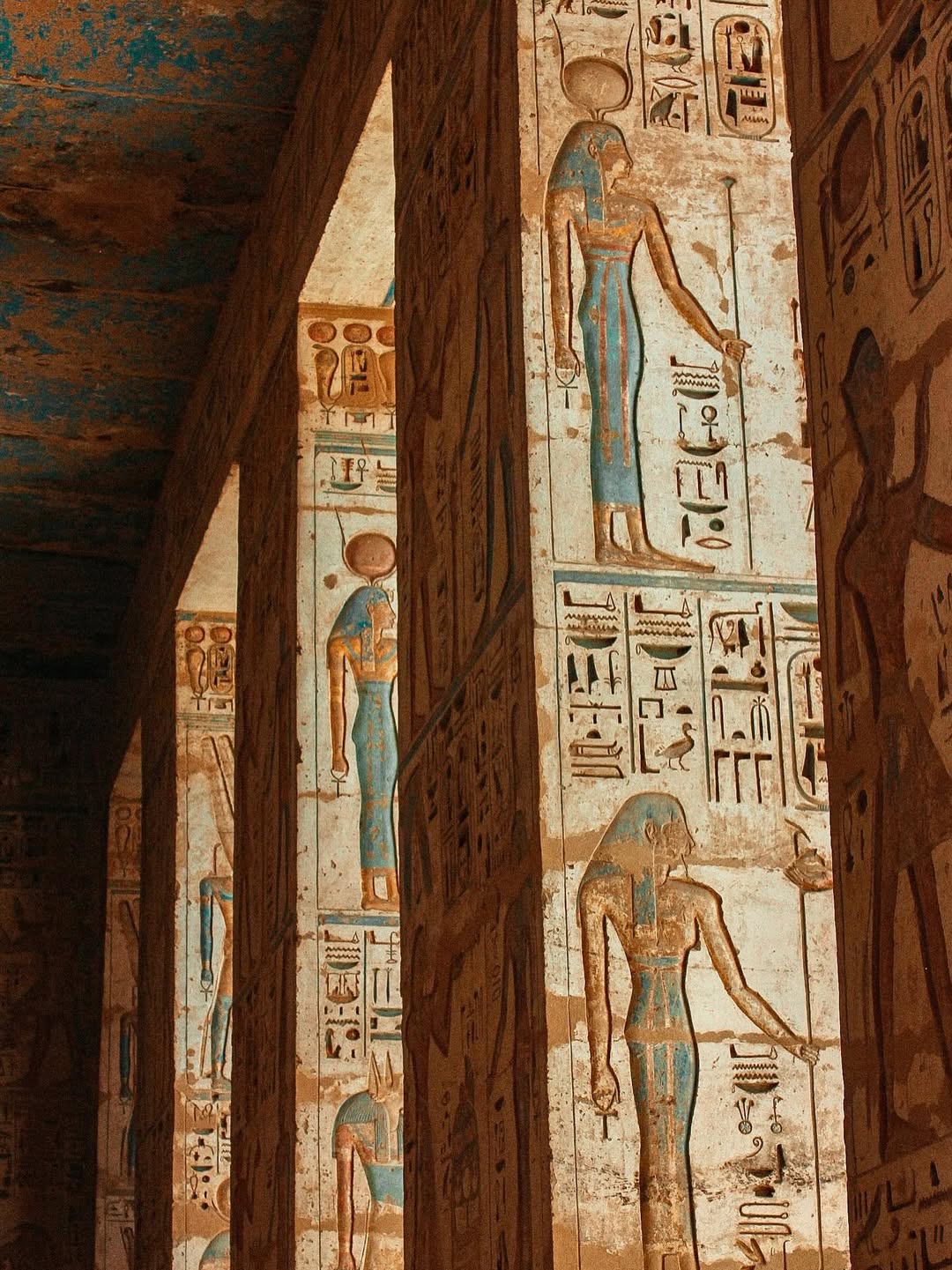
3. Medinet Habu — The Fortress Temple Tourists Keep Skipping
If Medinet Habu existed anywhere else in the world, it would be the most famous monument in the country. On Luxor’s West Bank, it’s somehow an afterthought.
This mortuary temple of Ramesses III is vast, well-preserved, and wrapped in dramatic battle reliefs — including a vivid account of Egypt’s victory over the mysterious Sea Peoples, one of the ancient world’s most significant military events. Its Syrian-style High Gate is unique in all of Egypt — a fortified gatehouse modeled on military architecture Ramesses III encountered during his campaigns. Yet on most mornings, you can walk its great halls in near silence.

4. The Ramesseum — Where an Empire’s Ego Lies in Beautiful Ruins
Ramesses II built his mortuary temple to last forever. He was almost right. The Ramesseum still stands on the West Bank — its columns and battle reliefs as compelling as ever — but the colossal 1,000-ton statue that once dominated its courtyard now lies toppled in the sand, its face staring up at the sky. It inspired Shelley’s Ozymandias, one of the most famous poems in English. Standing beside the fallen giant is one of those rare moments when ancient history and literature collapse into each other.
The Ramesseum draws a fraction of Karnak’s crowds, which means you can take your time and actually think.

5. Colossi of Memnon — Two Giants, Free of Charge
Two 18-meter-tall quartzite statues of Amenhotep III stand on the Theban plain, flanking what was once the largest mortuary temple ever built (now almost entirely vanished). They’ve stood here for 3,400 years and they’re free to visit, accessible at any hour, and spectacular in early morning light when the surrounding fields are still quiet.
In antiquity, one of the statues was famous for “singing” at dawn — a sound produced by temperature changes in the cracked stone, which Roman tourists traveled specifically to hear. The singing stopped after ancient repairs were made to the stone. The scale hasn’t diminished at all.

6. Malkata Palace — A Royal Ruin Reclaimed by Desert
The remains of Amenhotep III’s winter palace lie 12 km south of the ferry — stone foundations and mudbrick walls half-swallowed by sand, almost completely unvisited, and entirely unrestored. This is ancient Egypt without the crowds or the polish.
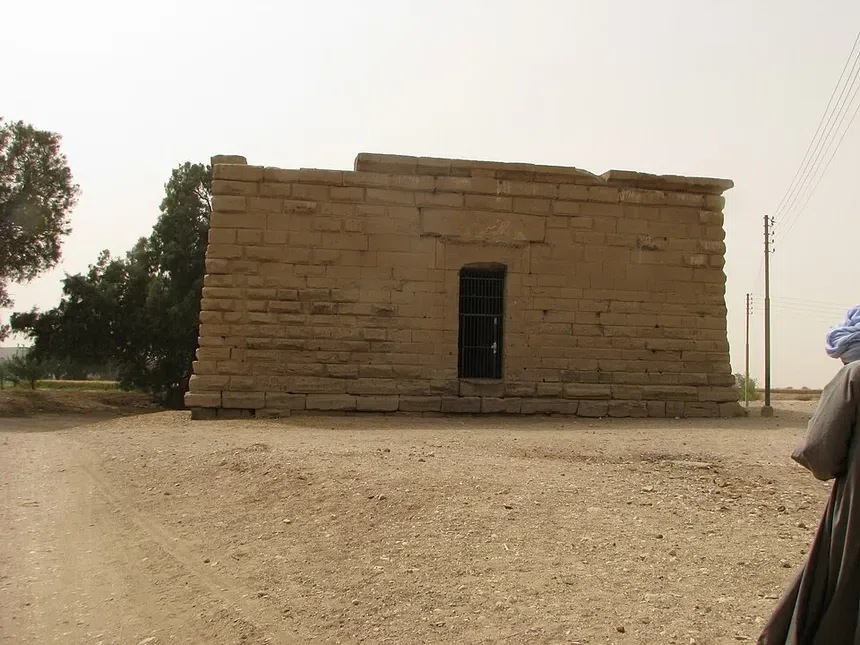
7. Deir El-Shelwit Temple — Luxor’s Most Forgotten Sanctuary
A small Roman-era Temple of Isis on the southern edge of the West Bank — poorly signposted, down an unpaved road, and almost never visited. Its carved reliefs are intact and the desert quiet around it is total. You’ll need a driver who genuinely knows the West Bank to find it.

8. New Gourna Village — Hassan Fathy’s Mudbrick Masterpiece
Architect Hassan Fathy designed this partially inhabited West Bank village in the 1940s using mudbrick, domed roofs, and traditional Nubian design principles. It’s one of the most significant examples of modernist social housing in the Arab world — and most tourists drive straight past it.
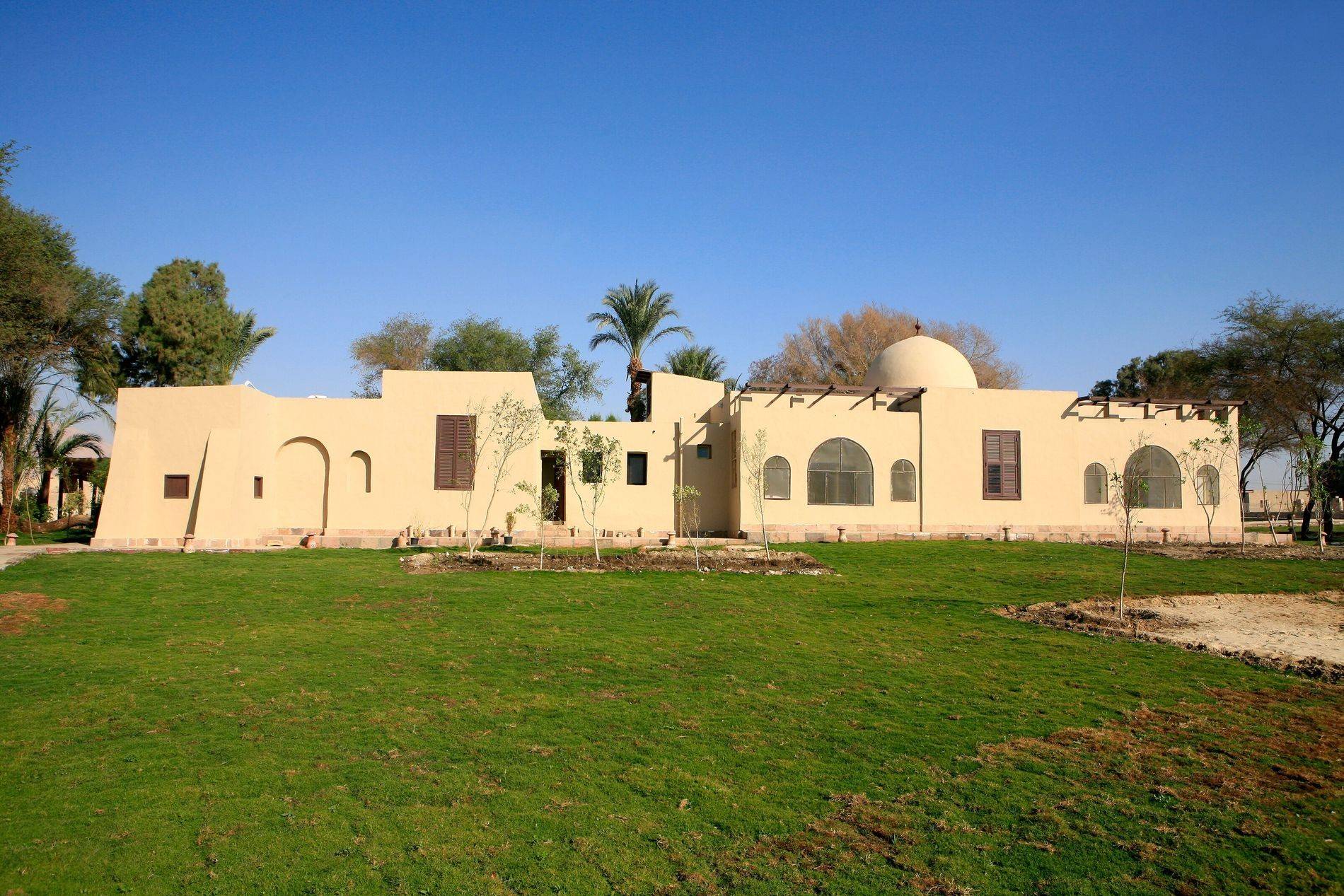
9. Howard Carter’s House — The Room Where Tutankhamun Was Reborn
Howard Carter spent years living and working on the West Bank before he opened the most famous tomb in history. His house, perched on a hill with a view across the Theban necropolis, has been preserved as a small museum — and it’s one of the most quietly powerful stops in all of Luxor.
Walking through Carter’s study, past his maps, his field notes, and his personal artifacts, you feel transported to the November morning in 1922 when he pressed his face to a small hole in a sealed doorway and whispered that he could see “wonderful things.” The site also includes a life-size replica of Tutankhamun’s tomb chamber, reproduced in accurate detail — useful context before visiting KV62, or a worthy alternative for those skipping the premium ticket.
Very few tourists visit. That’s their loss.
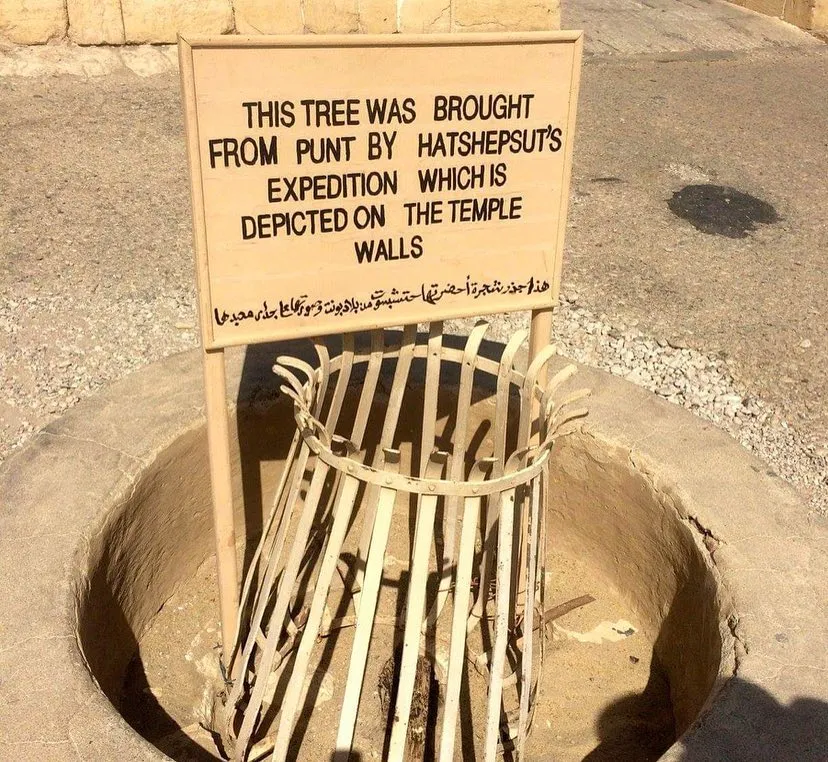
10. Hatshepsut’s Myrrh Trees — A Living Footnote to a Famous Expedition
Inside the Temple of Hatshepsut’s lower terrace, in the exact positions described on the temple’s own Punt Colonnade reliefs, stand the remains of myrrh trees brought back from Hatshepsut’s famous trading expedition to Punt around 1470 BCE. What’s left is roots and stumps — not much to look at — but standing beside them knowing what they are and what journey they made is its own quiet moment. Almost no one notices them.
The East Bank: Hidden in Plain Sight
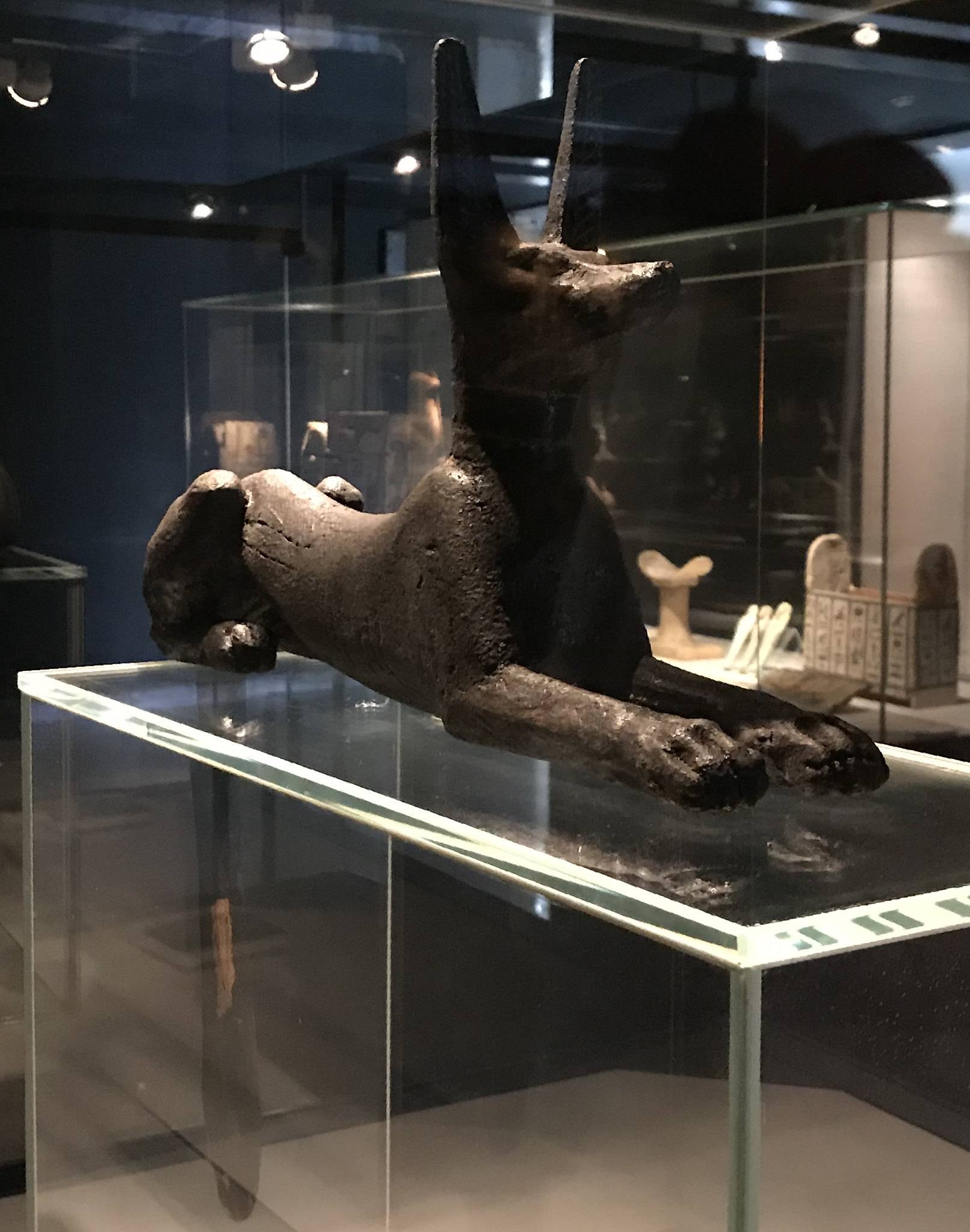
11. The Mummification Museum — Egypt’s Strangest Small Museum
The Mummification Museum sits right on Luxor’s Corniche, in plain view of every tourist walking between the temples — and yet it remains one of the city’s most consistently overlooked attractions. It is the only museum of its kind in Egypt, dedicated entirely to the ancient art of preserving the dead. The exhibits include the tools of the trade, canopic jars, natron salts, linen wrappings, and a 3,000-year-old mummified priest who looks remarkably intact. You can be in and out in 45 minutes.
It is also air-conditioned, which at midday in summer makes it feel like a gift from the gods.
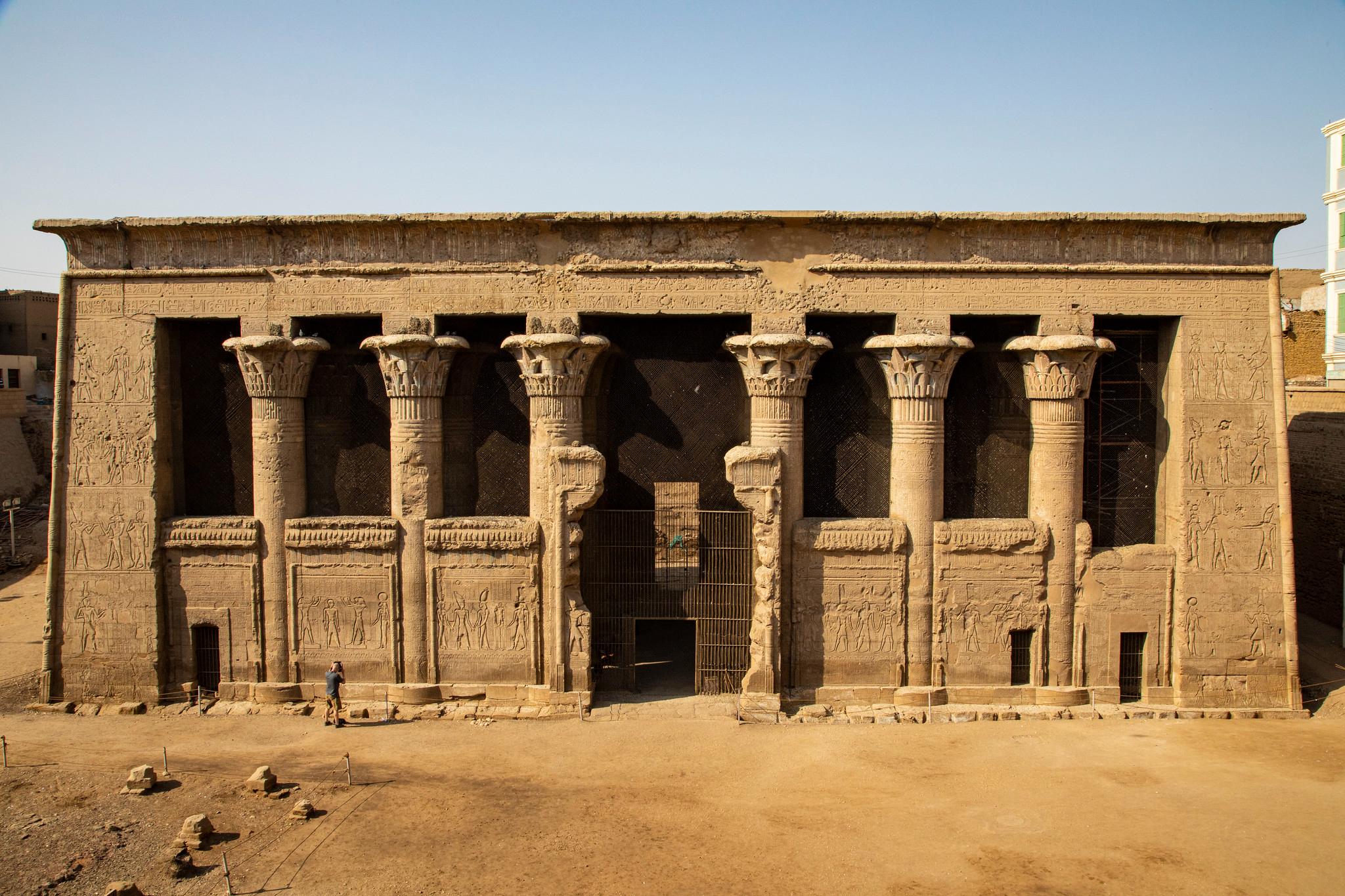
12. Temple of Khnum, Esna — The Most Colorful Secret on the Nile
About 45 minutes south of Luxor, the small city of Esna holds a temple that quietly reframes everything you thought you knew about ancient Egyptian monuments. The Temple of Khnum — dedicated to the ram-headed god of creation — was recently restored after a six-year project that uncovered nearly 200 previously unknown inscriptions and revealed vivid original colors hidden under centuries of grime. Its 24 towering columns are painted floor to ceiling in blues, reds, and yellows that show what all ancient temples once looked like before time stripped their color away.
Standing inside is like stepping into a 2,000-year-old illuminated manuscript.
The Experience That Ties It All Together

Sunrise on the Nile — A Felucca Ride at Dawn
This one isn’t a ruin or a museum. It’s a moment.
A felucca is a traditional Nile sailboat — wooden, wind-powered, crewed by one or two local sailors who’ve been navigating this stretch of river their whole lives. Hire one before dawn, push off from the East Bank, and watch the West Bank temples and tombs emerge from the darkness as the sun rises behind you. Hot air balloons lift from the desert floor. The call to prayer echoes across the water. The Nile is perfectly still.
There is nothing else quite like it in Luxor. And unlike almost everything else on this list, it costs almost nothing.
Practical Tips for the Hidden Side of Luxor
- Best time to visit: November through March, when daytime highs stay between 22–28°C (71–82°F). Summer temperatures can exceed 42°C — doable with very early starts, but demanding.
- Beat the crowds: Arrive at any site before 8 AM or after 4 PM. The difference in atmosphere is dramatic.
- Getting around: Cross to the West Bank by local passenger ferry (cheap and scenic), then hire a driver or rent a bicycle. The inDrive app works in Luxor and is often cheaper than negotiated street rates. Negotiate taxi fares upfront for more remote sites.
- Essentials: Sunscreen, a wide-brimmed hat, loose breathable clothing, and at least 2 liters of water per person.
- Cash: Many smaller sites and local markets are cash-only. Carry Egyptian pounds in small denominations.
- Entrance fees: Check exploreluxor.org/luxor-entrance-fees for current pricing, opening hours, and any closures.
- Photography: No flash near painted surfaces, no touching carvings, stick to marked paths. A licensed local guide will flag all of this — and will tell you things no sign ever will.
- Pace yourself: The hidden gems of Luxor reward lingering. Two or three sites explored properly will stay with you far longer than five rushed visits.
One Final Thought
The famous sites of Luxor are famous for good reason — they’re among the greatest things humanity has ever built. But if you leave without stepping off the main path, even once, you’ll miss the version of this city that actually gets under your skin: the tomb painter’s home, the vizier’s vineyard ceiling, the archaeologist’s desk, the fallen colossus in the sand, the sail filling with Nile wind at dawn.
That Luxor is quieter, more personal, and — if you’re willing to wander — completely yours.