Explore Luxor, Egypt
Where the Ancient World Still Breathes
Explore an extraordinary city holding one-third of the world’s ancient monuments and 5,000 years of history.
Legendary Monuments
Ancient Sites
From colossal temple complexes to hidden royal tombs — every monument in Luxor carries the weight of millennia.
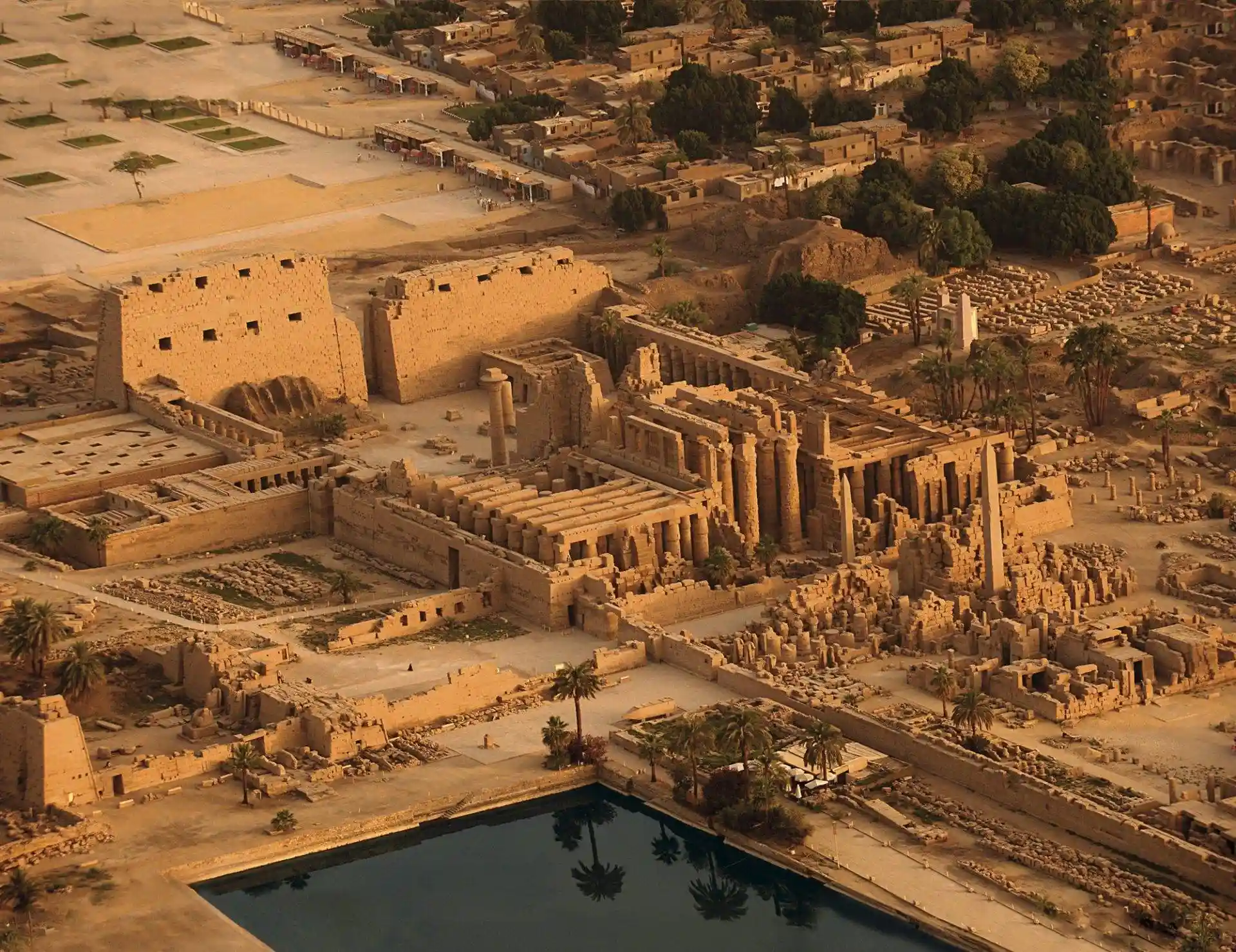
Karnak Temple Complex
The largest religious complex ever constructed, Karnak was built over 2,000 years by successive pharaohs. Its Great Hypostyle Hall — 134 papyrus-capital columns, the tallest reaching 24 metres — remains one of humanity’s most astonishing architectural achievements.
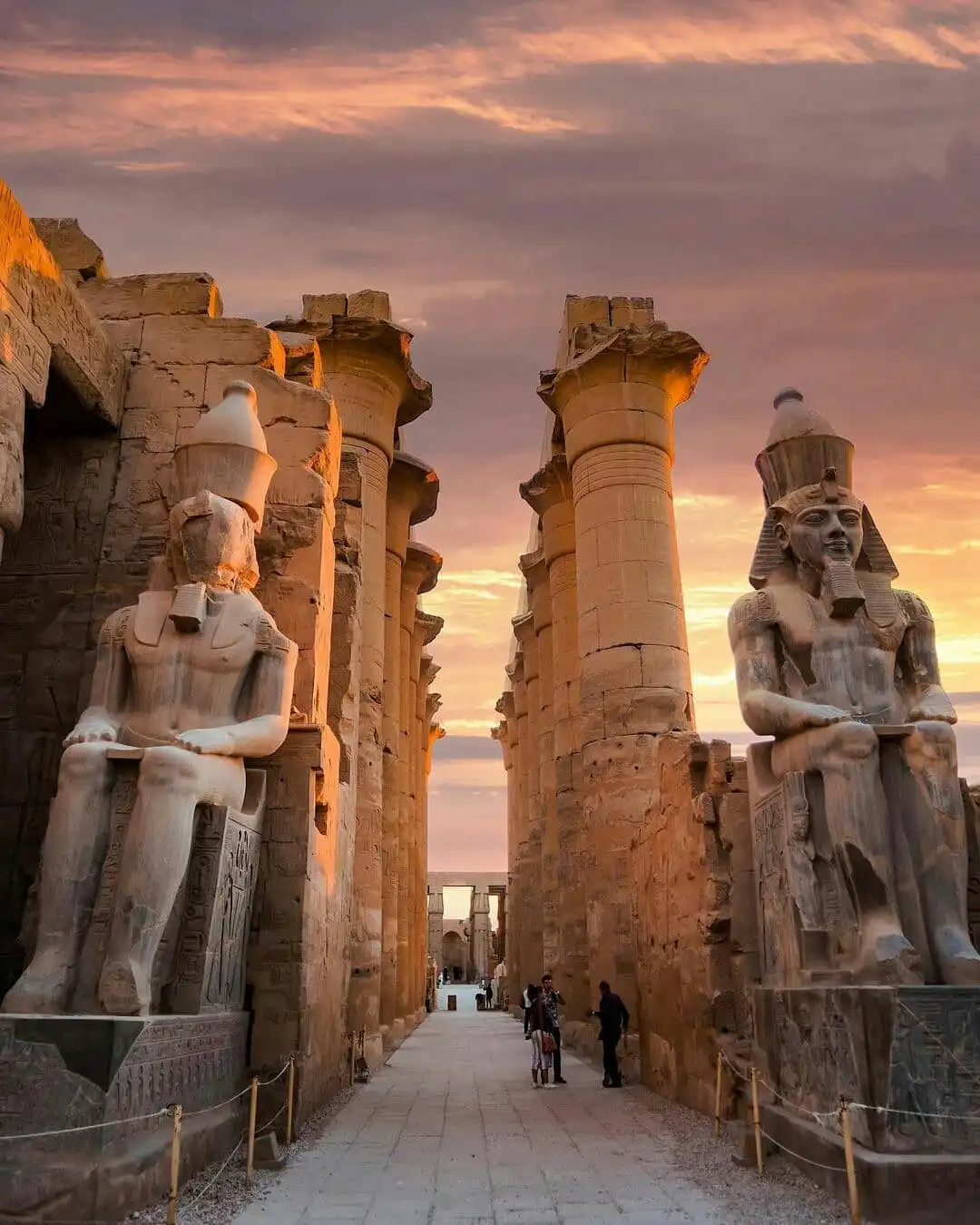
Luxor Temple
Rising from the heart of the modern city, Luxor Temple glows amber at night — a living monument connecting pharaonic Egypt to the streets around it.
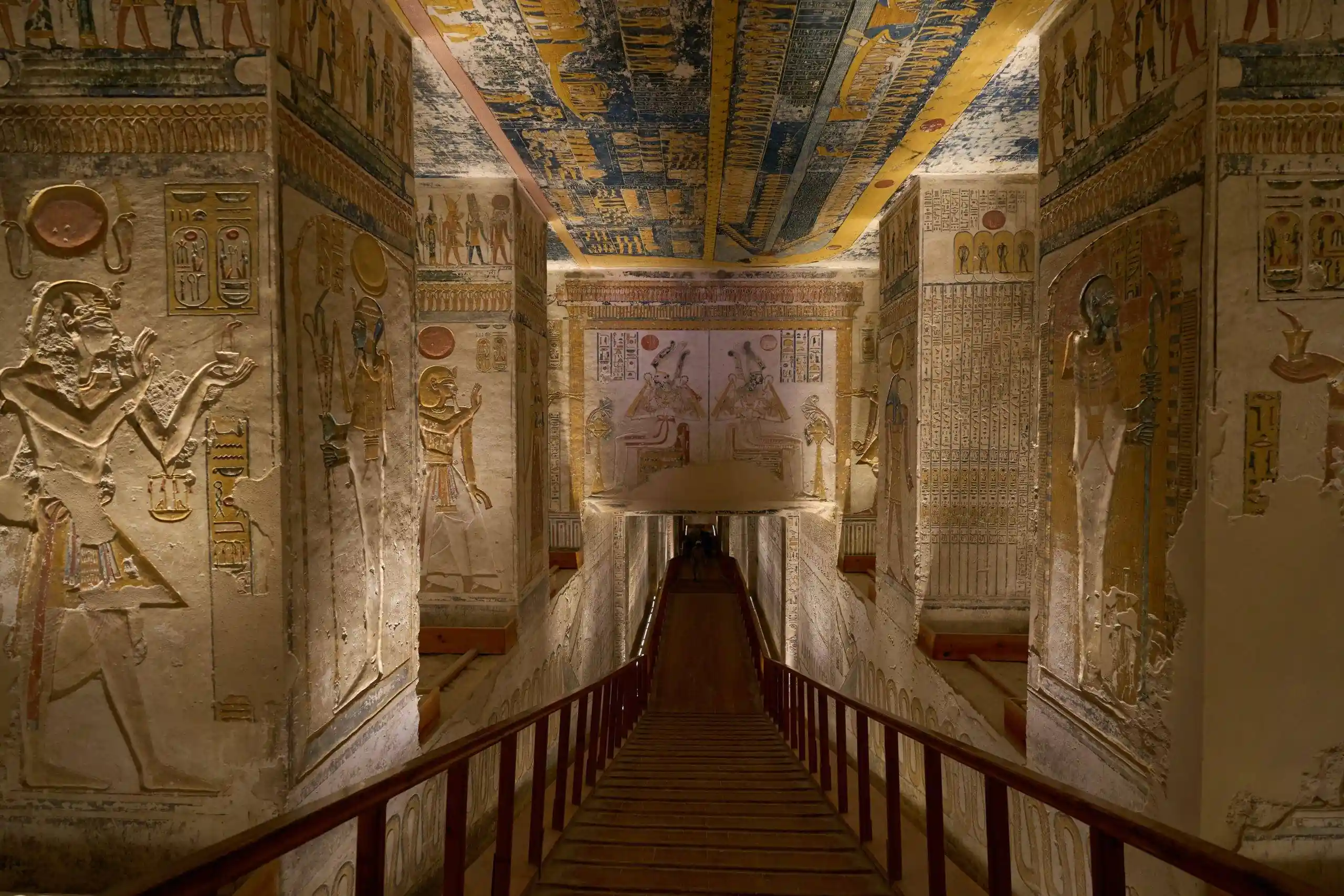
Valley of the Kings
63 known royal tombs carved into the limestone West Bank cliffs — including KV62, the intact tomb of Tutankhamun, discovered in 1922.
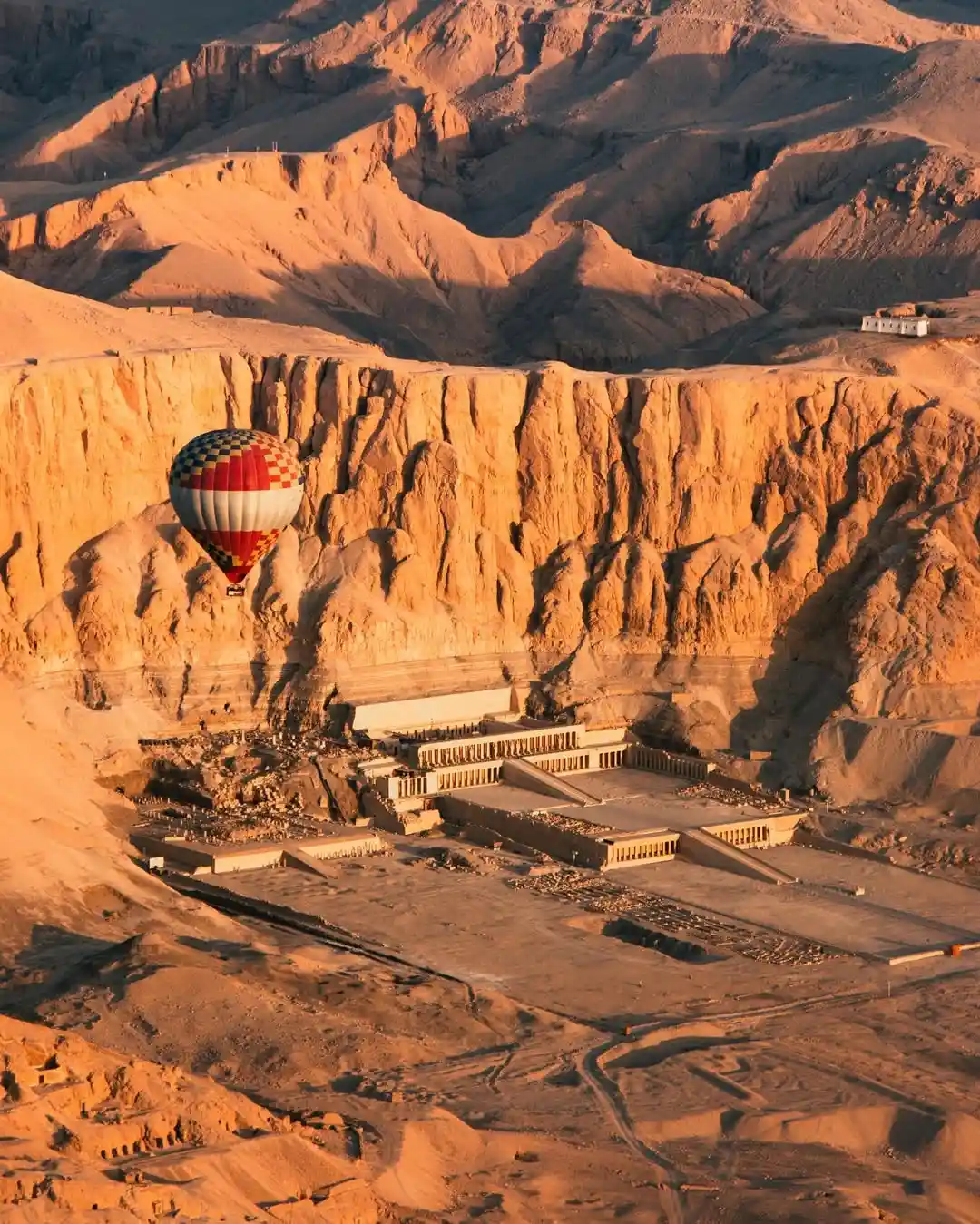
Temple of Hatshepsut
Set into the golden cliffs of Deir el-Bahari, this terraced masterpiece honours Egypt’s most celebrated female pharaoh.
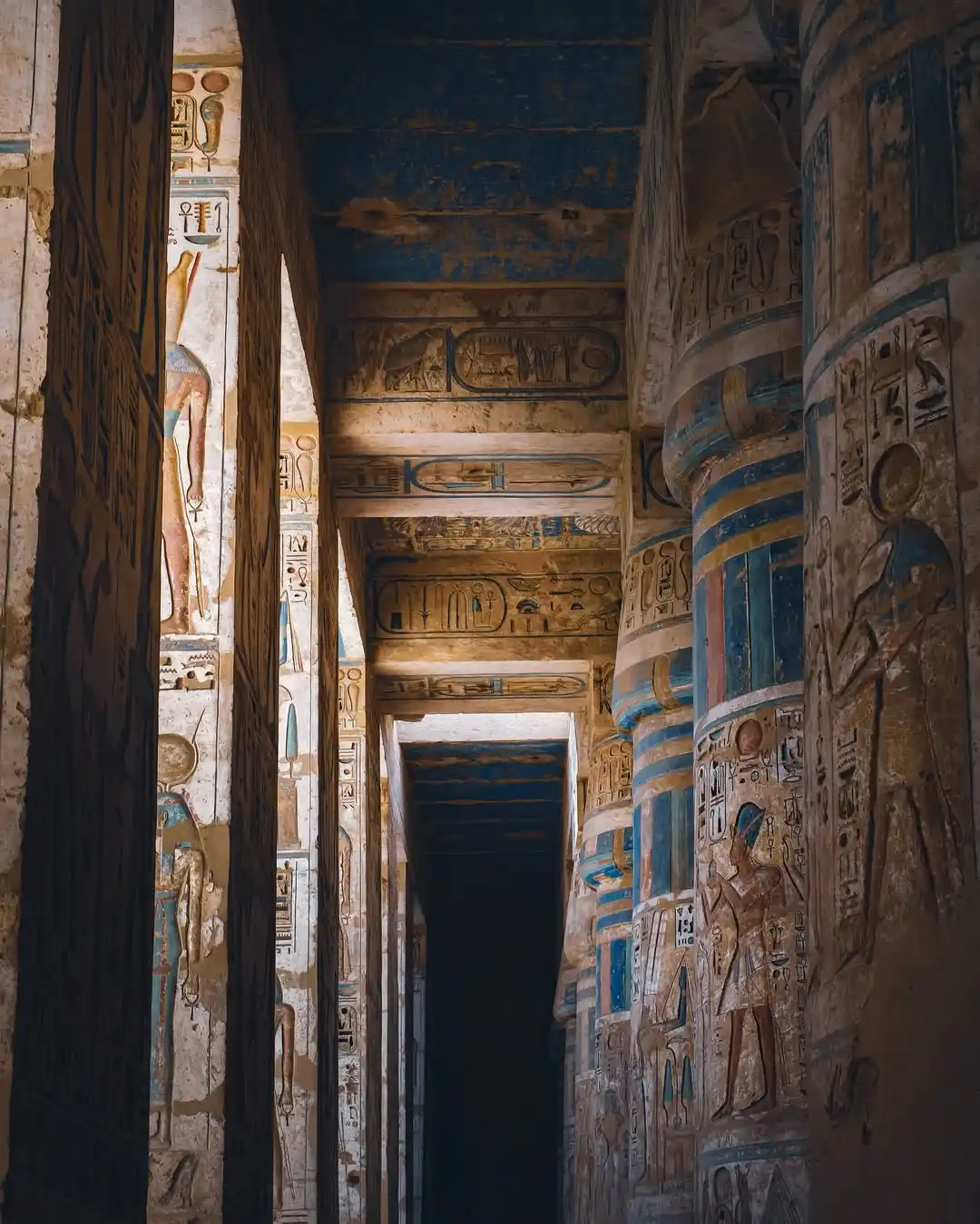
Medinet Habu
One of the best-preserved temples in Egypt, Medinet Habu was built by Ramesses III and is renowned for its vivid battle reliefs and towering entrance pylons — a West Bank wonder often overlooked by visitors.
Beyond the Monuments
Luxor is not only what you see — it’s what you feel. These experiences make the ancient city fully alive.
Hot Air Balloon Ride
Rise at dawn above the West Bank as sunlight floods the temples and valleys below. Luxor’s signature experience — and one of the most moving views on earth. Each flight lasts roughly an hour.
Full Guide & What to ExpectNile Felucca Cruise
Drift silently on a traditional sailboat at sunset, watching Luxor Temple glow against the darkening sky. The most peaceful hour in Egypt.
View Sunset RoutesHorse Carriage Tour
Clip-clop through Luxor’s streets along the Corniche in an open carriage — a traditional and charming way to experience the East Bank.
See Carriage TipsWest Bank Bicycle Tour
Cycle between temples and tombs along quiet rural roads past sugarcane fields and villages — best in the cool of the early morning.
Plan a Cycling MorningSound & Light Show
Karnak after dark becomes a stage for drama and wonder — columns illuminated as narrators recount the story of the pharaohs.
Check Show TimesLuxor Souq & Markets
Navigate the fragrant lanes of the old market for alabaster carvings, handwoven textiles, spices, and Egypt’s gentle art of bargaining.
Navigate the SouqVillage & Hidden Gems
Venture beyond the monuments to Luxor’s rural villages — potters at work, sugarcane presses, and families whose traditions span generations.
Discover Hidden GemsCulture, Food & Local Life
Luxor is not frozen in antiquity. It’s a city of warm hospitality and an Upper Egyptian culture that is distinct, vibrant, and entirely its own.
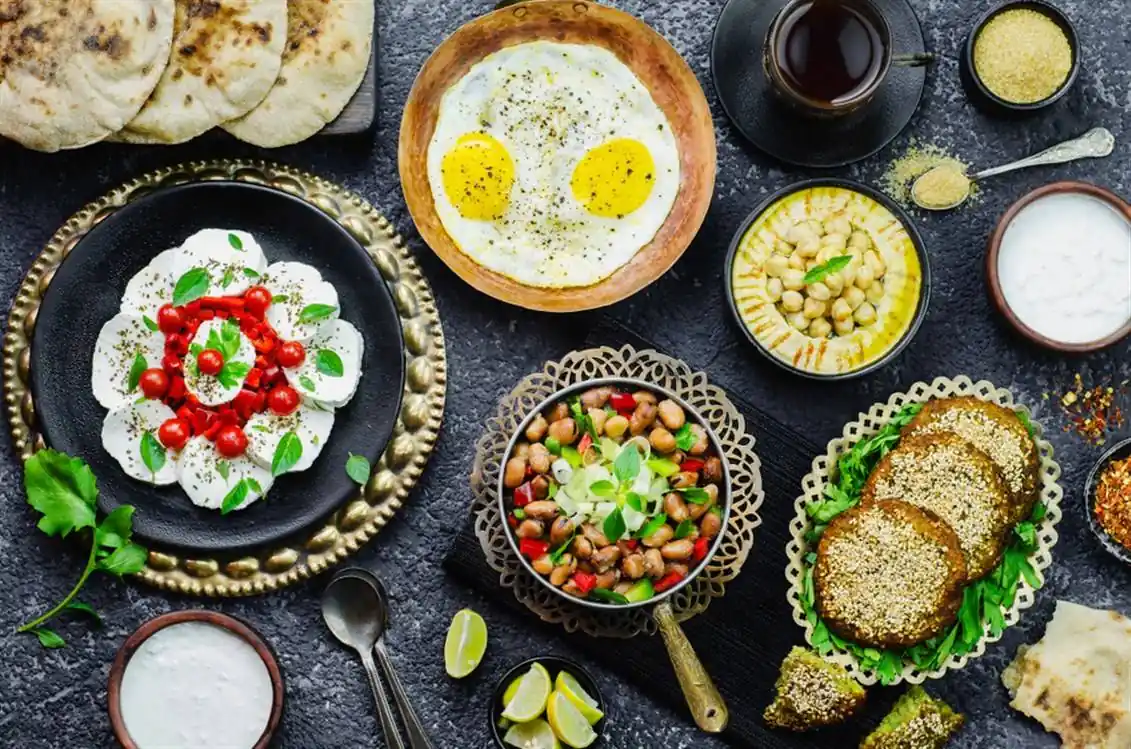
The Taste of Luxor’s Food
Grilled river fish, slow-cooked ful medames, koshari, charcoal-roasted chicken, and karkadeh hibiscus tea at sunset. Sit in a riverside café and eat as locals have eaten for centuries.
Open Food Guides
Alabaster Craft Villages
The West Bank village of Gurna is renowned for alabaster workshops where craftsmen carve original work — a tradition passed between families for generations.
Discover the Craft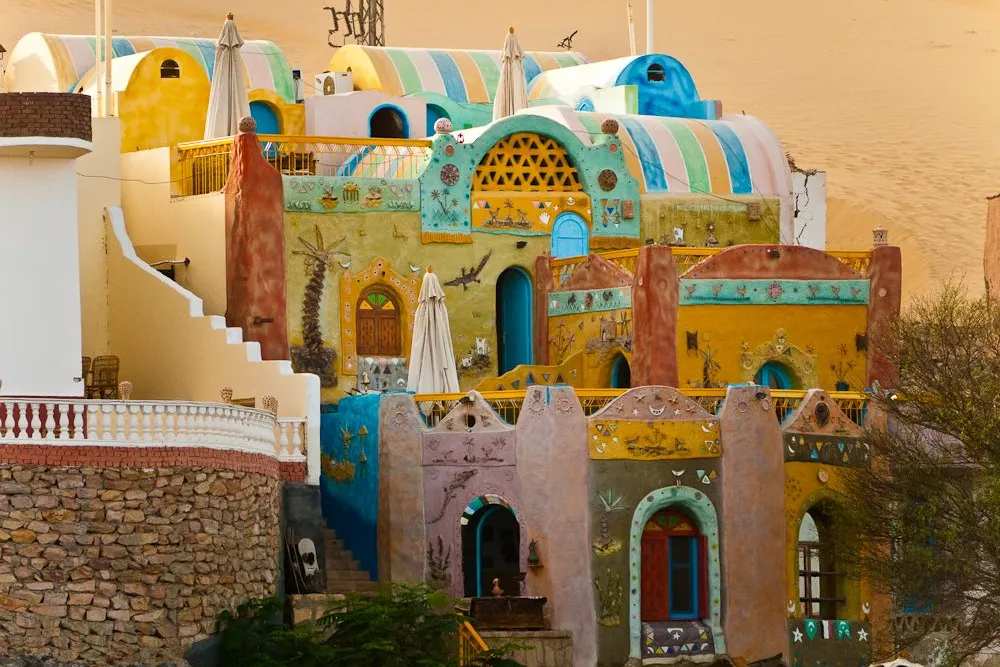
Nubian Art & Culture in Upper Egypt
From the vivid geometric patterns of Nubian painting to the thundering spectacle of Saidi horsemen — Upper Egypt’s living traditions are as powerful as any monument on the West Bank.
Explore the Culture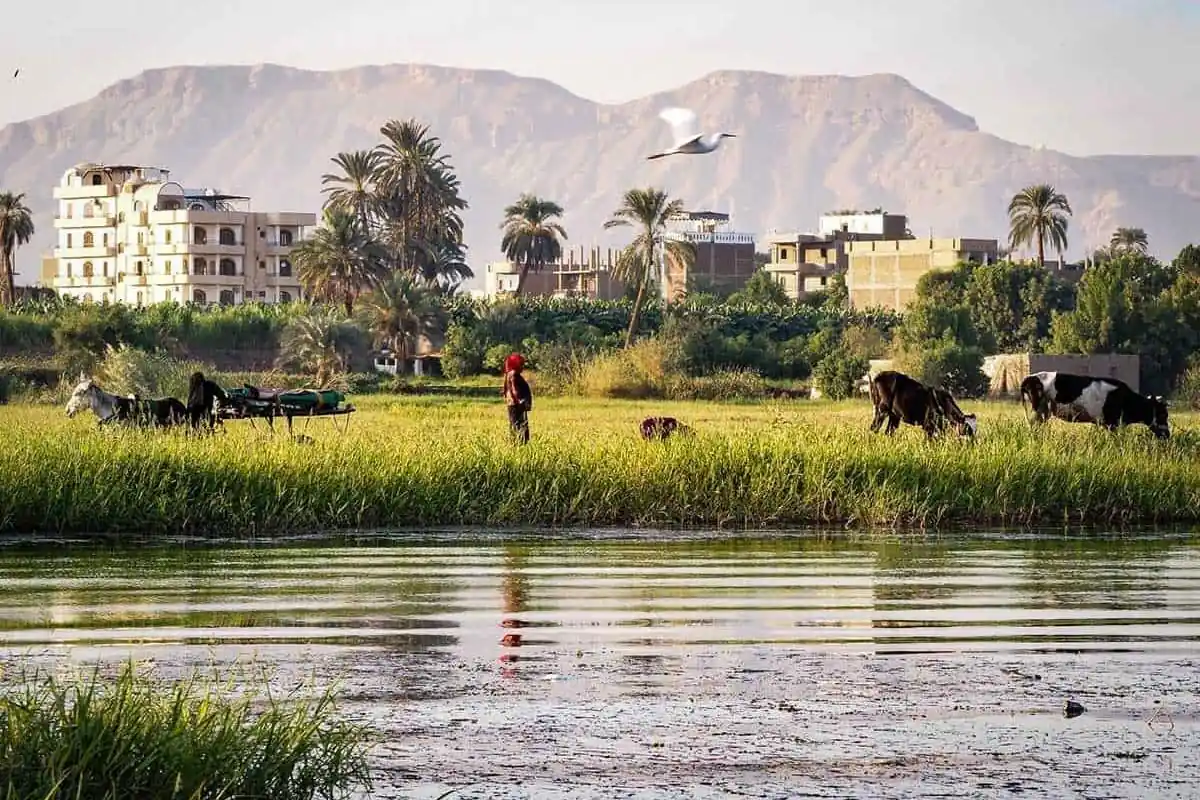
Luxor Countryside
Beyond the temple walls, the West Bank countryside is a patchwork of sugarcane fields, dovecotes, and mud-brick villages where ancient rhythms of farming and craft still govern daily life.
Explore the Countryside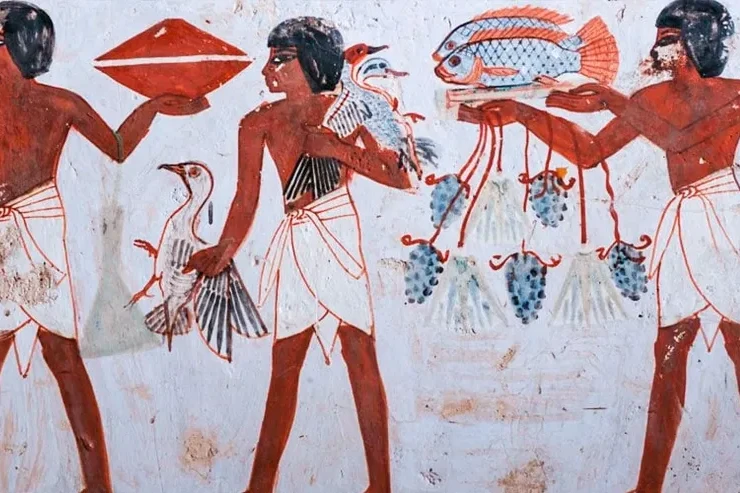
Sham el-Nessim
Egypt’s oldest festival — a celebration of spring stretching back to pharaonic times. Families gather on the Nile banks with salted fish, coloured eggs, and spring onions in a tradition 4,500 years old.
Discover the FestivalPlan Your Visit
with Confidence
A high-utility hub for confident decisions: transport, passes, fees, and what to do with limited time.
5,000 Years Beneath
the Surface
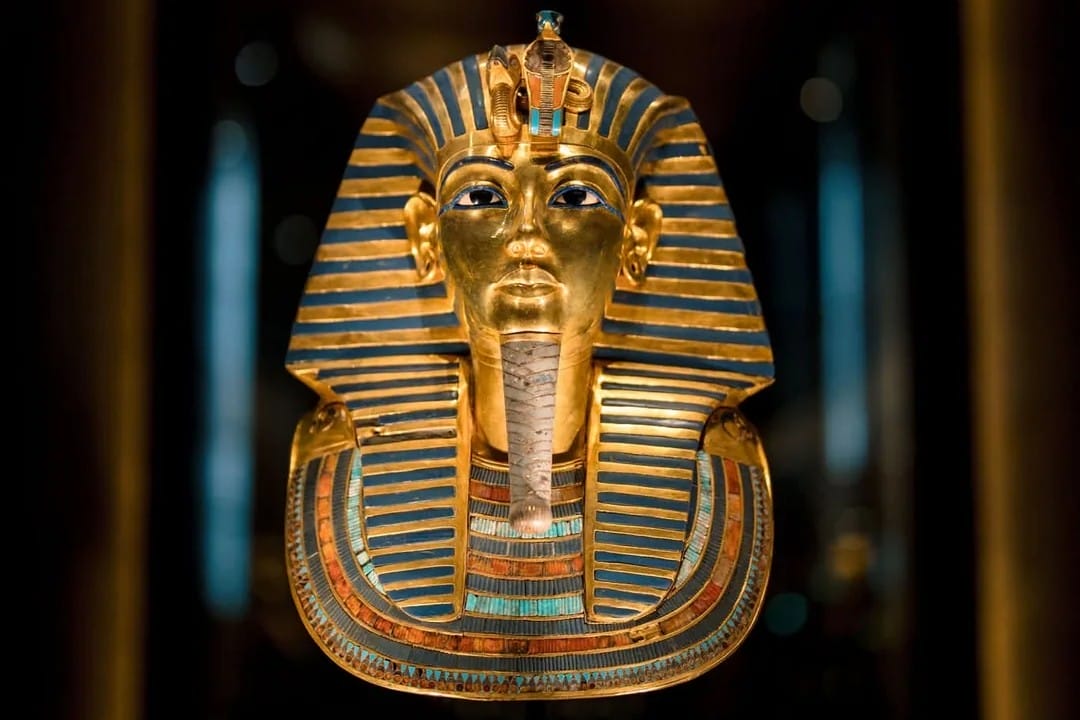
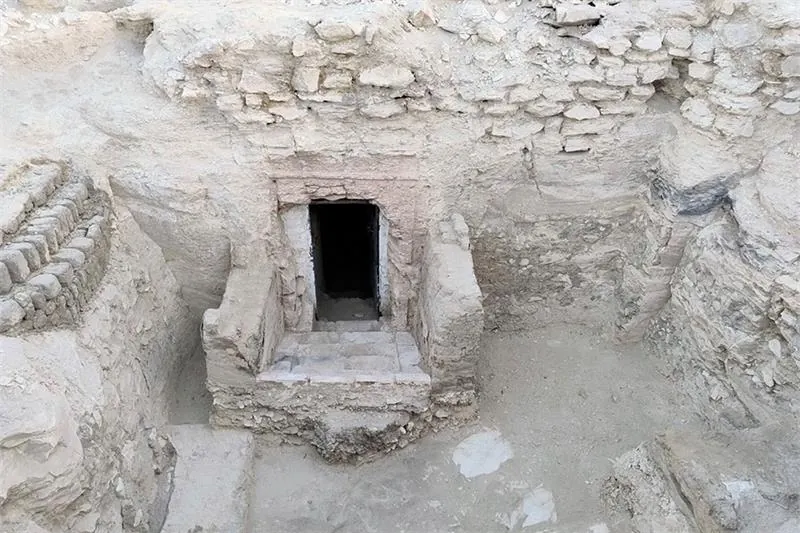
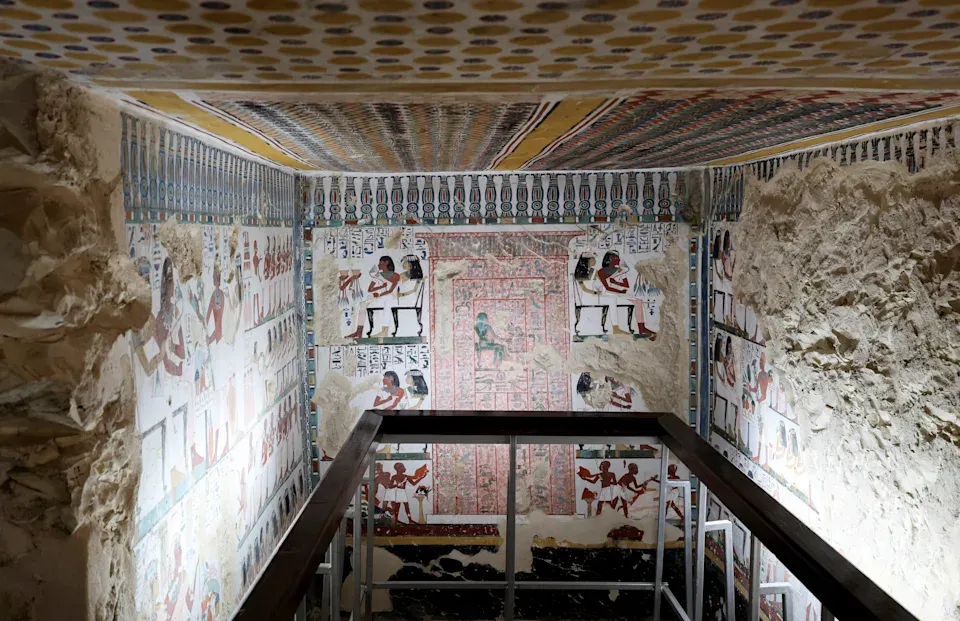
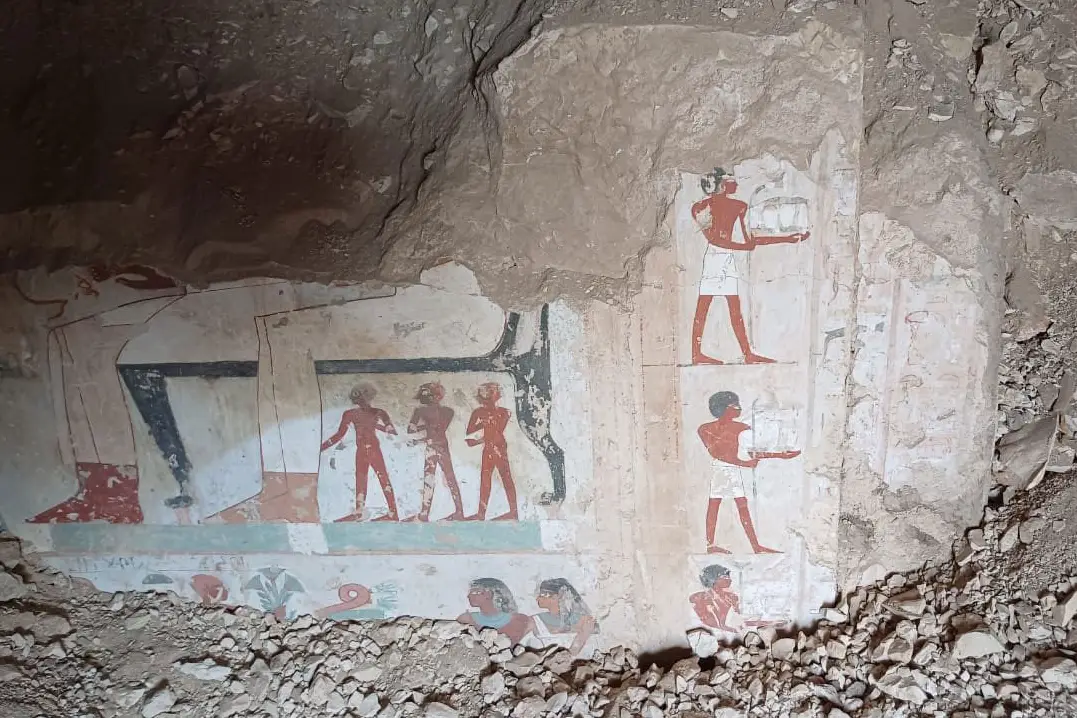
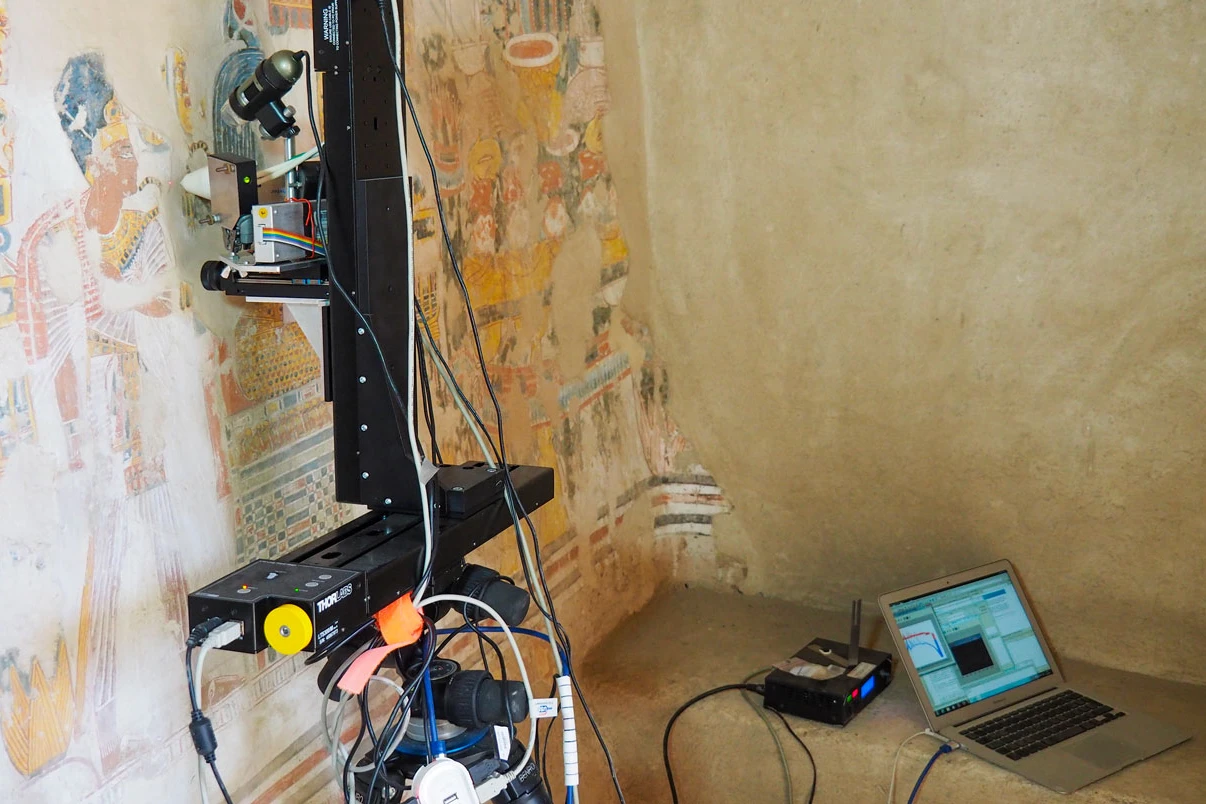
Luxor is the world’s greatest open-air museum — a living stratum of human civilisation where every grain of sand conceals a story still being told.
-
c. 3100–2686 BCEarly Dynastic PeriodUnification of Upper and Lower Egypt. First hieroglyphic inscriptions found near Luxor.
-
c. 2055–1650 BCMiddle KingdomLuxor (ancient Thebes) rises as Egypt’s capital. First constructions at Karnak begin.
-
c. 1550–1070 BCNew KingdomThe golden age of Thebes. Valley of the Kings, Karnak’s Hypostyle Hall, and Hatshepsut’s temple all built in this era.
-
c. 332–30 BCPtolemaic PeriodGreek rulers adopt pharaonic traditions. Final additions to Luxor and Karnak temples in the Hellenistic style.
-
c. 30 BC – 641 ADCoptic PeriodChristianity spreads through Upper Egypt. Ancient temples repurposed as churches; Coptic inscriptions overlay pharaonic reliefs.
-
641 AD – 1800sIslamic PeriodArab conquest brings Islam to Luxor. Medieval mosques grow among the ruins; the city becomes known as Al-Uqsur — “The Palaces”.
-
1798 – PresentModern ExcavationFrom Napoleon’s expedition to ongoing digs — Luxor’s soil continues to yield extraordinary discoveries each decade.
Two Banks, One City.
Luxor sits astride the Nile — East Bank temples and museums on one side, the necropolis and West Bank monuments on the other.