

Egypt’s version of falafel isn’t made from chickpeas. It’s made from fava beans — and the difference matters. Tameya has a softer, earthier interior than its Levantine cousin, a more herbal flavor from generous amounts of parsley, coriander, and dill, and a crust that shatters differently when you bite in. Made fresh in the early morning, eaten with warm baladi bread and pickled vegetables, it’s one of the best breakfasts in Luxor — and one of the cheapest.
What Tameya Is
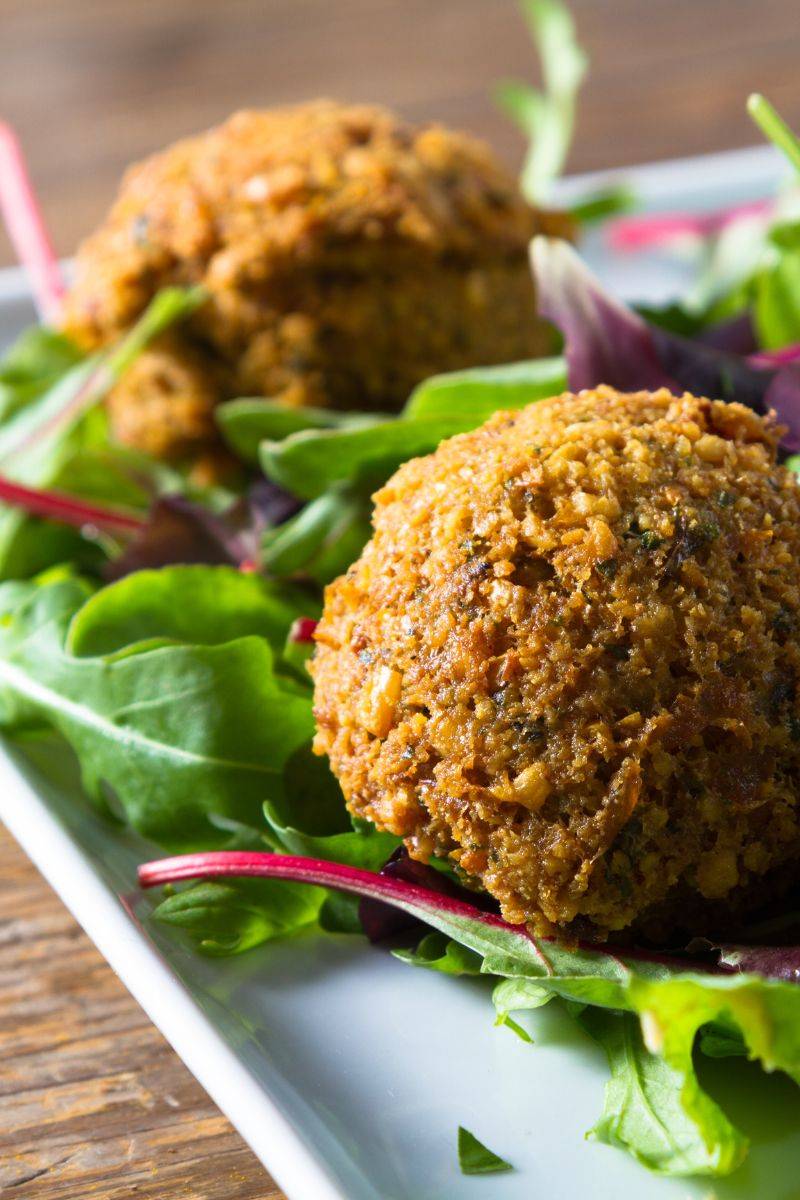
Tameya (ta’meya in Arabic) is made from dried fava beans soaked overnight, ground to a coarse paste with fresh herbs, onion, garlic, and spices, then shaped into small patties and fried until golden. The result: a crispy exterior, a vivid green interior from the herbs, and a flavor that’s simultaneously earthy and fresh.
The fava bean base distinguishes it from chickpea falafel. Fava beans have a long history in the Nile Valley which makes tameya one of those dishes with a genuinely long lineage in the same geography where it’s still being made and eaten.
Tameya in Luxor: When and Where
Morning is the time. Tameya vendors start frying early and are typically done by mid-morning — this is breakfast food in Egypt, not a lunch item. The best tameya is made fresh that day and fried to order; avoid anything sitting in a warming tray.
The classic Luxor serving: two or three tameya patties in a halved pita or wrapped in baladi bread, with tahini sauce and pickled vegetables (usually turnips and cucumbers). A glass of strong Egyptian tea alongside is optional but correct.
Where to find it: Tameya vendors work out of the same early-morning breakfast spots covered in our guide to ful medames in Luxor — the Luxor Souk area, small cafés near the inner market, and the West Bank near the ferry landing. What’s specific to tameya rather than ful is timing: it tends to sell out faster once the morning rush passes, so earlier is better, and it’s worth asking whether that day’s batch comes sesame-crusted or spicy.
Cost: 5–10 EGP per patty at street vendors; a full breakfast sandwich is typically 15–25 EGP. For more on where to eat, see our guide to where to eat in Luxor.
Variations Worth Knowing
The classic tameya is the standard for good reason, but a few variations are worth trying if you encounter them:
Sesame-crusted tameya: the patty is rolled in sesame seeds before frying, adding a nutty, crunchy exterior layer that’s distinct from the plain version.
Spicy tameya: chili added to the mixture or served with a chili dipping sauce — more common at vendors who cater to local tastes.
Mini tameya: bite-sized versions, sometimes served as part of a mezze spread at local restaurants alongside tahini and pickled vegetables.

Recipe: Tameya at Home
One important note before you start: the recipe requires dried fava beans, soaked overnight. Canned beans won’t work — the moisture content makes the mixture too wet to hold together when frying. You’ll also want to use only the inner bean after soaking, discarding the outer skins, which can make the texture gummy.
Ingredients
- 2 cups dried fava beans, soaked in cold water overnight
- 1 cup fresh parsley, roughly chopped
- 1 cup fresh coriander, roughly chopped
- ¼ cup fresh dill, roughly chopped
- 1 medium onion, roughly chopped
- 3 cloves garlic
- 1 tsp ground cumin
- ½ tsp ground coriander
- Salt and pepper to taste
- Oil for deep frying
- Optional: sesame seeds for rolling, chili flakes for heat
Instructions
1. Prepare the beans: drain the soaked fava beans and peel away the outer skins by squeezing each bean — the inner bean slips out easily. Discard the skins. This step takes time but is important for texture.
2. Blend: combine the peeled beans, fresh herbs, onion, garlic, and spices in a food processor. Pulse to a coarse paste — it should hold together when pressed but not be completely smooth. If the mixture seems wet, refrigerate for 30 minutes.
3. Shape: form the mixture into small patties about 4–5 cm across and 1 cm thick. Roll in sesame seeds if using.
4. Fry: heat oil in a deep pan to approximately 175°C (350°F). Fry patties in batches for 3–4 minutes per side until deep golden brown. Don’t crowd the pan. Drain on paper towels.
5. Serve: immediately, with warm bread, tahini, and pickled vegetables.
