
Ahmose I
The Pharaoh Who Reunified Egypt and Founded the New Kingdom
foreign rulers called the Hyksos control the rich Nile Delta, the royal family is divided by war, and the kingdom is close to falling apart. A young boy-king named Ahmose I, who is only ten years old, steps into this chaos. His story is about strength, strategy, and victory. After losing his father and brother, Ahmose takes on the challenge of not just wearing a crown but also freeing Egypt and bringing it back to its former glory. Despite facing tough challenges, he drives out the Hyksos, unites Upper and Lower Egypt, and starts the 18th Dynasty. This period marks the New Kingdom, which is known as Egypt’s golden age of success and great achievements. His reign brought not just military wins but also a revival of culture, art, and faith. Today, Ahmose I symbolizes unity and new beginnings, inspiring travelers, historians, and dreamers.

Early Life and Rise to Power
Ahmose I was born into a royal family during a troubled time in Egypt. His father, Seqenenre Tao, died in battle against the Hyksos, foreign rulers who controlled the Nile Delta. His elder brother, Kamose, continued the fight but also died, leaving the throne to young Ahmose. At just ten years old, Ahmose took over a kingdom divided between local Egyptian leaders in Thebes and the Hyksos in the north.
During his childhood, his mother, Queen Ahhotep, acted as regent. She was not just a figurehead; she was known for her strong leadership and political skills. Inscriptions praise her for “looking after Egypt” and “pacifying Upper Egypt,” highlighting her role in keeping the kingdom stable until her son grew up.
Luxor Tours & Activities
Looking to save some costs on your travel? Why not join a shared group tour to explore Luxor, Egypt? Here are some activities you might be interested in:
The Hyksos Wars: Liberation of Egypt
A key part of Ahmose’s reign was his battle against the Hyksos. These foreign rulers had used new military technologies, like horse-drawn chariots, and had control over Lower Egypt for many years. Ahmose continued the fight started by his brother Kamose, determined to drive the invaders out for good.
Tomb inscriptions from Ahmose son of Ibana, a soldier who fought for the king, give us details of these battles. Ahmose led attacks on strong Hyksos cities, like Avaris in the Delta. Eventually, his forces drove the Hyksos out of Egypt and pursued them into Palestine to make sure they wouldn’t return.
This victory was significant. By expelling the Hyksos, Ahmose unified Upper and Lower Egypt, restoring local rule across the land. His success marked the end of the Second Intermediate Period and the beginning of the New Kingdom, a golden age for Egyptian civilization.

Founding the 18th Dynasty and the New Kingdom
After Egypt was freed, Ahmose I started the 18th Dynasty, one of the most powerful periods in Egyptian history. His rule set the stage for centuries of growth, wealth, and cultural achievements.
Key achievements included:
– Political consolidation: Ahmose made the central government stronger, limiting the power of local leaders.
– Economic revival: He reopened quarries and mines, revived trade routes, and restored farming.
– Military expansion: His campaigns increased Egypt’s influence in Nubia and the Levant, securing borders and resources.
The New Kingdom that followed became Egypt’s most well-known era, with famous pharaohs like Hatshepsut, Thutmose III, and Ramses II.
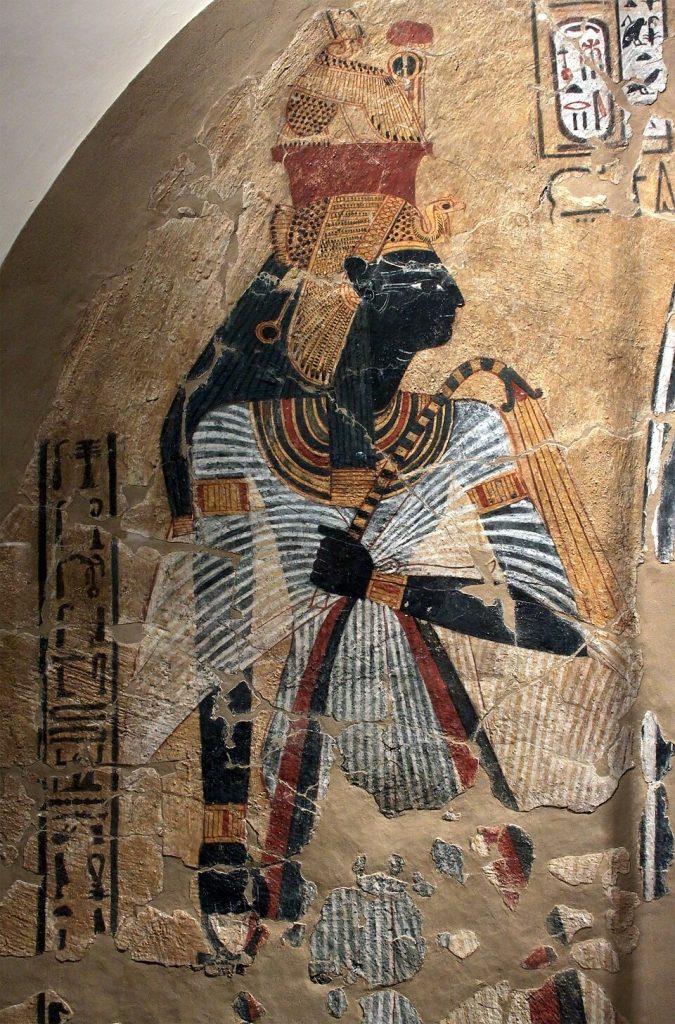
Ahmose I’s Family and Influential Women
Ahmose’s reign was influenced by important women in his family.
– Queen Ahhotep: His mother, recognized with military honors, was a warrior queen who protected Egypt during his childhood.
– Ahmose-Nefertari: His sister and wife, she was one of the most respected queens in Egyptian history. As “God’s Wife of Amun,” she had great religious power and was later honored as a goddess.
– Tetisheri: His grandmother, who received a pyramid and a stela at Abydos, showed the strength of the royal family.
These women played key roles in maintaining stability and supporting Ahmose’s rule.

Monuments, Art, and Building Projects
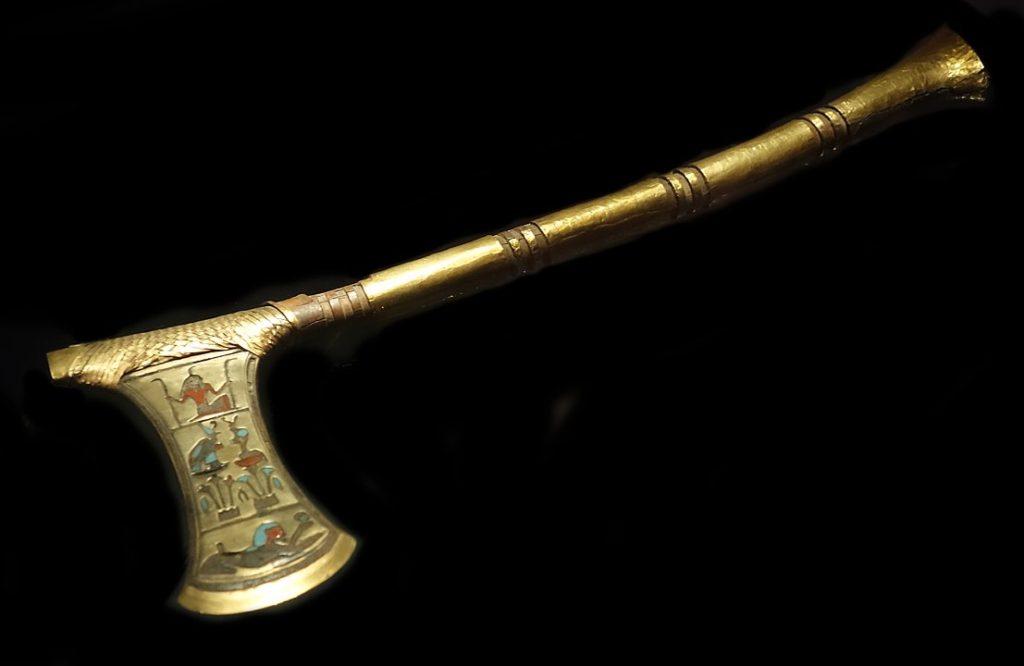
While Ahmose focused on military actions, he also worked on construction and religious projects that showed Egypt’s renewed strength.
– Temples and shrines: He built structures at Abydos and Thebes to honor gods and ancestors.
– Quarries and mines: He reopened these to support building projects and revive the economy.
– Artistic revival: Statues and inscriptions of Ahmose show him as a young and strong leader, symbolizing rebirth.
One notable monument is the pyramid built for his grandmother, Tetisheri, a special honor that highlighted the importance of family legacy.
Legacy of Ahmose I
Ahmose I had a significant impact on Egyptian history. His rule turned a divided land into a strong, united empire.
– Military legacy: His victories set a standard for future warrior pharaohs.
– Cultural impact: His unification led to a time of great art and architecture.
– Historical memory: His Horus name, “He who knots together the Two Lands,” highlights his role as a unifier.
Egyptians remember him alongside Narmer, the legendary founder of the Old Kingdom, as one of the great unifiers of their nation.

Why Ahmose I’s Story Still Inspires
Ahmose I’s story, from a young king in a troubled land to the creator of Egypt’s strongest dynasty, shows resilience, vision, and leadership. By driving out the Hyksos, he restored Egyptian pride. His strong leadership laid the groundwork for years of success. His family’s power also showed the important role of women in maintaining strength in the dynasty.
For historians, his reign represents the start of the New Kingdom. For travelers, his monuments provide a glimpse into Egypt’s revival. For readers, his story is a lasting reminder of how determination and unity can change a nation.
Got a Question?
F.A.Qs
Ahmose I was the founder of Egypt’s 18th Dynasty and the New Kingdom. He expelled the Hyksos, reunited Upper and Lower Egypt, and ushered in a golden age of prosperity and monumental achievements.
He ended foreign rule in Egypt, restored native leadership, and established the political and cultural foundations that allowed Egypt to flourish for centuries.
Through a series of military campaigns, including sieges of fortified cities like Avaris, Ahmose leveraged new weapons and strategies to drive the Hyksos out of Egypt and into Palestine.
His mother, Queen Ahhotep, acted as regent and military leader during his youth. His sister-wife, Ahmose-Nefertari, became one of Egypt’s most influential queens, holding the title “God’s Wife of Amun.”
Did you know that
By purchasing through our links, you support us at no additional cost.
Thank you for your support. ♥️