Best SIM Card for Egypt: eSIM vs. Local SIM
Arriving in Egypt is a sensory overload. From the moment you land at airport, you experience the blend of ancient history and modern chaos. Whether you’re hailing an InDrive to your hotel, translating a menu in restaurant, or sharing a sunset over the Nile, staying connected is essential.
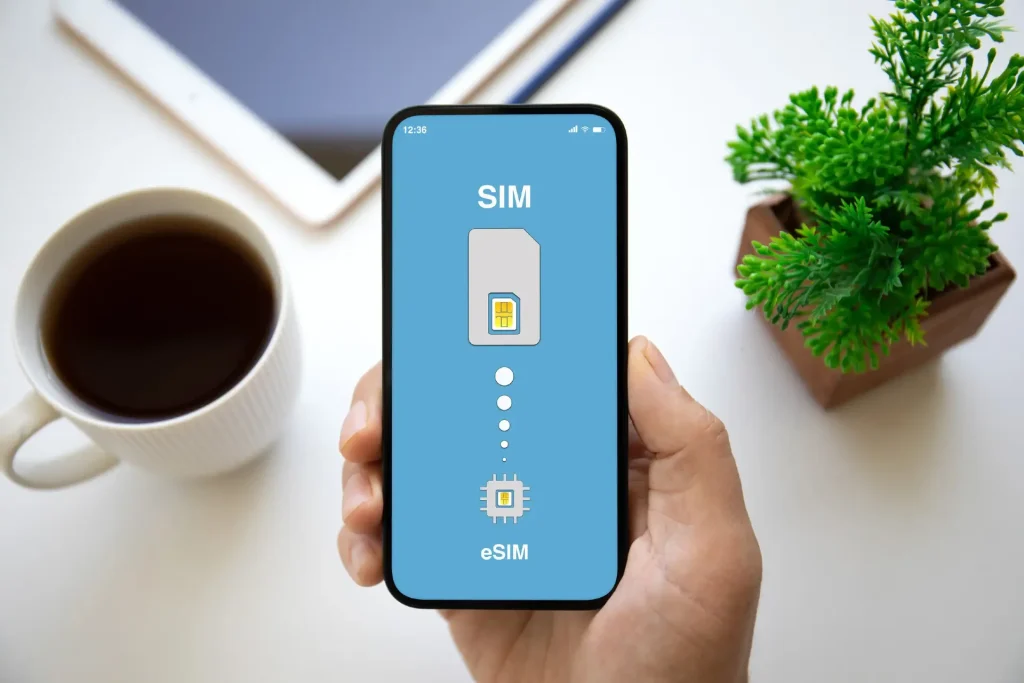
In 2026, the real decision is whether to opt for the convenience of an eSIM or the reliability of a physical SIM. This guide covers everything you need to know to stay connected in Egypt without overspending.
Quick Comparison: eSIM vs. Local Egyptian SIM Card
Before we get into the details, let’s look at the main differences. Choosing between these two options depends on your primary concern: is saving time or saving money more important?
Convenience and Speed: eSIM is the better option. You can buy it while relaxing at home, install it using a QR code, and have data as soon as you land.
Price per Gigabyte: Local SIM is better. Data rates for local providers in Egypt are very low. You usually get more data for your money with a local SIM.
Ease of Setup: eSIM is better. You don’t need to swap physical cards or wait in lines at the airport after a long flight.
Network Reliability: Tie. Both choices use the same main networks in Egypt (Vodafone, Orange, Etisalat).
Phone Compatibility: Local SIM is better. Every phone has a slot for a SIM card, but not all phones support eSIM technology.
The Verdict: If you are staying for less than a week and dislike waiting in lines, choose an eSIM. If you use a lot of data or plan to stay for more than two weeks, a local physical SIM is the better option.
Luxor Tours & Activities
Looking to save some costs on your travel? Why not join a shared group tour to explore Luxor, Egypt? Here are some activities you might be interested in:
The Best eSIM for Egypt: Top 2026 Recommendations
The eSIM market has grown a lot, and for most travelers to Egypt, it’s the best option for staying connected. It lets you keep your home SIM active for important texts, like bank alerts, while using another data plan for your trip.
1- Airalo (Discover & Menalink)
Airalo is the most popular eSIM provider worldwide, and their “Menalink” plan works well in Egypt.
Pros: Easy-to-use app, quick data top-ups, and reliable 4G/LTE speeds.
Best for: Short-term tourists (7–15 days) needing 1GB to 5GB for maps and messaging.
2- Yesim
Yesim is gaining popularity for its all-in-one features, offering virtual numbers and a never-expiring “pay-as-you-go” credit system (Ycoins).
Pros: High-speed 5G, easy plan top-ups, excellent customer support.
Best for: Travelers seeking a premium experience who may return to Egypt or other countries.
3- Saily
Saily is the most user-friendly eSIM app, ideal for those wary of tech setup.
Pros: Minimalist interface, quick activation, top-notch security.
Best for: First-time eSIM users wanting a hassle-free connection
Local SIM Cards in Egypt: Providers, Coverage, and Costs
If you choose to get a local SIM card, you’ll encounter the “Big Four” providers. Egypt has advanced telecommunications in urban areas, and 5G is widely available in Cairo and Alexandria.
1- Vodafone Egypt
Vodafone is the top provider in Egypt. It has the best coverage, especially if you are visiting places like Siwa Oasis or the Sinai Peninsula.
They offer a “Tourist SIM” with a good amount of data, local minutes, and international minutes. You can expect to pay around $12–$15 USD for 30GB of data.
2- Orange Egypt
Many locals say Orange has the fastest internet speeds in Cairo. Their branding is common, and their customer service kiosks are usually efficient.
This is a great choice for digital nomads who need fast uploads for video calls or content creation.
3- Etisalat (e&)
Etisalat offers good value and often has promotions. Their network is very stable in popular beach resorts like Hurghada and Sharm El-Sheikh.
It’s best for travelers who spend most of their time at beach resorts.
4- WE (Telecom Egypt)
WE is the state-owned provider. They used to be seen as the budget option with unreliable service, but they have improved a lot.
This option is best for budget travelers who stay mainly in major cities.
The "Airport Hack": Where to Buy Your SIM
One common mistake travelers make is leaving the airport before getting their connection. Here’s a simple guide for Cairo International Airport (CAI) or Luxor International Airport (LXR):
Before Customs: After you get off the plane and head to the luggage area, look for kiosks for Vodafone, Orange, Etisalat and WE near the baggage claim.
Buy Here: It’s easier to buy your SIM card at the airport than at a mall in the city. The staff here are used to tourists, speak English, and can activate your card quickly.
Requirements: Bring your physical passport. By Egyptian law, every SIM card must be registered to a verified identity. They will take a photo of your passport and your Egyptian entry visa.
Verification: Don’t leave the kiosk until you see the “LTE” or “5G” symbol on your phone. Ask the agent to check your balance to make sure the package you bought is active.
NTRA Registration & The "Egyptian Phone Tax" (Important 2026 Update)
Egypt has strict rules about mobile devices. If you’re a tourist staying for 90 days or less, you don’t need to worry much. However, keep the following two points in mind:
Phone Tax: Long-term visitors (over 90 days) must pay a “registration tax” of about 38.5% of the device’s value to use local SIMs, managed through the “Telephony” app in 2026. This fee applies only when using a foreign phone with an Egyptian SIM, not when roaming with your home SIM.
Legal Registration: All SIMs in Egypt must be linked to a passport or national ID. Avoid buying from small shops selling “ghost” identities, as these can get deactivated. Stick to official kiosks (Vodafone, Orange, Etisalat, WE) at Airport or flagship stores in the city, bringing your passport and entry visa for registration.
Which One Should You Buy?
The “One-Week Wonder”: If you’re going to Cairo and Luxor for 7 days, buy an eSIM from Airalo. It costs $10–$15 and saves you about 30 minutes by letting you skip the airport line.
The “Heavy Streamer”: If you plan to upload Reels and TikToks frequently, get a local Vodafone SIM. You’ll receive triple the data for the same price as an eSIM.
The “Remote Worker”: Get both. Use a local Orange SIM for your main data and keep a small eSIM as a backup in case one network goes down.
Got a Question?
F.A.Qs
Yes. All major providers (Vodafone, Orange, Etisalat, and WE) have kiosks in the arrivals hall, usually right by the baggage carousels. These are open 24/7 to accommodate international flights.
Absolutely. By law, every SIM card must be registered to a valid ID. The shop will take a photocopy of your passport and your Egyptian entry visa. The process is fast and usually takes less than 10 minutes.
Yes and No. While local providers like Vodafone and Orange are beginning to offer eSIMs to residents, it is often difficult for tourists to get a local eSIM. Most travelers prefer international eSIMs (like Airalo or Holafly) which can be activated before arrival.
Yes, significantly. International roaming rates from your home carrier are almost always the most expensive way to stay connected.
Roaming: Can cost anywhere from $10 to $25 per day for limited data.
Local SIM: You can get massive data packages (e.g., 20GB–40GB) for roughly $10 to $15 total for the entire month.
The Difference: Using a local SIM or travel eSIM can save you up to 80–90% on your connectivity costs.
Yes. If your phone is “locked” to a specific provider (common with phones bought on payment plans from AT&T, Verizon, or T-Mobile), it will not accept a local Egyptian SIM card.
How to check: On an iPhone, go to Settings > General > About > Carrier Lock. It should say “No SIM restrictions.”
Solution: If your phone is locked, you must contact your home carrier to request an unlock before you leave, or rely on a portable “Pocket Wi-Fi” device.
For most visitors in 2026, the choice depends on your technical comfort:
Best Overall Value: Vodafone Egypt. They have the widest coverage (essential for Nile cruises or desert trips) and a dedicated “Tourist Line” that includes data and minutes.
Best for Convenience: Airalo (eSIM). If your phone supports eSIM, you can buy and install this before you land. It’s slightly more expensive than a local shop but saves you from waiting in airport lines.
Best for Speed: Orange Egypt. Often rated as having the fastest 4G/5G speeds in urban Cairo and Alexandria.
Physical SIM: Go to an official kiosk (Cairo Airport is best). You must present your physical passport and entry visa. The agent will register the SIM to your name and activate it on the spot. Don’t leave the shop until you see the data working.
eSIM: After purchasing online, you will receive a QR code via email. Scan it while connected to Wi-Fi. In your settings, turn the new line “On” and ensure “Data Roaming” is enabled for that specific line (this is required for travel eSIMs to connect to local towers).
To ensure your home carrier doesn’t surprise you with a massive bill:
Turn off Data Roaming: Go to your settings and disable roaming on your primary (home) SIM.
Use Airplane Mode: Keep your phone in Airplane Mode and manually turn on Wi-Fi until you have your local SIM or eSIM active.
Disable your Home Line: If your phone allows dual SIMs, you can temporarily “Turn Off” your home line in your cellular settings.
Download Offline Maps: Use Google Maps to download the “Cairo” or “Luxor” areas while on Wi-Fi so you don’t use data for navigation.
Did you know that
By purchasing through our links, you support us at no additional cost.
Thank you for your support. ♥️