
Ramesses II
Ramesses the Great
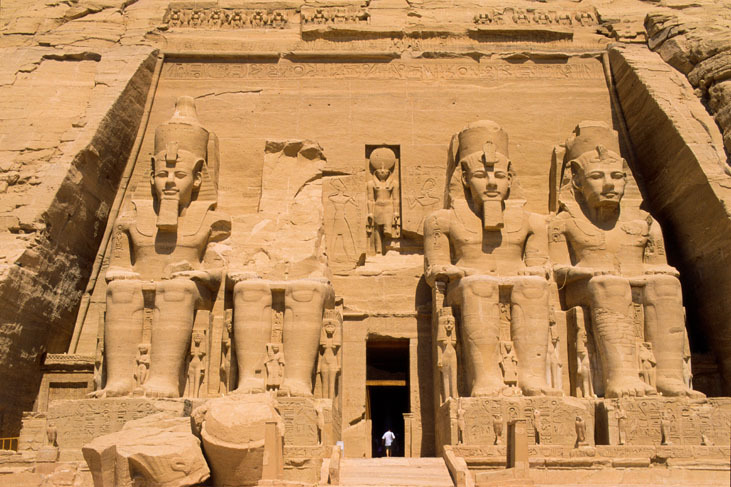
Standing at the foot of Abu Simbel and looking up at the huge statues carved into the cliffs, you can feel history all around you. These statues stand approximately 70 feet tall and depict Ramesses II, the pharaoh who sought to be remembered. He is also known as Ramesses the Great and ruled for over sixty years. Many generations of Egyptians lived through his reign. He is famous for power, ambition, and divine rule. He was a warrior who fought the Hittites at Kadesh, a diplomat who signed the first peace treaty in history, and a builder whose monuments still stand in Egypt today. Learning about Ramesses II helps you understand the greatness of ancient Egypt, as his legacy continues to influence the desert, temples, and the imaginations of people.
Early Life and Rise to Power
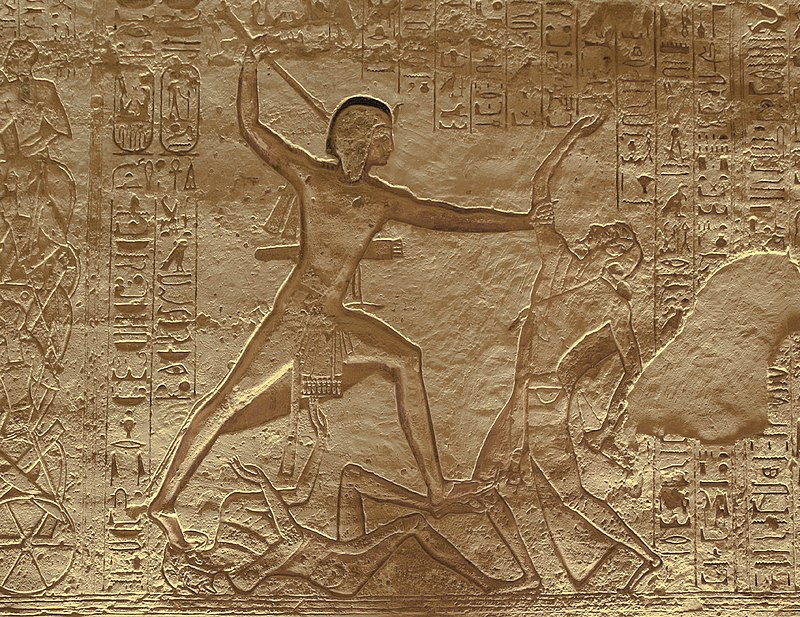
Ramesses II was born around 1303 BC to Seti I and Queen Tuya. He was prepared to rule from a young age and learned about military campaigns and temple building early on. His name means “Born of Ra, beloved of Amun,” showing his connection to Egypt’s powerful gods. By his teenage years, he was already leading troops, which showed the great responsibilities on his shoulders.
When Seti I died, Ramesses became king at about 25. His coronation included grand ceremonies, and he was given titles like User-Ma’at-Ra Setep-en-Ra, meaning “The justice of Ra is powerful, chosen of Ra.” At this time, Egypt faced threats from the Hittites and challenges in maintaining its prosperity, but Ramesses quickly showed he could lead both in battle and in government.
Luxor Tours & Activities
Looking to save some costs on your travel? Why not join a shared group tour to explore Luxor, Egypt? Here are some activities you might be interested in:
Ramesses II’s Military Campaigns
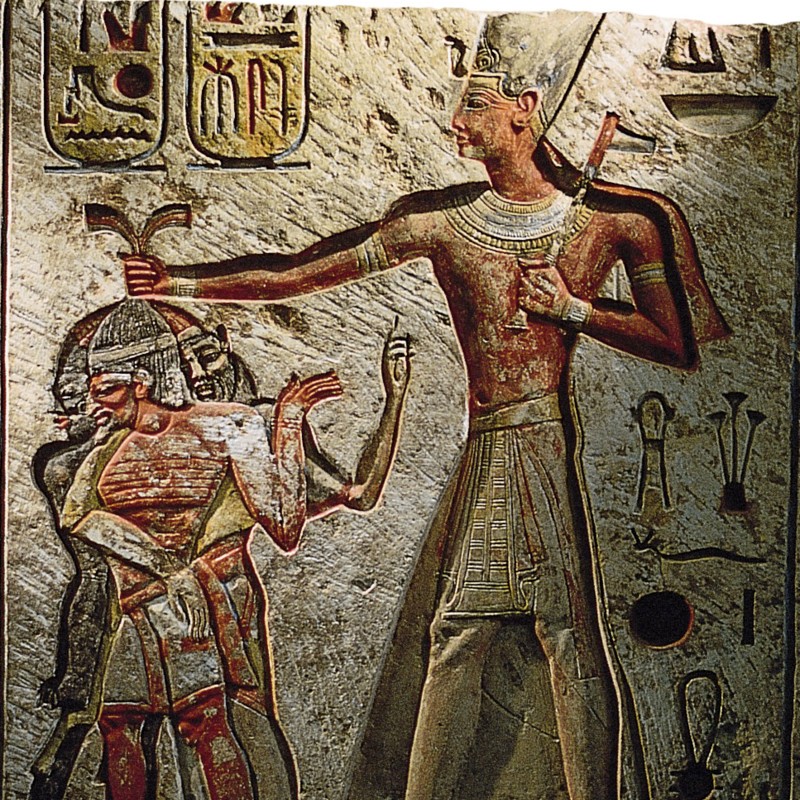
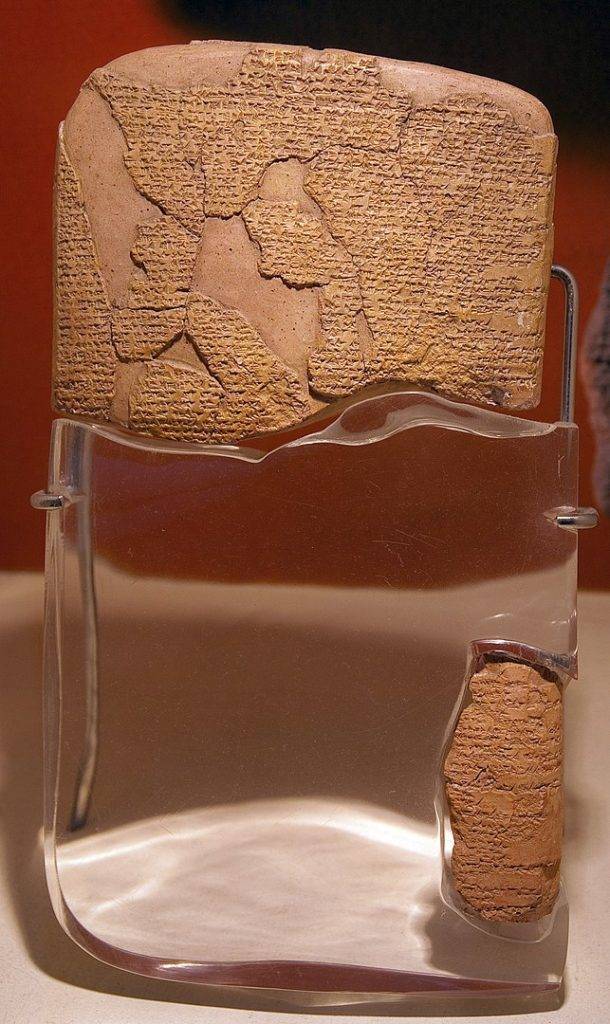
Ramesses II’s rule was known for his military strength. He led campaigns in Nubia, Libya, and the Levant. His most famous battle was the Battle of Kadesh in 1274 BC against the Hittites. This battle was one of the largest chariot fights in history. Ramesses claimed victory through inscriptions and temple carvings, but many historians believe the outcome was more of a stalemate. A significant result of this was the first recorded peace treaty in history, signed between Egypt and the Hittites, which helped ensure stability and trade for many years. This combination of propaganda and diplomacy shows Ramesses’ skill as both a warrior and a statesman.
Monumental Achievements
Ramesses II’s reign is known for its impressive architecture. His building projects were unmatched in size and ambition:
– Abu Simbel: Two massive rock-cut temples in Nubia, designed so that the sun lights up the inner sanctuary twice a year.
– The Ramesseum: His mortuary temple in Luxor, filled with huge statues and inscriptions celebrating his reign.
– Karnak Temple expansions: Additions that showed his devotion to Amun and his role as a divine ruler.
– Usurpation of monuments: Ramesses often carved his name over the works of earlier kings, ensuring that his name stood out in Egypt.
These monuments were not only religious or political statements; they also served as propaganda tools, making Ramesses appear like a living god.
Religion and Society Under Ramesses II
Ramesses II served as both king and high priest. He supported the worship of Amun and also promoted other gods, gaining wide religious support. His family life was famous: he married several queens, especially Nefertari, who is honored in a temple at Abu Simbel. He had over 100 children, creating a large royal family that helped keep his dynasty stable. Under his rule, religion, family, and politics were closely connected, strengthening his image as both a divine and human leader.
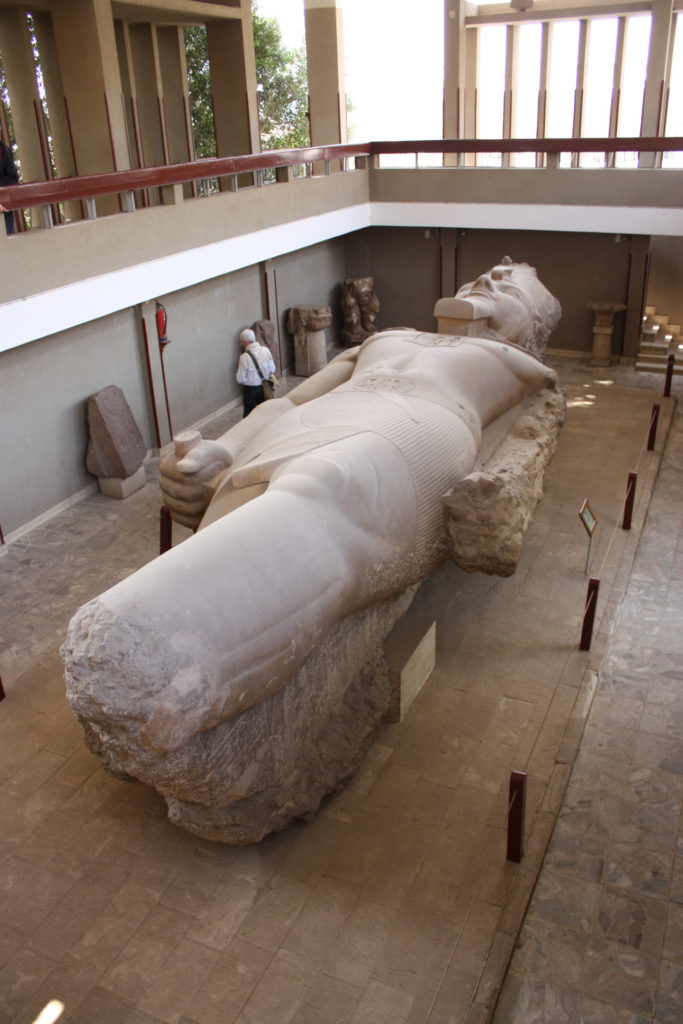
Ramesses II’s Legacy
Ramesses II’s reign brought prosperity and stability to Egypt. He celebrated many Heb-Sed festivals, which were special events held every 30 years to renew a pharaoh’s power. His long reign allowed him to leave a strong mark on Egypt’s culture, and later rulers often used his name to strengthen their own rule. His mummy, found in the 19th century, became a symbol of Egypt’s lasting heritage. In 1976, it was even sent to Paris for preservation and treated like a head of state.
Ramesses II in Popular Culture
Ramesses II is well-known outside of academic circles. Percy Bysshe Shelley wrote the poem “Ozymandias,” which depicts him as a warning about pride and the fleeting nature of power. Movies, documentaries, and exhibits often show him as the perfect pharaoh. His statues can be seen in the British Museum and other places, impressing visitors all over the world. This cultural impact makes Ramesses II more than just a historical figure; he is a global icon.

Travel Guide: Where to See Ramesses II Today
If you want to visit places connected to Ramesses II, here are some key sites:
– Abu Simbel: A UNESCO World Heritage site, moved in the 1960s to protect it from flooding caused by the Aswan High Dam.
– The Ramesseum in Luxor: Although it is partly in ruins, its giant statues and carvings are still stunning.
– Cairo’s Egyptian Museum: This museum holds its mummies and many other artifacts.
– Cleopatra’s Needle in London and New York: These obelisks have inscriptions from his time and were moved in the 19th century.
Visiting these places gives travelers a real connection to the greatness of Ramesses II’s Egypt.
Why Ramesses II Still Matters
Ramesses II’s reign marked the height of ancient Egyptian civilization. His military successes, grand buildings, and strong religious beliefs created a legacy like no other pharaoh. For people today, he symbolizes both the achievements and the eventual decline of humanity. Walking through his temples or looking at his statues brings history to life. Ramesses II is not just a figure from the past; he reminds us of our ongoing pursuit of greatness.
Got a Question?
F.A.Qs
Ramesses II, also known as Ramesses the Great, was the third pharaoh of Egypt’s 19th Dynasty. He ruled from 1279–1213 BC, making his reign one of the longest in Egyptian history. He is remembered as a warrior, builder, and diplomat who left behind some of Egypt’s most iconic monuments.
He reigned for 66 years, from 1279 BC until his death in 1213 BC, during the New Kingdom period.
The Battle of Kadesh (1274 BC) was a major clash between Egypt and the Hittites. Ramesses II claimed victory in inscriptions, but historians believe it ended in a stalemate. The aftermath led to the world’s first recorded peace treaty, signed between the two powers.
Ramesses II is credited with some of Egypt’s most spectacular monuments:
Abu Simbel temples – massive rock-cut temples in Nubia.
The Ramesseum – his mortuary temple in Luxor.
Karnak Temple expansions – reinforcing his devotion to Amun.
Numerous statues and inscriptions across Egypt, often usurping earlier works.
Ramesses II fathered over 100 children, with several principal wives including Queen Nefertari, who was immortalized in her own temple at Abu Simbel.
His mummy was discovered in the 19th century and is now housed in the National Museum of Egyptian Civilization in Cairo. In 1976, it was even flown to Paris for preservation, treated with the honors of a head of state.
He earned the title due to his long reign, military campaigns, monumental building projects, and enduring cultural impact. His legacy influenced later rulers and continues to captivate modern audiences.
Did you know that
By purchasing through our links, you support us at no additional cost.
Thank you for your support. ♥️