
Ramesses III
Egypt’s Last Great Warrior Pharaoh
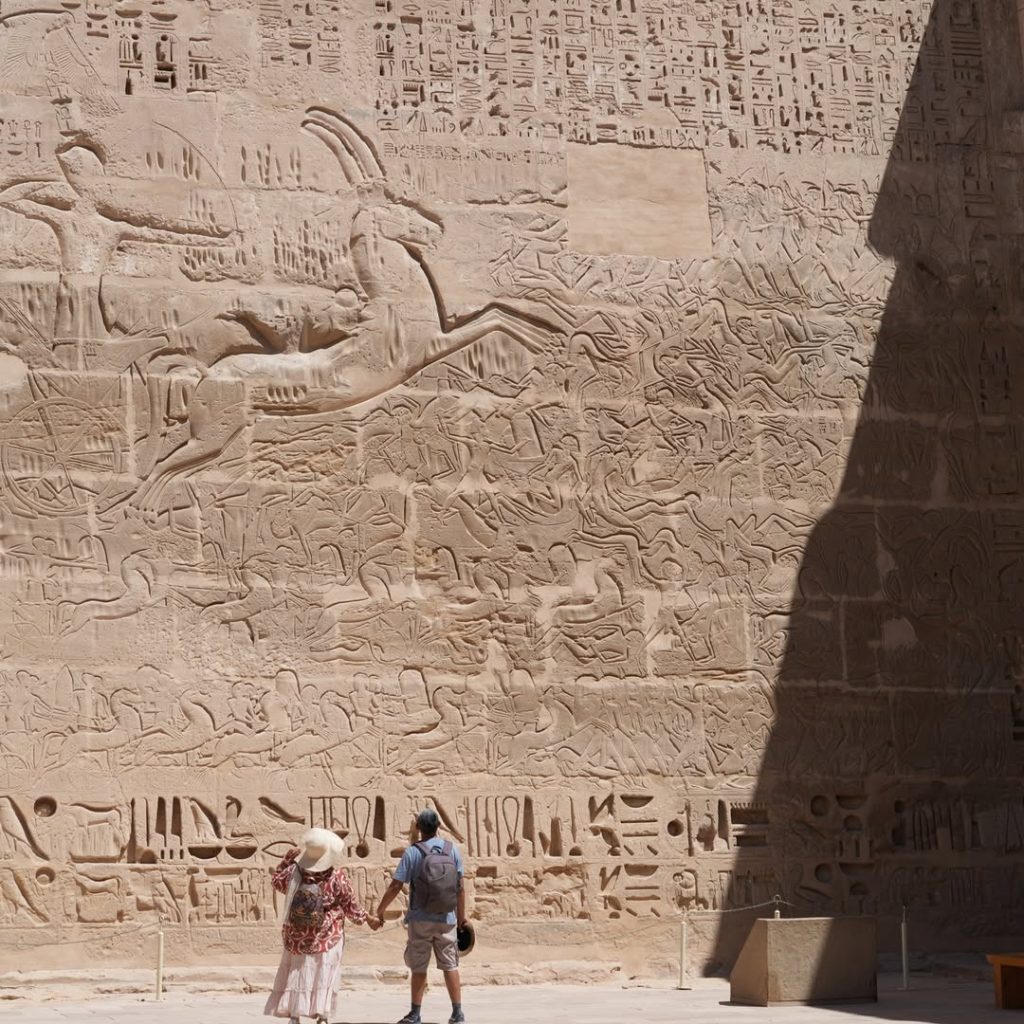
Imagine standing in front of the large walls of Medinet Habu, the mortuary temple of Ramesses III. The carved reliefs show scenes of battles and victories. These stones tell the story of a pharaoh who fought to protect Egypt’s borders and its spirit during difficult times in ancient history. Ramesses III was not a typical ruler; he was the last great warrior pharaoh. He defended against the Sea Peoples, defeated Libyan invasions, and kept Egypt strong while the rest of the ancient world faced decline. However, beneath his successes, the kingdom struggled with economic problems, corruption, and betrayal. His reign did not end peacefully but with violence, conspiracy, and murder. To learn about Ramesses III is to enter a world of both triumph and tragedy, where Egypt’s glory shone one last time before it began to fade.
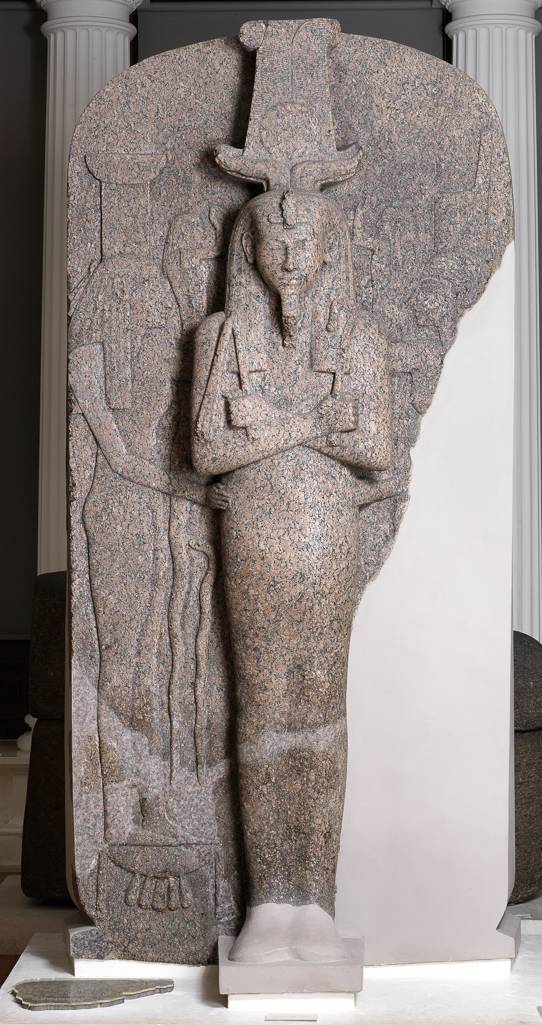
Early Life and Rise to Power
Ramesses III was the son of Setnakhte, who started the 20th Dynasty and brought stability to Egypt after a time of chaos. Born in a troubled world, Ramesses inherited a strong yet vulnerable kingdom. When he became king, he had the important job of protecting Egypt’s fading glory and keeping its borders safe while maintaining the prosperity that earlier rulers like Ramesses II achieved.
Luxor Tours & Activities
Looking to save some costs on your travel? Why not join a shared group tour to explore Luxor, Egypt? Here are some activities you might be interested in:
Military Campaigns: Defender of Egypt
Ramesses III is best known for his military campaigns that defended Egypt from strong enemies:
– The Sea Peoples: His most famous victory was at the Battle of the Delta, where he fought off the Sea Peoples, mysterious groups that tried to invade Egypt and disrupt the Mediterranean. This victory helped ensure Egypt’s survival during a time of wider crisis known as the Late Bronze Age collapse.
– Libyan Invasions: Ramesses also battled Libyan tribes that wanted to invade Egypt from the west. These fierce campaigns protected Egypt’s sovereignty.
– Other Threats: He fought against smaller groups along Egypt’s borders, further building his reputation as a warrior king.
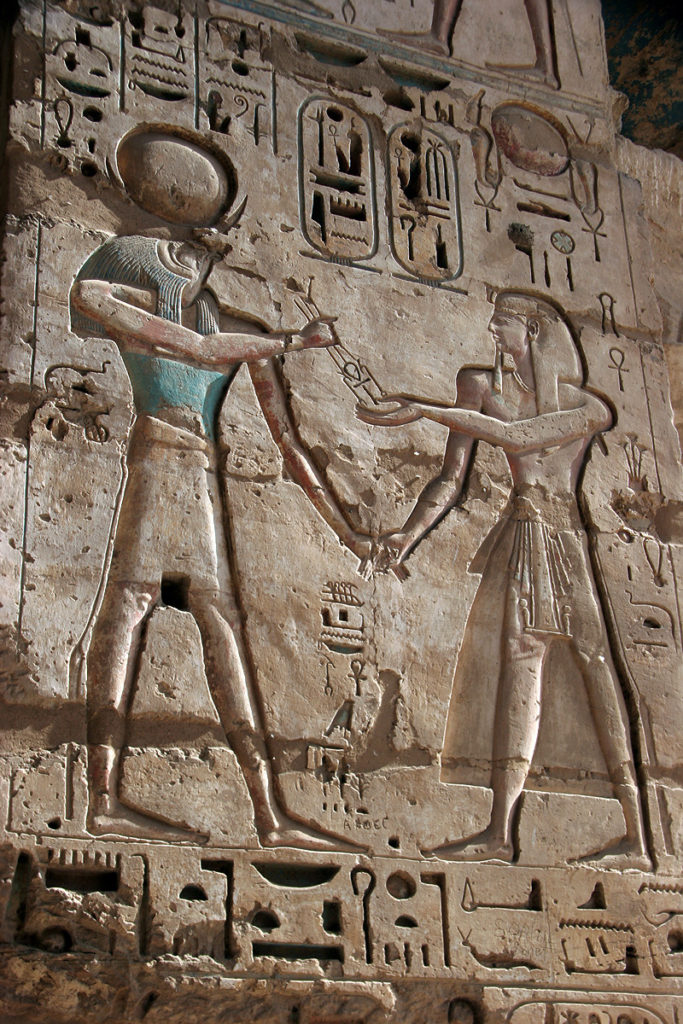
These achievements earned him the title of Egypt’s last great military leader. Inscriptions at his mortuary temple, Medinet Habu, vividly show these battles and highlight his role as Egypt’s protector.
Economic Challenges and Decline
Despite his military wins, Egypt faced serious economic problems under Ramesses III:
– Resource Depletion: Ongoing wars drained Egypt’s money and strained its farming system.
– Inflation and Corruption: There were rising prices and corruption among officials, weakening the stability of the state.
– The First Labor Strike: One notable event was the first recorded labor strike in history at Deir el-Medina. Workers building royal tombs protested because their food rations were late, showing the kingdom’s struggle to take care of its workforce.
These issues reveal a contradiction in Ramesses III’s reign: while he defended Egypt from outside threats, internal problems were growing.
The Harem Conspiracy: Palace Intrigue and Assassination
The reign of Ramesses III ended dramatically with the Harem Conspiracy.
Queen Tiye’s Plot: Tiye, a secondary wife, planned to put her son Pentawer on the throne.
Judicial Papyri: Surviving documents tell about the trials of the conspirators, including top officials and royal household members.
Forensic Evidence: Modern studies of Ramesses III’s mummy show a deep cut on his throat, confirming he was assassinated during the coup attempt.
This chilling event highlights how fragile royal power can be, even for a pharaoh known as a warrior.
Monuments and Legacy
Ramesses III left behind impressive achievements that still amaze visitors.
Medinet Habu: His mortuary temple at Thebes is one of the best-preserved in Egypt, featuring detailed reliefs of his battles and rituals.
Artistic Flourish: His reign continued the great artistic traditions of the New Kingdom, with inscriptions that show his divine role.
Symbol of Decline: However, these monuments also represent Egypt’s last grand period before many years of decline.
For travelers, Medinet Habu provides a real link to Ramesses III’s world, where victory and vulnerability exist together in stone.
Ramesses III in Modern Scholarship
Today, historians see Ramesses III as both a hero and a tragic figure.
Comparison with Ramesses II: While Ramesses II is known as “Ramesses the Great,” Ramesses III is viewed as the last pharaoh with similar power.
Late Bronze Age Collapse: His victories against the Sea Peoples are seen as crucial in delaying Egypt’s decline during a difficult time.
Dual Legacy: Scholars discuss his mixed legacy—he had military victories but faced economic decline and political betrayal.
This balanced view makes Ramesses III an important topic in discussions about Egypt’s shift from strength to weakness.
The Last Great Pharaoh
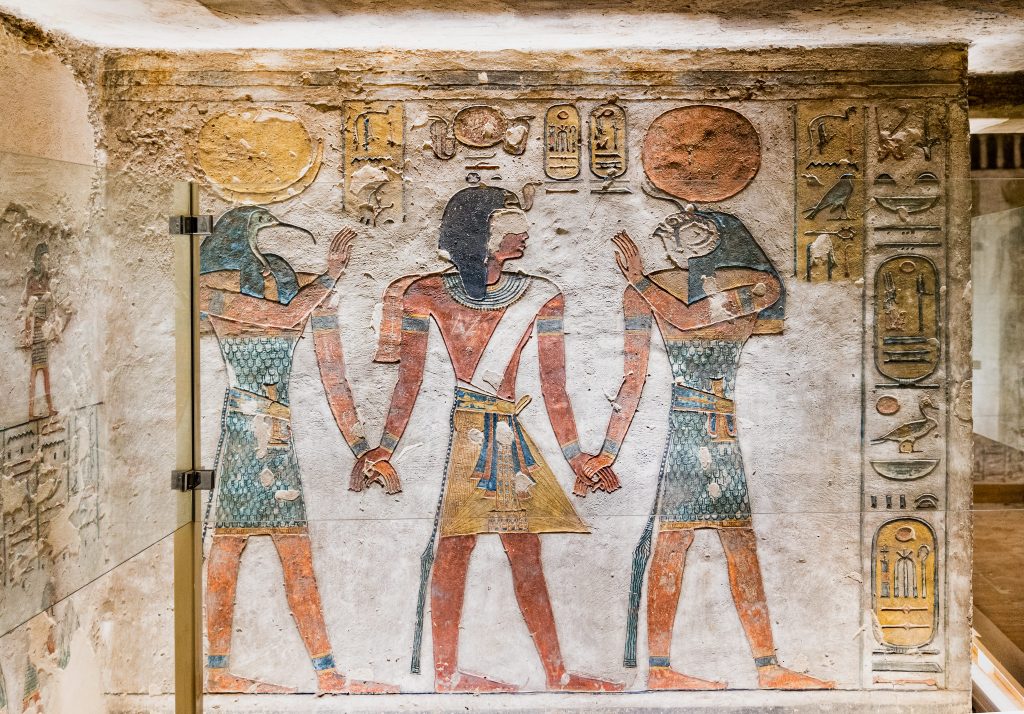
Ramesses III’s reign marks the end of Egypt’s New Kingdom. He was a warrior who defended Egypt from serious threats, yet his kingdom struggled with economic problems and internal betrayal. His assassination in the Harem Conspiracy represents a dramatic end to a reign that showed both strength and decline. Today, his monuments at Medinet Habu remind us of Egypt’s last great pharaoh—a ruler whose story still interests historians, travelers, and readers.
Got a Question?
F.A.Qs
Ramesses III was the second pharaoh of Egypt’s 20th Dynasty (c. 1186–1155 BC). He is often called the last great warrior pharaoh because of his victories against invading forces like the Sea Peoples and Libyans.
His most famous triumph was the Battle of the Delta, where he defeated the Sea Peoples. He also repelled multiple Libyan invasions, securing Egypt’s borders during a time when many civilizations in the Mediterranean were collapsing.
Although he won battles, Egypt’s economy suffered under the strain of constant warfare. Inflation, corruption, and food shortages weakened the state. The most striking evidence is the first recorded labor strike in history, which took place at Deir el-Medina.
The Harem Conspiracy was a palace coup led by Queen Tiye and her allies to assassinate Ramesses III and place her son Pentawer on the throne. Judicial papyri detail the trials of conspirators, and forensic evidence confirms the pharaoh was killed by a throat wound.
His most significant monument is the Medinet Habu temple in Thebes, which features detailed reliefs of his military victories and rituals. It remains one of Egypt’s best-preserved temples and a major attraction for visitors today.
Ramesses II, known as “Ramesses the Great,” expanded Egypt’s empire and built colossal monuments. Ramesses III, while not as expansive, is remembered as the last pharaoh to wield comparable military power before Egypt’s decline.
Did you know that
By purchasing through our links, you support us at no additional cost.
Thank you for your support. ♥️