
Thutmose II
The Enigmatic Pharaoh of Egypt’s 18th Dynasty
When we think of ancient Egypt, we often picture impressive monuments, famous queens, and powerful kings. One of these kings is Thutmose II. His reign was short, but it had a lasting effect on the 18th Dynasty. He is often seen as overshadowed by his strong wife, Hatshepsut, and his famous son, Thutmose III. Because of this, people sometimes view him as less important. However, to overlook him is to ignore the important roles that power, family ties, and stability played in helping Egypt thrive.
Thutmose II’s story demonstrates his ability to maintain order during challenging times. His reign set the stage for Egypt’s greatest era. Learning about Thutmose II helps us see the hidden connections that held Egypt’s empire together.
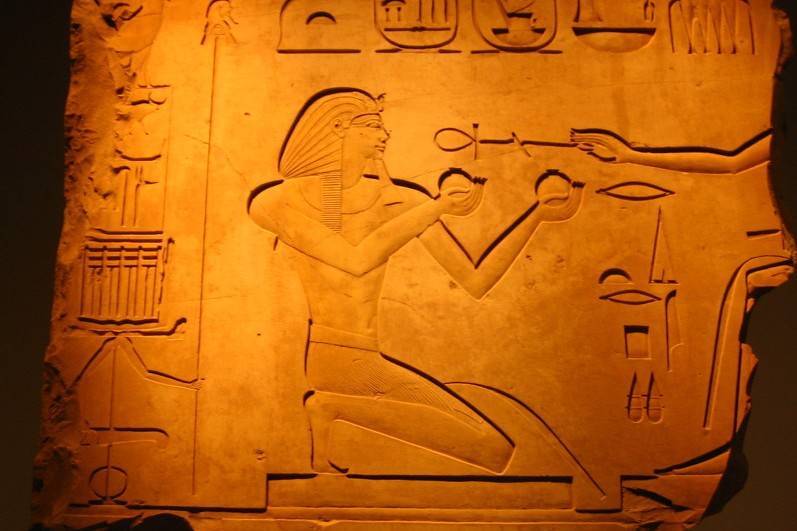
Early Life and Rise to Power
Thutmose II was born into the royal family as the son of Thutmose I and his secondary wife, Mutnofret. Unlike his half-siblings, he did not have a fully royal mother, which weakened his claim to the throne. His older brothers, Wadjmose and Amenmose, died before they could take over, making Thutmose II the next in line. The meaning of his name, “Born of Thoth,” connected him to the god of wisdom and scribes, which helped support his claim. However, his lineage meant he needed strong alliances, which he sought through marriage.
Luxor Tours & Activities
Looking to save some costs on your travel? Why not join a shared group tour to explore Luxor, Egypt? Here are some activities you might be interested in:
Marriage to Hatshepsut: Power Behind the Throne
To strengthen his claim, Thutmose II married his half-sister Hatshepsut. She was the daughter of Thutmose I and his main wife, Ahmose. This marriage was more than just a family tie; it was a smart move to gain power. Hatshepsut’s royal bloodline added continuity and legitimacy to the dynasty.
Historians discuss how much influence Hatshepsut had during Thutmose II’s reign. There is evidence that she played a major role and might have shared power with him. Later inscriptions suggest she already had authority before she officially became pharaoh after his death. Their marriage marked a significant moment in Egyptian history and set the stage for one of the most notable reigns of the ancient world.

Reign and Achievements
Thutmose II ruled Egypt for a debated period of three to thirteen years, with most experts believing it was closer to three. His reign included some important, though limited, achievements:
– Military Campaigns: Thutmose II led campaigns against Nubians to the south and Bedouin tribes in Palestine. These efforts were less extensive than those of his father or son, but they helped maintain Egypt’s power in the area.
– Architectural Contributions: Thutmose II’s building projects were smaller compared to those of other pharaohs of the 18th Dynasty. Many reliefs at Karnak and other temples carry his name, but they were later altered or expanded by Hatshepsut and Thutmose III.
– Challenges of Health: Ancient texts and studies of his mummy suggest that Thutmose II may have had health issues, which limited his ability to rule effectively. This might have allowed Hatshepsut to gain more influence.
Even with these constraints, his reign was important for keeping stability during a time of change.

Death and Succession
Thutmose II died young, possibly in his early thirties. His death put Egypt in a tough situation. His son, Thutmose III, was still a child, which allowed Hatshepsut to become regent and eventually pharaoh herself.
There is a debate about his burial. Some researchers think he was meant to be buried in KV42, but his mummy was found later in the royal cache at Deir el-Bahari. His burial plans highlight the uncertainty of his reign and the strong presence of Hatshepsut and Thutmose III.

Legacy of Thutmose II
Thutmose II’s legacy is seen as transitional rather than groundbreaking. He is often remembered more for the people around him than for his own achievements:
– Overshadowed by Hatshepsut: His wife’s reign was much more prominent, with significant temples and inscriptions that praised her rule.
– Father of Thutmose III: His son became one of Egypt’s greatest military leaders, greatly expanding the empire.
– Bridge in the Dynasty: His reign connected the accomplishments of Thutmose I with the success of Hatshepsut and Thutmose III, helping to maintain a strong dynasty during Egypt’s New Kingdom.
Modern historians see his importance as a vital link in Egypt’s history. Without Thutmose II, the rise of Hatshepsut and Thutmose III might have happened very differently.
Got a Question?
F.A.Qs
Most scholars believe Thutmose II ruled for a short period, likely between 3 and 13 years, with evidence leaning toward the shorter estimate. His reign was marked by limited building projects and modest military campaigns.
Thutmose II married his half-sister Hatshepsut, daughter of Thutmose I and Ahmose. This marriage strengthened his legitimacy, as Hatshepsut came from a fully royal bloodline.
He is remembered for:
Military expeditions against Nubians and Bedouins
Maintaining dynastic stability during a transitional period
Being the husband of Hatshepsut and father of Thutmose III, two of Egypt’s most influential rulers
His son, Thutmose III, succeeded him. However, because Thutmose III was still a child, Hatshepsut initially ruled as regent and later declared herself pharaoh.
His burial site is debated. Some evidence points to KV42 in the Valley of the Kings, though his mummy was later discovered in the royal cache at Deir el-Bahari.
Did you know that
By purchasing through our links, you support us at no additional cost.
Thank you for your support. ♥️