Tomb of Tausert and Setnakht
The Valley of the Kings is a place where walls tell stories of power, competition, and the hope of greatness. Among its many tombs, KV14—the Tomb of Tausert and Setnakht—stands out. It is not just a burial site; it represents two rulers: a queen who ruled as pharaoh and a king who took her legacy to start a new dynasty. For visitors exploring Luxor’s West Bank, KV14 provides a unique chance to experience a site that reflects both political change and artistic tradition.
Queen Tausert: The Pharaoh Who Claimed the Valley
Tausert, also known as Tawosret, started her journey as the Great Royal Wife of Seti II during the late 19th Dynasty. After Seti II died, she became the regent for the young king Siptah. When he died young, she took the throne for herself. It was a bold decision for a woman to declare herself pharaoh, especially since female rulers were rare. Her choice to build her tomb in the Valley of the Kings instead of the Valley of the Queens showed her strength and authority.
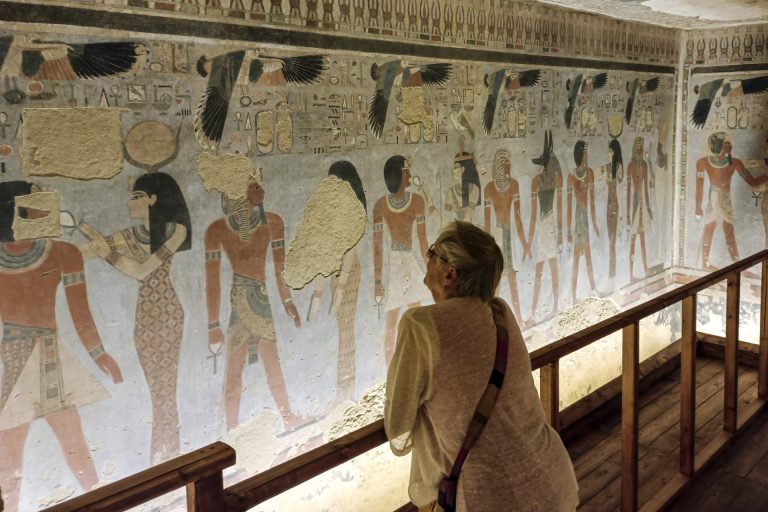
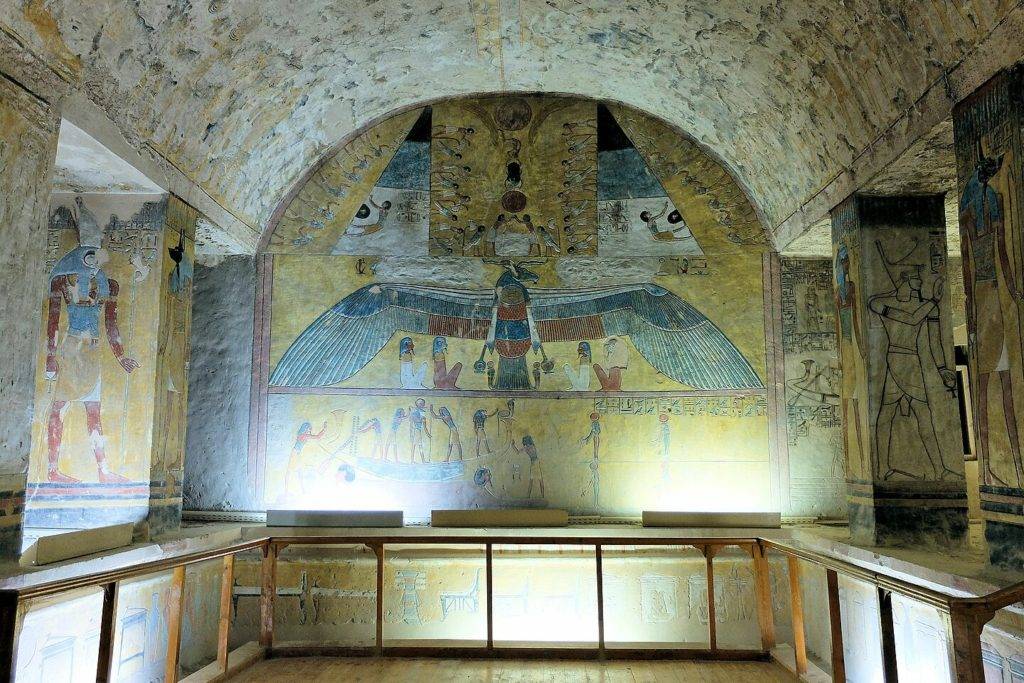
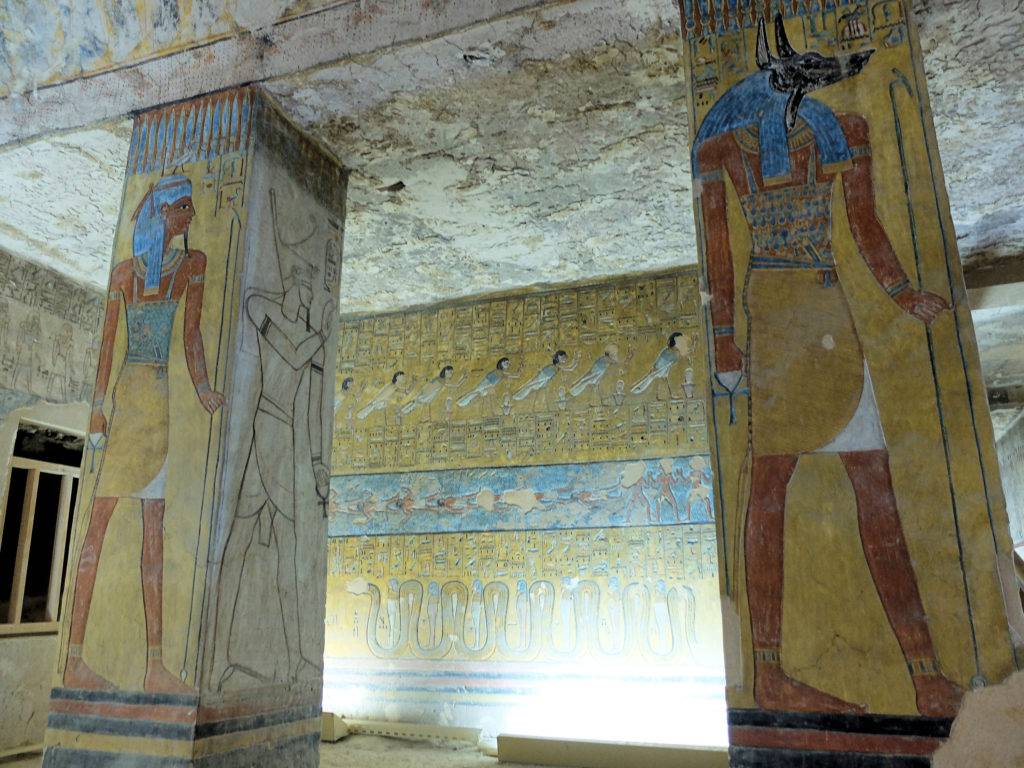
Her tomb, KV14, was designed with long corridors that led to a burial chamber. The walls featured scenes from the Book of the Dead and other funerary texts. These scenes included solar imagery and pictures of gods like Osiris and Anubis. They emphasized her claim to divine power and showed her as a ruler, not just a queen consort.
However, her reign was short, and her story continued even after her death.
Luxor Tours & Activities
Looking to save some costs on your travel? Why not join a shared group tour to explore Luxor, Egypt? Here are some activities you might be interested in:
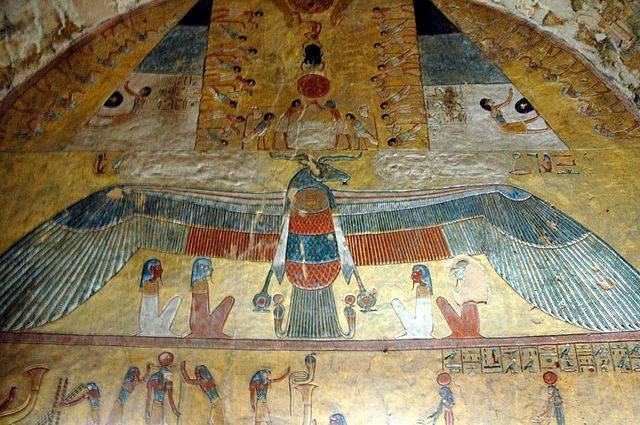
King Setnakht: Usurper and Dynasty Founder
After Tausert died, Egypt faced turmoil. From this chaos, Setnakht rose to power and founded the 20th Dynasty. His reign lasted only about three years, but it was important. He brought back order, strengthened his rule, and set the stage for his son, Ramesses III, who became one of Egypt’s last great warrior pharaohs.
Setnakht made a bold decision: he took over Tausert’s tomb. He expanded it, removed many of her images, and added his own. This move was more than practical—it was a political statement. By altering the tomb of a female pharaoh from a failing dynasty, Setnakht claimed his right to rule and highlighted the power of his new line.
Some scholars believe that Seti II may have been temporarily reburied there before being moved to KV15. If this is true, KV14 briefly contained the remains of three rulers, making it one of the most significant tombs in the Valley.
Architecture and Layout of KV14
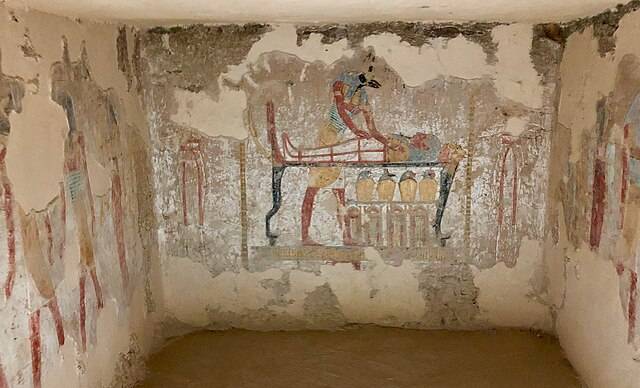
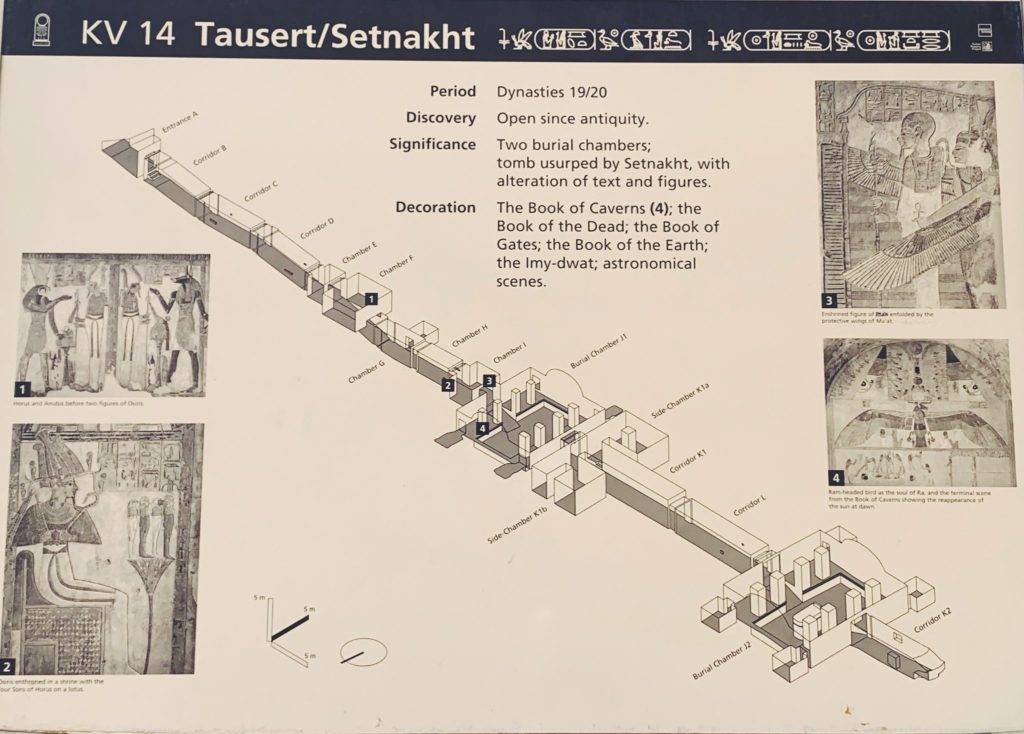
KV14 is one of the longest tombs in the Valley, measuring over 112 meters. Its design shows a unique history of being owned by two different rulers.
The original design by Tausert includes a straight layout with corridors and a burial chamber. Later, Setnakht expanded the tomb by adding more corridors and chambers, making it more complex.
KV14 has two large burial halls, named J1 and J2. This is unusual and indicates that the tomb was reused.
Today, visitors walking through KV14 can see the layers of history—how one ruler’s design was changed by another’s plans.
Wall Decorations and Symbolism
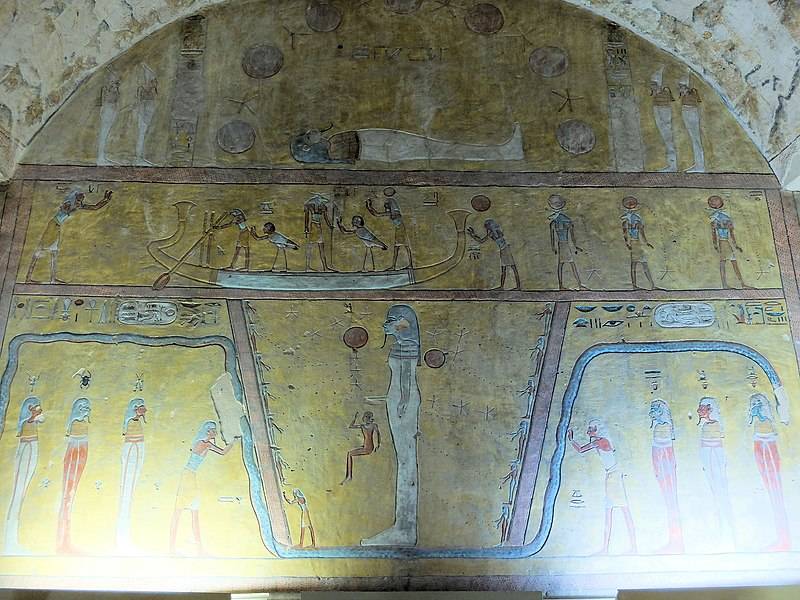
The decoration of KV14 shows a mix of the two rulers’ styles.
Tausert’s program includes:
– Scenes from the Book of the Dead and Amduat.
– Symbols like solar discs, scarabs, and protective deities.
– A focus on her power as a legitimate pharaoh.
Setnakht made changes, including:
– Covering many of Tausert’s images with his own cartouches.
– Adding new scenes that highlight his role in restoring order.
The artistic style shows the shift between the 19th and 20th Dynasties. For visitors, this means you can see history written over itself—faded outlines of Tausert’s figures underneath Setnakht’s changes.
Archaeological Discoveries and Excavations
Like many tombs in the Valley, KV14 was robbed in ancient times. This means that valuable burial items were taken, but the structure and decorations remained intact.
There is evidence that the tomb was looted multiple times in the past.
From 1983 to 1987, Hartwig Altenmüller studied the tomb in detail. He documented how it was built and the layers of decorations it had.
Today, KV14 is considered an important example of how tombs were changed and reused during periods of political change.
Visiting the Tomb of Tausert and Setnakht Today
KV14 is a great stop for travelers in the Valley of the Kings.
Opening Hours:
– Summer: 6:00 am to 5:00 pm
– Winter: 6:00 am to 4:00 pm
– Ramadan: 6:00 am to 4:00 pm
Tickets:
Prices are EGP 750 for adults and EGP 375 for students, which allows entry to three tombs of your choice.
Accessibility: KV14 is open to visitors, but access may change due to conservation work.
What to expect inside:
– Long corridors with faded but impressive wall paintings.
– Signs of changes made by Setnakht, covering Tausert’s images.
– Large burial chambers that show the scale of royal ambitions.
Travel tips:
– Visit early in the day to avoid crowds and heat.
– Bring a flashlight or use your phone’s light to see details in the dim chambers.
Why KV14 Matters in Egyptian History
KV14 is more than just another tomb; it symbolizes a transition in Egypt’s history. It marks the end of the 19th Dynasty and the start of the 20th Dynasty. The tomb tells the rare story of a woman who ruled as pharaoh. Setnakht’s use of the tomb shows how new rulers used monuments to gain legitimacy. The decorations in KV14 blend innovation with tradition, connecting the two dynasties. For historians and travelers, KV14 links to one of Egypt’s most interesting and turbulent times.
A Tomb of Power, Politics, and Legacy
The Tomb of Tausert and Setnakht (KV14) is more than just a burial site; it tells a story. It is about a queen who ruled, a king who took over her legacy, and a dynasty that changed Egypt’s future. When you visit KV14, you enter a tale of ambition, rivalry, and strength that still resonates in the Valley of the Kings.
If you plan to visit Luxor, make sure not to miss this amazing tomb. While it may not be as famous as Tutankhamun’s, its rich history makes it one of the most interesting places to see in the Valley.
Got a Question?
F.A.Qs
KV14 was originally commissioned by Queen Tausert, the last ruler of Egypt’s 19th Dynasty. It was later expanded and reused by King Setnakht, the founder of the 20th Dynasty.
It is one of the few tombs in the Valley to have been used by both a female pharaoh and a male successor. The tomb’s dual ownership makes it a rare example of political transition carved into stone.
The tomb extends over 112 meters, making it one of the longer tombs in the Valley of the Kings. It also features two burial chambers, which is unusual for royal tombs.
Yes. Like many tombs in the Valley, KV14 was plundered in ancient times. While burial goods were lost, the structure and much of the decoration survived.
Did you know that
By purchasing through our links, you support us at no additional cost.
Thank you for your support. ♥️