
Most travelers to Egypt typically stick to a familiar route: Cairo, the Pyramids, and a trip to Luxor. While this itinerary is fantastic, it overlooks one of Egypt’s most captivating cities—Alexandria. This sun‑kissed Mediterranean jewel on the northern coast deserves more attention. By using Luxor as your starting point, you can enjoy one of the most rewarding long weekend getaways in the entire region.
Getting from Luxor to Alexandria: Keep It Simple
There is no direct route from Luxor to Alexandria, so you will need to go through Cairo. Don’t worry — it’s easy to connect. You have two main options:
By Air (Recommended): You can fly from Luxor International Airport to Cairo, then from Cairo to Alexandria. The total journey takes about 2–3 hours. If you book your domestic flights in advance, they are affordable. This way, you can focus more on enjoying your destination.
By Train: You can take an overnight sleeper train from Luxor to Cairo , which takes about 10 hours. After that, you can catch a 2‑hour express train to Alexandria. This option is budget‑friendly and saves you a night of accommodation.
Pro tip: Book your Luxor‑to‑Cairo train ticket as soon as possible. Trains fill up quickly, especially on weekends. Getting a first‑class sleeper berth makes a big difference for a comfortable overnight trip.
Why Alexandria Deserves More Than a Day Trip
Alexandria was founded by Alexander the Great and has been influenced by Greek and Roman cultures, all while enjoying a pleasant Mediterranean climate. The city combines ancient history with European‑style architecture and a relaxed coastal vibe. It feels lighter, quieter, and different from the rest of Egypt.
While Luxor demands respect for its impressive pharaonic heritage, Alexandria encourages you to slow down, explore its cobblestone streets, and enjoy delicious meals by the sea. Its beaches, harbors, and sea views offer a refreshing change from Egypt’s deserts. The city has a vibrant café culture, with coastal walkways and seafood restaurants that give it a unique, cosmopolitan feel.
Many visitors only take a quick day trip to Alexandria from Cairo. Spending a long weekend there allows you to truly experience the city, and this can change your whole visit.
When Is the Best Time to Visit Alexandria?
The best time to visit Alexandria is from October to April. During these months, the weather is mild and pleasant. The Corniche has a nice breeze, making it more enjoyable to walk around the historic sites. From May to September, many Egyptians escape the intense summer heat, which causes hotel prices to rise and availability to decrease. If you can travel in the cooler months, you will enjoy comfortable sightseeing and a less crowded city.
Your Alexandria Long Weekend Itinerary: Day by Day
Day 1 — Arrive and Explore the Corniche
Arrive in Alexandria by early evening and check into your hotel along the Corniche. After settling in, take a walk along the waterfront. The Corniche is a beautiful Mediterranean promenade with coastal views and lively city scenes. Enjoy your first stroll as the sea breeze hits you and the city lights up. Have dinner at a seafood restaurant with a view of the harbor. Try grilled fish, fresh calamari, and Alexandria‑style shrimp. Go to bed early; tomorrow will be busy.
Day 2 — Discover Alexandria’s History
Start your day at the Bibliotheca Alexandrina, a modern version of the ancient world’s greatest library. This stunning library has a sun‑disc facade and holds up to 1.8 million volumes. Spend at least an hour exploring its museums and exhibitions.
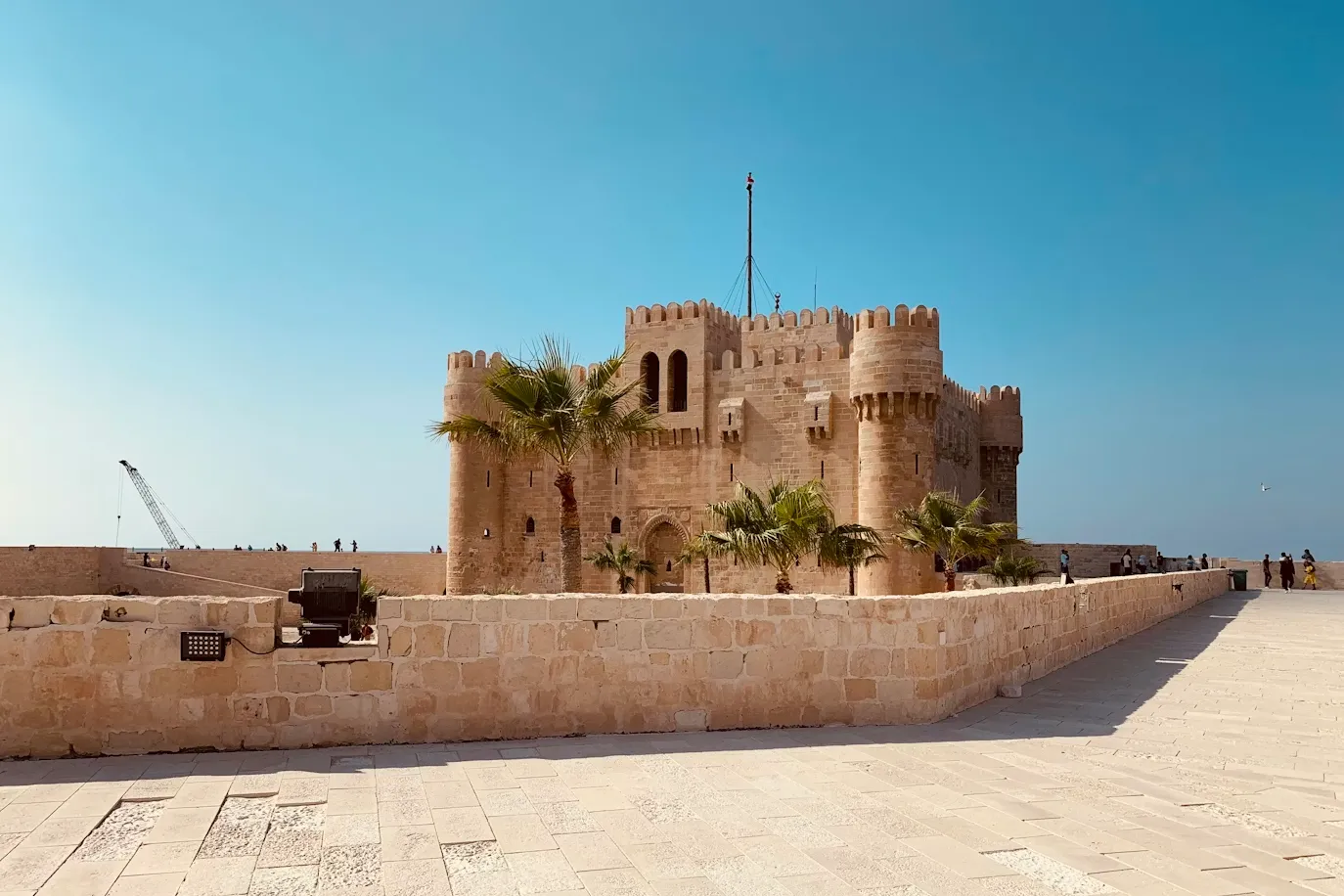
Next, go to Qaitbay Citadel, a 15th‑century fortress built on the site of the ancient Lighthouse of Alexandria, one of the Seven Wonders of the World. Walk along the fortress walls, climb the towers, and enjoy the sea views from above. The best time to visit is late afternoon for cooler weather and nice light.
After lunch, visit the Catacombs of Kom el‑Shoqafa. These 2nd‑century underground tombs mix Ancient Egyptian and Greco‑Roman styles. They are full of burial chambers and a chapel accessed by a spiral staircase. Discovered in 1900 by accident, they are eerie and unique.
End your day at the Roman Amphitheatre at Kom el‑Dikka. This small 4th‑century amphitheater has remnants of a university complex, beautiful mosaics, and Roman baths. Explore the 22 lecture halls that show Alexandria’s role as a center of ancient learning. Don’t miss the Villa of the Birds, an ancient upscale home with colorful bird mosaics.
Day 3 — Explore More and Experience Local Life
Start your morning at Pompey’s Pillar, the last remnant of the ancient Temple of Serapeum. This pillar stands 30 meters high, built during the reign of the Roman Emperor Diocletian in 297 AD. The archaeological site of Rhakotis, where Alexandria began, is also worth exploring. Spend about 30 minutes here.
Next, visit the Alexandria National Museum. It offers a well‑organized journey through the city’s history, from pharaonic times to the modern era. It is small but very informative.
For lunch, return to the Corniche for a long, leisurely seafood meal. Enjoy the local food scene that many love across Egypt.
In the afternoon, head to Montaza Palace and Gardens for a peaceful escape. The royal gardens are surrounded by palaces and greenery. This is a great spot for a walk, a quiet moment by the sea, or a picnic at sunset.
End your last evening like a local: stroll across Stanley Bridge, walk along the Corniche, and enjoy coffee at one of the historic seafront cafés. A favorite spot is alongside the Steigenberger Cecil Hotel, a vintage hotel that once hosted Agatha Christie and Winston Churchill. It’s a perfect way to wrap up your visit to Alexandria.
Practical Tips for Your Alexandria Visit
Getting around: Use Uber for a reliable and comfortable way to travel around Alexandria. Taxis are also available, but make sure to agree on a fare before getting in.
Dress code: Wear modest clothing at religious sites and cultural landmarks. This means covering your shoulders and knees.
Timing your visits: Visit the Catacombs and archaeological sites in the morning. Go to the Citadel and Corniche in the late afternoon when the light is golden and the temperature is cooler.
Guide or no guide? For places like the Catacombs and Roman Amphitheatre, hiring a local expert can help you understand what you’re seeing. You can find guides when you arrive or book one through your hotel.
Currency: Have Egyptian Pounds in cash for entry fees, street food, and small restaurants. You can easily find ATMs throughout the city.