Hatshepsut
From Queen to Pharaoh
When we think of pharaohs, we often picture men in golden crowns. However, over 3,000 years ago, Egypt was ruled by a woman named Hatshepsut. She was the daughter of Thutmose I and became pharaoh, not just a queen or regent. Hatshepsut sought to be recognized for her power, so she styled herself as “King of Upper and Lower Egypt.” She wore symbols of kingship, including the famous false beard.
Her reign was not filled with wars but with prosperity, diplomacy, and impressive monuments that we can still see today. This includes her mortuary temple at Deir el-Bahari and her famous trade expeditions to Punt. Hatshepsut showed that leadership is not limited by gender. Her story is about ambition, being forgotten, and being remembered again—a powerful reminder that true strength comes from vision and courage.

Early Life and Rise to Power
Hatshepsut was born around 1507 BCE. She was the daughter of Pharaoh Thutmose I and Queen Ahmose. As a princess in the 18th Dynasty, she grew up in the rich royal court of Egypt. She married her half-brother, Thutmose II, and became queen consort at a young age. After Thutmose II died, the throne went to his young son, Thutmose III. Hatshepsut first acted as regent, helping to guide the kingdom until the boy was old enough to rule. However, she soon became ambitious and took full pharaonic power, calling herself co-ruler of Egypt around 1473 BCE.
Her rise to power was remarkable. In ancient Egypt, women had some rights, but the throne was mostly reserved for men. Hatshepsut changed this not by rejecting tradition, but by reshaping it. She used titles and symbols of kingship, presenting herself as both queen and king, mother and ruler. This dual identity gave her legitimacy with her people.
Luxor Tours & Activities
Looking to save some costs on your travel? Why not join a shared group tour to explore Luxor, Egypt? Here are some activities you might be interested in:
Breaking Barriers: Hatshepsut as Pharaoh
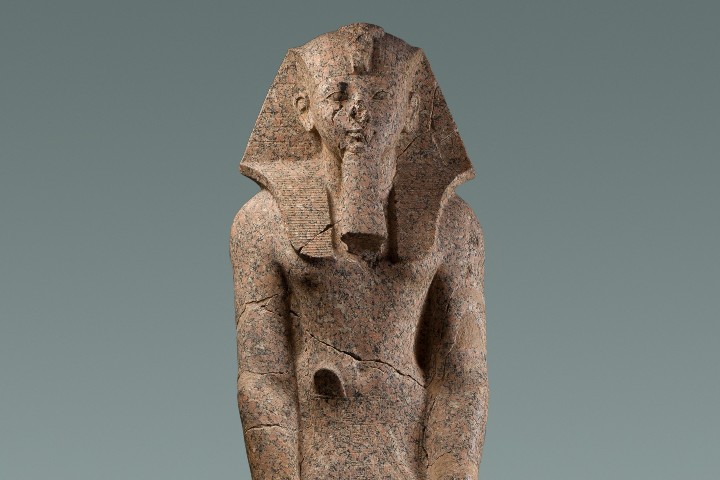
Once she became pharaoh, Hatshepsut called herself the “King of Upper and Lower Egypt.” She commissioned statues and reliefs that depicted her in male clothing, complete with the false beard of kingship. This was not a denial of her gender; it was a strategic move to fit into Egypt’s established symbols of power.
Her reign brought stability and vision. Unlike many rulers who sought fame through war, Hatshepsut focused on improving her kingdom. She strengthened Egypt’s economy, expanded trade, and invested in building projects. By presenting herself as a traditional pharaoh while redefining the role, she secured her place in history as one of Egypt’s most successful rulers.

Achievements and Legacy
Hatshepsut achieved many important things during her reign. Her most notable accomplishments include:
– Mortuary Temple at Deir el-Bahari: This is her most famous building, located in western Thebes. It features beautiful terraces, columns, and sacred spaces, built into the cliffs. It remains one of Egypt’s most recognized monuments.
– Hatshepsut’s obelisks: The tallest and most impressive in Egypt, especially the one at Karnak Temple, which still stands nearly 30 meters high. They symbolize her ambition, devotion to Amun, and her skill as a visionary builder
– Trade Expeditions to Punt: She improved Egypt’s trade by sending ships to the distant land of Punt. They brought back valuable items like gold, incense, ebony, and exotic animals. Reliefs at her temple show this journey, highlighting her vision for Egypt’s success.
– Economic Prosperity: Egypt thrived during her rule, experiencing peace and wealth. She invested in buildings, temples, and statues, marking her time as a golden age.
– Religious Contributions: Hatshepsut dedicated herself to Amun, the main god of Thebes. She built temples and shrines in his honor, strengthening her position as pharaoh.
Her reign lasted nearly twenty years, making her one of the longest-reigning female rulers in Egyptian history. She showed that leadership relies on vision and skill, not gender.

Erasure and Rediscovery
Despite her achievements, Hatshepsut’s legacy faced efforts to erase it. After her death around 1458 BCE, her stepson Thutmose III became the sole ruler. Later, he ordered her images and names to be defaced, her statues broken, and her name removed from official lists. Scholars argue over whether this was due to resentment, political reasons, or an effort to restore traditional male leadership.
For many years, Hatshepsut’s story went unnoticed. It was not until modern archaeologists uncovered her temple and writings that people recognized her reign. In 1903, her mummy was found in the Valley of the Kings, establishing her place in history. Today, she is honored as one of Egypt’s greatest leaders. Ironically, the efforts to erase her have contributed to her being rediscovered as a symbol of strength.

Visiting Hatshepsut’s Legacy Today
Travelers to Egypt can still see Hatshepsut’s greatness in person. Her temple at Deir el-Bahari, near Luxor, is a must-visit. The temple rises dramatically against the cliffs, and its terraces and colonnades show her vision of lasting glory. Inside, reliefs illustrate her divine birth, coronation, and the famous expedition to Punt.
Beyond Luxor, museums worldwide display artifacts connected to Hatshepsut. The Metropolitan Museum of Art in New York has statues of her dressed as a man, while the Egyptian Museum in Cairo shows inscriptions and items from her reign. For travelers, visiting these sites is not just about history; it’s a chance to connect with a story of ambition, innovation, and resilience.
Why Hatshepsut Matters
Hatshepsut’s reign challenges ideas about gender, leadership, and history. She showed that vision and determination can break traditions, leaving a legacy that inspires people today. Her story is not just about ancient Egypt; it addresses resilience, ambition, and the power to change roles.
Today, she reminds us that history is not set in stone. It can be forgotten, rediscovered, and reinterpreted. For travelers, historians, and dreamers, Hatshepsut’s legacy urges us to explore, question, and celebrate the stories that shape our world.
Got a Question?
F.A.Qs
Hatshepsut was Egypt’s most successful female pharaoh, ruling during the 18th Dynasty (around 1479–1458 BCE). She declared herself king and reigned for nearly two decades, overseeing prosperity, monumental building projects, and expanded trade.
She broke gender barriers by ruling as pharaoh, legitimized her reign through religious and political strategies, and left behind iconic monuments like the Temple of Deir el-Bahari.
Her most famous construction is the Mortuary Temple at Deir el-Bahari in Luxor. She also commissioned temples to Amun, obelisks at Karnak, and statues that reinforced her divine kingship.
Hatshepsut organized a legendary trade mission to Punt, bringing back incense, gold, ebony, and exotic animals. Reliefs at her temple vividly depict this voyage, highlighting Egypt’s wealth under her rule.
After her death, her successor Thutmose III ordered her images and inscriptions defaced, possibly to restore traditional male succession. Modern archaeology rediscovered her story centuries later.
Did you know that
By purchasing through our links, you support us at no additional cost.
Thank you for your support. ♥️