King Tut tomb discovery
Some discoveries change history, and some change how we think about history. When Howard Carter opened a small hole in a sealed doorway in the Valley of the Kings in November 1922, he did both. This moment was small—just one man, a candle, and a peek into a dark room—but it was also huge. He found the nearly intact tomb of the young king Tutankhamun, filled with thousands of objects that transformed Egyptology and sparked a worldwide fascination.
Who was Howard Carter, the patient, meticulous finder
Howard Carter was a trained archaeologist, not the adventurous explorer often imagined. He dedicated decades to studying Egypt’s ancient sites, prioritizing systematic recording over flashy digs. His funding came from Lord Carnarvon, the 5th Earl of Carnarvon, who supported Carter’s work in the Valley of the Kings after 1907. Without this financial backing, Carter’s meticulous search for an untouched royal tomb may not have persisted. Their partnership exemplifies the collaboration between professional archaeologists and enthusiastic patrons in early 20th-century archaeology.
Luxor Tours & Activities
Looking to save some costs on your travel? Why not join a shared group tour to explore Luxor, Egypt? Here are some activities you might be interested in:
Setting: the Valley of the Kings — why those sands kept a secret
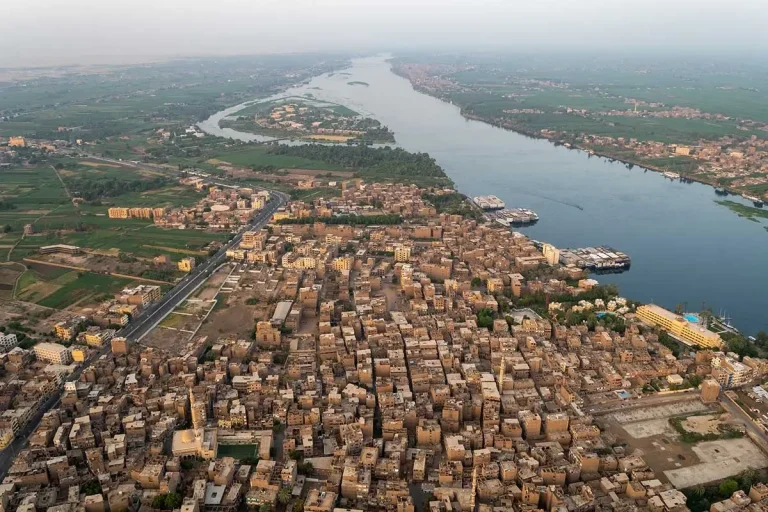
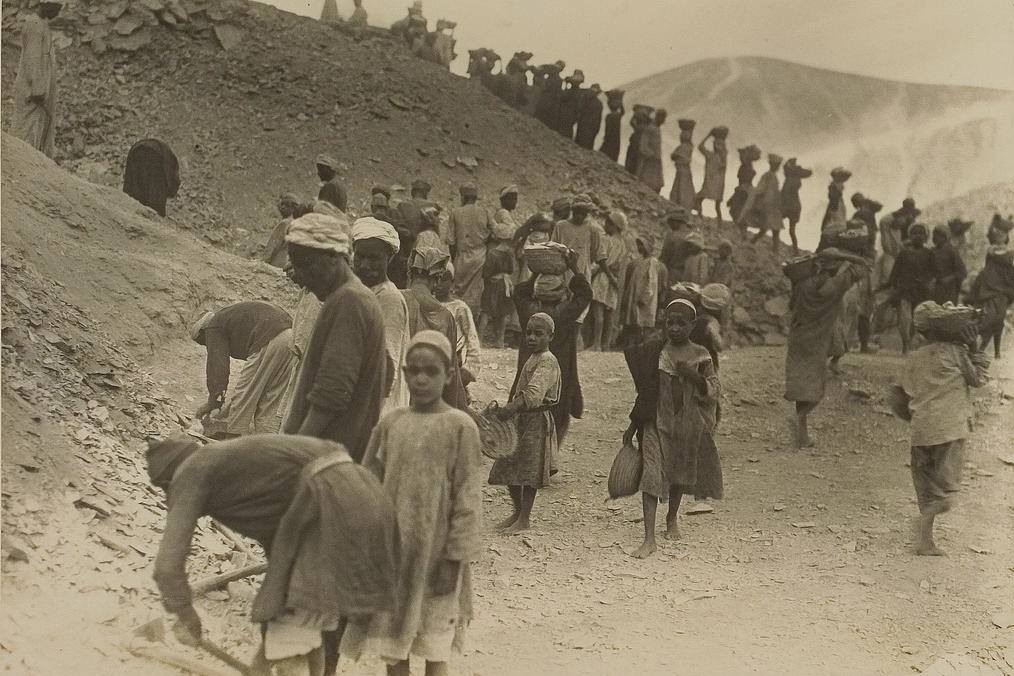
The Valley of the Kings is located on the west bank of the Nile near Luxor. This area is where New Kingdom pharaohs built tombs in the rock to protect their journeys to the afterlife. Over the years, many tombs were robbed, but some remained hidden under sand, worker huts, and later structures. The landscape helped keep these secrets. Carter’s team worked near the area of worker huts in front of Ramesses VI’s tomb, a challenging spot where later construction often covered older entrances.
Features of the Valley that helped with discovery include:
1. A dense concentration of tombs built over generations.
2. Worker infrastructure that covered and hid entrances.
3. A mix of looted and unlooted tombs, meaning a careful search could still uncover an untouched burial.
The timeline — step by step to November 1922
The discovery was not sudden; it took several careful steps over a few weeks.
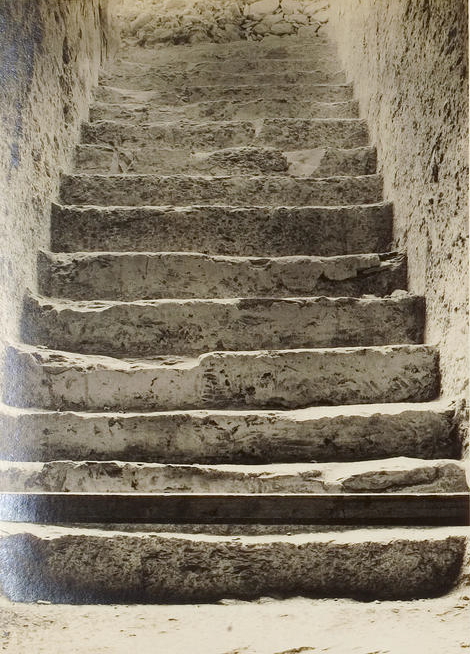
In early November 1922, Carter started work again near the worker huts and found the first step of a stairway leading down. This was the first hint, small but promising.
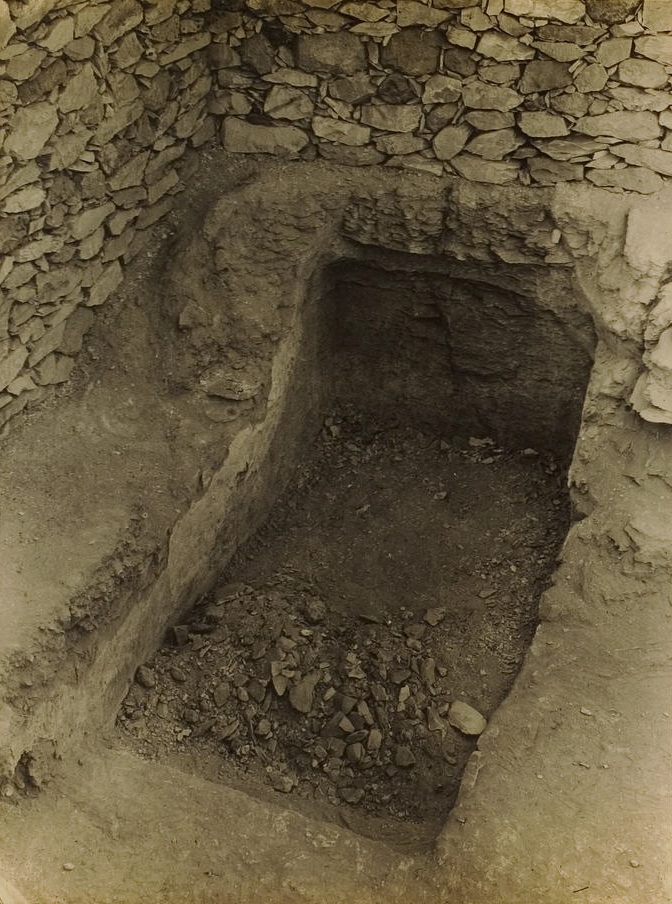
On November 4–5, 1922, more digging uncovered a sealed doorway. Carter and his team understood its significance and sealed it off for careful study.
On November 26, 1922, Carter chiseled a small hole in the sealed doorway and used a candle to look inside. Lord Carnarvon, waiting nearby, asked, “Can you see anything?” Carter replied—recorded as “Yes, wonderful things” or “Yes, it is wonderful.” This response was fitting for what lay beyond: a room full of golden, lacquered, and ornate objects. That moment became iconic: a small candle illuminating centuries of treasure.
From late November to December 1922 and beyond, Carter and his team verified, cataloged, and managed press interest. They had to balance public curiosity, oversight from Egyptian authorities, and the detailed work of documenting and removing artifacts.
This slow and careful approach—rather than a hasty grab—is part of why Carter’s excavation is a key example in archaeology.
The moment — “wonderful things” and a candle in a hole
Imagine a shallow hole in a sealed doorway. A candle shines into the darkness, and with its first flicker, you see surfaces sparkling with gold. Carter’s recorded words, “Yes, wonderful things,” capture his amazement as an archaeologist who has just discovered a nearly complete royal burial. This phrase has come to represent the discovery itself: personal, human, and a bit less dramatic than the treasures hidden behind the door.
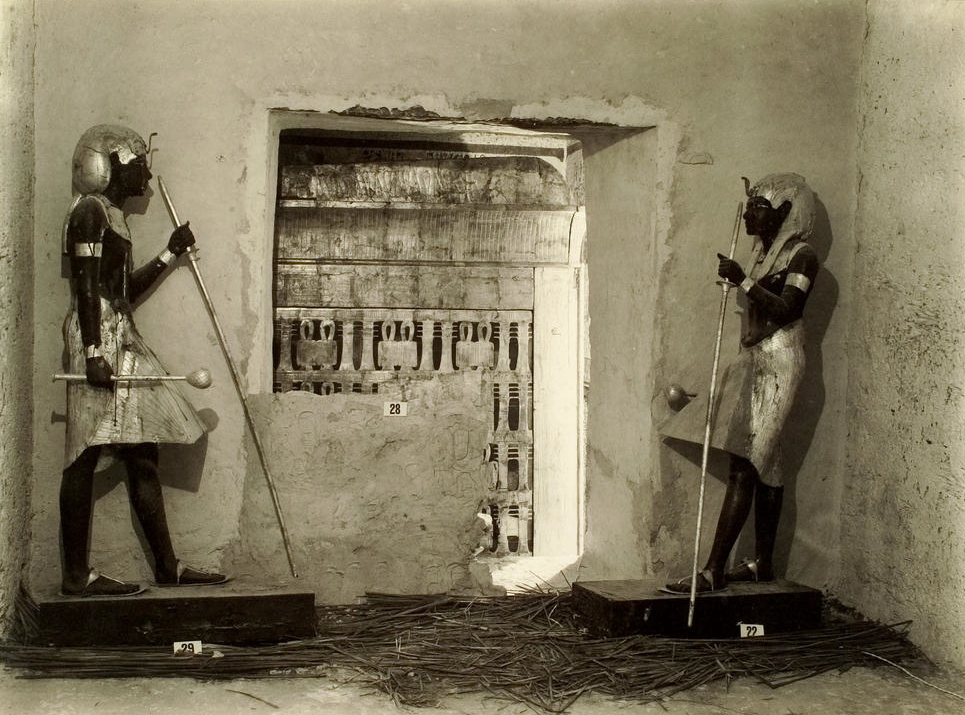
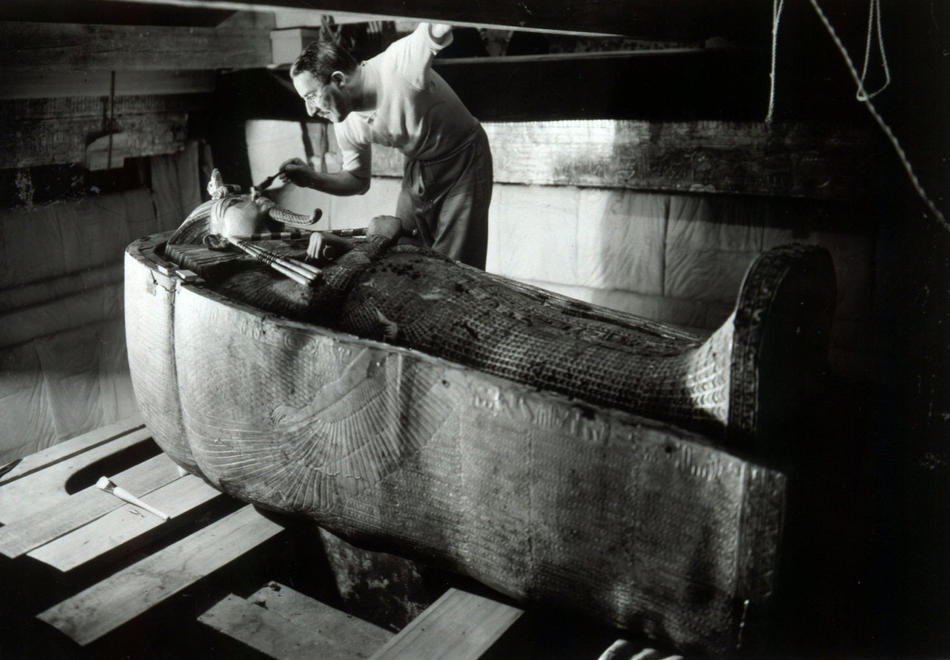
The story stands out because Carter and his team took their time. They carefully photographed the tomb before moving any items; they made lists and labeled crates. Harry Burton, the photographer from The Metropolitan Museum, documented the finds in detail. His exceptional photos set a high standard for archaeological photography and helped the public understand the tomb. Burton’s images—showing the rooms as they were found and staged photos of the items—turned artifacts into symbols and fueled global interest in the discovery.
What was found — the tomb, the rooms, the treasure
Carter discovered a small tomb by Egyptian royal standards, but its well-preserved contents made it special.
Layout
– There is an entrance stairway and corridor.
– An ante-chamber filled with furniture, chests, and votive items.
– A burial chamber with nested shrines and sarcophagi.
– Treasury rooms with chariots, weapons, and smaller items.
Highlights of the finds
– The solid-gold funerary mask of Tutankhamun, which people immediately connect with the boy king.
– Nested shrines and three coffins inside one another, ending with the gold-foiled mummy case.
– Thousands of other items, including jewelry, chariots, games, clothing, furniture, food vessels, and small statues. Museums and scholars often mention around 5,000 catalogued items from the tomb, which is an impressive number for a single burial.
The careful cataloguing and photography ensured that a complete record of the items’ original placement was preserved, even when they were shipped to Cairo and later displayed. This record continues to support conservation, interpretation, and scholarly research.
Methods, documentation, and the ethics of excavation
Carter’s approach mixed the best ideas of his time with its biases.
On the positive side:
He focused on careful documentation. He used photography and detailed notes to create one of the most complete archaeological records from early 20th-century digs.
He packed and labeled objects carefully, which helped with later cataloguing and study.
However, we need to recognize the colonial context:
A British archaeologist led the excavation, with funding from a British aristocrat. Artifacts were taken based on rules and politics that favored foreign teams and museums.
Since 1922, discussions about ownership, repatriation, and ethical treatment of cultural heritage have increased. Nowadays, museums and governments negotiate complex agreements on display, care, and repatriation.
These ethical discussions do not diminish the scientific value of Carter’s documentation, but they help us understand the discovery in terms of power, politics, and cultural property.
The “curse” and the media circus
As soon as the treasures from the tomb were revealed, sensational headlines appeared. Lord Carnarvon died in 1923 from an infected mosquito bite after surgery. This death fueled the myth of the “pharaoh’s curse.” Newspapers loved the story of explorers facing ancient curses as punishment from the past. However, historians and scientists have shown that this “curse” is a media creation and not a fact from archaeology.
No inscription of a funerary curse was found in Tutankhamun’s tomb. Most people who worked on the tomb lived many years after the discovery, and the pattern of deaths among those involved with the dig does not indicate anything supernatural.
Still, the story of the curse led to “Tutmania,” a craze that included exhibitions, fashion, films, and designs inspired by Egypt. The discoveries influenced the style of the 1920s and 1930s and gave museums a blockbuster exhibit that they still manage carefully today.
Photography and public imagination — Harry Burton’s role
The photographs created by Harry Burton are a key reason why the discovery of the tomb remains in the public’s mind. His work:
– Clearly documented rooms and individual artifacts.
– Produced striking images that appeared in magazines, newspapers, and books, enhancing the mystery and beauty of the finds.
– Set a high standard for how archaeology should be photographed, which still influences the field today.
These images are more than just illustrations; they are important historical records and cultural artifacts.
The long legacy — from scholarship to blockbuster museums
Why does this story still matter?
For Egyptology: Tutankhamun’s tomb provides important information about how kings were buried and the culture of the 18th Dynasty. Conservators and scientists study the artifacts to understand ancient materials, techniques, and daily life.
For public culture: “Tutmania” changed museums into places for both entertainment and learning. Major exhibitions, especially the famous 1970s tour in the U.S., showed how one archaeological discovery could increase museum attendance, fundraising, and exhibition design.
For ongoing research: New methods in imaging, DNA studies, and material analysis continue to reveal fresh details about Tutankhamun, his family, and the items buried with him. Recently, museums and Egyptian officials have worked together to present the complete collection to new audiences.
Got a Question?
F.A.Qs
Carter uncovered the sealed entrance in early November 1922 and famously peered into the antechamber on 26 November 1922.
The excavations were funded by Lord Carnarvon (George Herbert), whose support made Carter’s patient search possible.
Scholars typically cite around 5,000 artifacts catalogued from Tutankhamun’s tomb.
The “curse” is a popular myth amplified by press coverage; no curse inscription was found, and the deaths tied to the dig are explainable by ordinary causes.
Did you know that
By purchasing through our links, you support us at no additional cost.
Thank you for your support. ♥️