Luxor Car Rental Guide
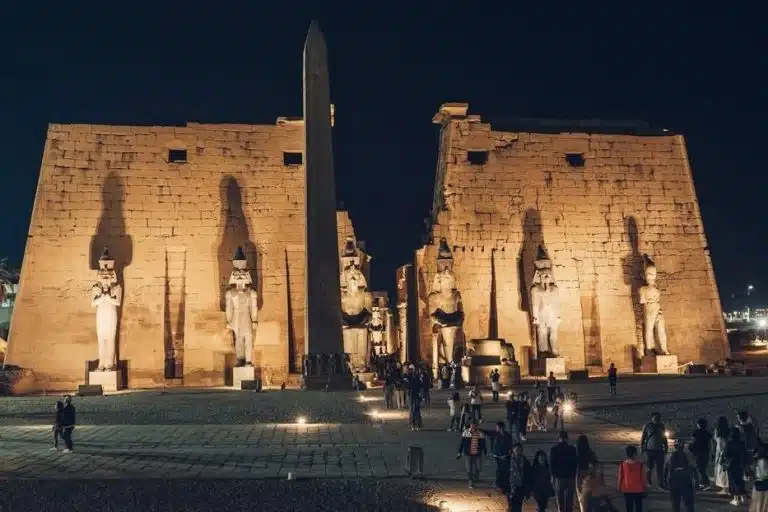
The golden light of an Egyptian sunrise hitting the Colossi of Memnon is unforgettable, but often overshadowed by crowded tour buses and lengthy negotiations with taxi drivers. In Luxor, travelers frequently ponder, “Should I have rented my own car?” The city divides into the East Bank and the mysterious West Bank, where the distance from the Valley of the Kings to your hotel can feel like a marathon. By 2026, car rental options in Luxor have expanded, but the question remains: is the freedom of driving worth it?
The Dream of Independence: Why You’d Want to Rent a Car in Luxor
Having your own car in Luxor provides unique freedom for independent travelers, allowing you to break free from the “tourist bubble.” Here are key reasons to consider renting a car:
Avoiding Crowds: Arrive at the Valley of the Kings early (6:00 AM) to explore without the crowds, unlike tour buses that come later.
No Hassle with Prices: With a rental car, you avoid the hassle of negotiating taxi fares.
Explore at Your Leisure: Spend extra time at sites like the Ramesseum or visit the Temple of Dendera on your own schedule.
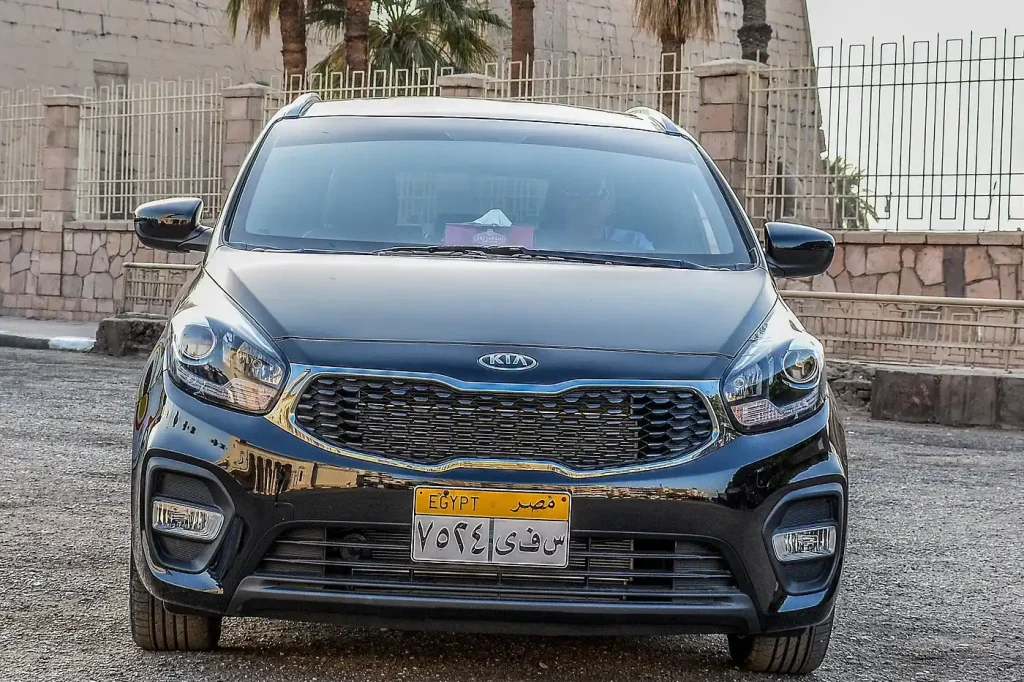
Cost-Effective for Groups: Renting a sedan for around $65 to $85 per day can be cheaper for a family of four than multiple taxis.
Convenience and Comfort: Enjoy the convenience of storage for your gear and stay cool in your own air-conditioned vehicle.
Luxor Tours & Activities
Looking to save some costs on your travel? Why not join a shared group tour to explore Luxor, Egypt? Here are some activities you might be interested in:
The Reality Check: What Driving in Egypt is Actually Like
Before you sign that rental agreement, we need to have a “real talk” session. Driving in Egypt is an Olympic sport, and Luxor—while smaller than Cairo—has its own unique set of challenges. It is a symphony of motion where the sheet music has been lost.
The Checkpoint Factor: Security is high in Upper Egypt. You will encounter police checkpoints, especially when crossing the bridge between the East and West Banks or heading toward the airport.
Stay Calm: Typically, they only need to see your license and ID.
Be Prepared: They may ask where you are going. A simple “Valley of the Kings” or “My hotel” is sufficient.
Language Barrier: Not every officer speaks fluent English, so keep your documents organized and your smile ready.
Logistics: What You Need to Rent a Car in 2026
If you plan to drive in Egypt, ensure you have the right documents:
International Driving Permit (IDP): You need the 1949 Geneva Convention IDP, not just your home country license.
Passport and Entry Visa: Rental companies will ask for copies of your passport and visa stamp.
Minimum Age: Most agencies require drivers to be at least 25; those 21 and older may incur a “young driver” fee.
Credit Card Deposit: Expect a hold of $500 to $1,000 on your credit card, released upon returning the car in good condition.
Insurance: Opt for Full Collision Damage Waiver (CDW) to avoid disputes over damages.
The Critical Safety Rule: Never Drive at Night
If you take one piece of advice from this guide, let it be this: Do not drive outside the city limits after dark. Luxor’s rural roads and highways to nearby cities often lack streetlights. You might see hidden speed bumps (mounds of dirt or asphalt), pedestrians in dark clothing walking on the shoulder, and cars driving without headlights to save battery. If you plan to arrive late at night or take a sunrise trip to Abu Simbel, hire a professional driver for that part of your journey.
The Alternative: Renting a Car With a Driver
Many travelers find that hiring a private car and driver for the day is the best way to see Luxor. In 2026, this option remains very popular.
Why choose a driver instead of a rental car?
Stress Reduction: You can enjoy the view of the Nile instead of worrying about driving.
Parking Solutions: Finding parking near Karnak Temple or the Luxor Market can be difficult. A driver will drop you off at the entrance and park the car while you explore.
Local Navigation: GPS can sometimes take you on narrow streets that are hard to navigate. A local driver knows the best routes.
Price Comparison: A private car and driver for 8 hours usually costs between $50 and $90. This depends on how well you negotiate and the distance traveled. This price is similar to renting a car but without the added stress.
Pro-Tips for Driving in Luxor
If you want to enjoy driving yourself around, follow these tips to save time and money:
Request an Automatic Car: In Egypt, cars have manual transmissions. If you’re not comfortable driving a stick shift, ask for an automatic vehicle ahead of time, as they are limited in number.
Check for a Spare Tire: Before you leave the rental lot, make sure there is a spare tire and a working jack. The roads in the West Bank can be rough, and flat tires happen often.
Fueling Up: Most rental cars in Egypt use 92-octane gasoline. When you go to a gas station (like Gaz or Misr Petroleum), tell the attendant “Ninety-two, full” (tis-aeen, faw-el). It’s common to give a tip of 5 or 10 EGP.
The “Squeeze” Technique: In Luxor, if there’s a gap, expect someone to fill it. This could be a motorcycle, a pedestrian, or another car. Keep a steady speed and avoid sudden movements.
Should You Rent?
Renting a car in Luxor can be great for some travelers, but it isn’t for everyone.
Choose to Rent a Car If: You are a confident driver with experience in heavy traffic (like in Rome, Ho Chi Minh City, or Mumbai). You are with family, have a lot of luggage, and want the freedom to explore the West Bank whenever you like.
Choose to Hire a Driver If: This is your first trip to the Middle East, you feel stressed by aggressive drivers, or you only have one or two days in the city. The cost of hiring a driver is similar to renting a car, and the peace of mind you gain is worth it.
Luxor is a city that rewards those who take charge. Whether you drive or ride with a driver, having a car is the best way to discover the secrets of the Pharaohs on your own schedule.
Got a Question?
F.A.Qs
Yes. While some rental desks might overlook it, the Egyptian police at checkpoints will not. Specifically, you need the 1949 Geneva Convention version. Driving without one can void your insurance and lead to hefty “fines” on the spot.
Most major agencies require you to be 21 years old, but drivers under 25 often face a “young driver surcharge.” For larger SUVs or premium vehicles, 25 is usually the strict minimum.
Absolutely. Agencies will place a “hold” on your credit card ranging from $500 to $1,000. Debit cards or cash deposits are rarely accepted for the security bond.
Yes, but with caveats. The drive to Hurghada (about 4 hours) is mostly a desert highway and is relatively straightforward. The drive to Aswan follows the Nile and takes about 3.5 to 4 hours.
The Golden Rule: Only drive these routes during daylight hours. Desert roads are prone to wandering livestock and unlit vehicles after dark.
Karnak and Luxor Temples: Both have designated (though often chaotic) parking areas. Expect to pay a small fee (20–50 EGP).
West Bank Sites: Most sites like the Valley of the Kings have large, paved lots. If someone helps you park or provides shade for your car with a piece of cardboard, it’s customary to tip 5–10 EGP.
Most rental sedans take 92-octane petrol (locally called benzene). In 2026, many newer fleets are moving toward 95-octane for better performance. Always confirm with the rental agent before you leave the lot.
Yes, but it’s pricey.
Did you know that
By purchasing through our links, you support us at no additional cost.
Thank you for your support. ♥️