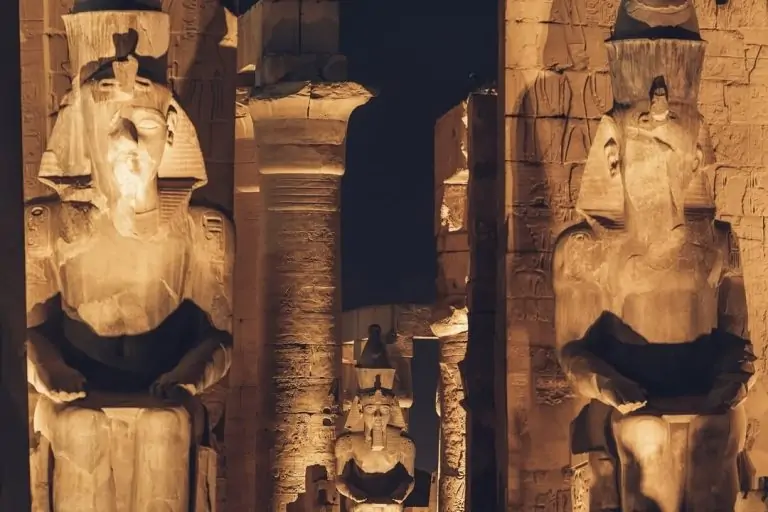
Memphis: Egypt’s First Imperial Capital Before Luxor
Standing at the edge of the Nile River, where it spreads into the rich Delta and stretches into the endless desert, we find Memphis. Long before Luxor became famous for its temples and tombs, Memphis was Egypt’s first capital—a city with “White Walls” that represented unity, power, and divine authority. Founded by Narmer, the pharaoh who united Upper and Lower Egypt, Memphis became the center of a civilization that lasted for thousands of years. Here, kings ruled, priests worshiped Ptah, and artisans created works of art that would last long after empires faded. Although time has turned Memphis into ruins, its legacy is still significant.
Strategic Location: Gateway to the Nile Delta
Memphis became successful largely because of its geography. It sits at the top of the Nile Delta and controls Egypt’s trade and communication routes. From Memphis, pharaohs could manage:
– North-south Nile traffic: This ensured that grain and goods moved smoothly between Upper and Lower Egypt.
– East-west desert routes: These connected Egypt to Sinai, Libya, and other areas.
– Military logistics: This helped secure Egypt’s borders and allowed for quick troop movements.
This strategic location made Memphis not just a capital but also a gateway to wealth, linking Egypt to trade networks in the Mediterranean and the Near East.
Luxor Tours & Activities
Looking to save some costs on your travel? Why not join a shared group tour to explore Luxor, Egypt? Here are some activities you might be interested in:
Founding of Memphis: Narmer and the Birth of a Capital
Memphis has a rich history. According to ancient tradition, Narmer, the first pharaoh, unified Upper and Lower Egypt and made Memphis his capital. The city’s name, “White Walls,” represents strength and stability. By choosing Memphis, Narmer placed his capital in a central location in Egypt, making sure that unity was both a symbol and a reality.
This founding event established centralized authority in Egypt, a system that would last for thousands of years.
Memphis as a Political and Religious Powerhouse
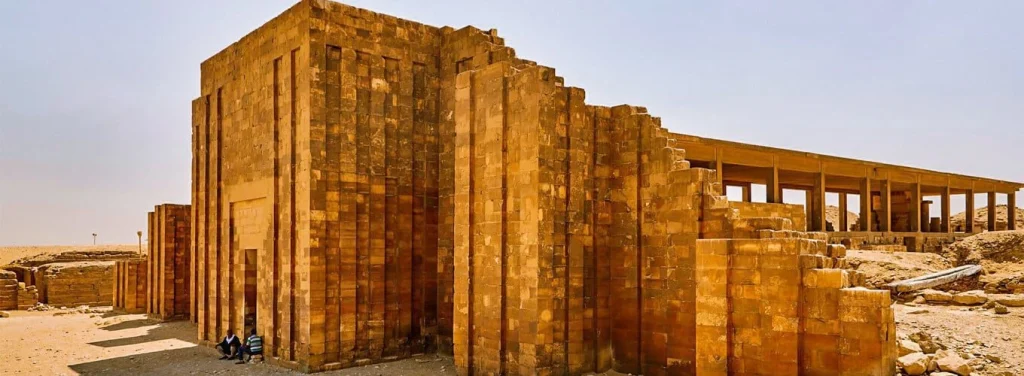
For centuries, Memphis was where Egypt’s pharaohs ruled. It was both a political and religious center. At the heart of the city was the Temple of Ptah, dedicated to the god of craftsmen and artisans. The priests of Ptah had a lot of power, and Memphis became known for its divine kingship.
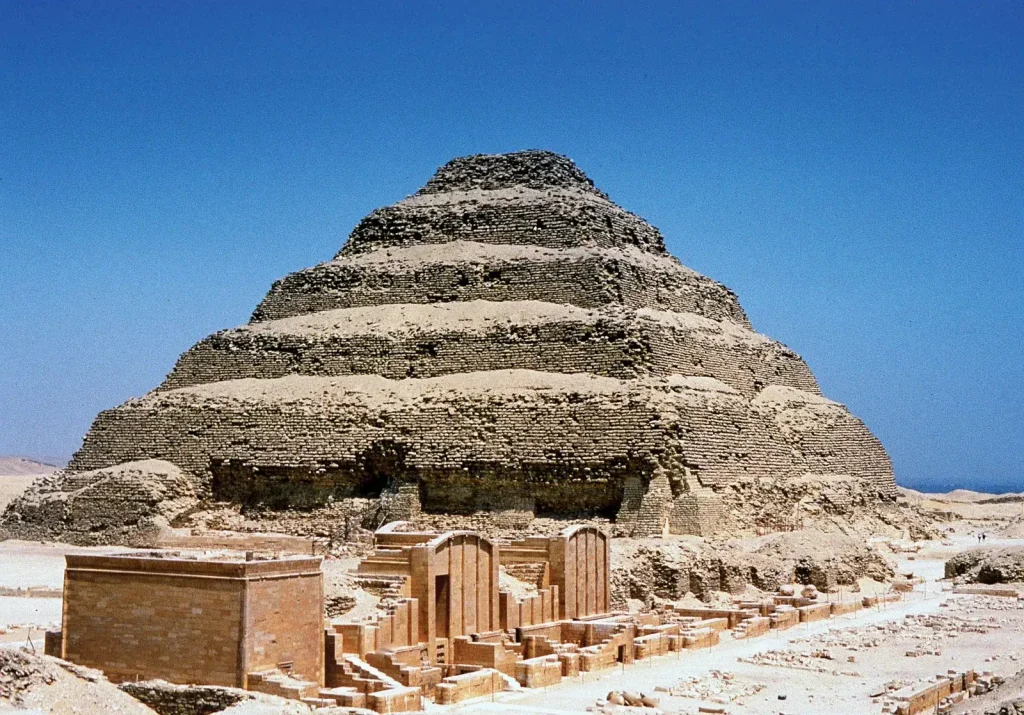
Close by was the Saqqara necropolis, which housed the Step Pyramid of Djoser, the world’s first large stone building. The pyramids of Giza, located just north of Memphis, further emphasized the city’s importance as a spiritual center for Egypt. Together, these structures formed a sacred landscape that showed Memphis as both the capital of kings and the capital of gods.
Daily Life and Economy in Ancient Memphis
Memphis was more than just temples and palaces; it was a busy city. Archaeological evidence and historical accounts show:
– Markets filled with traders from the Mediterranean.
– Docks and workshops where artisans made jewelry, statues, and tools.
– Rich agricultural produce coming from the fertile Nile Valley.
– International trade connecting Egypt to Phoenicia, Nubia, and Mesopotamia.
Memphis thrived as a city where Egyptians and foreigners interacted. Ideas exchanged freely, and wealth grew. Artisans, supported by Ptah, created outstanding works that shaped Egyptian art and architecture.
Decline of Memphis: From Glory to Ruins
No capital lasts forever. Over time, Memphis lost its importance as power moved south to Thebes (Luxor) during the Middle and New Kingdoms. Later, Alexandria became Egypt’s capital during the Hellenistic period under the Ptolemies.
Memphis declined because of a few reasons:
– Political shifts: Pharaohs preferred Luxor for its religious significance.
– Trade changes: Mediterranean trade focused on Alexandria.
– Natural sedimentation: The shifting course of the Nile buried parts of the city.
By the Greco-Roman period, Memphis was not as strong as it once was. However, it remained a place of pilgrimage and memory, respected as the birthplace of Egyptian civilization.
Memphis vs. Luxor: Two Capitals, Two Legacies
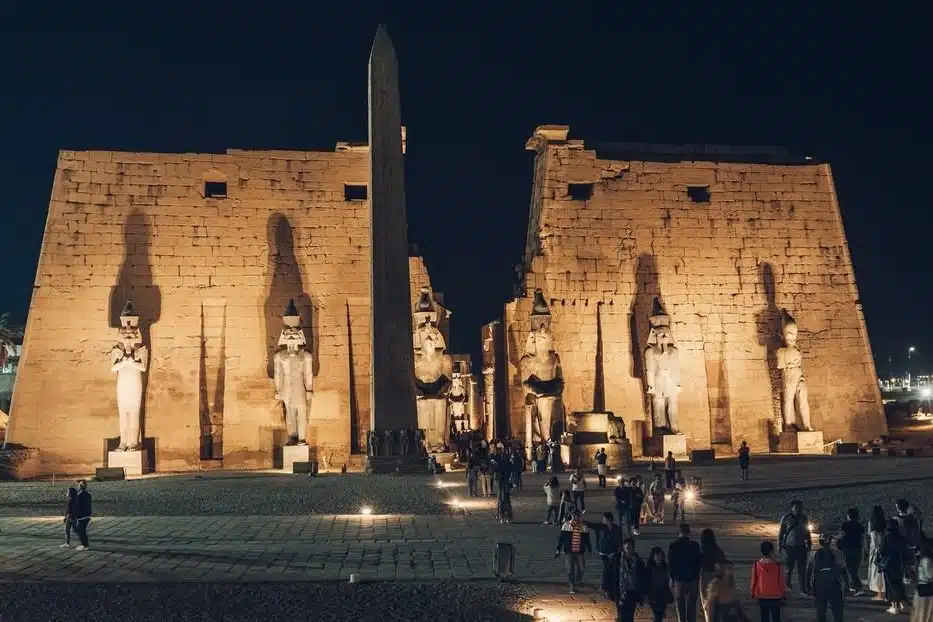
Memphis and Luxor are two important places in Egypt’s history, each with a unique story of power and culture. Memphis was Egypt’s first capital. It represented unity and control and was located at the Nile Delta, which helped manage trade, government, and military operations. This city was where Narmer ruled, home to the Temple of Ptah, and close to the Saqqara necropolis, a site where kings and skilled workers thrived under the gods’ guidance.
Centuries later, Luxor became the religious capital during the New Kingdom. It impressed the world with the Karnak Temple, the Valley of the Kings, and its role as the spiritual center of ancient Egypt. While Memphis started Egypt’s organized rule, Luxor showcased the peak of its religious and imperial power. Together, they show how Egyptian civilization grew through its capitals, creating two legacies that are connected yet different.
Memphis’ Enduring Legacy
Memphis is Egypt’s first great capital, where pharaohs built unity and worshipped gods in large temples. The city’s ruins remind us of when Egypt began its rise to an empire. Visitors can experience the early days of history, standing where Narmer once stood and witnessing the start of Egyptian civilization.
Though Memphis no longer leads armies or controls trade, its influence remains in every pyramid, temple, and story of Egypt’s lasting past.
Got a Question?
F.A.Qs
Memphis is traditionally credited to Narmer (also known as Menes), the pharaoh who unified Upper and Lower Egypt around 3100 BCE. He chose Memphis for its strategic location at the Nile Delta’s apex, making it the ideal capital for a unified kingdom.
Memphis served as Egypt’s first imperial capital, controlling trade routes, administration, and military logistics. It was also a religious center, home to the Temple of Ptah and closely linked to the Saqqara necropolis and Giza pyramids.
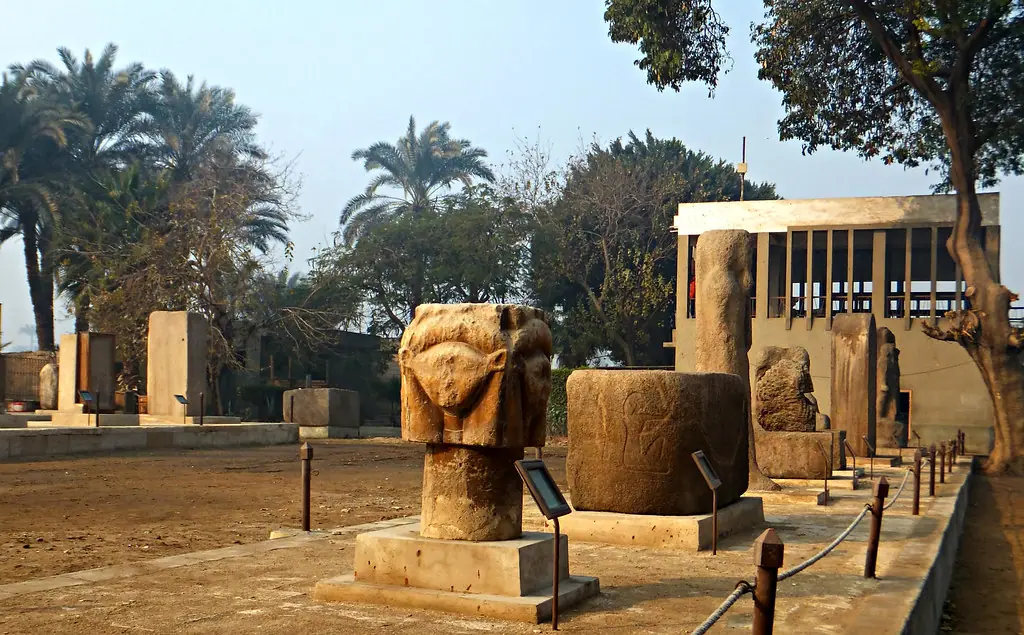
Visitors can explore the open-air museum at Mit Rahina, which features:
The colossal statue of Ramses II
The Alabaster Sphinx
Ruins of temples dedicated to Ptah Memphis is often visited alongside Saqqara and Giza, making it a key stop for travelers near Cairo.
Memphis: Egypt’s first capital, focused on political unity and trade.
Luxor: Rose later as the religious capital of the New Kingdom, famed for Karnak Temple and the Valley of the Kings. Together, they represent two distinct phases of Egyptian civilization.
Did you know that
By purchasing through our links, you support us at no additional cost.
Thank you for your support. ♥️