Tomb of Ramesses IV
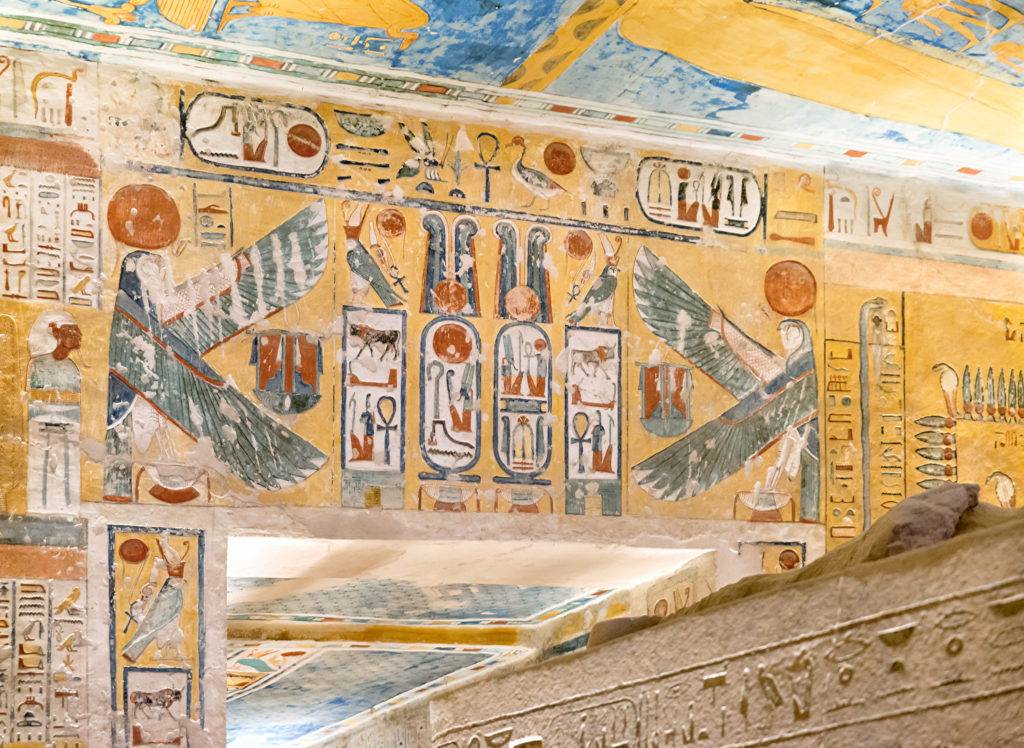
Visit the Valley of the Kings and experience a quiet place surrounded by cliffs and the feeling of ancient history. Among the famous tombs in the Theban hills, one is special not for its size but for its story: the Tomb of Ramesses IV (KV2). This tomb features straight hallways, a ceiling filled with stars, and walls decorated with gods and spells. KV2 is more than just a burial site; it’s a guide designed to help a pharaoh who ruled for a short time find his way to eternity.
Who Was Ramesses IV?
Ramesses IV ruled Egypt from about 1155 to 1149 BCE during the 20th Dynasty. He was the son of Ramesses III, who was killed in the “Harem Conspiracy.” As the fifth son, Ramesses IV was not the first choice for the throne, but the chaos in his father’s court opened the way for him to become king.
His reign lasted only six years, but he aimed to show strength through ambitious building projects. He increased the workforce at Deir el-Medina to over 120 artisans, sent expeditions to the Sinai and Eastern Desert for copper and turquoise, and commissioned temples and monuments. However, his time was limited. His reign ended suddenly, and he had to rush to complete his tomb—KV2.
Luxor Tours & Activities
Looking to save some costs on your travel? Why not join a shared group tour to explore Luxor, Egypt? Here are some activities you might be interested in:
Location and Significance of KV2
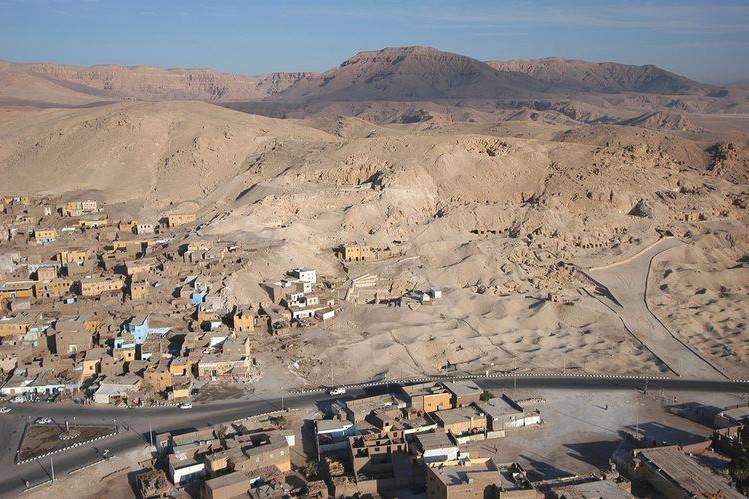
The Tomb of Ramesses IV (KV2) is in the central part of the Valley of the Kings on Luxor’s West Bank. It has a straight design, making it easier to navigate compared to the winding tombs of earlier dynasties. You can walk directly from the entrance to the burial chamber.
KV2 is important for several reasons:
– Easy Access: Its wide corridors and straight path make it one of the simplest tombs to visit in the valley.
– Historical Use: In ancient times, Greek and Roman visitors left over 650 graffiti inscriptions on its walls. Later, Coptic monks lived in the tomb. In the 19th century, explorers like Jean-François Champollion camped in it.
– Artistic Value: Despite being used for centuries, KV2 still has some of the most colorful astronomical and funerary scenes in the valley.
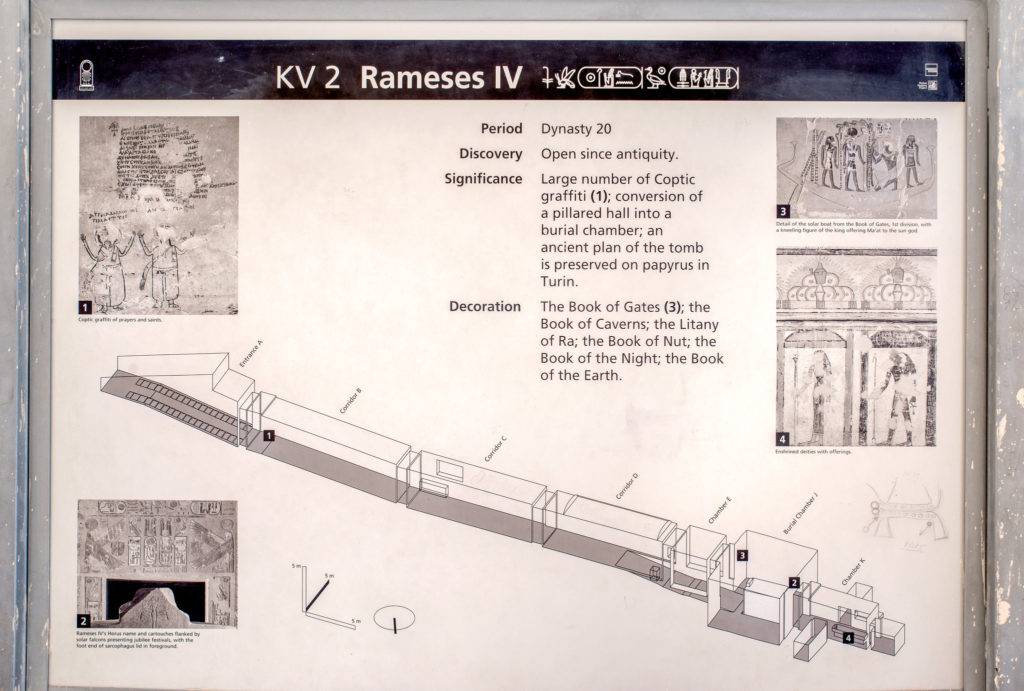
Architectural Layout of the Tomb
KV2 is about 88 meters deep into the hillside. Its design shows the New Kingdom’s focus on simplicity and efficiency. Today, visitors can explore:
– Corridors B–D: Long, gently sloping hallways with funerary texts on the walls.
– Chamber E: An antechamber with ceilings painted like the stars.
– Burial Chamber J: The largest room, featuring a vaulted ceiling with astronomical designs and a granite sarcophagus.
– Corridor K and side rooms (Ka–Kc): Smaller spaces that were used for funerary items.
The straightforward layout of KV2 makes it less intimidating than deeper tombs like KV34 (Thutmose III) and easier for visitors of all ages to access.
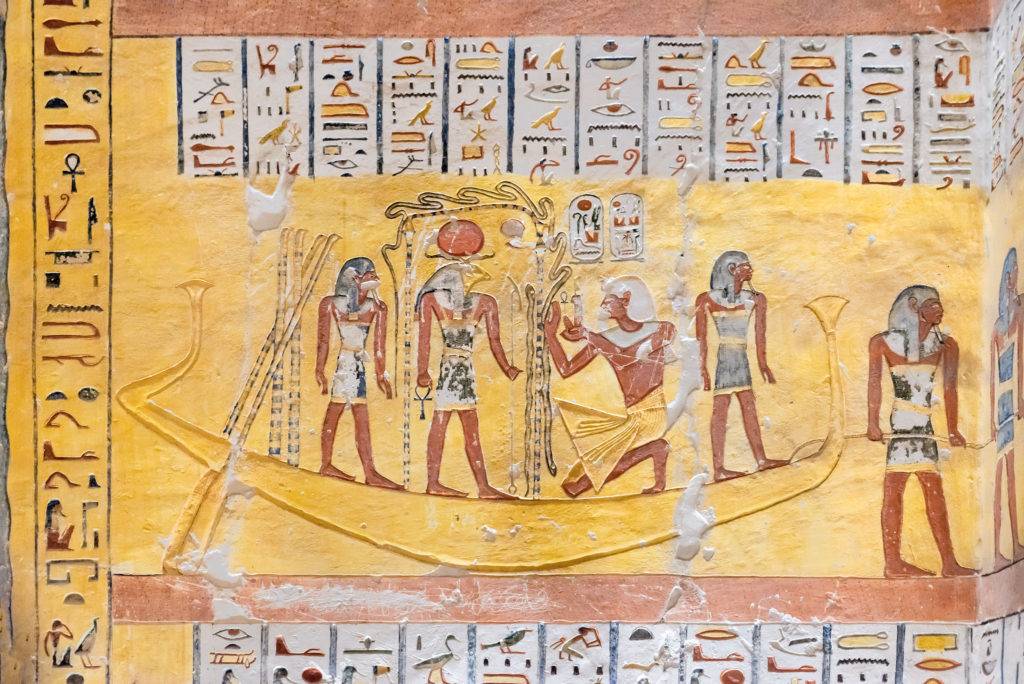
Wall Decorations and Symbolism
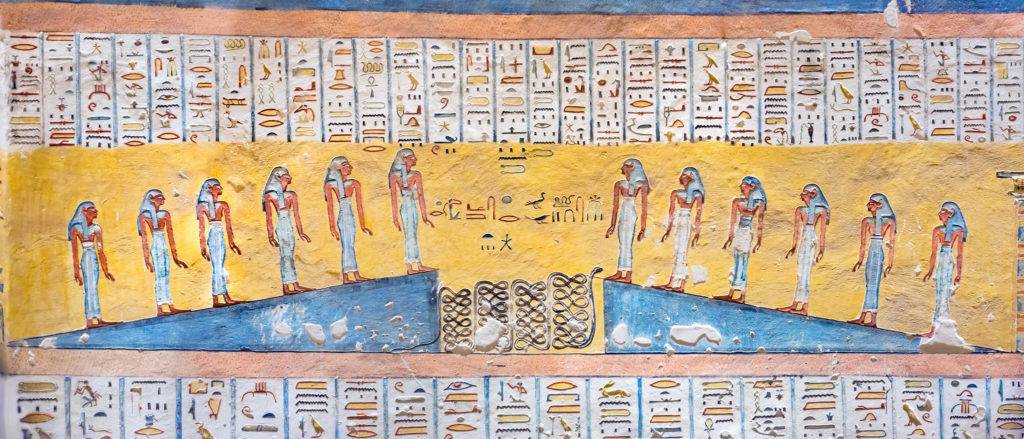
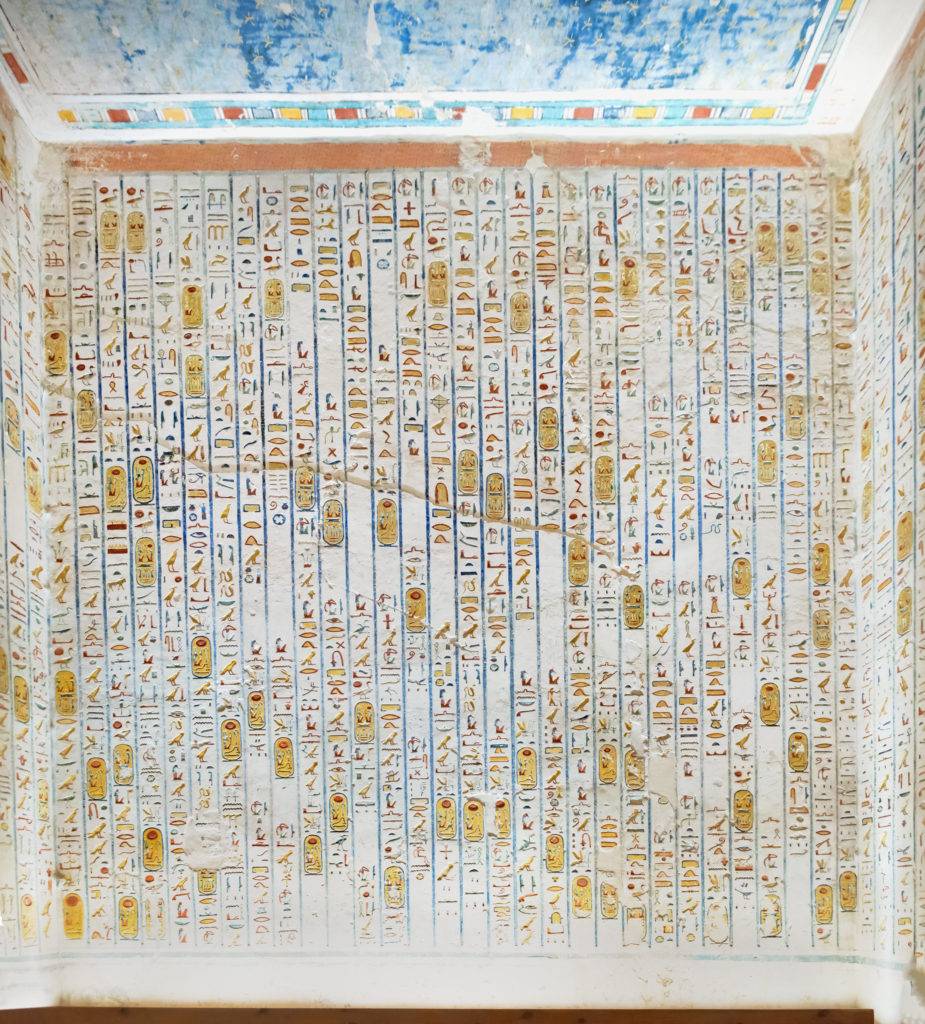
The walls of KV2 are like a library about the afterlife. They display important texts and pictures from Egypt’s funerary books.
– The Litany of Ra is found in the entrance corridors and honors the many forms of the sun god.
– The Book of Caverns shows the sun’s journey through the underworld at night.
– The Book of the Dead contains spells that protect the pharaoh’s soul.
– The Book of Nut is unusual and depicts the sky goddess arched across the ceiling, swallowing the sun every evening and giving birth to it each morning.
KV2’s burial chamber features an impressive astronomical ceiling. It is painted deep blue and displays constellations, deities, and celestial boats carrying the sun. For ancient Egyptians, this ceiling was not just decoration; it served as a cosmic map, ensuring Ramesses IV’s eternal rebirth with the sun god Ra.
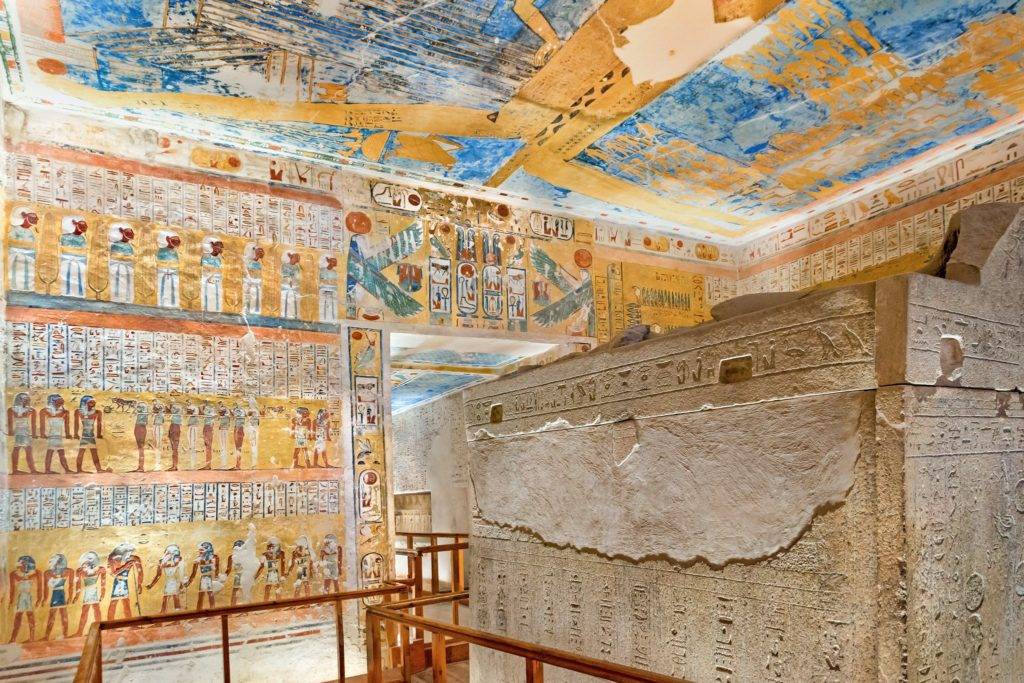
The Burial Chamber and Sarcophagus
The burial chamber is the main part of KV2. A large red granite sarcophagus, about 3.5 meters long, used to be here. Although it is now broken, its pieces show carvings of protective deities and spells written in hieroglyphs. Inside, it had decorations with scenes from the Book of the Earth, helping the king through the underworld.
Ramesses IV’s mummy was not found here. Like many royal mummies, it was moved long ago to a safe place (KV35) to protect it from tomb robbers. Today, the empty chamber still shows the greatness of a king who wanted to live forever, even as his dynasty declined.
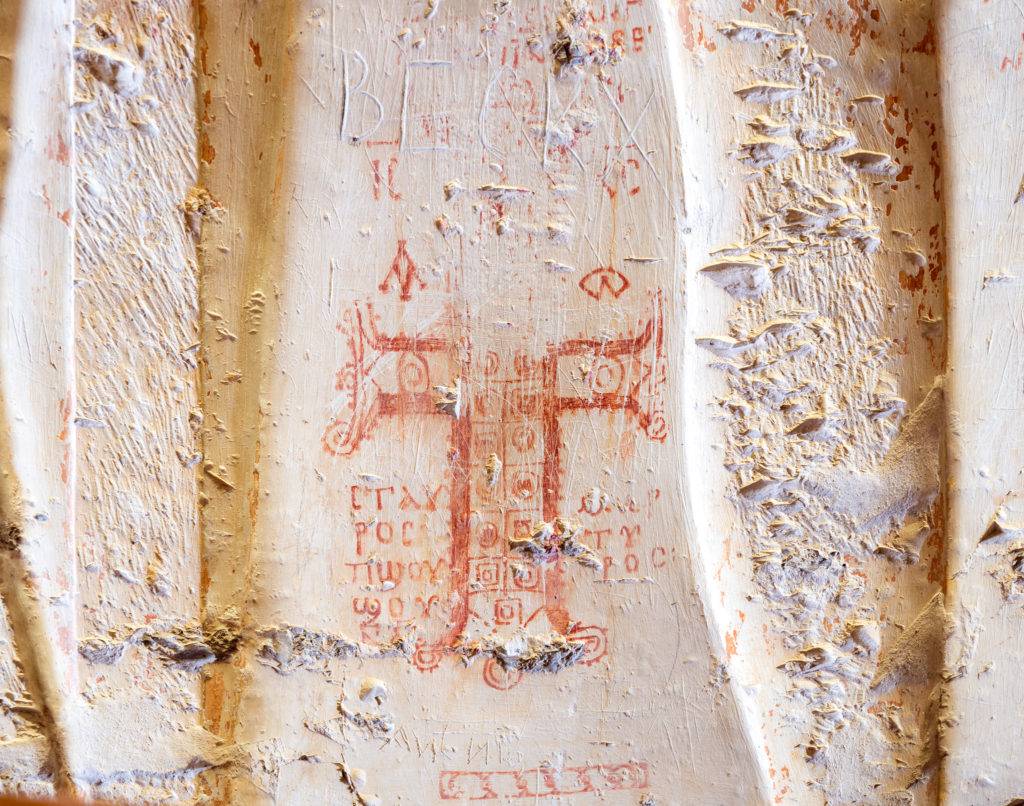
Discovery, Exploration, and Preservation
KV2 has been known since ancient times. Tourists in the past wrote graffiti in Greek, Latin, and Coptic, and some of it remains today.
In the modern era:
– 19th-century explorers like Champollion, who broke the code of hieroglyphs, used KV2 as a base for their journeys. Richard Lepsius, a German Egyptologist, studied it in detail.
– With over 650 inscriptions, KV2 is one of the most “written-on” tombs in the valley, providing valuable insight into ancient and medieval visitors.
Today, KV2 faces many challenges, such as humidity, heavy visitor traffic, and natural decay. Conservation efforts aim to stabilize the paintings and manage access to the site.
Visiting the Tomb Today: Practical Travel Guide
For modern travelers, KV2 is one of the best tombs to visit in the Valley of the Kings. Here’s what you need to know:
Opening Hours:
– Summer: 6:00 am to 5:00 pm
– Winter: 6:00 am to 4:00 pm
– Ramadan: 6:00 am to 4:00 pm
– Location: KV2 is in the Central Valley of the Kings and is easy to reach from the main visitor path.
– Tickets: Your standard Valley of the Kings ticket includes entry to KV2 and typically covers three tombs of your choice. Prices are EGP 750 for adults and EGP 375 for students.
– Accessibility: The tomb has straight, wide corridors, making it easier to navigate than steeper tombs like KV34.
Why KV2 Should Be on Your Itinerary
KV2 may not be as famous as Tutankhamun’s tomb or as large as Seti I’s, but it has some great features.
First, it has a striking astronomical ceiling, which is fascinating for those interested in ancient Egyptian astronomy.
Second, it is easy to access, making it perfect for families, older travelers, or anyone with limited time.
Third, the graffiti and reuse of the tomb show the experiences of visitors over the centuries.
Finally, KV2 offers impressive decorations in a manageable size, so it feels less overwhelming than larger tombs.
For anyone looking to enjoy a mix of history, art, and accessibility, KV2 is a must-see.
Got a Question?
F.A.Qs
KV9 is renowned for its astronomical ceiling, richly decorated walls, and remarkably preserved colors. It contains some of the most complete examples of funerary texts, including the Book of Gates, Book of Caverns, and Book of the Amduat.
The tomb lies in the Valley of the Kings on Luxor’s West Bank, directly above the famous Tomb of Tutankhamun (KV62).
The burial chamber features a celestial ceiling depicting the sky goddess Nut, star maps, and cosmic cycles of death and rebirth. It is considered one of the most beautiful chambers in the entire Valley of the Kings.
Did you know that
By purchasing through our links, you support us at no additional cost.
Thank you for your support. ♥️