
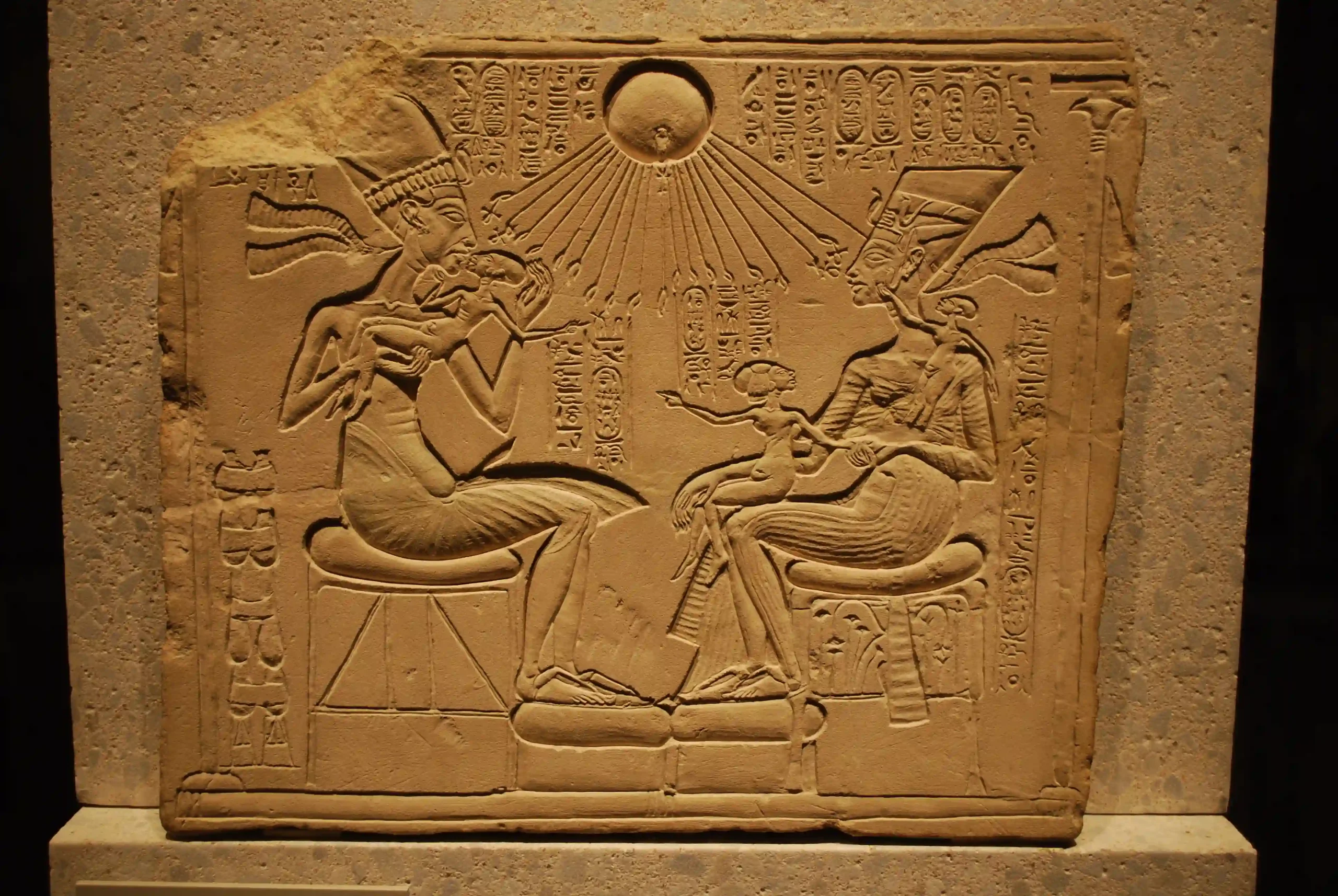
Imagine a city built quickly from bare desert sand, complete with temples, palaces, and wide roads—all appearing in less than ten years. Now, picture that same city abandoned just as quickly, its name erased from the walls of monuments across Egypt, and its king removed from the list of pharaohs as if he had never existed. This is the story of the Amarna Period, a remarkable and controversial time in human history.
Ancient Egypt Before the Storm
To grasp how different the Amarna Period was, we need to understand Egypt before it happened. Under Pharaoh Amenhotep III, Egypt experienced great wealth and reached a high point in its art and power. The empire was prosperous, the temples were grand, and the priesthood of Amun in Thebes had grown so powerful that it almost matched the pharaoh himself. Into this golden age, a young prince was born who would change everything.
Who Was Akhenaten? Meet the Heretic Pharaoh
Akhenaten was born around 1353 BC to Pharaoh Amenhotep III and Queen Tiye. He became king at a young age after his father’s death and ruled for about 17 years. In the early years of his reign, he followed traditional practices—then, in a surprising move, everything changed. In the fifth year of his reign, Amenhotep IV changed his name to Akhenaten, which means “he who is effective on the Aten’s behalf.” This name change was not just for show. By declaring Aten as the only god, Akhenaten positioned himself as the supreme ruler. His changes to religion were bold and met with resistance, but effectively weakened other sources of power. The priests who had held wealth and influence for centuries lost both nearly overnight. Was Akhenaten genuinely convinced of his beliefs, or was it a strategic move? Historians continue to debate this. What is clear is that the outcome was unprecedented in Egypt’s history.
Atenism: The First Monotheism?
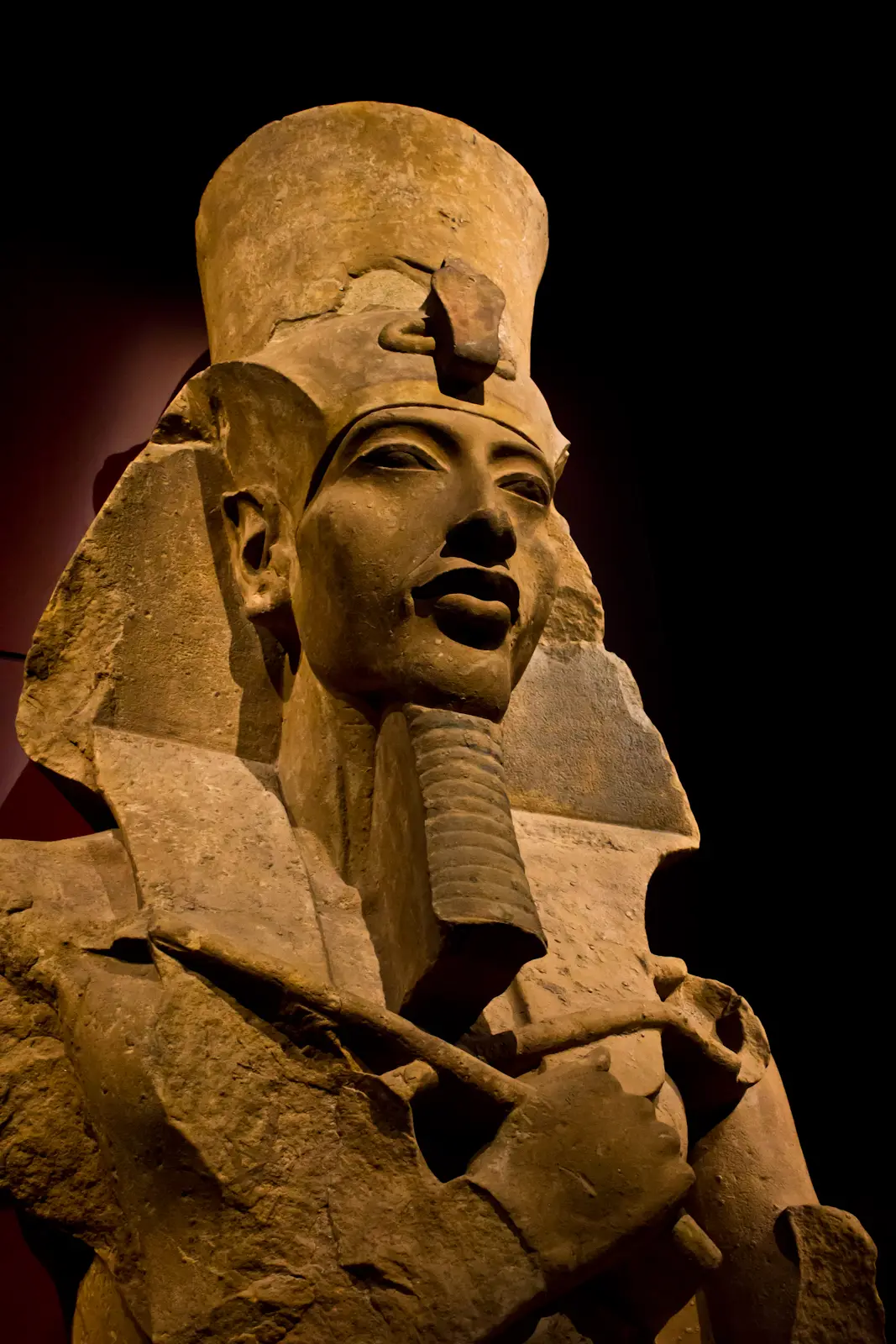
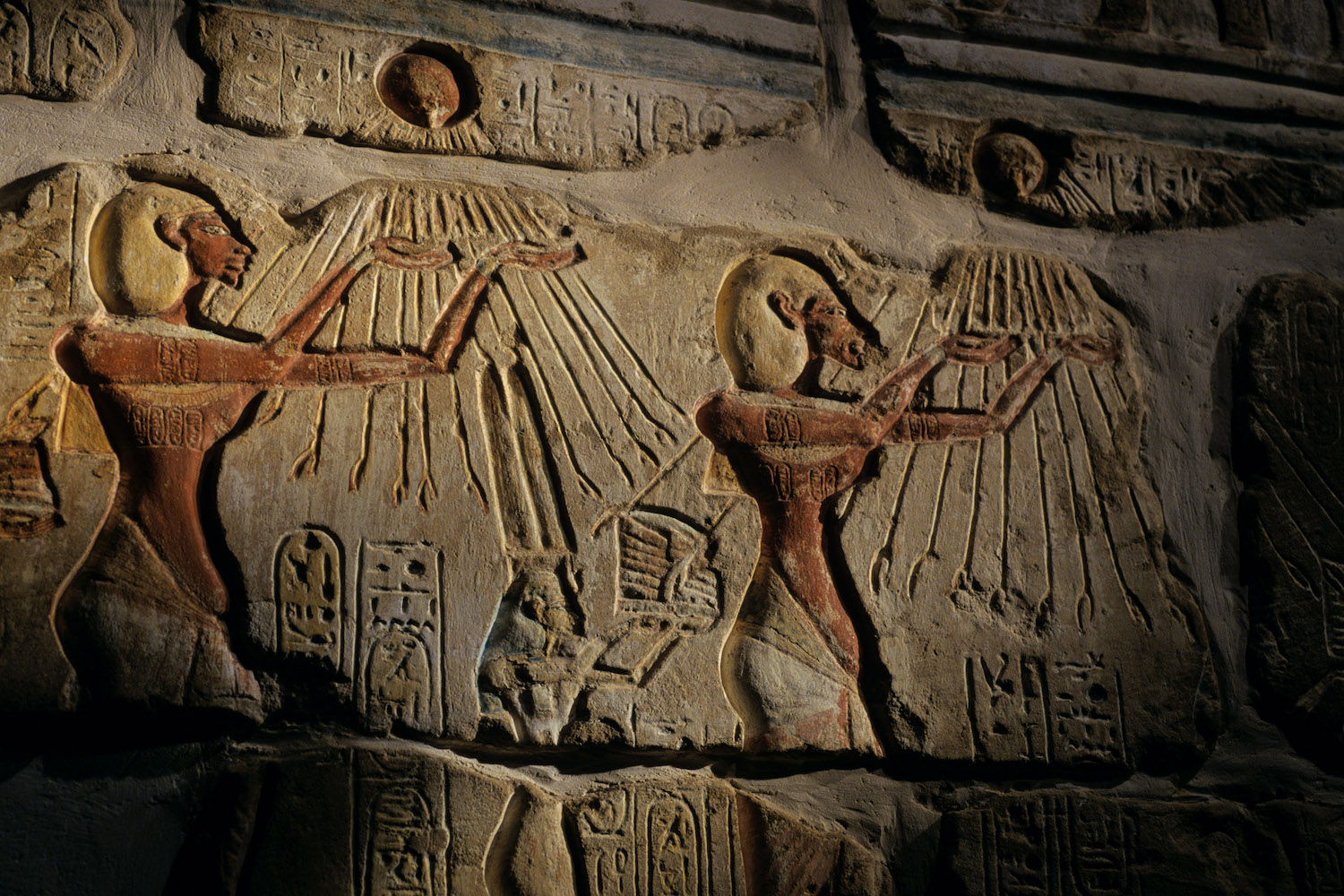
At the center of the Amarna revolution was a new religious idea: there was only one god, Aten, who was represented by the sun disc. Akhenaten prohibited the worship of any other gods and declared himself the only person who could worship Aten directly. He required everyone to shift their religious devotion from the previous gods to himself.
This was a bold power move. Ordinary Egyptians, who used to connect with their gods through festivals and public rituals, suddenly lost these ways of worship. Many people did not accept the new monotheistic religion; they were hesitant to give up the hundreds of gods they had always worshipped. They worried about their afterlife since the old gods were no longer honored.
The legacy of this religious experiment is still debated today. Akhenaten was among the earliest known figures in monotheism, though the true origins of pure monotheism are still debated by scholars. Some historians even suggest a connection between Atenism and Judaism, Christianity, and Islam, a topic that remains controversial yet intriguing.
Akhetaten: A City for a God
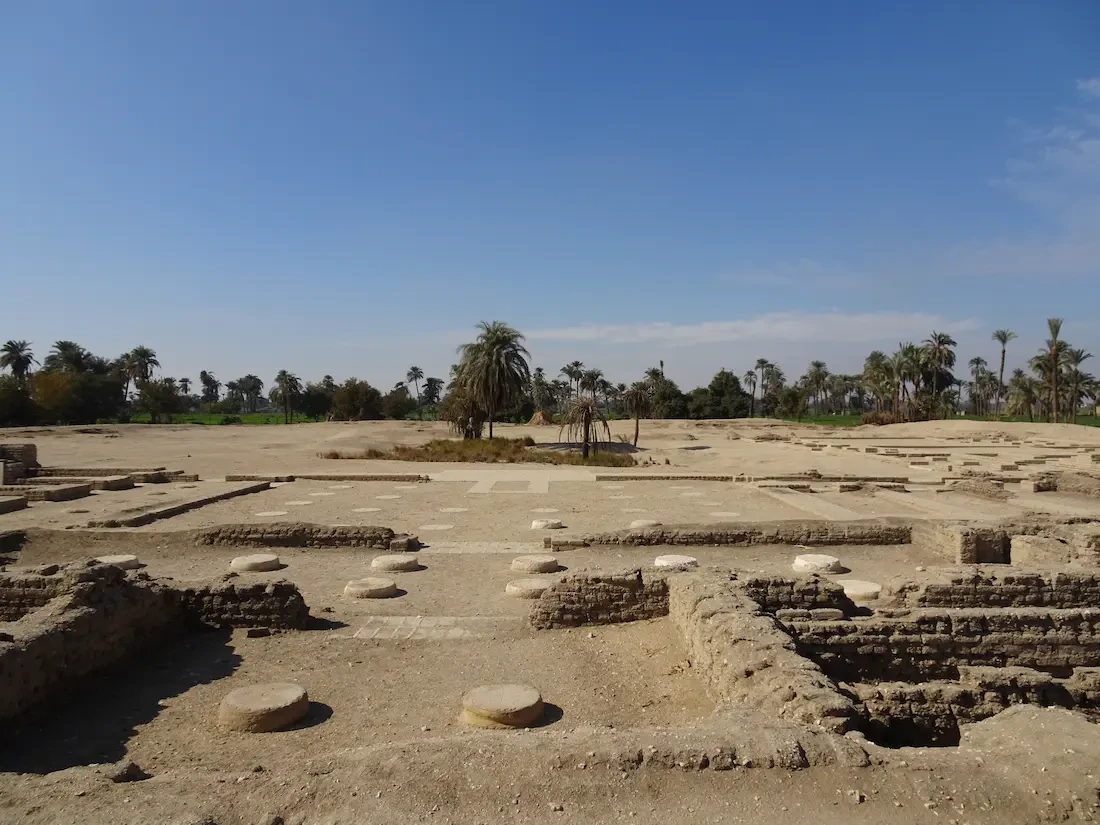
To carry out his religious changes, Akhenaten needed a new capital city, free from the influence of old gods. He established Akhetaten in 1346 BC, but it was abandoned shortly after he died in 1332 BC. Located on the east bank of the Nile between Thebes and Memphis, the city started from a desert landscape.
At its height, Akhetaten had about 10,000 residents, including priests, traders, artisans, and boatmen. They lived in elegant buildings and on the widest road of the ancient world, built for chariot processions. This impressive city was created in under a decade, but its days were numbered.
The Amarna Art Style: Unique and Revolutionary
One of the most notable legacies of the Amarna Period is its art, which is very different from anything else in 3,000 years of Egyptian history. Akhenaten introduced a new style featuring elongated figures, exaggerated features, and a more realistic approach, contrasting sharply with traditional Egyptian art.
The king was depicted in a way that confuses many scholars: as an androgynous figure with a long neck, drooping belly, wide hips, and full lips. He may have had a genetic condition, such as Marfan or Froelich syndrome, which can lead to such features. However, it is also possible that this appearance was a deliberate artistic choice to reflect the non-gendered nature of the Aten sun disk. As one historian said, “There are no answers — and that is part of the fascination.”
This new art style also included the royal family. Nefertiti, whose name means “the beautiful one is here,” was portrayed with a commanding presence rarely seen in queens. Her famous painted limestone bust remains one of the most recognized images from the ancient world.
Queen Nefertiti: Power Behind the Sun Disc
The royal women of Amarna have more surviving records than any other women from ancient Egypt, showing that they were often powerful in their own right. Queen Nefertiti was believed by some to be a key force behind the new monotheistic religion. She appeared next to Akhenaten in religious ceremonies as an equal, which was unusual in Egyptian tradition. However, around the 12th year of Akhenaten’s reign, she suddenly disappears from the records. Some historians think that Nefertiti might have been his co-regent, not just his wife, though there is no clear evidence of her political role. It remains a fascinating mystery in Egyptology whether she died, lost favor, or changed her name.
The Amarna Letters: Diplomacy in Clay
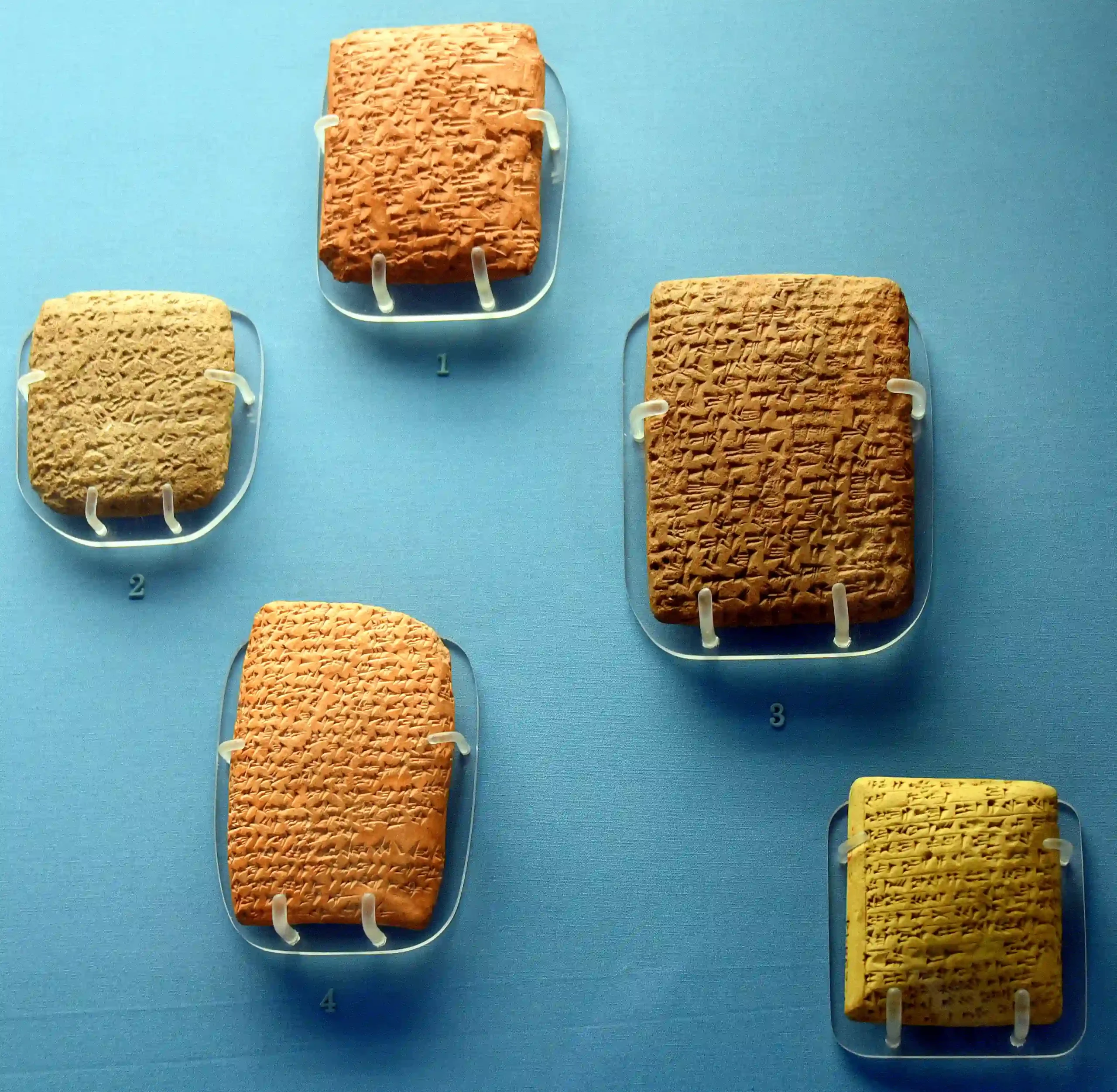
While Egypt’s religious changes caused internal conflict, messages from outside kept coming in. Discovered in 1887 by a local woman digging in the fields, the Amarna Letters are a collection of over 300 clay tablets written in Akkadian cuneiform. These letters show that Akhenaten kept diplomatic ties with powerful nations like the Mitanni, Assyrians, and Babylonians. However, his relationships with his Syrian and Canaanite subjects became more strained as they often rebelled against Egyptian control. The letters reveal that Akhenaten was so focused on his religious changes that Egypt was losing its power over its empire. The Hittites were growing stronger, vassals were asking for military help that never came, and the empire built by Amenhotep III was starting to fall apart.
The Fall: Erasure and the End of an Era
After Akhenaten died, the changes happened quickly. His young son, Tutankhaten, changed his name to Tutankhamun, brought back the old gods, and moved the court away from Akhetaten. Then came Horemheb, who led the strongest effort to erase history that Egypt had ever seen.
Horemheb had the city of Akhetaten torn down and tried to remove everything related to the Amarna Period from official records and monuments. He claimed to directly succeed Amenhotep III, effectively erasing 30 years of history. He removed Akhenaten’s name from all official king lists, dismantled his temples, reused the stones for other projects, and left the once-great city of Amarna in ruins. In ancient Egyptian belief, being forgotten was worse than dying. Horemheb knew this well.
Why the Amarna Period Still Matters
Despite these efforts, we still talk about this period today. In the early 20th century, discoveries of Amarna Period artifacts helped scholars begin to understand this unique pharaoh. Ongoing excavations continue to uncover new findings, and the questions Akhenaten raised about religion, power, art, and identity feel relevant today.
After the Amarna Period, the relationship between the gods and Egyptian worshippers became more personal. Instead of only acting through the pharaoh, the Egyptians began to believe that the gods would directly intervene in their lives, helping the pious and punishing wrongdoers. This means that, even with all the attempts to erase the Amarna revolution, it left a lasting impact on how people viewed the divine.
A city built in ten years. A religion imposed on an empire. A legacy buried, then rediscovered, then debated for over a century. The Amarna Period shows us that the most disruptive parts of history are the ones that refuse to stay hidden.