
Quick Facts
- Reign c. 1279–1213 BCE (about 66 years)
- Dynasty 19th Dynasty
- Predecessor Seti I (father)
- Successor Merneptah (13th son)
- Known for The Battle of Kadesh; the world’s first known peace treaty; Abu Simbel; over 100 children
- Where to see his era Abu Simbel; the Ramesseum, Luxor; Karnak Temple; National Museum of Egyptian Civilization, Cairo
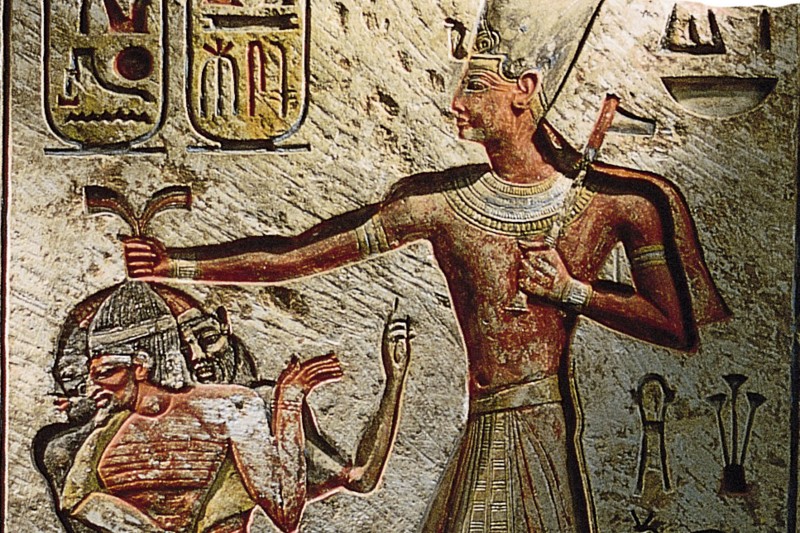
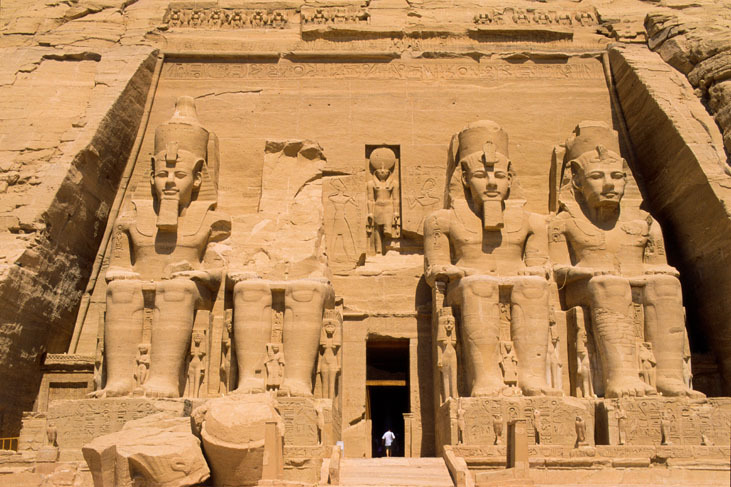
Four colossal statues of a seated king, each roughly 20 meters tall, stare out from a cliff face on the shore of Lake Nasser. They were carved to make sure nobody who saw them forgot who ruled Egypt. Over three thousand years later, they’re still working: Ramesses II — Ramesses the Great — is the pharaoh most people picture when they picture ancient Egypt at all.
Raised to Rule
Ramesses II was born around 1303 BCE to Seti I and Queen Tuya, and groomed for kingship almost from birth — leading troops as a teenager, learning temple administration alongside his father. His name, “Born of Ra, beloved of Amun,” announced the connections he’d spend a 66-year reign reinforcing. He became king at about 25, taking the throne name User-Ma’at-Ra Setep-en-Ra (“the justice of Ra is powerful, chosen of Ra”) at a moment when Egypt faced real pressure from the Hittite Empire to its north.
Kadesh and the World’s First Peace Treaty
Ramesses II campaigned across Nubia, Libya, and the Levant, but his defining military moment came at the Battle of Kadesh in 1274 BCE — often cited as one of the largest chariot battles in history, fought against the Hittites for control of Syria. Egyptian temple inscriptions present it as a Ramesses victory; most modern historians read the actual outcome as closer to a stalemate, with both sides claiming what they needed to claim.
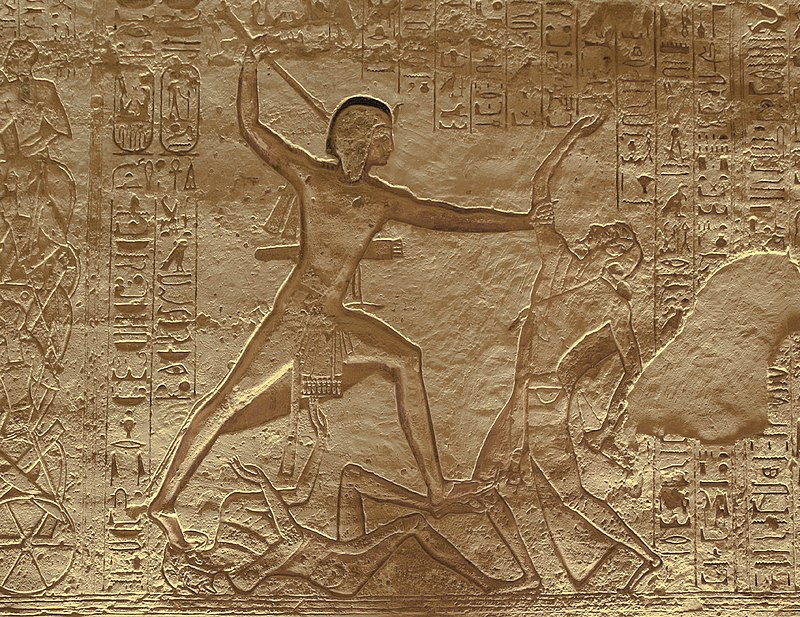
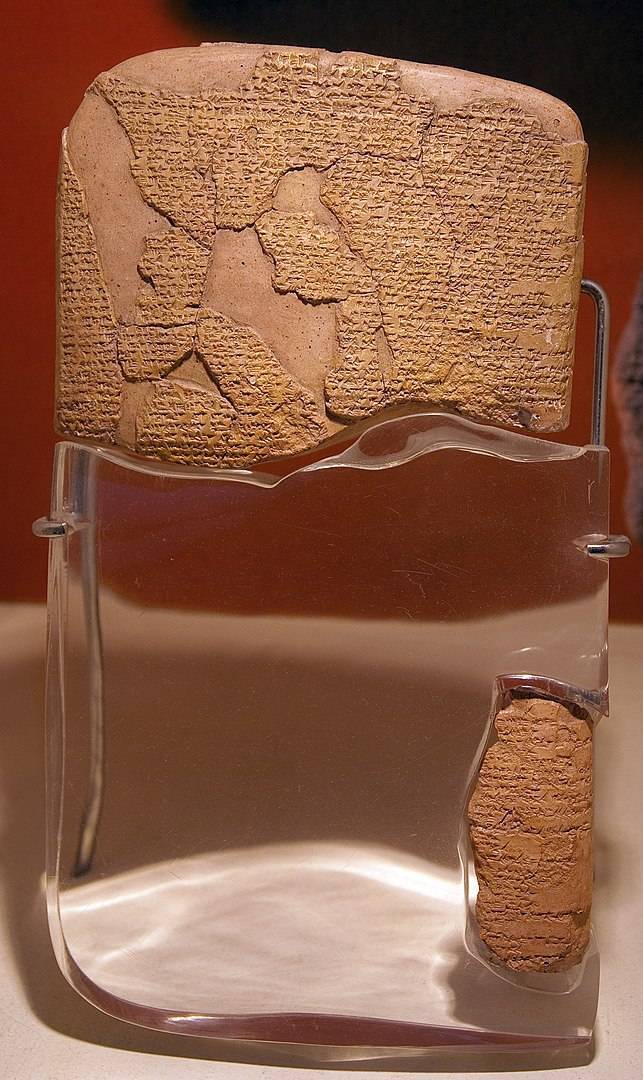
What came out of it mattered more than who won. Roughly fifteen years later, Egypt and the Hittites signed a formal peace treaty — the oldest surviving peace treaty in the world, still cited today, with a copy of it displayed at the United Nations headquarters in New York. It’s a rare case of ancient propaganda and genuine diplomacy pointing in the same direction: Ramesses’ inscriptions oversold the battle, but the peace that followed was real and durable.
Building to Be Remembered
Ramesses II’s building program was, by design, unmatched in scale:
- Abu Simbel — twin rock-cut temples in Nubia, engineered so sunlight illuminates the inner sanctuary twice a year.
- The Ramesseum — his mortuary temple at Luxor, filled with colossal statues and reliefs celebrating his reign.
- Karnak Temple — major expansions reinforcing his devotion to Amun and his own divine authority.
He also had a habit of carving his name over earlier kings’ monuments — usurpation as branding, ensuring his name outlasted theirs even where the stonework didn’t originate with him.
Religion, Family, and a Very Large Household
Ramesses II served as both king and high priest, backing Amun’s cult while cultivating support from Egypt’s other major gods as well. His family life was, even by pharaonic standards, enormous: multiple queens, including Nefertari, honored with her own temple beside Abu Simbel, and reportedly over 100 children, a royal household large enough to anchor the dynasty for generations. Heb-Sed festivals, held roughly every 30 years to renew a pharaoh’s divine authority, punctuated his unusually long reign — he lived long enough to celebrate several.
An Afterlife Almost as Eventful as His Reign
Ramesses II’s mummy, recovered in the 19th century, has had a stranger modern history than most. In 1976, when French conservators needed to treat a fungal infection threatening to destroy it, French law required a passport for anyone — living or dead — entering the country. Egypt issued one: his occupation was listed as “King (deceased).” He was received at the airport in Paris with full military honors. Today his mummy is displayed at Cairo’s National Museum of Egyptian Civilization, part of the 2021 relocation of Egypt’s royal mummies from the older Egyptian Museum.

Ramesses II in Popular Culture
Percy Bysshe Shelley’s poem “Ozymandias” uses Ramesses as a symbol of hubris and the impermanence of power — an irony he’d probably have hated, given how much of his reign was spent trying to guarantee the opposite. His statues sit in museums worldwide, and Cleopatra’s Needle in London and New York carry his added inscriptions, even though the obelisks themselves were originally raised roughly two centuries earlier under Thutmose III.
By the time the throne passed to his thirteenth son, Merneptah, Ramesses II had outlived most of his own heirs — a reign so long it swallowed an entire generation of potential successors.
Visiting Today
Abu Simbel sits about 280 km south of Aswan, a 3.5–4 hour drive each way (or a short flight); most visitors go as a full-day trip from Aswan, leaving before dawn to arrive ahead of the heat and the tour buses. The twice-yearly Sun Festival (22 February and 22 October), when sunlight reaches the inner sanctuary, draws crowds and a higher entry fee. The Ramesseum, on Luxor’s West Bank, pairs naturally with Medinet Habu on a West Bank day. His Karnak additions are part of the standard Karnak visit, and his mummy is at the National Museum of Egyptian Civilization in Cairo, alongside most of the other New Kingdom royals. For current prices at any of these sites, see our entrance fees guide.