Cairo and Luxor

Egypt is a land filled with history, especially in Cairo and Luxor. These two places are perfect for travelers who want to experience both modern Egypt and its ancient past. Cairo impresses with its busy streets, famous pyramids, and lively culture. Luxor serves as an open-air museum with temples, tombs, and beautiful views of the Nile. This travel guide will help you plan an unforgettable trip with useful tips.
Cairo: The Heartbeat of Egypt
Cairo is often the first stop for international visitors, and it’s easy to understand why. The city is a mix of ancient monuments, Islamic buildings, and modern life.
Top attractions in Cairo include:
– Pyramids of Giza and the Sphinx: You must see these wonders. The Great Pyramid is the last surviving ancient wonder of the world and continues to amaze visitors.
– Egyptian Museum & Grand Egyptian Museum (GEM): The Egyptian Museum in Tahrir Square has thousands of artifacts. The new GEM near Giza will be the largest archaeological museum in the world, showcasing treasures like Tutankhamun’s golden mask.
– Islamic Cairo: Walk through medieval streets, admire mosques like Al-Azhar and Sultan Hassan, and shop at the famous Khan el-Khalili bazaar.
– Modern Cairo highlights: Stroll along the Nile Corniche, enjoy rooftop views, and try local food in lively neighborhoods like Zamalek and Downtown.
Cairo blends ancient wonders with modern life. It is loud, energetic, and endlessly interesting.
Luxor Tours & Activities
Looking to save some costs on your travel? Why not join a shared group tour to explore Luxor, Egypt? Here are some activities you might be interested in:
Luxor: The World’s Greatest Open-Air Museum
If Cairo is Egypt’s heartbeat, then Luxor is its soul. Located along the Nile, Luxor is home to some of the most spectacular ancient monuments.
Must-see sites in Luxor include:
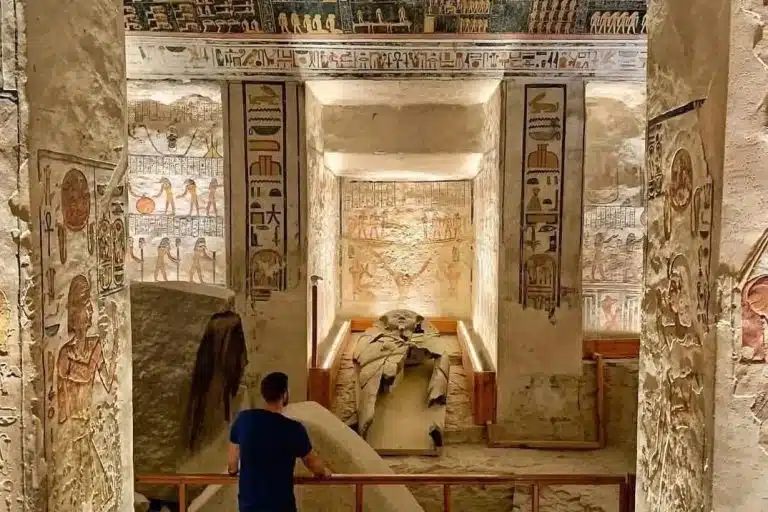
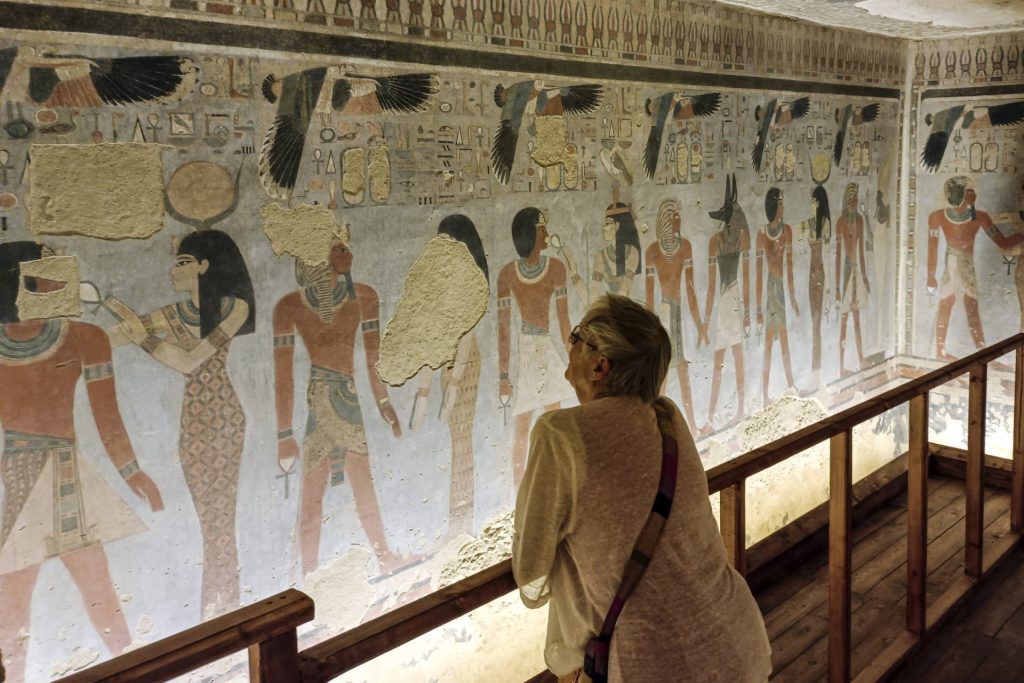
– Valley of the Kings: This burial site has over 60 tombs of pharaohs, including Tutankhamun. Each tomb has detailed wall paintings and hieroglyphs that tell stories about the afterlife.
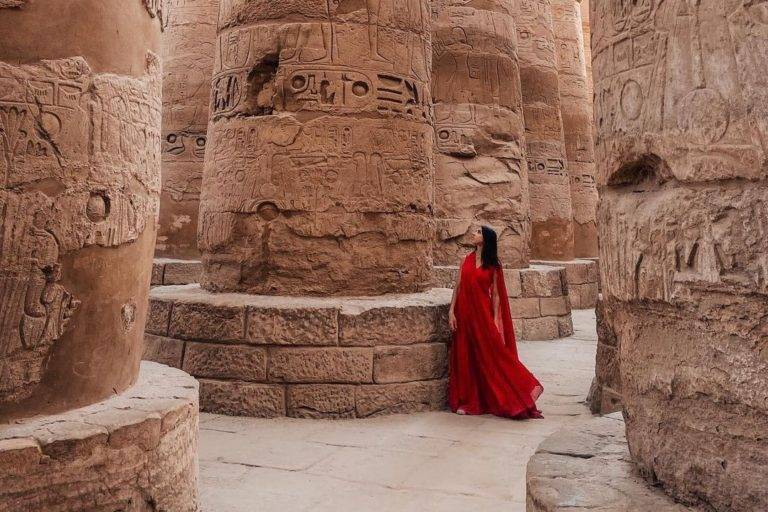
– Karnak Temple: This large complex is dedicated to the god Amun. It features the Hypostyle Hall, with tall columns rising high into the sky.
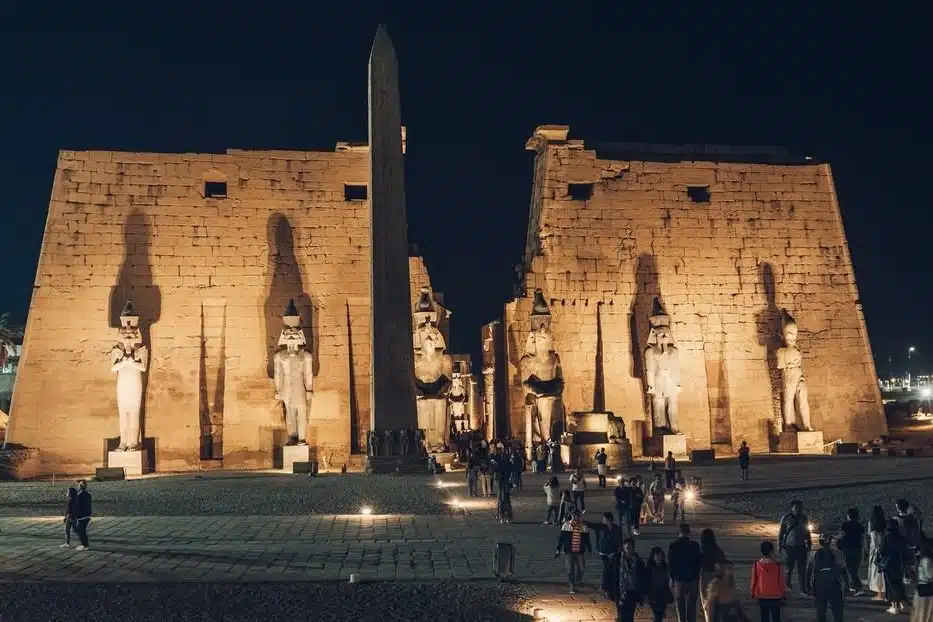
– Luxor Temple: Found in the city center, this temple looks magical at night when it is lit up against the dark sky.
– Temple of Hatshepsut, a beautiful terraced structure built by Egypt’s most powerful female pharaoh. Explore the Valley of the Queens.
– Nile-side experiences: Enjoy a felucca ride at sunset or take in the peaceful views from the corniche.
Luxor feels like stepping back in time. Every corner reveals a piece of history, making it a treasure for archaeology lovers and curious travelers.

Traveling Between Cairo and Luxor
Traveling between Cairo and Luxor is easy, with several options based on your budget and preferences.
– Flights: This is the fastest way to travel, taking about one hour. Multiple flights connect Cairo International Airport with Luxor every day.
– Sleeper train: This classic option allows you to experience Egypt’s railways. The overnight trip takes around 9–10 hours and offers private cabins.
– Buses and private transfers: These options are budget-friendly but take longer, with trips lasting 9–11 hours.
Choose the option that best fits your time and comfort needs.

Where to Stay: Cairo vs. Luxor
Egypt offers a wide range of accommodations from luxury resorts to budget guesthouses.
In Cairo:
– Luxury hotels near the Pyramids provide great views for those seeking a special experience.
– Boutique hotels in Downtown or Zamalek offer charm and easy access to cultural sites.
In Luxor:
– Nile-view resorts offer beautiful views and relaxation after sightseeing.
– Family-friendly hotels and budget guesthouses are available for various travelers.
Look for “where to stay in Luxor” and “20 best hotels” for planning, as both cities have options for every budget.
Food and Local Experiences
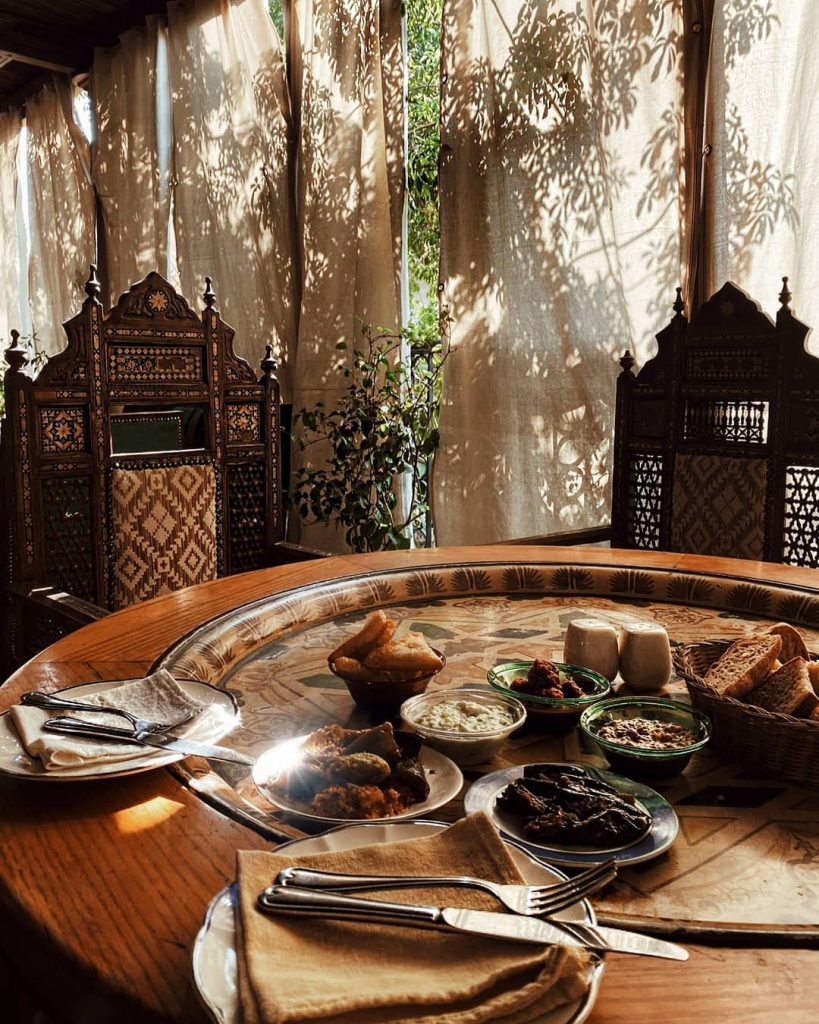
Enjoy local Egyptian cuisine, which is hearty and flavorful.
In Cairo:
– Try street food favorites like koshari (a mix of pasta, lentils, rice, and tomato sauce), falafel, and shawarma.
– Restaurants and cafés along the Nile serve both traditional and international dishes.
In Luxor:
– Nile-side restaurants offer fresh fish and authentic Egyptian meals.
– Local markets give you a chance to sample snacks and shop for spices.
Markets are important to Egyptian culture. Cairo’s Khan el-Khalili is famous for souvenirs, while Luxor’s bazaars are more laid-back, selling handicrafts and local products.
Practical Travel Tips
Keep these tips in mind for a smoother journey:
– Best time to visit: October to April has cooler weather, perfect for sightseeing. Summers can be very hot, especially in Luxor.
– Dress code and etiquette: Egypt is conservative, so wear modest clothing, especially when visiting mosques.
– Safety and scams: Egypt is generally safe for tourists, but be careful with persistent vendors or unofficial guides.
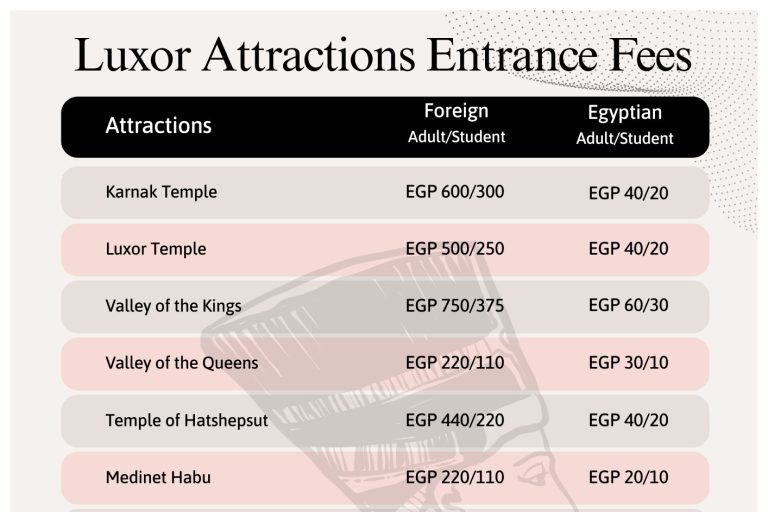
– Tickets and passes: Consider the Cairo and Luxor Pass, which covers many site entries, or buy specific tickets in Luxor.
Preparation leads to a more enjoyable trip.
The Magic of Cairo and Luxor
Cairo and Luxor together offer an incredible Egyptian adventure. Cairo gives you the energy of a modern city and connects you to ancient wonders. Luxor takes you deep into Egypt’s pharaonic history with inspiring temples and tombs. Whether you love history, are traveling with family, or just want to learn about Egypt’s rich heritage, this guide will help you plan your journey. Egypt is not just a place to visit—it’s a timeless story waiting for you to experience.
Got a Question?
F.A.Qs
Most travelers spend 2–3 days in Cairo to see the pyramids, museums, and Islamic Cairo, and 2–3 days in Luxor to explore temples and tombs. If you want a deeper experience, add extra days for Nile cruises or side trips to Aswan and Abu Simbel.
Absolutely. Cairo showcases Egypt’s iconic pyramids, but Luxor is home to the Valley of the Kings, Karnak Temple, and Luxor Temple, offering a completely different perspective on ancient Egyptian civilization.
The fastest option is a 1‑hour flight, but many travelers enjoy the sleeper train for its cultural experience. Nile cruises are ideal if you want sightseeing built into your journey.
Yes, Egypt is generally safe for tourists, especially in major destinations like Cairo and Luxor. As with any trip, stay alert, use licensed guides, and avoid unofficial vendors.
While you can explore independently, hiring a licensed guide adds depth to your experience, especially at complex sites like Karnak or the Egyptian Museum.
Modest clothing is recommended, particularly in mosques and traditional areas. Lightweight fabrics, hats, and sunscreen are essential for the hot climate.
Don’t miss koshari, falafel, shawarma, and grilled fish along the Nile. Street food in Cairo and traditional restaurants in Luxor both offer authentic flavors.
Did you know that
By purchasing through our links, you support us at no additional cost.
Thank you for your support. ♥️