
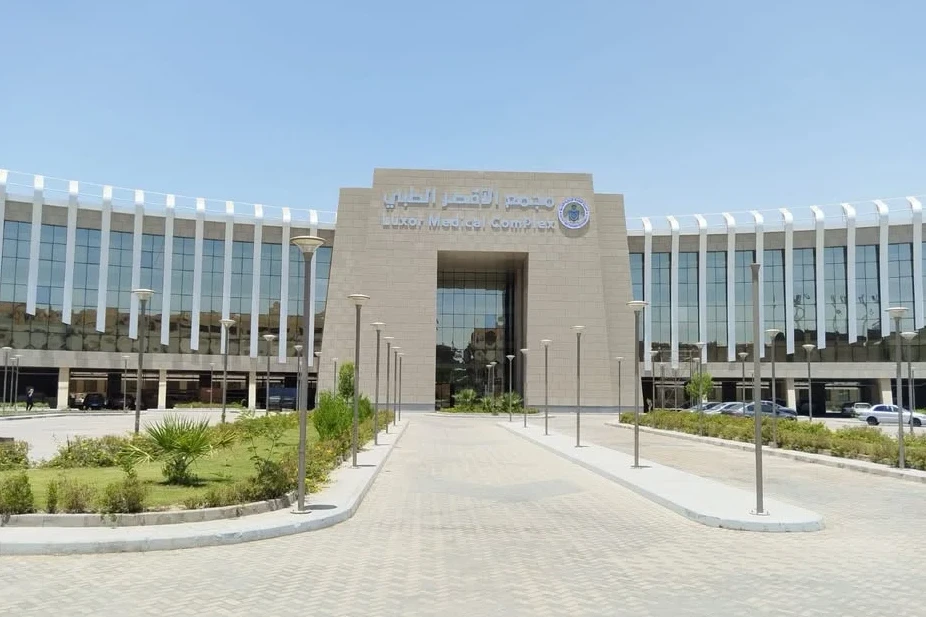
Luxor International Hospital is now part of the Luxor International Medical Complex, one of the largest hospitals in Luxor governorate. Whether you live in Luxor or are visiting, this guide explains what the hospital offers, what to do if you need care, and how insurance works.
This is general information, not medical advice. In an emergency, call 123 for an ambulance.
In an Emergency
- Ambulance: 123. See our Egypt emergency numbers for the full list.
- In a true emergency, get care first. Contact your insurer afterwards.
- Address: Television Street, Al-Awamiya Island, Luxor.
- Emergency department: open 24 hours, according to the Egypt Healthcare Authority.
- Phone: check the Egypt Healthcare Authority’s hospital page for the current number.
About the Hospital
The Egypt Healthcare Authority (EHA) lists the site as the Luxor International Medical Complex. Many people still use the older name, so you’ll see both. EHA describes it as one of the largest hospitals in Luxor governorate and says it is still in development.
As of January 2026, EHA’s chairman reported 373 inpatient beds, 57 ICU beds and 13 operating rooms, and called it the main referral centre for complex cases in Upper Egypt. EHA also reported in September 2025 that an emergency hospital and additional departments had opened, and that oncology and burn services had been added. Further phases were planned for 2026.
Location and Opening Hours
The hospital is on Television Street, Al-Awamiya Island. The emergency department operates around the clock. Outpatient clinic hours vary by department, so call ahead before going for a non-urgent appointment.
If you need a taxi, ask your hotel to arrange one, or use inDrive, and agree the fare before you set off. Our Getting Around Luxor guide has typical fares.
Services
Services are expanding, so confirm availability by phone before you travel for a specific procedure. Publicly reported services at the complex include:
- Cardiac care, including open-heart surgery
- Oncology, including gastrointestinal oncology endoscopy
- Complex orthopedic procedures
- Burn care
- Bone marrow transplantation
- Advanced imaging and laboratory services
This list comes from EHA statements and press reports, not the hospital’s own service directory. Use the EHA page for the official picture.
If You’re a Visitor
The national insurance system described below is for Egyptian residents. As a visitor, you’ll rely on your travel insurance.
- Save 123 on your phone before you need it.
- Emergency first. Don’t delay urgent care to call your insurer.
- For non-urgent care, call your travel insurer first. Ask which hospitals it covers, whether it can arrange direct payment or a guarantee to the hospital, or whether you’ll need to pay up front and claim back. Practices vary by insurer.
- Carry your passport and a copy of your policy.
- Ask your hotel for help with transport and, if you can, someone to come with you to help with translation.
Other Hospitals Visitors May Hear About
Karnak International Hospital is another major EHA hospital in Luxor. EHA lists it as having most medical specialties, with radiology and laboratory services. EHA’s chairman has described it as a cornerstone of medical tourism in Upper Egypt. As with any hospital, confirm with your insurer before non-urgent treatment.
For Residents: Universal Health Insurance
Luxor was the first governorate in Upper Egypt, and the second in the country after Port Said, to adopt Egypt’s Universal Health Insurance System (UHIS). According to the Universal Health Insurance Authority’s 2024/25 report, more than 90% of Luxor’s residents were registered (about 1.29 million of 1.45 million), and 79 contracted facilities delivered more than 5.6 million services that year.
In practice:
- Registered patients have a digital file, which helps continuity of care.
- Access to specialist hospitals usually starts with a referral from a primary healthcare unit.
- The system is designed to keep out-of-pocket costs low for enrolled residents.
Emergencies are handled differently. Go to the nearest hospital.