The Knights of Upper Egypt: Understanding the Tradition of Al-Mermah
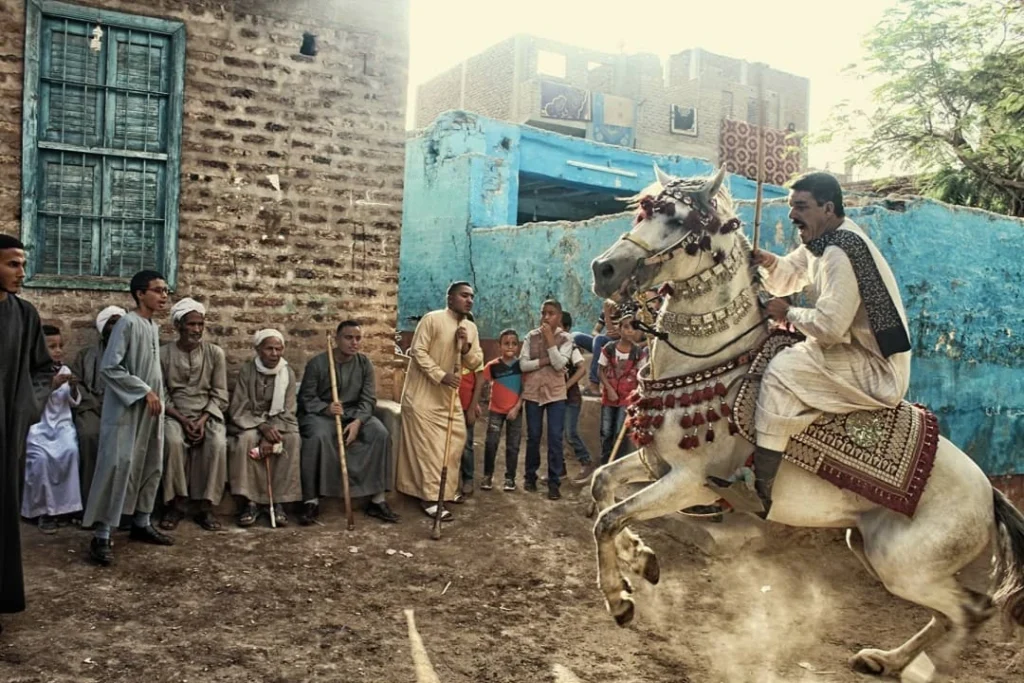
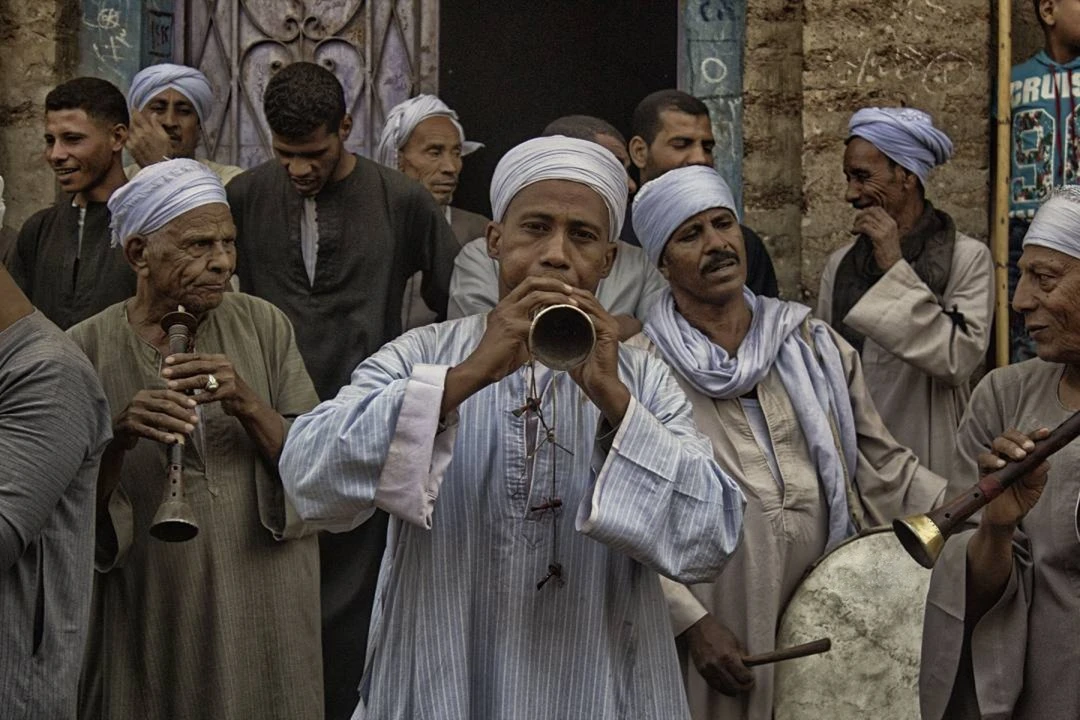
The golden dust of Luxor doesn’t just hang in the air; it tastes like history. Above the rhythmic wail of the mizmar flute and the steady thrum of the drums of the tabl baladi, a new sound emerges: the thunder of a hundred hooves. As the sun dips behind the sugar cane fields, you aren’t just watching a festival—you’re standing in the middle of a living, breathing epic where the land itself seems to vibrate with the spirit of the Sa’idi knights.
This centuries-old tradition is a celebration of Upper Egyptian culture, offering travelers a chance to experience living history. Al-Mermah showcases chivalry, tribal identity, and equestrian skills that have been passed down through generations of Sa’idi families.
What is Al-Mermah? Understanding the "Stick Game" on Horseback
Al-Mermah is a traditional equestrian festival featuring a unique form of horse fencing. While it may appear chaotic, it showcases disciplined maneuverability and control. The term “Mermah” originates from Arabic, referring to “spearing” or “running at full tilt,” which reflects its roots in tribal warrior training. Unlike standard races, Al-Mermah involves two riders, representing families or villages, who circle each other in an arena. Each rider wields a long bamboo stick, aiming to lightly touch their opponent or their horse to signify a tactical “hit.”
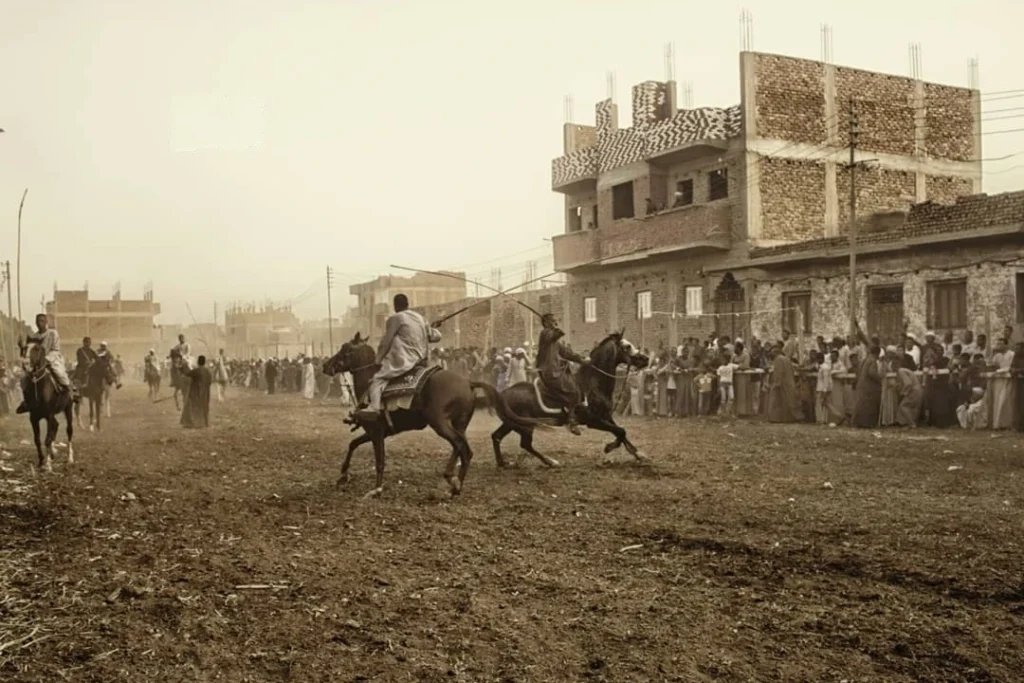
The core elements of the competition include:
The Circle: They orbit each other, seeking openings in the opponent’s defense.
The Strike: A quick movement of the bamboo stick touches the opponent’s shoulder or back.
The Retreat: After scoring, riders separate with a flourish, often rearing their horses to salute the crowd.
This “stick game,” related to Tahtib—an ancient Egyptian martial art of stick fighting—elevates the skill to horseback, requiring years of synchronization between rider and horse to master.
Luxor Tours & Activities
Looking to save some costs on your travel? Why not join a shared group tour to explore Luxor, Egypt? Here are some activities you might be interested in:
The Values of the Sa’idi Knights: Chivalry and Honor
To understand Al-Mermah, you need to know about Muru’a. This Arabic term means chivalry, manliness, and honor. For the men in Luxor and nearby villages, taking part in Al-Mermah is an important rite of passage. It’s not about winning a trophy or cash; it’s about honoring your family’s and tribe’s reputation.
The “knights” or fursan of the Mermah are respected in their communities. They must show great restraint. Even during a duel, a rider should never lose his temper or harm his opponent intentionally. If a horse or rider gets hurt, it brings shame to the one responsible, showing a lack of control. The festival helps unite tribes that may have rivalries, allowing them to compete respectfully and connect through their shared heritage.
The Stars of the Show: Arabian Horses and Sa’idi Knights
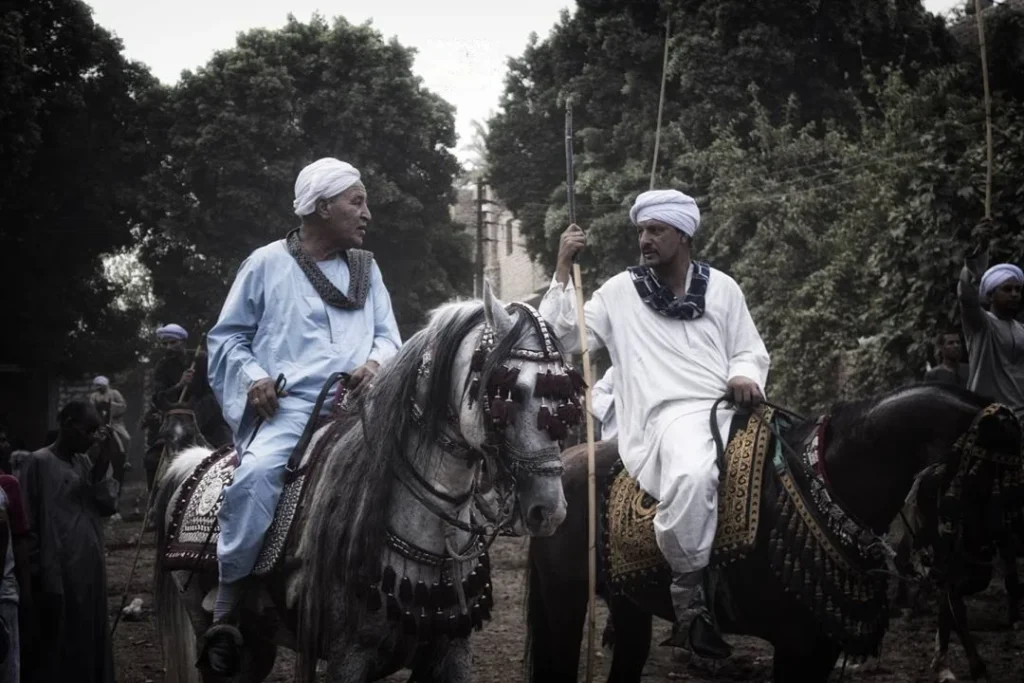
The true protagonists of Al-Mermah are the horses, seen as family members and symbols of prestige in Upper Egypt. Most are Purebred Arabians or high-quality Baladi crosses, chosen for their stamina, intelligence, and spirit.
These horses must understand mizmar music and possess both a fierce temperament and discipline. Groomed to perfection for the festival, they boast shimmering coats and colorful tassels.
The riders, dressed in traditional galabeyas and shawls, sit upright and control their horses with subtle movements, keeping their hands free to wield bamboo fencing sticks.
When and Where: The Magic of the Luxor Moulids
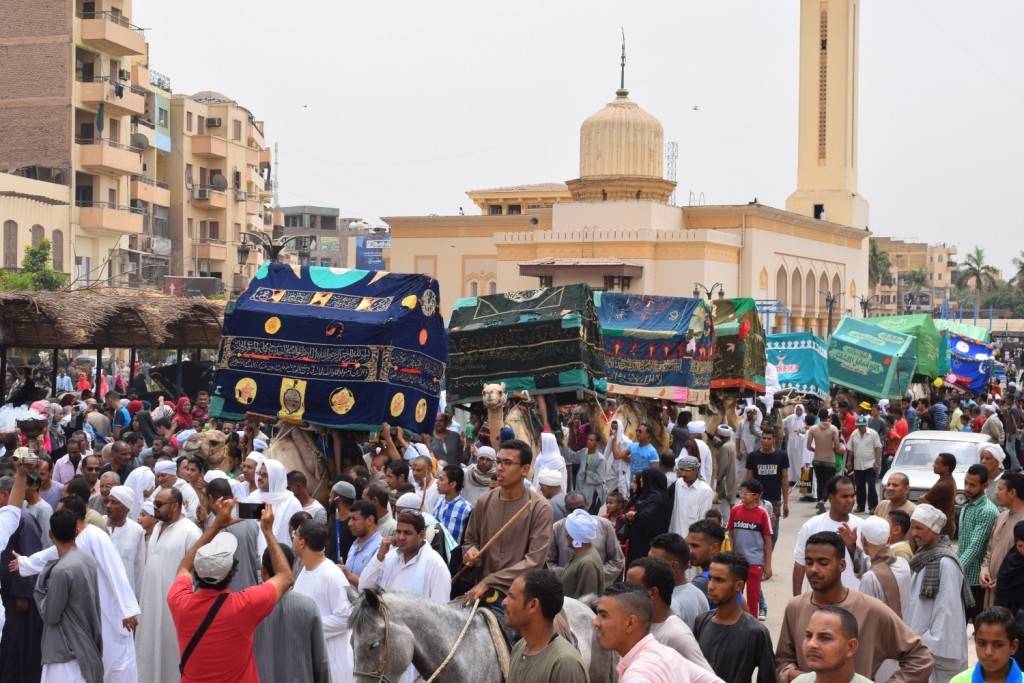
Al-Mermah is a seasonal celebration linked to religious and folk events, particularly during Moulid festivals.
Key Locations and Dates:
– Moulid of Abu al-Haggag: Luxor’s most famous festival near the Luxor Temple, attracting riders from across Egypt.
– Manshaat Al-Amari: A village near Luxor known for authentic Mermah events during Mawlid al-Nabi (Prophet’s Birthday).
– Al-Ashi: A village near Luxor known for authentic Mermah events, celebration of the birth of Sheikh Al-Ashi.
Events take place in Mermah Squares—large open areas often located near sugar cane fields. There are no tickets or assigned seating; spectators sit on colorful rugs or stand on trucks, enjoying the festive atmosphere filled with the smell of roasting corn and sweet tea amidst the dust.
The Art of "Horse Dancing" (Raqs el-Khayl)
One captivating aspect of Al-Mermah is the Raqs el-Khayl, or horse dancing, where competitive fencing gives way to artistry. Accompanied by the rhythmic beat of the tabla, horses “dance” in place or move in sync with the music. Their ears perk up at the sound of the flute, and they tap their hooves in perfect time. A “dancing horse” is highly prized for its connection to its trainer. For the audience, this moment transforms aggression into a celebration of grace and rhythm.
Traveler’s Guide: How to Experience Al-Mermah Respectfully
Experiencing Al-Mermah is a must for travelers, but it requires some local insight. These events are typically not advertised.
Tips for Attending:
– Ask Locals: Inquire with hotel staff, taxi drivers, or guides about any Mermah or Moulid horse shows happening nearby.
– Dress Modestly: Wear long trousers and shirts that cover your shoulders to show respect, as the event is traditional and mostly attended by local men.
– Prioritize Safety: Stay behind the “crowd line,” as horses can be fast and unpredictable.
– Embrace Hospitality: Accept invitations for tea or a spot on a rug as a way to connect with the community.
– Photography: Most riders enjoy being photographed. Politely ask for permission with a smile.
What to Bring:
- A Scarf or Mask: The dust can be overwhelming; having a scarf to cover your nose and mouth is essential.
- Sunglasses: To protect your eyes from both the sun and the flying debris.
- Small Change: You might want to buy a tea or a snack from the local vendors wandering through the crowd.
A Living Legacy
Al-Mermah is more than just a horse show; it connects Luxor’s modern residents with their ancestors, preserving values of bravery, skill, and tribal loyalty. Amidst growing modernity, the sight of horses charging through the Egyptian dust reminds us of tradition. If you’re in Luxor during a festival, don’t miss this powerful spectacle, where history comes alive, galloping through the streets.
Did you know that
By purchasing through our links, you support us at no additional cost.
Thank you for your support. ♥️