
Luxor and Aswan sit less than three hours apart by train, but they don’t feel like the same country. Luxor packs more ancient monuments into one city than anywhere else on Earth. Aswan barely tries to compete on monument count; instead it slows the trip down, trading temple-hopping for Nubian villages, felucca sails, and a Nile that finally feels peaceful rather than historic. Most travelers end up doing both — but if you’re deciding where to spend your limited days, here’s how the two actually compare.
Luxor vs Aswan at a Glance
| Luxor | Aswan | |
|---|---|---|
| Known for | Temples, royal tombs, pharaonic history | Nubian culture, Lake Nasser, riverside calm |
| Pace | Packed, guide-heavy days | Slow, unstructured |
| Signature sight | Valley of the Kings | Abu Simbel |
| Minimum time | 2–3 days | 1–2 days |
| Best for | History-focused travelers, first-timers | Travelers wanting to decompress after Cairo/Luxor |
Why Visit Luxor
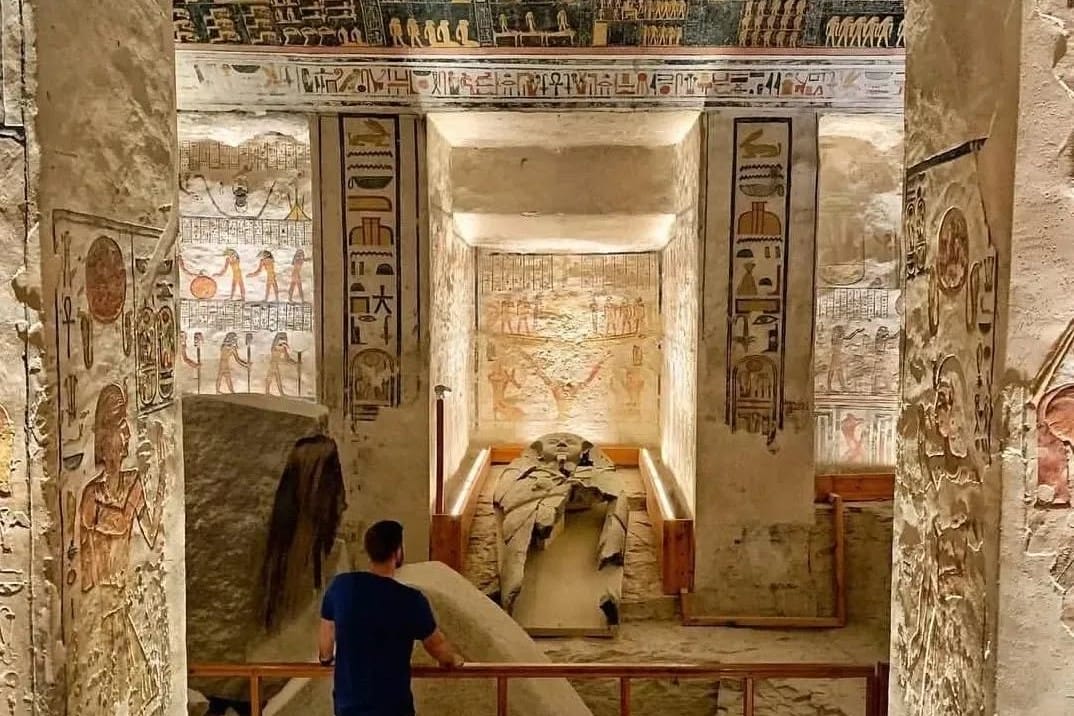
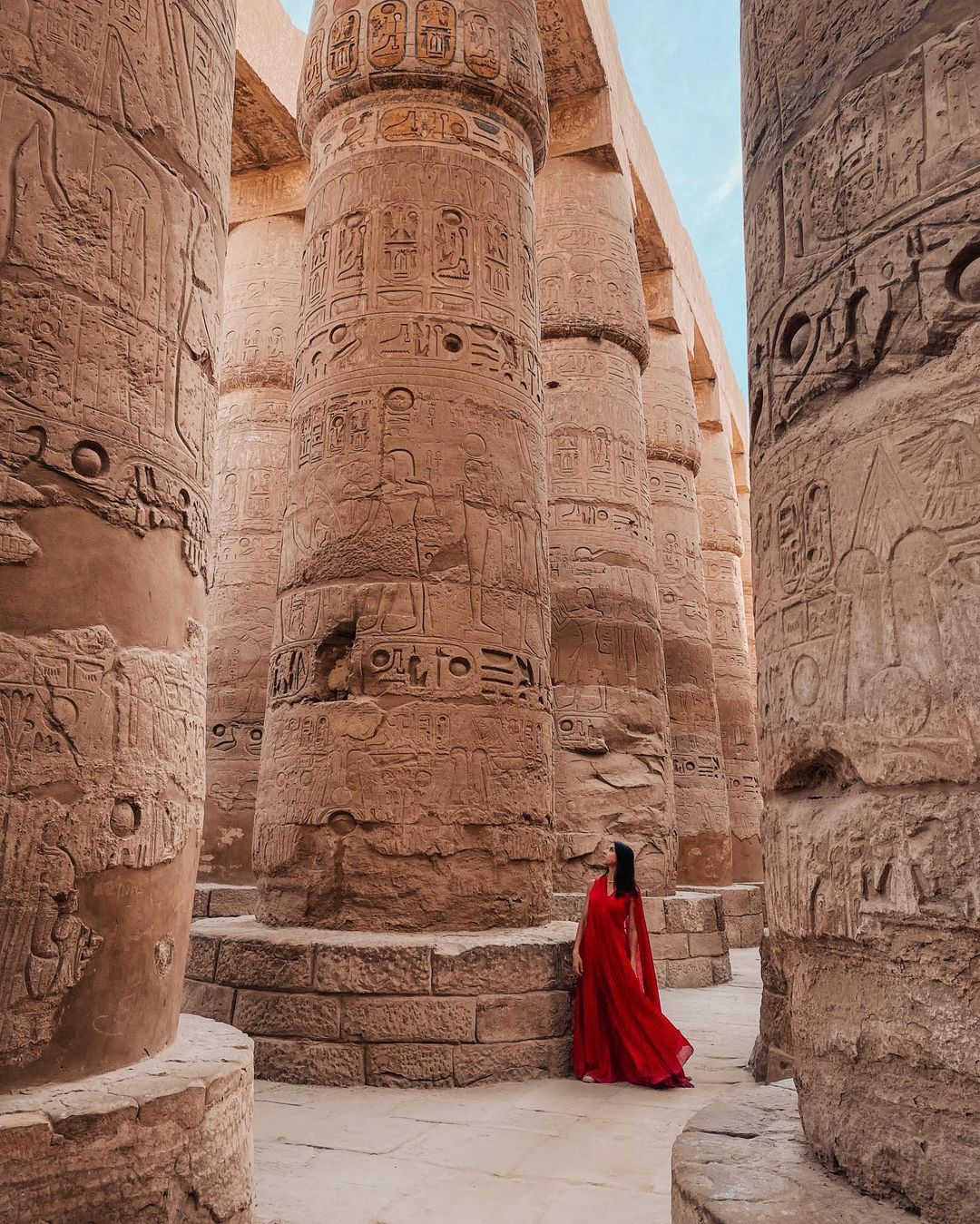
Luxor sits on the site of ancient Thebes, split by the Nile into an East Bank of temples and a West Bank of tombs. The Karnak Temple Complex and its Great Hypostyle Hall are the headline East Bank sight; the Valley of the Kings and Temple of Hatshepsut anchor the West Bank. Luxor Temple is worth timing for after dark, when it’s lit against the night sky.
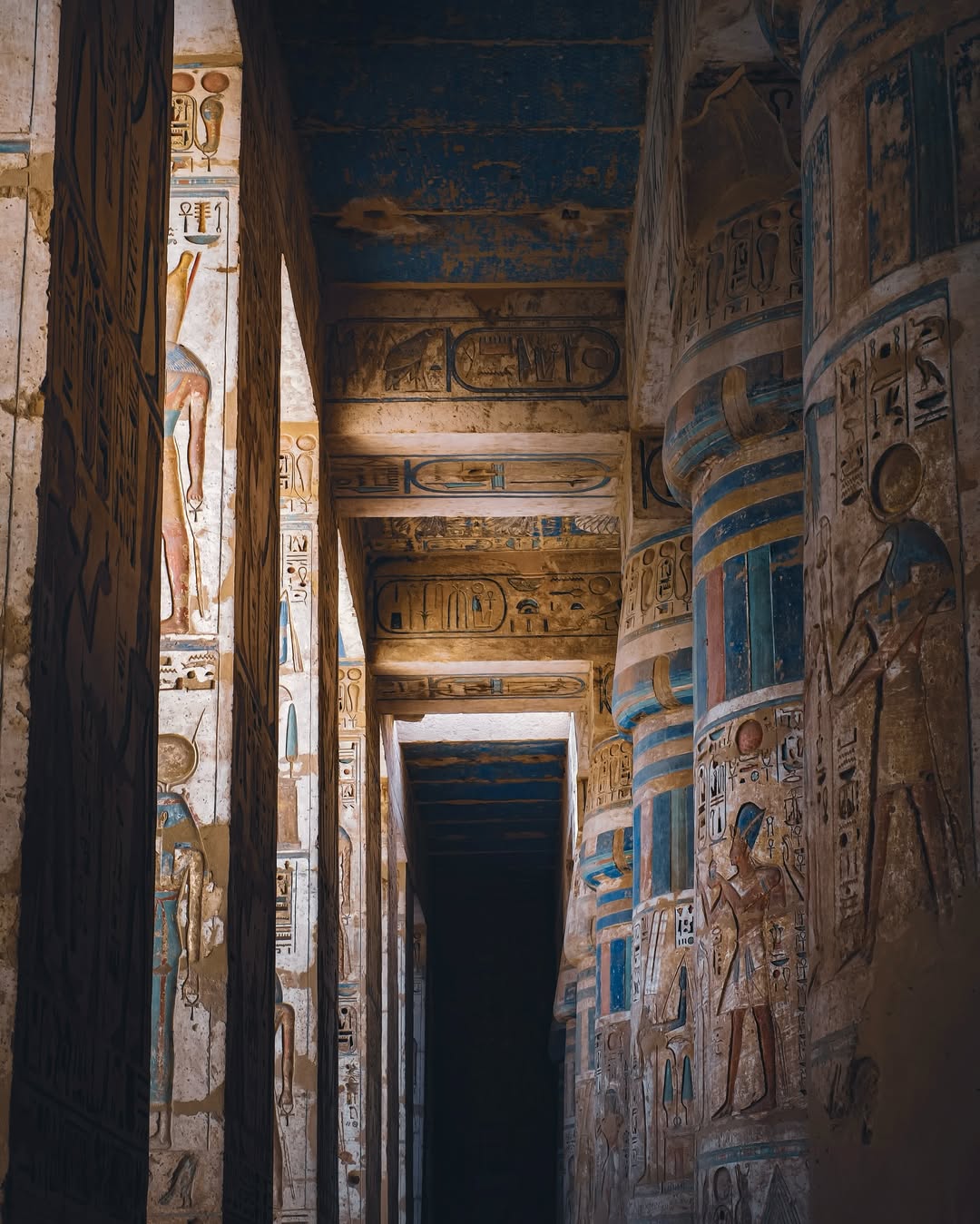
Luxor rewards travelers willing to do the guided-tour, learn-the-history version of Egypt — full days, a lot of walking in heat, a lot to take in. It’s the version of Egypt most people picture.
Why Visit Aswan
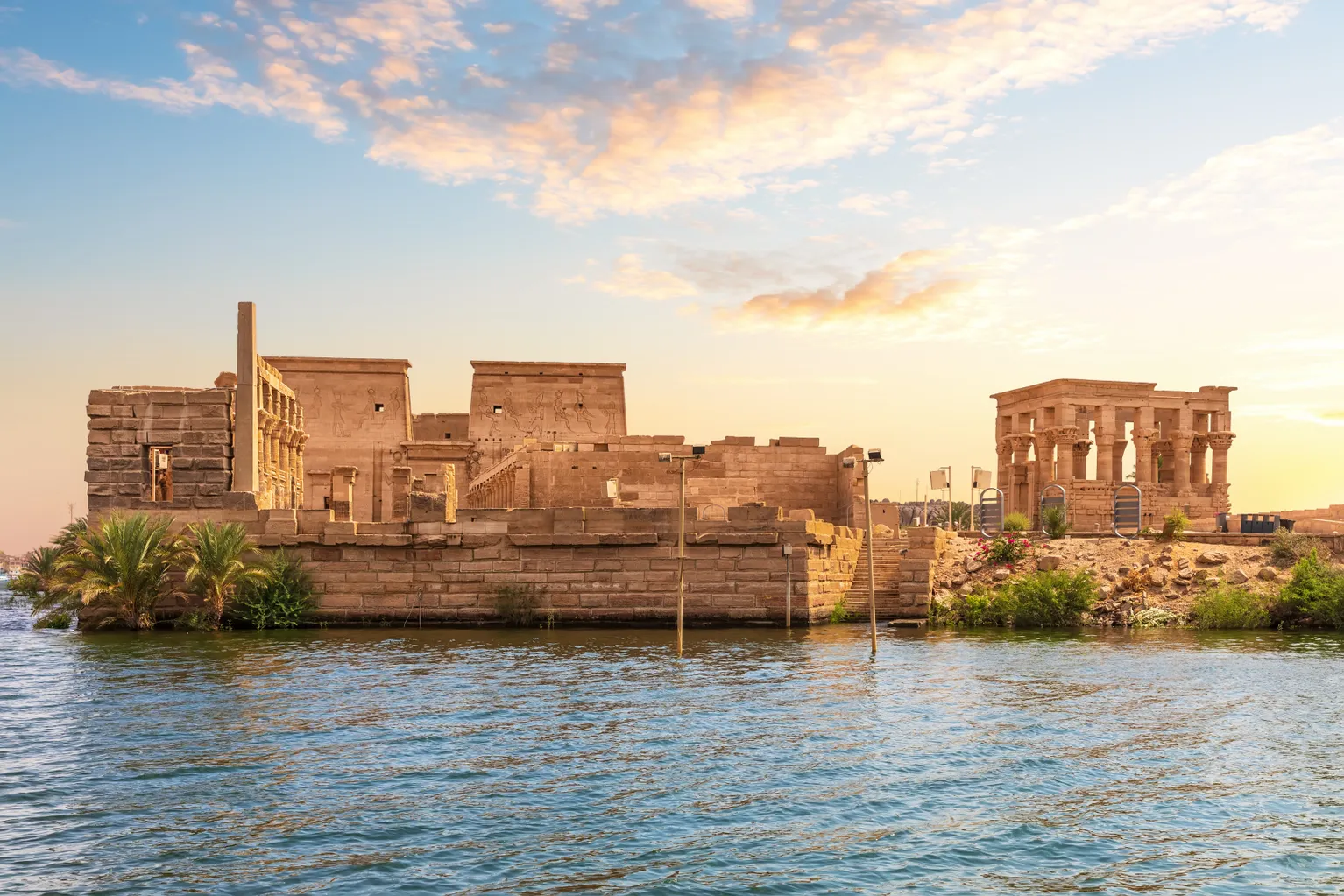
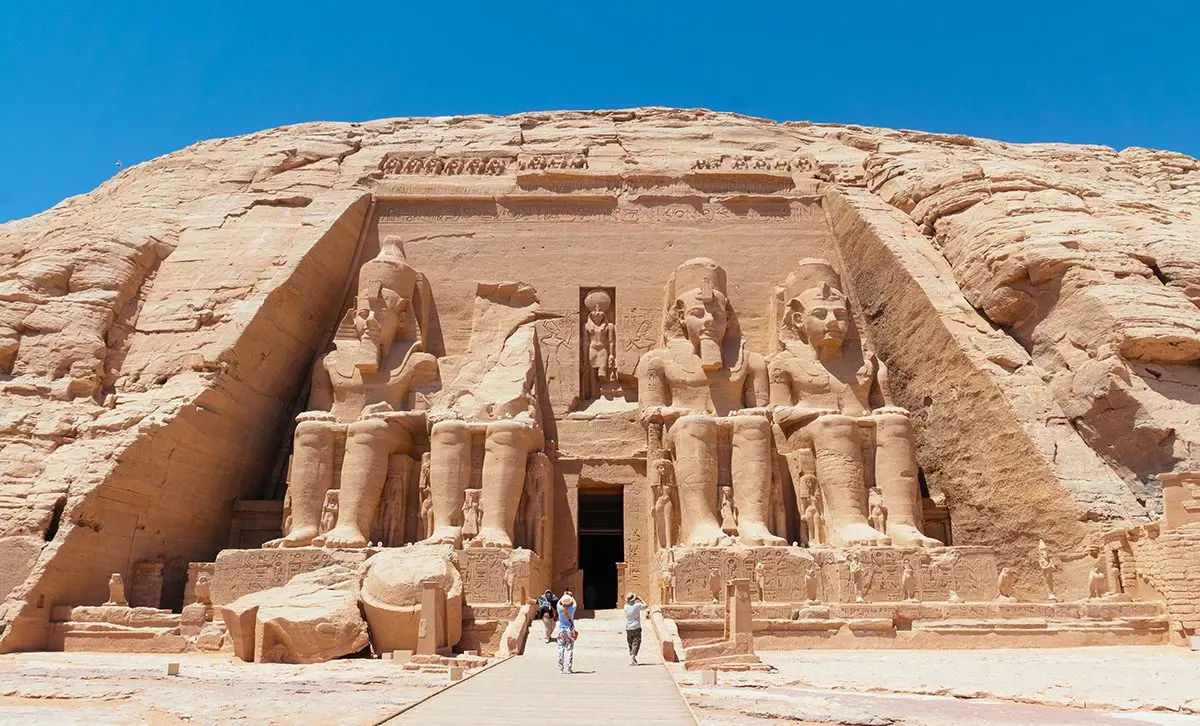
Aswan runs at a different speed entirely. Philae Temple, dedicated to Isis, sits on Agilkia Island and is reachable only by boat — part of its charm. Abu Simbel, Ramses II’s rock-cut temple 280km south near the Sudanese border, is a full UNESCO relocation story: the entire structure was moved block by block in the 1960s to save it from the rising waters of Lake Nasser. The Unfinished Obelisk, still attached to its bedrock, is the closest thing Egypt has to an open construction site frozen in time.
Aswan is also the center of Nubian heritage in Egypt — colorful lakeside villages, home-cooked meals, and a slower, more personal version of hospitality than Luxor’s tour-bus circuit. A felucca ride at sunset here does more work than any museum.
What It Costs
Site fees and passes change often enough that we keep a single up-to-date reference rather than repeating figures here — see current Luxor entrance fees and whether the Luxor Pass is worth it if you’re combining several sites. Aswan’s major fees (Philae, Abu Simbel) follow the same government pricing structure and are worth confirming at egymonuments.gov.eg before you go.
Best Time to Visit
October through April is the comfortable window for both cities, with daytime highs suited to full days outdoors — see our Luxor weather guide for month-by-month detail. The one date worth building a trip around either way: the **Abu Simbel Sun Festival** (February 22 and October 22), when sunlight reaches into the temple’s inner sanctum — a genuinely rare spectacle, and a reason to time an Aswan visit specifically.
Getting Between Luxor and Aswan
Overnight sleeper train, a multi-day Nile cruise with stops at Edfu and Kom Ombo, or a roughly hour-long domestic flight — full pros, cons, and booking tips for each are in our guide to getting to Luxor.
Where to Stay
Luxor’s range runs from the Sofitel Winter Palace down to West Bank guesthouses — see our full Luxor lodging guide for picks by budget and bank. In Aswan, the Old Cataract Hotel is the splurge pick (Agatha Christie stayed there while working on *Death on the Nile*, and it’s widely cited as inspiration for the novel’s Cataract Hotel setting); Nubian-style boutique lodges and riverside hostels cover the mid-range and budget end.
Suggested Itineraries
- 3 days in Luxor: Karnak and Luxor Temples on day one, Valley of the Kings and Hatshepsut’s Temple on day two, an evening walk through lit-up Luxor Temple to close it out.
- 2 days in Aswan: Philae Temple and a felucca ride on day one, a day trip to Abu Simbel on day two.
- 4–5 day Nile cruise: the way to see both properly, with Edfu and Kom Ombo.
Luxor or Aswan: Which Should You Choose?
If you only have 2–3 days and want maximum ancient history, go to Luxor — nowhere else in Egypt fits this much in one place. If you have a week or more, add Aswan at the end: it’s the right pace to unwind after several intense days of temples, and Abu Simbel alone justifies the detour.