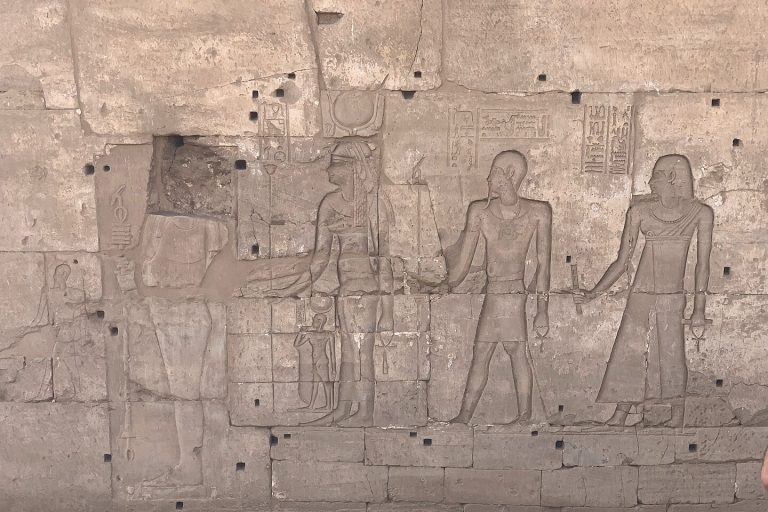
Roman, Christian, and Islamic reuse of Luxor Temple
The Luxor Temple is a unique monument that tells a rich and storied tale. It stands by the Nile River and has changed over time as different civilizations modified it, each adding their own spiritual marks. Originally, it was a temple dedicated to Amun, the pharaohs’ god. Later, it became a Roman shrine dedicated to Augustus, then transformed into a Christian basilica, and finally topped with the Mosque of Abu Haggag, where lively festivals still take place today. Luxor Temple is more than just a relic from Egypt’s past; it is a living record of faith, power, and resilience. Walking through its courtyards lets you travel through thousands of years of human devotion and cultural change.
Roman Reuse of Luxor Temple
When Egypt came under Roman rule, Luxor Temple was not left unused. Instead, the Romans changed it to meet their needs:
Worship of Emperor Augustus: The Romans turned the Luxor Temple into a place of worship for Emperor Augustus. This was part of a larger plan to bring Egyptian sacred places into the Roman system, showing the emperor’s divine power.
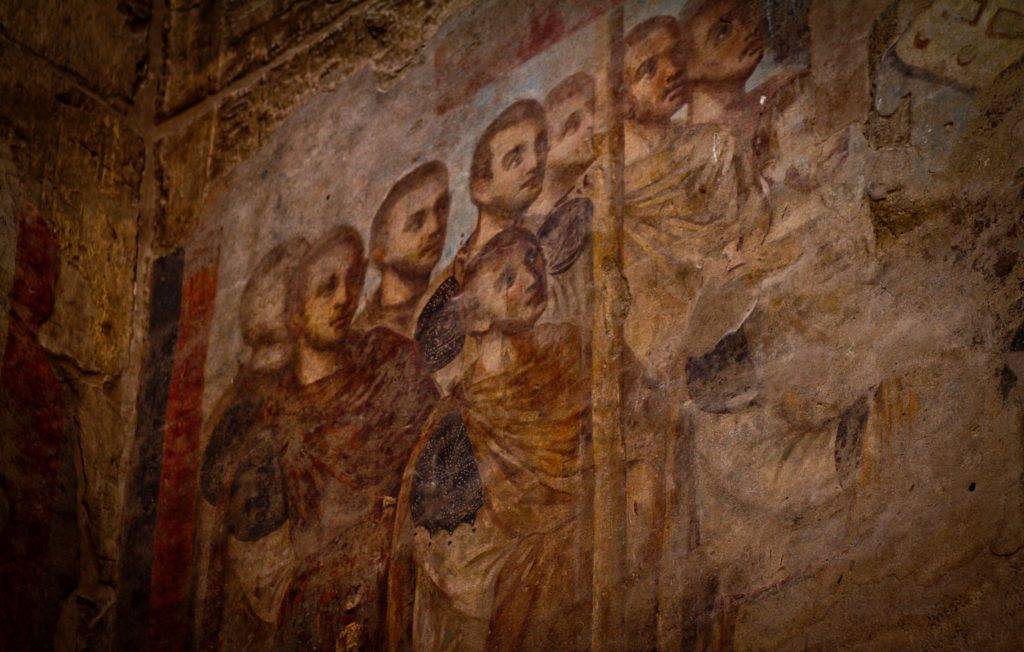
Architectural Changes: The Romans painted frescoes directly on the temple walls, combining Egyptian styles with Roman art. They used courtyards and halls for civic and military events, showing Rome’s strength while honoring Egypt’s religious history.
Cultural Blending: By repurposing Luxor Temple, Rome showed it could respect local traditions while displaying its power. The temple became a space where Egyptian gods and Roman emperors existed together.
This Roman period shows that Luxor Temple was not static—it changed to meet the political and spiritual needs of those in power.
Luxor Tours & Activities
Looking to save some costs on your travel? Why not join a shared group tour to explore Luxor, Egypt? Here are some activities you might be interested in:
Christian Transformation of Luxor Temple
By the 4th century CE, Egypt had accepted Christianity, and Luxor Temple changed significantly.
Coptic Basilica: Some parts of the temple became a Christian church. Columns and areas that once honored Amun were turned into altars for Christ.
Murals and Iconography: Christian murals covered ancient Egyptian reliefs. This change showed both continuity and removal, as pagan images were replaced with biblical scenes, highlighting the victory of one god over many.
Community Role: Luxor Temple became an important place for Christian worship in Upper Egypt, providing spiritual support for local communities.
This phase shows how sacred buildings can adapt. Instead of being destroyed, Luxor Temple was modified to fit a new faith, allowing it to survive through difficult times.

Islamic Reuse: The Mosque of Abu Haggag
The Mosque of Abu Haggag is a notable example of reuse, built on the ruins of Luxor Temple.
The Hanging Mosque sits about 9 meters above the ground in the temple’s northeastern corner. Its height gives it the nickname “Hanging Mosque.”
The mosque stands over the remains of a Coptic church, which was built on ancient pharaonic foundations. This mix of religions makes Luxor Temple a unique sacred site in the world.
The mosque is still active today. Each year, the Abu Haggag festival includes processions, music, and devotion, blending Islamic traditions with elements of ancient Egyptian festivals.
This reuse shows that Luxor Temple is not just a relic of the past but a living monument, continuously part of local life.

Symbolism of Religious Continuity
The story of Luxor Temple is about its endurance and ongoing importance.
Sacred Resilience: Even as religions changed from polytheism to Christianity to Islam, the temple stayed a holy place. Its appeal as a sacred site has lasted for thousands of years.
Cosmology and Authority: Each religion has given the temple a new meaning. For Egyptians, it represented divine kingship; for Romans, it was about the imperial cult; for Christians, it symbolized salvation; and for Muslims, it showed devotion to saints.
Modern Significance: Today, Luxor Temple is a UNESCO World Heritage site and attracts millions of visitors who are amazed by its rich history.
This ongoing importance makes Luxor Temple a unique example of how buildings can outlast time, politics, and religions.
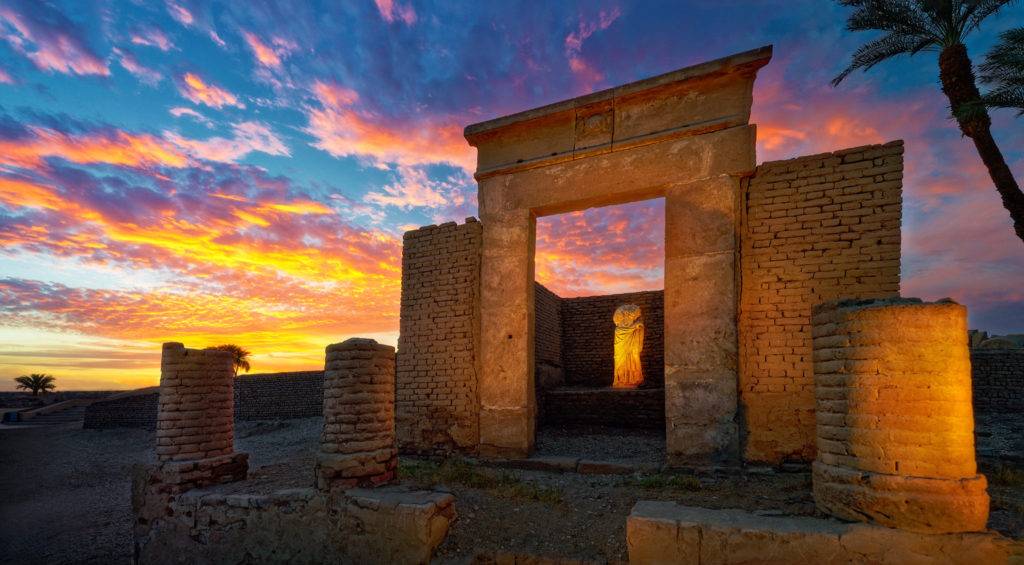
Luxor Temple as a Palimpsest of Faith
Luxor Temple is more than just an ancient ruin; it is a symbol of faith, power, and community. Throughout history, pharaohs, emperors, bishops, and saints have all made their mark on it. This makes the temple a reflection of Egypt’s rich history. Its use during Roman, Christian, and Islamic times shows how sacred spaces can change and how human devotion endures. Today, Luxor Temple connects the past with the present, reminding us that our heritage is always being reinterpreted.
Got a Question?
F.A.Qs
The Romans repurposed Luxor Temple as a center for the imperial cult of Emperor Augustus. They added frescoes and used the temple for civic and military ceremonies, blending Egyptian sacred traditions with Roman authority.
In late antiquity, parts of the temple were converted into a Coptic basilica. Christian murals were painted over pharaonic reliefs, symbolizing the shift from polytheism to monotheism while preserving the temple as a place of worship.
Yes. Visitors can still spot Roman frescoes, faint Christian murals, and the Mosque of Abu Haggag alongside the original pharaonic architecture. These layers make Luxor Temple one of the most unique monuments in the world.
Luxor Temple embodies Egypt’s ability to adapt sacred spaces across millennia. From pharaonic rituals to Roman imperial worship, Christian liturgy, and Islamic devotion, it reflects resilience and the enduring significance of faith in Egyptian culture.
Did you know that
By purchasing through our links, you support us at no additional cost.
Thank you for your support. ♥️