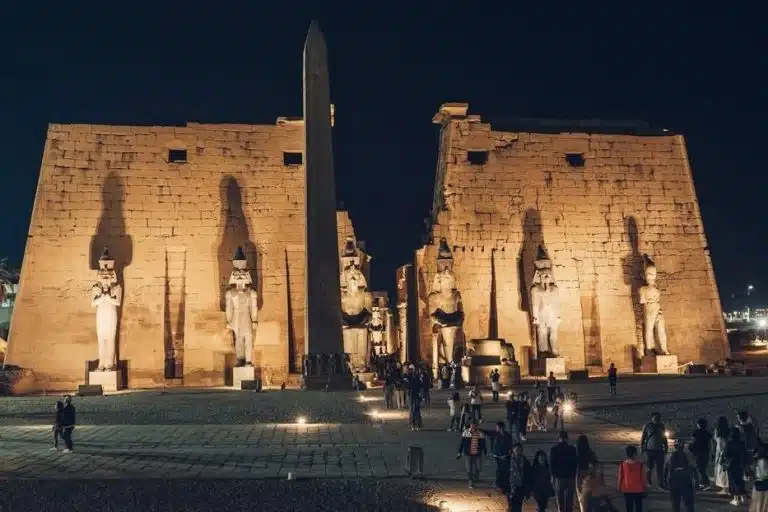
Luxor Travel Cost: 2026 Travel Budget Guide
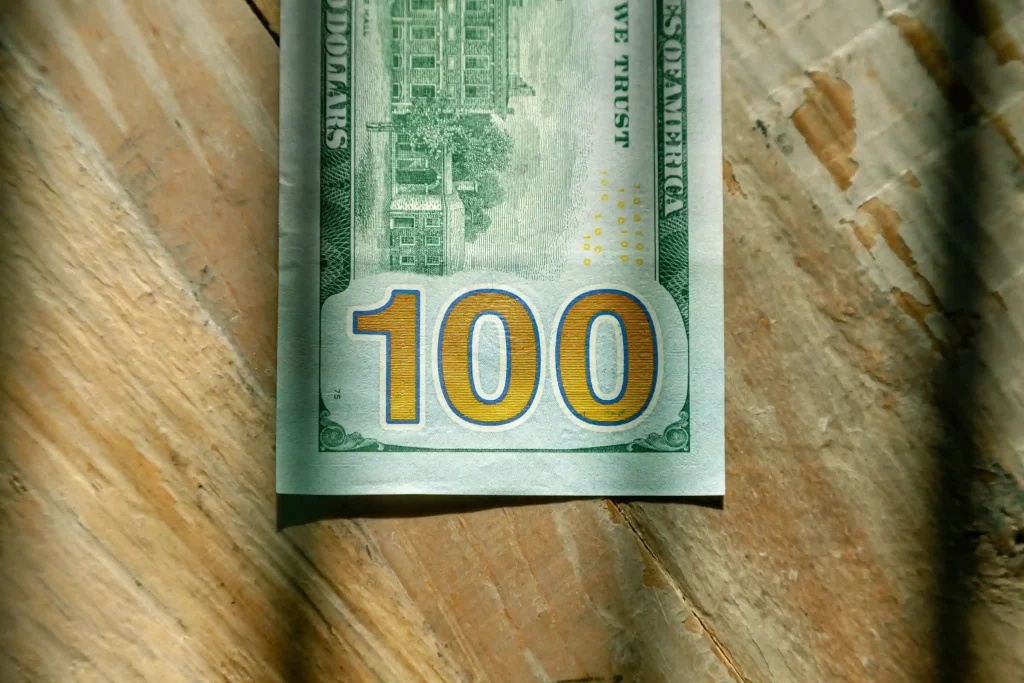
Navigating the financial landscape of Luxor in 2026 requires a mix of ancient patience and modern strategy. While the city remains a global bargain compared to European archaeological hubs—often 40-60% cheaper than equivalent sites—the “hidden” costs of tipping, tiered entry fees, and the “tourist tax” can add up if you aren’t prepared. This guide is designed to help you manage your Egyptian Pounds (EGP) with the precision of a master architect, ensuring your focus remains on the Pharaohs, not your bank balance.
Currency: Navigating the Egyptian Pound (EGP)
Before buying your first souvenir, you need to know about local money. In Egypt, the currency is the Egyptian Pound, also known as LE (Livre Égyptienne) or EGP. By 2026, the currency will have stabilized a lot, but it still changes slightly, which can affect how much you can buy. Right now, the exchange rate is about 1 USD to 48–50 EGP, making it easy to do the math.
Here are some key things to know about cash:
1. The “Small Note” Rule: Always remember this. You can get big bills (200 and 100 EGP) easily from ATMs, but they are hard to use for small tips or street food. Break your large bills at supermarkets like Metro or Kheir Zaman to get 5, 10, and 20 EGP notes.
2. Plastic vs. Paper: Luxor still mainly uses cash. In 2026, you will see more places accepting cards, especially in upscale hotels and at official tourism booths. However, you will still need cash for 90% of your daily activities, like taxis, local cafes, and market stalls.
3. Avoid the “Airport Tax”: It might be tempting to exchange all your money at the Luxor airport when you arrive, but the rates are usually not good. Exchange just enough for your taxi and some tips. Use ATMs in the city for the rest.
Luxor Tours & Activities
Looking to save some costs on your travel? Why not join a shared group tour to explore Luxor, Egypt? Here are some activities you might be interested in:
Where to Get Your Cash: ATMs and Security Hacks
In 2026, the most efficient way to access money is through local ATMs attached to major banking institutions. These machines offer the most secure environment and the most competitive market rates.
Pro Tips for ATM Usage:
Stick to Trusted Banks: Look for CIB (Commercial International Bank), Banque Misr, or the National Bank of Egypt (NBE). These banks are less likely to have skimmers and provide better customer service if the machine happens to retain your card.
The Wise/Revolut Strategy: Use digital-first travel cards like Wise or Revolut to hold a balance in EGP. This allows you to avoid the 3%–5% foreign transaction fees charged by traditional banks.
Mind the Daily Limits: Most Egyptian ATMs have a withdrawal limit between 5,000 and 10,000 EGP per transaction. If you are paying for a multi-day tour or a hot air balloon ride in cash, you may need to visit the ATM over multiple days.
The Art of the Deal: Haggling in the Souks
Shopping in Luxor’s Old Market (Souk) is an Olympic sport. Whether you’re looking for alabaster vases, Egyptian cotton, or fragrant spices, the first price you hear is merely an invitation to dance.
Rules of Engagement for Haggling:
The 50% Rule: A common starting point is to counteroffer with roughly 40% to 50% of their initial price. Expect to settle around 60%–70% of the starting bid.
The “Walk Away” Power Play: This is your most effective tool. If the price isn’t right, thank them and start walking. In 90% of cases, the price will drop significantly before you reach the next stall.
Keep it Friendly: Haggling is a social interaction, not a battle. A smile and a joke in broken Arabic (like “Ghalli awi!” – too expensive!) goes much further than aggression.
When Not to Haggle: Do not negotiate at pharmacies, official grocery stores, or government-run ticket booths. These are fixed-price environments.
Budget Breakdown: What Does Luxor Actually Cost?
To help you plan, we’ve synthesized data from the most recent 2026 cost reports. Note that historical site fees represent the highest fixed cost for most visitors, as they are priced higher for foreigners to support conservation.
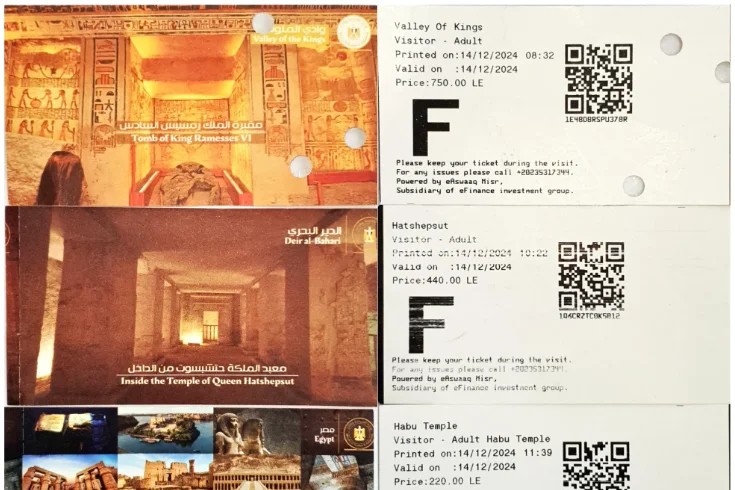
Archaeological Site Entry Fees (Foreign Adults):
Valley of the Kings (Standard 3-Tomb Entry): ~750 EGP
Tutankhamun’s Tomb (Add-on): ~600 EGP
Karnak Temple: ~600 EGP
Luxor Temple: ~500 EGP
Temple of Hatshepsut: ~440 EGP
While we have listed the main highlights, entry fees are subject to change by the Ministry of Antiquities. For a complete, up-to-date list of all 40+ sites, refer to the official Luxor Attractions Entrance Fees schedule.
Daily Spending Tiers:
1. The Budget: ~$35 – $45 USD / Day
Stay: Simple guesthouses on the West Bank (~$18/night).
Eat: Street staples like Koshary from El-Zaeem (~$2) and Falafel.
Move: The local Nile ferry (10 EGP) and rented bicycles (150 EGP/day).
2. The Mid-Range: ~$110 – $140 USD / Day
Stay: Quality 3 or 4-star hotels like Iberotel Luxor (~$60/night).
Eat: Sit-down dinners with Nile views at Al-Sahaby Lane (~$18/meal).
Move: Private taxis for temple runs (~$40/day).
3. The Luxury: ~$280+ USD / Day
Stay: The historic Winter Palace or Sonesta St. George (~$150-$250/night).
Eat: Upscale hotel dining and fine French-Egyptian fusion (~$50/day).
Experiences: Private Egyptologist guides and sunrise hot air ballooning (~$120).
If you plan on seeing more than five major sites, you might save significantly by purchasing a multi-day permit. You can see if it’s worth it for your itinerary in this Luxor Pass Guide.
Decoding "Baksheesh": The 2026 Tipping Etiquette Guide
The word you will hear most often in Luxor is Baksheesh. To the uninitiated, it can feel like a constant request for a handout, but in Egyptian culture, it is a deeply ingrained social contract. It is a mix of tipping, almsgiving, and a “thank you” for service. In a country where the cost of living has risen, your tips often make up a significant portion of a worker’s take-home pay.
The Luxor Tipping Cheat Sheet:
Restroom Attendants: 10–20 EGP (essential if they provide paper).
Hotel Bellhops: 50–100 EGP
Temple Guards: 50 EGP if they show you a “secret” photo spot (but never feel pressured to pay for unsolicited “help”).
Private Tour Guides: 500–1,000 EGP per day, depending on their expertise and group size.
Private Drivers: 200–400 EGP for a full day of West Bank exploration.
Felucca Captains: 100–200 EGP per hour of sailing.
Wallet Safety: Common Scams and How to Avoid Them
Luxor is generally safe from physical crime, but first-time visitors should be cautious. Here’s a quick guide on common scams:
– Taxi: Always agree on a fare beforehand; a short trip should cost 100–150 EGP.
– Friendly Strangers: Someone might approach, claiming to work at your hotel, to direct you to a “government-approved” shop. Fix: Politely decline with “La, Shukran” (No, thank you).
– Per Person Trick: You agree on a price for a horse carriage, but are told it’s per person. Fix: Specify “200 Pounds total” when negotiating.
Avoiding the ‘hassle’ is the top priority for many first-time visitors. If you want a deeper look at specific street tactics to watch out for, this Guide to Avoiding Scams in Luxor is an essential pre-trip read.
Spend Mindfully, Enjoy Fully
In Luxor, managing your money isn’t about being cheap; it’s about being prepared. Understanding local customs and keeping small bills ready will help you avoid pitfalls and enjoy the wonders of Ancient Thebes without financial stress.
Got a Question?
F.A.Qs
Not quite. While 2026 has seen a major push toward digitalization at official sites and luxury hotels, Luxor is still powered by the Egyptian Pound (EGP). You’ll need cash for:
Local taxis and horse carriages.
Small cafes and street food vendors.
Tips (Baksheesh) for everyone from restroom attendants to boat captains.
Market souvenirs.
For a mid-range traveler, carrying around 1,500 – 2,500 EGP (roughly $30–$50 USD) in your pocket is usually sufficient for daily meals, transport, and tips. Keep the bulk of your cash in a secure spot at your hotel and only carry what you need for the day.
Actually, in 2026, most major Ministry of Tourism sites (Karnak, Valley of the Kings, etc.) only accept credit/debit cards or pre-purchased online tickets. This is a recent move to reduce corruption and streamline entry. Always have a card handy for ticket windows, even if you’re using cash for everything else.
In 2026, a standard ride from the East Bank to the West Bank ferry or a short 30-minute tour should cost between 150 and 250 EGP. Always agree on the price before you board and clarify that the price is for the whole group, not per person.
Did you know that
By purchasing through our links, you support us at no additional cost.
Thank you for your support. ♥️