
Cairo or Luxor — most Egypt itineraries end up debating this at some point, and the honest answer is that they’re not really substitutes for each other. Cairo is a city of over 20 million people where the Pyramids of Giza sit at the edge of modern traffic and Islamic-era mosques stand a few streets from glass towers. Luxor, built on the ruins of ancient Thebes, is smaller, quieter, and organized almost entirely around one thing: pharaonic history. Here’s how they compare, and how to decide between them.
Cairo vs Luxor at a Glance
| Cairo | Luxor | |
|---|---|---|
| Known for | Pyramids, Egyptian Museum, Islamic Cairo | Karnak, Valley of the Kings, Nile temples |
| Vibe | Fast-paced, crowded, energetic | Quiet, reflective, slower |
| Time period covered | Ancient through modern | Almost entirely pharaonic |
| Getting around | Metro + heavy traffic | Small enough to walk or taxi |
| Best for | First-time visitors wanting variety | History-focused travelers |
Cairo: The Heartbeat of Egypt
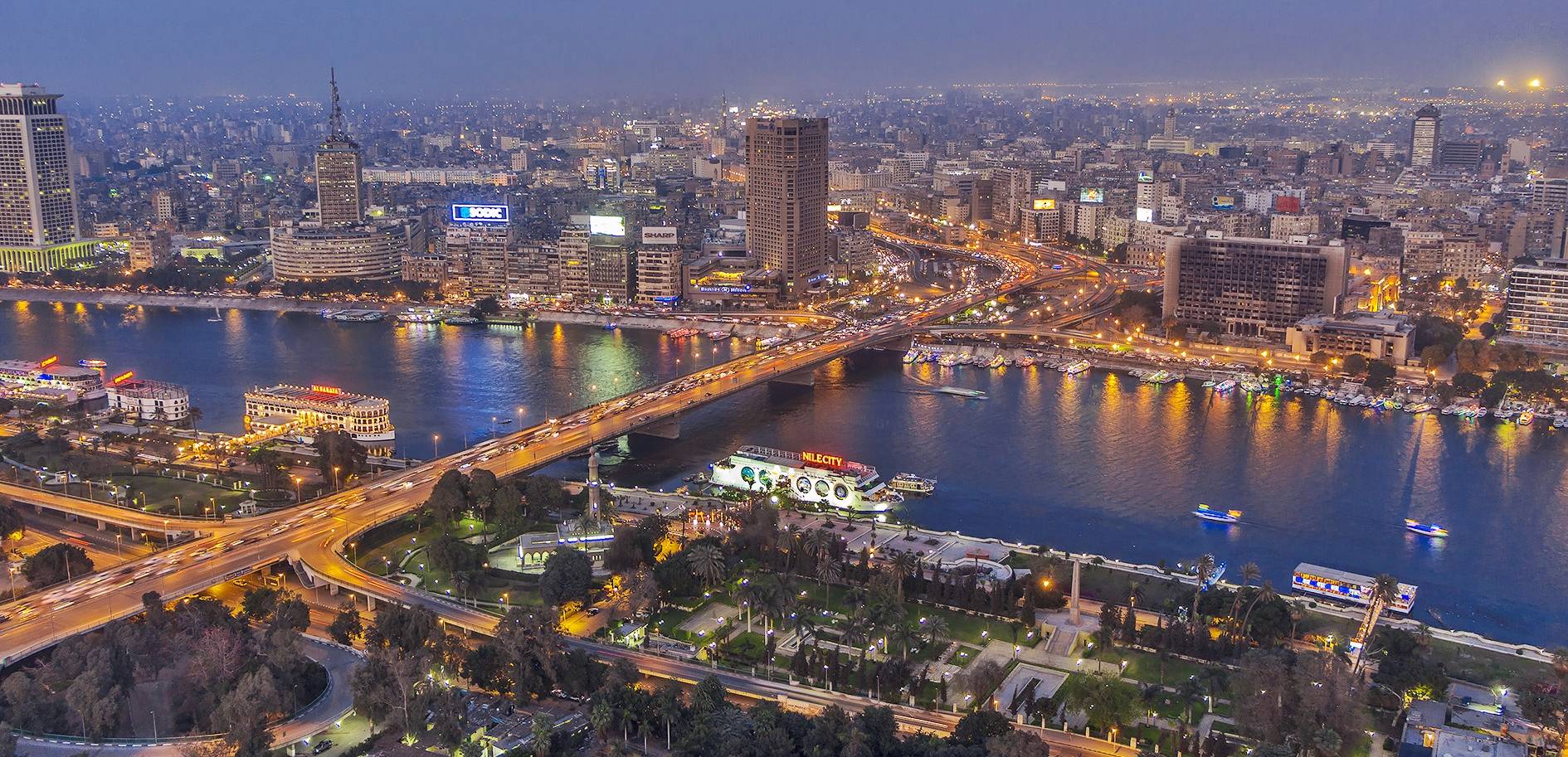
Cairo is usually the first stop for international visitors — it’s the only city in Egypt where ancient monuments, medieval architecture, and modern life sit on top of each other.

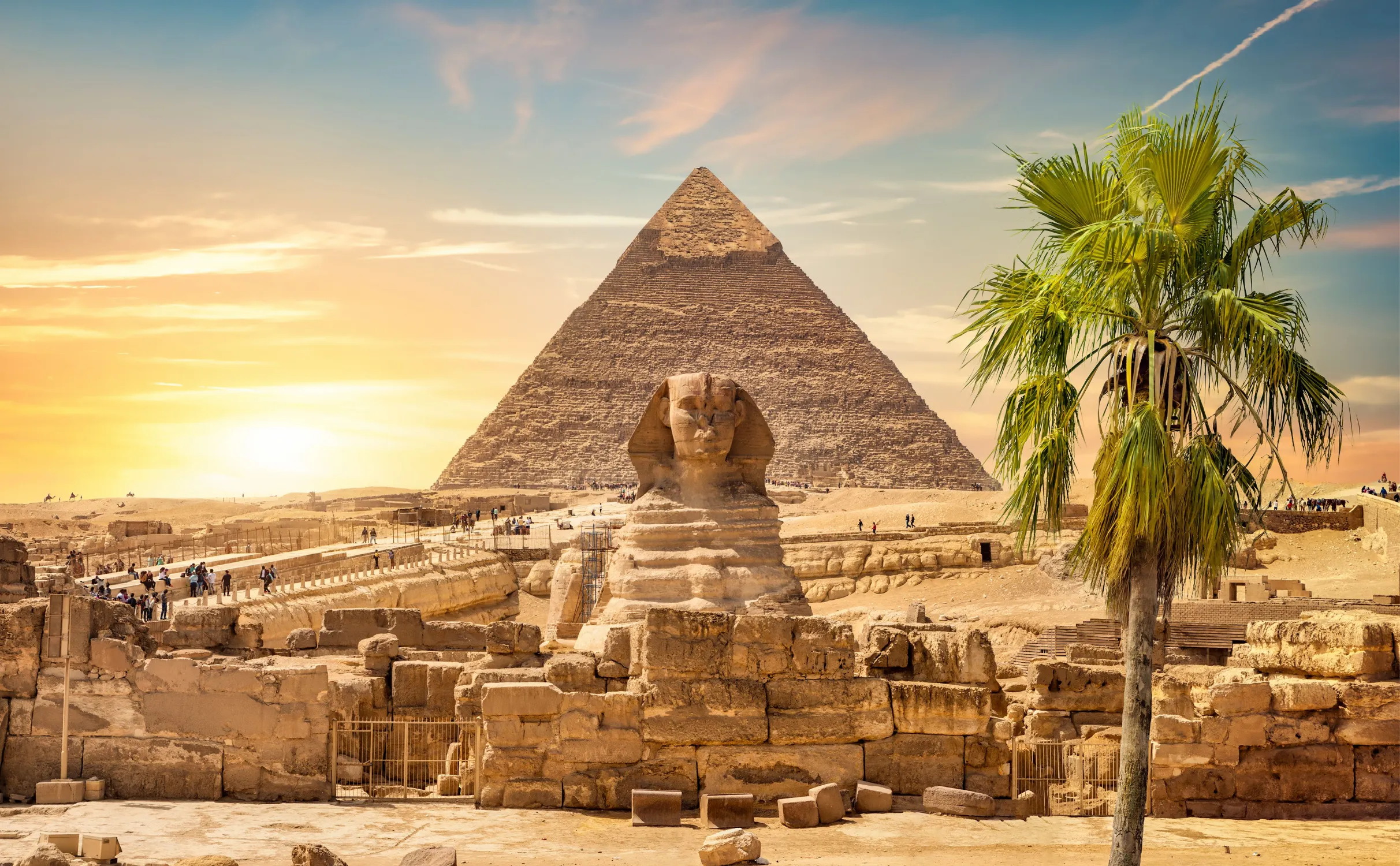
- Pyramids of Giza and the Sphinx: the Great Pyramid is the last of the Seven Wonders of the Ancient World still standing, and it still delivers on scale.
- The Egyptian Museum and the Grand Egyptian Museum (GEM): the original Egyptian Museum in Tahrir Square still holds thousands of artifacts. The Grand Egyptian Museum near Giza, which opened to the public in late 2025, is now the world’s largest museum dedicated to a single civilization, with its Tutankhamun galleries as the headline draw. (Confirm current ticket tiers and hours at gem.eg before you go — this is worth double-checking against the museum’s own site given how recently it opened.)
- Islamic Cairo: medieval streets, mosques like Al-Azhar and Sultan Hassan, and the Khan el-Khalili bazaar.
- Modern Cairo: the Nile Corniche, rooftop views, and neighborhoods like Zamalek and Downtown for food and nightlife.
Luxor: Pharaonic Egypt, Concentrated
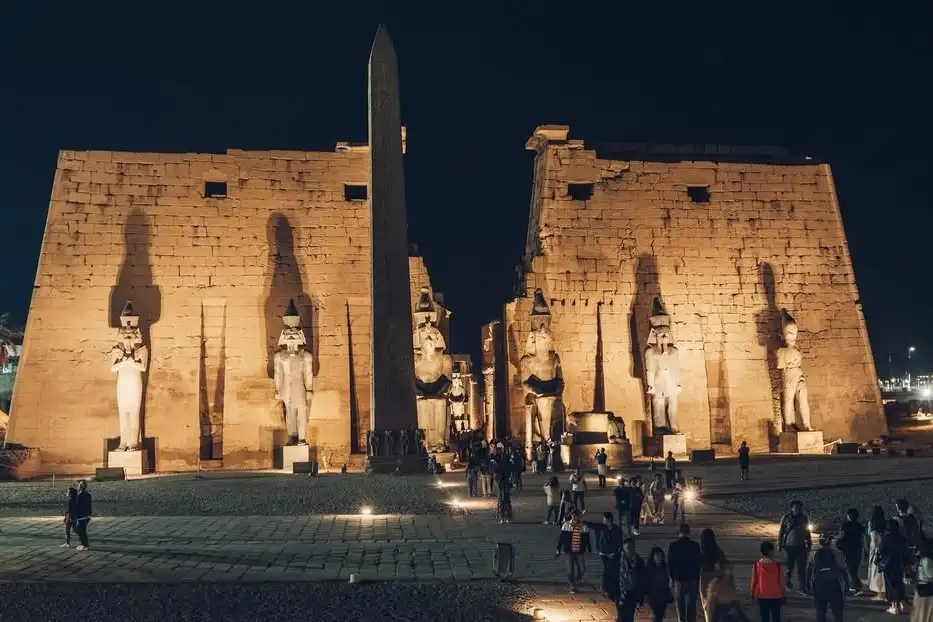
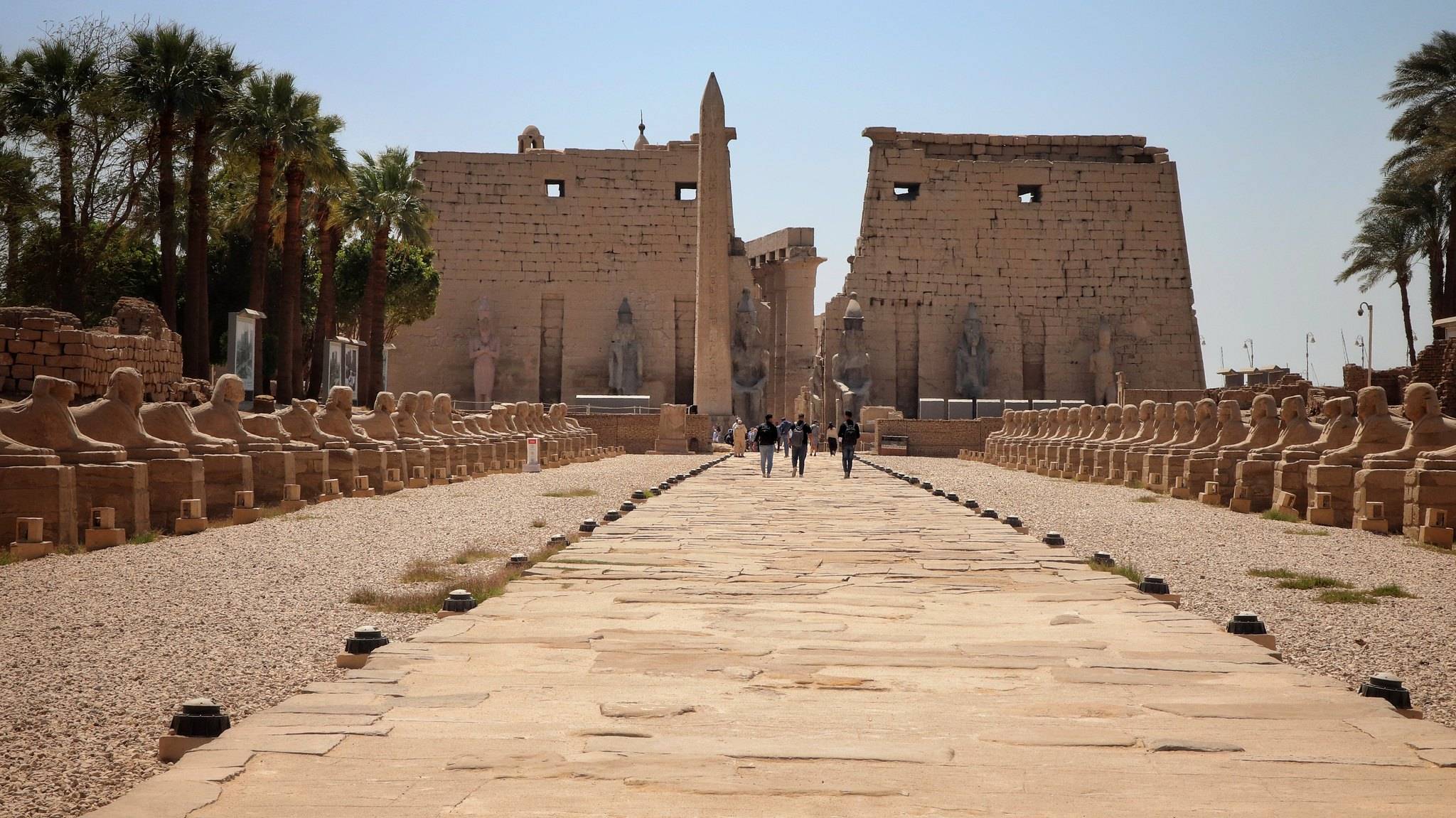
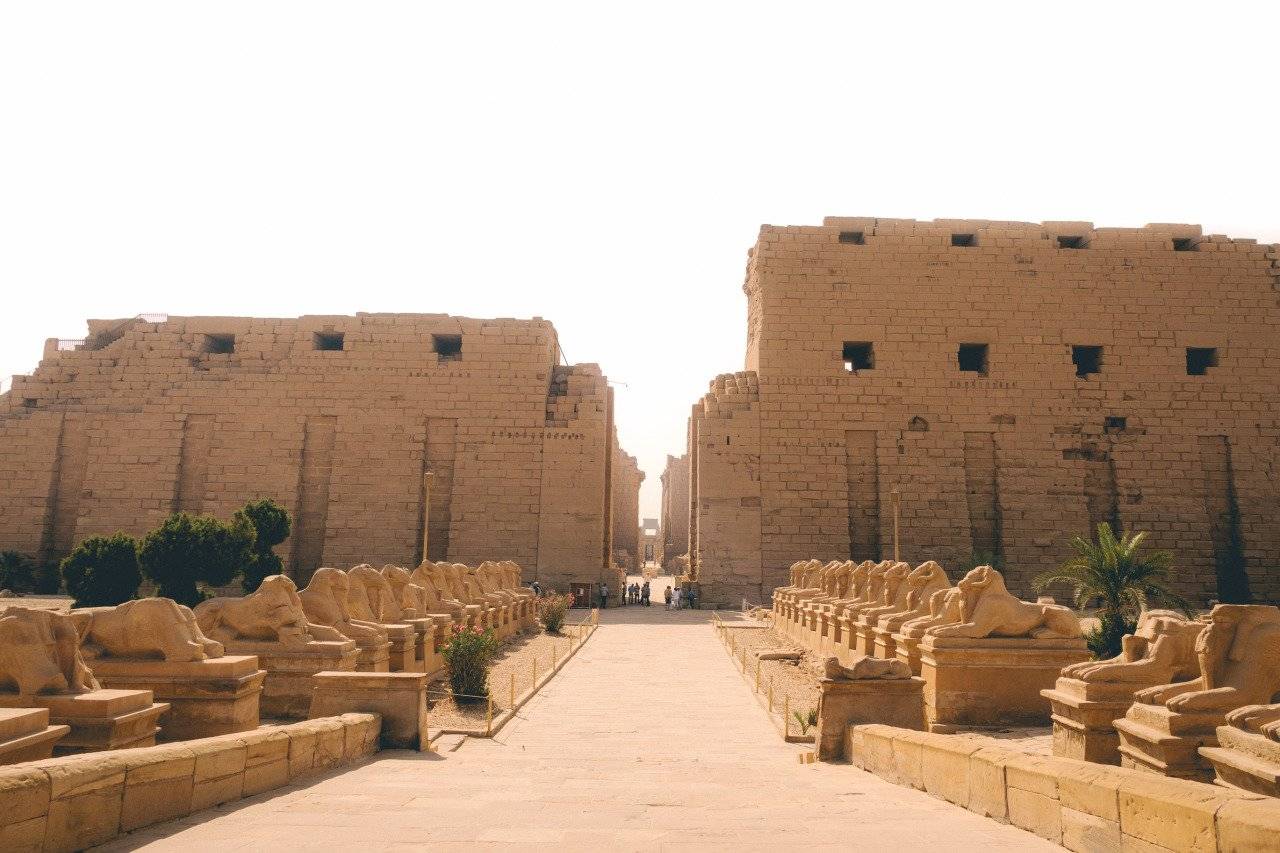
The Nile splits Luxor into an East Bank of temples and a West Bank of tombs. Karnak Temple and its Hypostyle Hall anchor the East Bank; the Valley of the Kings and Temple of Hatshepsut anchor the West Bank. Luxor Temple is best visited after dark. Felucca rides at sunset and quiet evenings on the Corniche round out the pace — Luxor isn’t only about monuments, it’s about how unhurried the city feels between them.
Cost and Getting Between Them
Cairo has more range at every price point — from budget hostels to five-star hotels near the Pyramids — while Luxor generally runs cheaper. For the Cairo–Luxor leg specifically:
- Flight: EgyptAir, about 1 hour, roughly $50–150 one-way. Several daily departures.
- Overnight sleeper train: departs Cairo’s Ramses Station in the evening, arrives in Luxor around dawn — roughly $60–130 per person including dinner and breakfast, and it saves you a hotel night.
- Bus: the budget option, around $12–20, but 9–12 hours on the road.
For getting around once you’re in Luxor, see our guide to getting to and around Luxor.
Food and Local Culture
Cairo has a cosmopolitan dining scene — street food staples like koshari, falafel, and shawarma alongside international restaurants in Zamalek and Downtown. Luxor’s food culture is more local and personal; see our Luxor food guide for restaurant picks and what to try. Khan el-Khalili in Cairo is the country’s most famous bazaar; Luxor’s souks are smaller and better for handicrafts than souvenirs.
Practical Travel Tips
Best time to visit both cities is October to April. For Luxor-specific detail on weather, safety, and dress code, see our guides to Luxor weather, is Luxor safe, and what to wear in Egypt. Most site entries are now card-only rather than cash, and many can be booked in advance at egymonuments.gov.eg.
Cairo or Luxor: Which Should You Choose?
If you want ancient Egyptian monuments concentrated in one place, choose Luxor. If you want the fuller sweep — pyramids, museums, medieval Cairo, and city energy alongside the ancient sites — choose Cairo. Most travelers end up doing both: fly or take the sleeper train from Cairo to Luxor, spend the history-heavy days in Luxor, and use Cairo for the modern-city contrast on either end.