Tomb Of Khaemhat
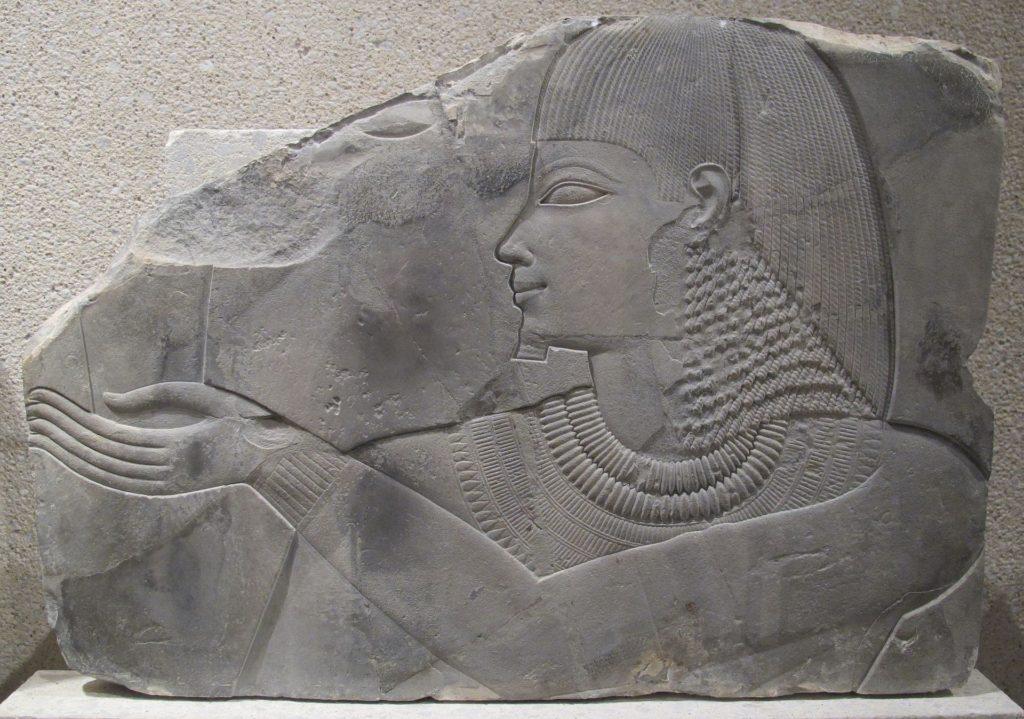
Luxor’s West Bank is home to ancient wonders like the Valley of the Kings, but a lesser-known gem awaits those who explore off the beaten path. The Tomb of Khaemhat (TT57), located in Sheikh Abd el-Qurna, is one of the most beautifully decorated private tombs of the New Kingdom. While it may not rival the fame of Tutankhamun’s tomb, TT57 offers a unique insight into ancient Egyptian agricultural and economic life through exquisite reliefs. For travelers seeking both artistry and authenticity, this tomb is a must-see, showcasing the convergence of history, daily life, and spirituality.
Who Was Khaemhat?
Khaemhat, also known as Mahu, was important to Egypt’s success even though he was not a pharaoh or a general. He worked as the Royal Scribe and Overseer of the Granaries of Upper and Lower Egypt during the reign of Amenhotep III (around 1390–1352 BCE). In this role, Khaemhat managed Egypt’s grain supply, which was essential for the empire’s wealth and stability.
Grain was not just food; it was a form of currency, a way to pay taxes, and the backbone of Egypt’s economy. By overseeing its storage and distribution, Khaemhat made sure that temples received their supplies, workers were fed, and the government could fund its large building projects. His tomb shows how crucial his role was. Unlike many other tombs that focus only on burial rituals, TT57 highlights the economic workings of the New Kingdom, making it a unique and valuable historical record.
Luxor Tours & Activities
Looking to save some costs on your travel? Why not join a shared group tour to explore Luxor, Egypt? Here are some activities you might be interested in:
Location and Historical Context
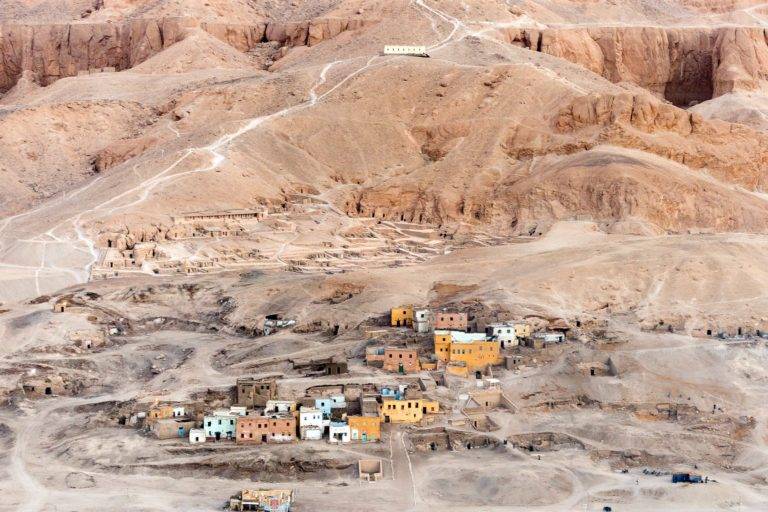
The tomb is located in Sheikh Abd el-Qurna, a key area for important burials in the Theban Necropolis. This hillside was the final resting place for high officials, scribes, and priests who worked for the pharaohs of the 18th Dynasty.
TT57 is close to the tombs of Ramose (TT55) and Userhet (TT56), making it easy to visit all three in one trip. Unlike the Valley of the Kings, which was for royalty, Sheikh Abd el-Qurna represents the lives of Egypt’s bureaucratic elite. These were the men and women who helped manage the empire.
For modern travelers, this background adds to the experience. Visiting TT57 is not just about seeing art; it is about entering the world of an administrator who supported one of history’s greatest civilizations.
Architecture and Layout of TT57
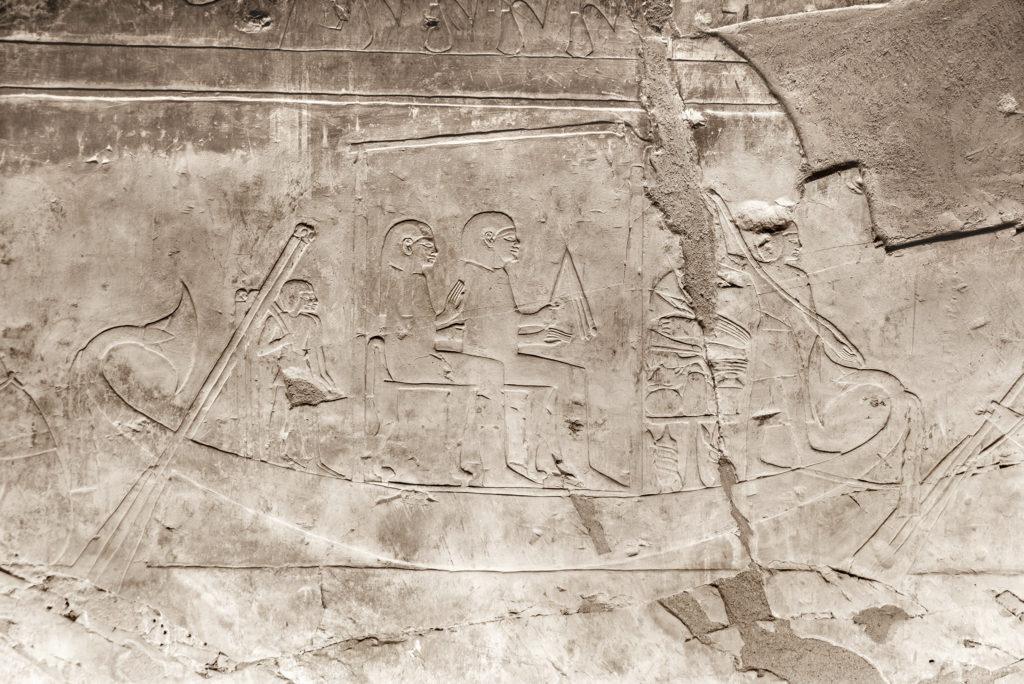
TT57 is a private tomb with a T-shaped layout. Visitors enter through a courtyard into a hall that leads to a longer hall and then to the main sanctuary.
The tomb is not large, but it is richly decorated. The three main rooms have deeply carved reliefs that show both religious themes and everyday life. This mix of sacred and daily scenes makes TT57 unique among the private tombs in Luxor.
Artistic Highlights: Reliefs and Inscriptions
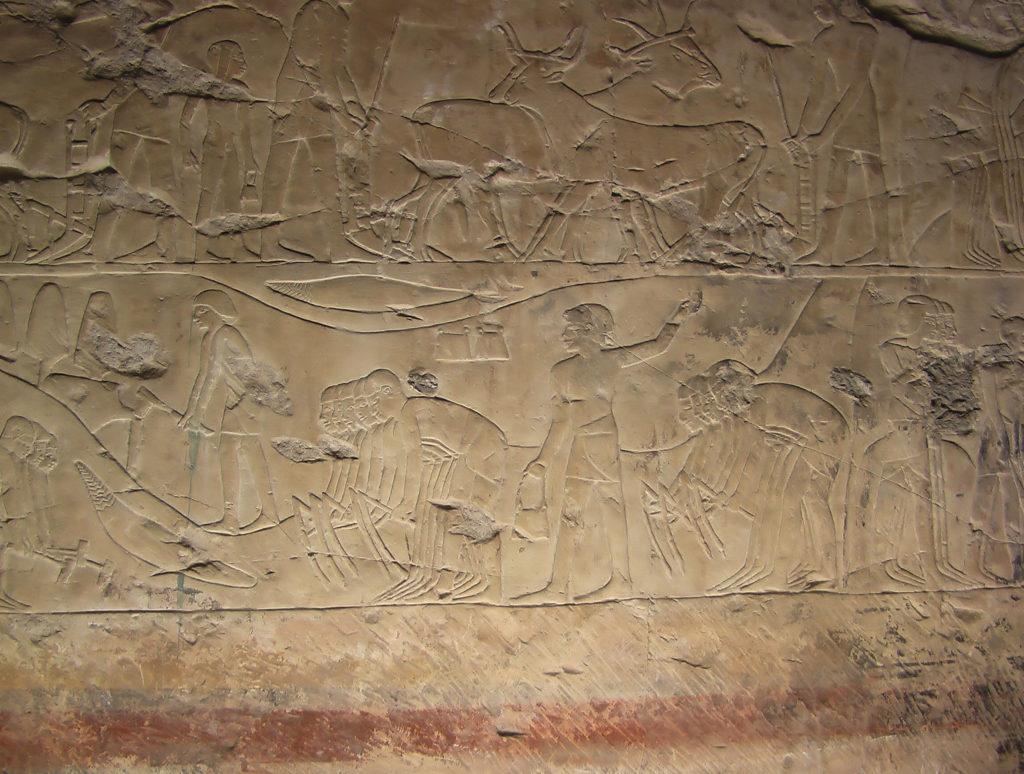
The artistry of TT57 is recognized as one of the best examples of New Kingdom relief work. The walls feature lively scenes that show more than just funerary themes; they provide a unique look into the economic and social life of the time.
Farming Scenes: The most famous images in the tomb show farming activities—plowing, sowing, harvesting, and storing grain. These scenes are not just symbolic; they represent the real processes that supported Egypt’s wealth.
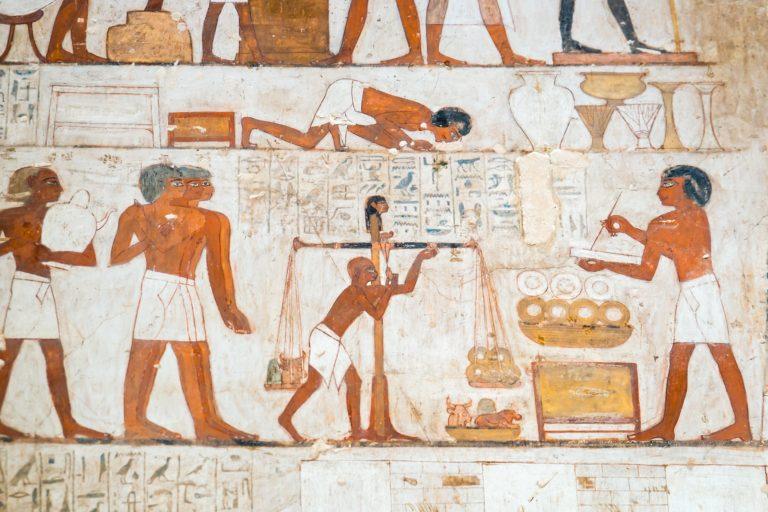
Market Scenes: TT57 stands out because it includes market activities. It shows traders, scribes, and officials weighing goods, recording transactions, and managing resource distribution. One notable scene even shows Nubian traders, showcasing Egypt’s international connections.
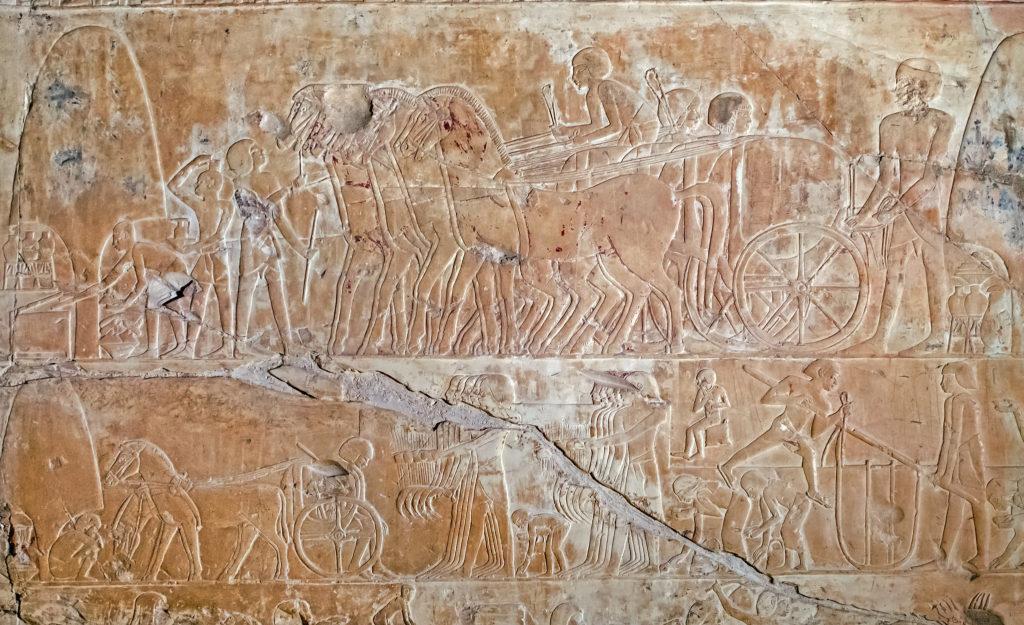
Religious Rituals: Alongside everyday life, the tomb also features traditional funerary scenes. Khaemhat is depicted making offerings to Osiris, taking part in funerary processions, and reciting spells from the Book of the Dead to help ensure his safe journey to the afterlife.
Sed Festival of Amenhotep III: A rare depiction shows the Sed festival, a celebration of royal renewal. This ties Khaemhat’s personal story to the larger history of Egypt’s politics and religion.
Artistic Style: The reliefs are deeply carved, detailed, and realistic. The figures are elegant, the hieroglyphs are clear, and the overall compositions are well-balanced. The craftsmanship is as impressive as that found in more famous tombs, yet TT57 remains a lesser-known treasure.
Did you know that
By purchasing through our links, you support us at no additional cost.
Thank you for your support. ♥️