Travel Insurance for Egypt
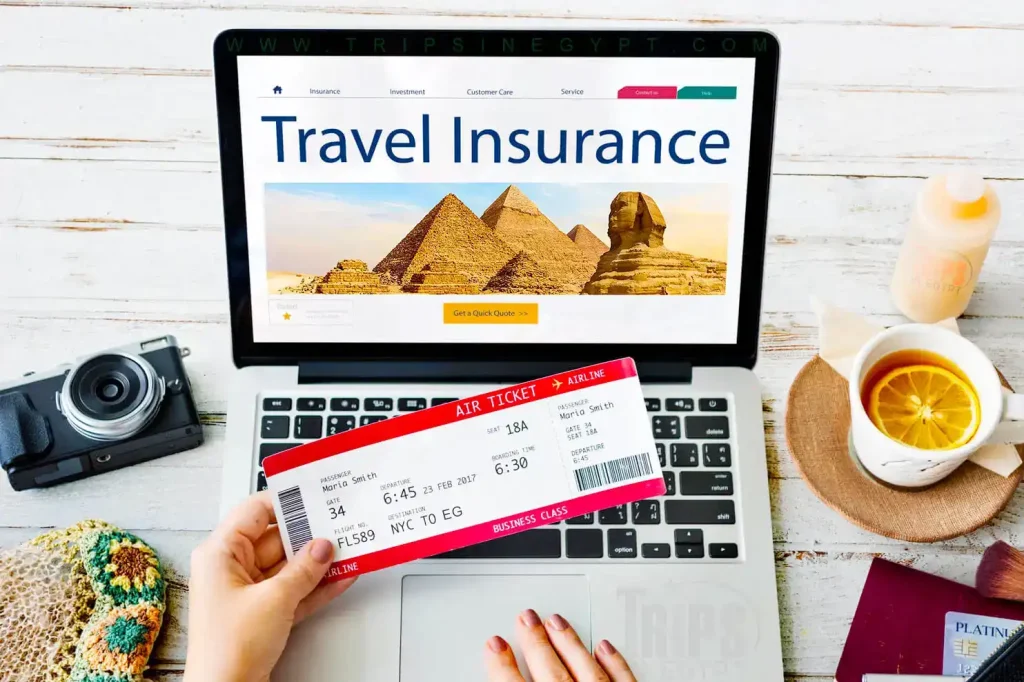
Egypt is a “bucket list” destination for its ancient wonders, vibrant bazaars, and hospitable people. While planning a trip filled with iconic sights, such as the Great Pyramid of Giza and Luxor, don’t overlook the importance of travel insurance. Having coverage is not just about peace of mind—it’s essential for protecting your wallet amid potential travel disruptions.
Is Travel Insurance Mandatory for Egypt?
Egypt does not legally require tourists with a standard E-visa or visa on-arrival to have insurance when entering the country. Unlike the Schengen Area in Europe, you are unlikely to be turned away at customs for not having insurance.
However, there are important things to consider:
Tour Operator Requirements: Most Nile cruise lines and guided tour companies require proof of insurance before you can board. They want to avoid being responsible for any medical emergencies.
The Shift: Egyptian officials are discussing making insurance mandatory to help the public healthcare system deal with uninsured visitors.
Peace of Mind: Even if no one asks for insurance at the airport, having it can save you money if an unexpected situation arises.
The "Pharaoh’s Revenge" and Medical Reality
Upset stomach known as “Pharaoh’s Revenge.” While it is usually mild, it can sometimes cause severe dehydration in the hot weather, which may require a hospital visit.
In Egypt, healthcare is divided into two main types. Public hospitals are often crowded. As a tourist, you will likely be sent to a private clinic or hospital.
What Medical Coverage Should Include:
Outpatient Care: For those quick doctor visits to get a prescription for Antinal (the local “magic pill” for stomach issues).
Emergency Hospitalization: Comprehensive coverage for surgeries or overnight stays.
Pre-existing Conditions: Ensure you declare any chronic issues, as the Egyptian heat and dust can exacerbate respiratory or heart conditions.
Luxor Tours & Activities
Looking to save some costs on your travel? Why not join a shared group tour to explore Luxor, Egypt? Here are some activities you might be interested in:
Adventure Activities: Beyond the Pyramids
Egypt offers more than just ancient tombs; it is now a popular spot for adventure sports. However, many standard travel insurance policies consider these activities high-risk and exclude them. If you plan to engage in anything beyond walking, check your policy closely.
Scuba Diving and Snorkeling: The Red Sea is excellent for divers. If you are going to Dahab or Marsa Alam, make sure your policy includes coverage for Decompression Chamber treatments. Many basic policies do not cover dives deeper than a certain depth.
Hot Air Ballooning: Enjoying views over the Valley of the Kings in Luxor is incredible, but many insurers classify this as an “aviation activity.” Verify that your policy includes coverage for “Aerial Activities.”
Desert Trekking and Camel Rides: It’s not uncommon to fall off a camel. Make sure your “Adventure Sports” add-on covers injuries related to animals and off-road trips in the Sahara.
The Logistics of the Nile: Trip Interruption
A Nile cruise is a key part of many trips to Egypt. These cruises can be expensive and are often booked months in advance.
Getting Trip Interruption and Cancellation insurance is crucial because:
1. Non-Refundable Deposits: Many Egyptian hotels and cruise operators do not refund money if you cancel within 30 days of your trip.
2. Missed Connections: If your flight to Luxor is delayed and you miss your ship’s departure, insurance can help pay for a private transfer to meet the boat at the next stop.
3. Regional Stability: Although Egypt is a popular travel destination, the political situation can change. A plan with a “Cancel for Any Reason” (CFAR) option allows you to cancel your trip if you’re worried about safety issues.
Protecting Your Gear
Egypt is generally a very safe country for tourists regarding violent crime. However, “the hustle” is real.
Your insurance should specifically cover:
High-Value Electronics: If you’re carrying a DSLR camera or a high-end smartphone for those Instagram shots, make sure your “Tech” coverage limit is high enough.
Passport Replacement: Good insurance will pay for the replacement fees and the extra hotel nights needed while you wait for your embassy to process new papers.
Recommended Providers
Always read the specific Product Disclosure Statement (PDS) as terms change based on your home country.
VisitorsCoverage: Specialized marketplace for visitors’ insurance (travel medical insurance). This is the ideal choice if your primary concern is health coverage and medical emergencies rather than just trip cancellation.
World Nomads: The go-to for the adventurous. Their “Explorer” plan is perfect if you plan on diving in the Red Sea or trekking in the Sinai.
Heymondo: Highly recommended for their user-friendly app. You can make “calls” to their support team over Wi-Fi, which is a lifesaver if you don’t have a local SIM card.
Allianz Travel: Best for families or those looking for more traditional, robust medical coverage with high limits.
Insubuy: An excellent marketplace if you are a non-US citizen or looking for specific “visitor insurance” for longer stays.
Final Tips for a Smooth Trip
Save the Local Emergency Number: Dial 123 for an ambulance in Egypt.
Keep Digital Copies: Upload your insurance policy to a cloud drive (Google Drive or Dropbox) and keep a physical copy in your day bag.
Register with your Embassy: Use programs like STEP (for US citizens), so your government knows you are in the country if an emergency occurs.
Hydrate Strategically: Drink only bottled water, and ensure the seal “clicks” when you open it. This is the best “insurance” against the hospital visits mentioned above!
Is it Worth It?
For a standard 10-day trip to Egypt, a solid insurance policy will likely cost you between $40 and $80. In the context of a trip that costs thousands, this is a negligible expense. Egypt is an unpredictable, high-energy, and utterly rewarding destination. Don’t let a sprained ankle in a tomb or a lost suitcase in Cairo turn your dream vacation into a financial nightmare.
Yes, you absolutely need travel insurance for Egypt.
Got a Question?
F.A.Qs
While not a universal legal requirement for entry, it is highly recommended. Most Egyptian border officials and tour operators expect you to have it. Furthermore, the Egyptian Parliament has been discussing making medical insurance mandatory to protect visitors from high private hospital costs.
This is a common point of confusion:
Trip Insurance (Travel Insurance): Focuses on protecting your financial investment—covering trip cancellations, lost luggage, and flight delays.
Visitor’s Insurance (Travel Medical): Primarily covers health emergencies, surgeries, and doctor visits. Providers like VisitorsCoverage specialize in this, offering higher medical limits and “Acute Onset of Pre-existing Conditions” coverage, which standard plans often lack.
Yes, most comprehensive plans cover doctor visits and prescriptions for sudden gastrointestinal issues. However, verify that your policy covers “outpatient” care, so you aren’t paying out-of-pocket for a clinic visit and expensive local medicine like Antinal.
Only if you have an Adventure Sports Rider. Standard policies often exclude diving deeper than 10–30 meters. If you are heading to Sharm El Sheikh or Hurghada, ensure your plan specifically includes “SCUBA” and covers the cost of a decompression chamber.
Yes, but your options are limited. Most standard insurers require you to buy the policy before you leave home. However, “already traveling” specialists like World Nomads or VisitorsCoverage often have plans tailored for people who forgot to buy insurance before their flight.
Did you know that
By purchasing through our links, you support us at no additional cost.
Thank you for your support. ♥️