
Tutankhamun’s Meteorite Dagger Mystery
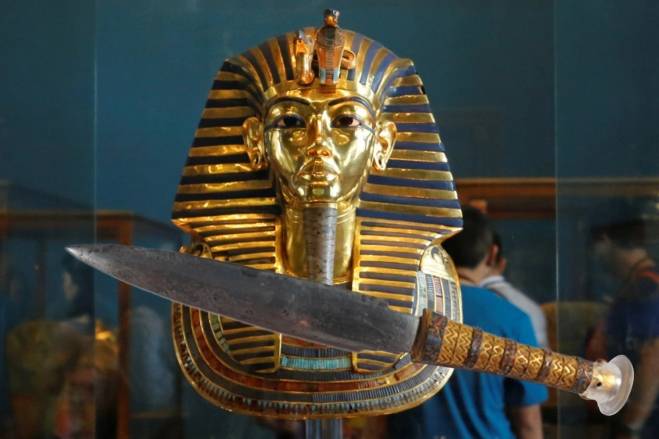
When Howard Carter opened Tutankhamun’s tomb in 1922, the world was amazed by the golden coffins, jeweled masks, and treasures fit for a pharaoh. Among these riches was something very unusual—a dagger made from a meteorite that fell from the sky. This dagger, forged from a material not found on Earth, predates Egypt’s Iron Age and challenges our understanding of ancient metalworking. It was not just a weapon or a ceremonial item; it was a cosmic relic, symbolizing divine power, and it remains a mystery for scientists and historians today. Tutankhamun’s meteorite dagger is more than just an ancient artifact; it represents our enduring connection to the stars.

Iron Before the Iron Age
Tutankhamun was a pharaoh in the 14th century BC, which was long before the Iron Age in Egypt. At that time, most tools and weapons were made of bronze, copper, or gold. Iron was much rarer than gold, so finding it in his tomb surprised many researchers.
The dagger found in the tomb had high levels of nickel and cobalt, which are found in iron from meteorites. This means the dagger was made from iron that came from outer space, not from mining on Earth.
This finding changed how we think about ancient metalworking. The Egyptians were not mining for iron; they were gathering pieces of meteorites and turning them into valuable objects.
Luxor Tours & Activities
Looking to save some costs on your travel? Why not join a shared group tour to explore Luxor, Egypt? Here are some activities you might be interested in:
Scientific Proof of a Cosmic Origin
For decades, people debated where the dagger came from. Early studies in the 1960s found that the blade contained nickel, which suggested it might come from a meteorite. However, the technology of that time could not provide proof.
In 2016, researchers used advanced X-ray fluorescence spectrometry to confirm that the dagger is made of material from outer space. The tests showed that the blade’s metal matched known meteorites found in Egypt, especially the Kharga meteorite.
This discovery made the dagger famous in Egyptology as a remarkable artifact—a weapon made from stars.

Symbolism and Cultural Significance
Why was a dagger made from meteorite iron buried with Tutankhamun? Scholars suggest a few reasons:
1. Divine Connection: Egyptians believed the sky was where the gods lived. A blade from the sky could symbolize protection from the divine.
2. Prestige and Power: Iron was more valuable and rarer than gold, making the dagger a symbol of high status.
3. Funerary Role: Burying the dagger with Tutankhamun may have given him strength for the afterlife.
The dagger was not just a weapon; it was a spiritual symbol that showed the pharaoh’s connection to the universe.

The Mystery of Its Journey
One interesting question is how the Egyptians got meteorite iron. There are several theories:
1. Trade Networks: Egypt had many trade connections, which might have allowed the exchange of meteorite pieces among the elites.
2. Local Finds: Meteorites usually land in desert areas, so people may have collected fragments near Egypt.
3. Specialized Craftsmanship: The dagger’s detailed design indicates that skilled artisans worked with this rare material, likely commissioned by the royal court.
There is still debate about whether the Egyptians recognized that the blade came from outer space. Some believe they understood its cosmic origin, while others think they valued it mainly for its rarity and strength.

Modern Legacy and Public Fascination
Today, visitors can see Tutankhamun’s meteorite dagger at the Grand Egyptian Museum (GEM). Many people come to admire it because it is made from a meteorite.
The dagger still sparks interest:
– Tourists appreciate its skillful design.
– Scientists examine its materials to learn about ancient metalworking.
– Writers and filmmakers include it in stories about space mysteries.
This dagger is one of the most famous items from Tutankhamun’s tomb and is almost as well-known as the golden mask.

Why the Dagger Still Matters
The Tutankhamun meteorite dagger is more than just an ancient object; it reflects our ongoing interest in space. It connects science and stories, showing how ancient people valued materials that linked them to the sky.
For today’s audiences, the dagger represents:
– Innovation: The Egyptians used materials that were advanced for their time.
– Mystery: We still don’t fully understand how it traveled from a meteorite to a royal tomb.
– Legacy: It continues to inspire wonder nearly 3,300 years after Tutankhamun’s death.
For visitors to Egypt, seeing the dagger offers a link to a pharaoh who carried a piece of the cosmos with him into the afterlife. This blade not only reveals information about Tutankhamun but also reflects humanity’s lasting desire to reach for the stars.
Got a Question?
F.A.Qs
Yes. Scientific studies using X-ray fluorescence confirmed the blade’s high nickel and cobalt content, which matches the composition of known meteorites found in Egypt’s deserts. This proves the dagger was forged from extraterrestrial material.
Iron was extremely rare in Egypt during Tutankhamun’s reign, centuries before the Iron Age. The dagger’s meteoritic origin made it more valuable than gold and symbolized divine power, prestige, and a cosmic connection.
The dagger is currently housed at the Egyptian Museum in Cairo. It is expected to be displayed at the Grand Egyptian Museum (GEM), near the Pyramids of Giza, once the museum’s full opening is complete.
It’s debated. Some scholars believe Egyptians recognized the celestial origin and saw it as a divine gift, while others argue they valued it simply for its rarity and strength.
It bridges science and myth—an artifact that connects ancient Egypt with the cosmos. Tourists, scientists, and storytellers alike are captivated by the idea of a pharaoh carrying a weapon forged from the stars.
Did you know that
By purchasing through our links, you support us at no additional cost.
Thank you for your support. ♥️