Religion, Geography, and Political Expansion in Ancient Thebes
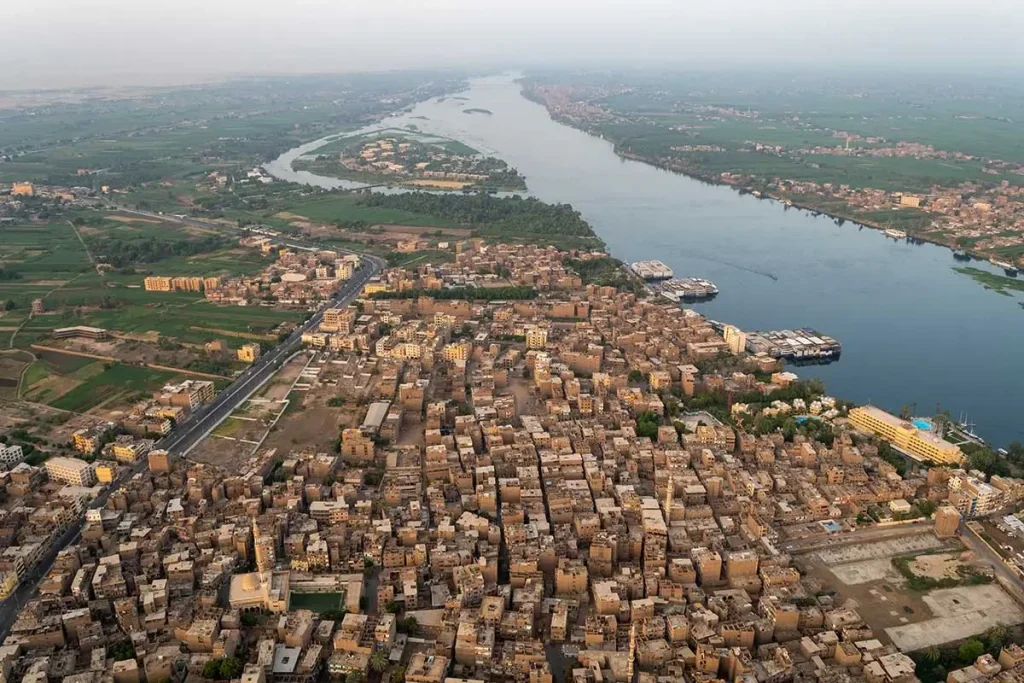
Their shadows stretch across the fertile fields that supported one of the world’s greatest civilizations. This place is Thebes—Egypt’s center of faith, power, and empire. More than just a city, Thebes served as a holy ground where people worshiped gods, kings were crowned, and armies marched to expand Egypt. Its location made it wealthy, its beliefs gave rulers a divine right to lead, and its politics made it the capital of an empire. Exploring Thebes helps us understand how the environment, beliefs, and ambitions shape the course of history. Step into the story of Ancient Thebes, where the sacred and the strategic came together.
Geography of Ancient Thebes: The Nile’s Gift
Thebes was successful because of its geography. It was located in Upper Egypt, about 800 kilometers south of the Mediterranean, along the Nile River.
The Nile’s yearly floods made the soil rich, which helped produce lots of crops. Thebes was important for trade, connecting Egypt to Nubia, the Red Sea, and caravan routes across the Eastern Desert.
Natural barriers helped protect Thebes. The Theban Hills to the west offered defense, and the desert kept invaders away.
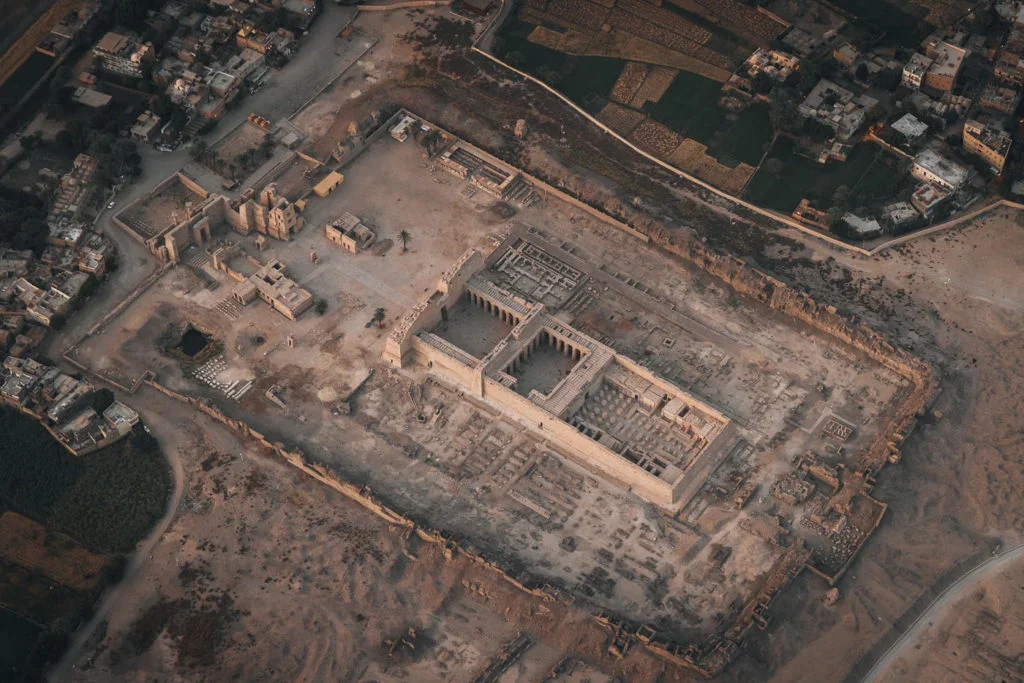
The city was established with temples on the east bank, such as Karnak and Luxor, while the west bank served as a necropolis, where the Valley of the Kings is located.
This layout reflected Egyptian beliefs, with the east representing life and worship, and the west symbolizing death and eternity. Geography had practical importance as well as spiritual meaning for the city.
Luxor Tours & Activities
Looking to save some costs on your travel? Why not join a shared group tour to explore Luxor, Egypt? Here are some activities you might be interested in:
Religion in Thebes: The Rise of Amun
Religion was very important to Thebes. By the Middle Kingdom, Thebes became the center for the worship of Amun, a god whose power grew as Thebes’ political power increased.
Thebes was often called “the city of Amun” because of its strong devotion to this deity.
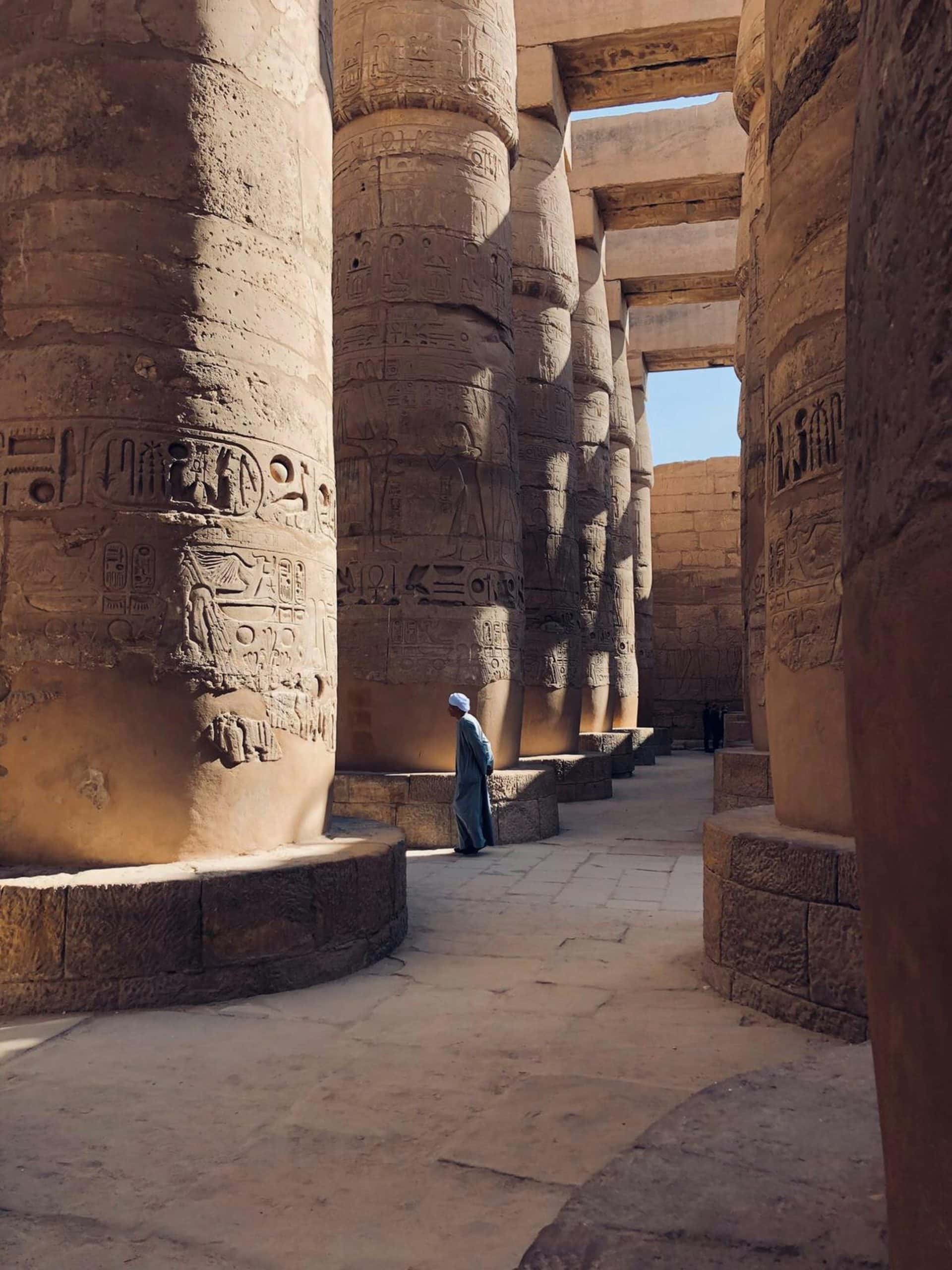
The Karnak Temple Complex, with its large hypostyle hall, and Luxor Temple held grand festivals like the Opet Festival, where Amun’s statue was carried along the Nile.
The high priests of Amun had a lot of power, sometimes equal to that of the pharaohs.
The Valley of the Kings and Queens became sacred burial places, strengthening Thebes’ role as a spiritual gateway to the afterlife.
Religion helped support political authority. Pharaohs showed their divine favor through their connections with Amun, while large temples displayed both their faith and their power.
Political Expansion: Thebes as Imperial Capital
Thebes grew in importance not just spiritually, but also politically.
During the Middle Kingdom, Thebes became a political center as rulers strengthened their power in Upper Egypt. By the 16th century BCE, Thebes was Egypt’s capital and the largest city in the world, with about 80,000 people.
Pharaohs launched military campaigns from Thebes into Nubia and the Near East, which expanded Egypt’s territory and wealth. Leaders like Hatshepsut, Thutmose III, and Ramses II used Thebes to showcase their power by building temples and monuments to remember their reigns.
Political power and religion were closely linked. Victories were celebrated in temples, and the money from conquests funded impressive buildings, highlighting Thebes’ role as both the capital and a sacred city.
Cultural and Artistic Flourishing
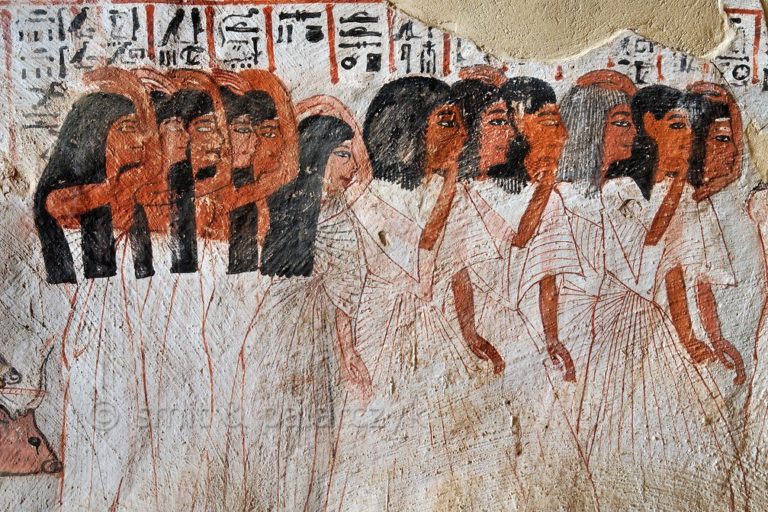
Thebes was a key city for politics, religion, and culture. Its monumental architecture, like Karnak’s hypostyle hall with its tall columns, showcases impressive ancient building skills. The art in tomb paintings shows daily life, religious ceremonies, and journeys to the afterlife, mixing creativity with spirituality. Religious festivals, such as Opet, united priests, pharaohs, and everyday people, strengthening community bonds. The art and culture of Thebes displayed its identity as a place where divine order and earthly power were closely tied.
Thebes and the Landscape of Power
Thebes used its landscape as a political tool, not just its temples and tombs. Pharaohs built monuments to align with celestial events, which helped show their divine right to rule. The temples on the east bank faced the rising sun, symbolizing rebirth, while the tombs on the west bank faced the setting sun, symbolizing eternity. This careful positioning showed how geography and religion worked together to display power. Thebes was designed to represent cosmic order.
Thebes in World Heritage and Modern Memory
Today, Thebes is known as Luxor, where its ruins still inspire wonder. Thebes is a UNESCO World Heritage Site, praised for its temples, tombs, and archaeological value. Excavations continue to uncover new details about life in Thebes, while preservation projects keep its monuments safe for future generations. Thebes remains a powerful symbol of Egypt’s mix of religion, geography, and politics, attracting millions of visitors each year. Our interest in Thebes shows its lasting importance. It is not just a set of ruins; it is a living reminder of how environment, belief, and power shaped civilization.
Thebes’ Enduring Lessons
Thebes shows us that civilizations thrive when geography, religion, and politics work together. Its fertile land supported life, its temples justified rule, and its rulers expanded Egypt’s influence. Even in ruins, Thebes reminds us of the important balance between environment, faith, and governance—a balance that defined one of history’s greatest empires.
Got a Question?
F.A.Qs
Thebes became Egypt’s religious and political heart during the Middle and New Kingdoms because it combined strategic geography, powerful priesthoods, and imperial administration. Its temples and necropolises made it a cultural center and a capital during Egypt’s height.
Amun was the principal deity of Thebes; the city was often called the “city of Amun,” and the god’s cult shaped politics and wealth through temple patronage and priestly influence
Karnak Temple, Luxor Temple, the Valley of the Kings, and the Valley of the Queens are the defining sites that illustrate Thebes’ religious, funerary, and political roles
Location on the Nile’s fertile floodplain, access to trade routes to Nubia and the Red Sea, and natural desert defenses allowed agricultural surplus, commerce, and security—key drivers of urban and political growth
Temple wealth and the high priests of Amun could rival pharaonic authority; pharaohs used religious legitimacy—rituals, temple building, and divine association—to consolidate rule and fund expansion
Did you know that
By purchasing through our links, you support us at no additional cost.
Thank you for your support. ♥️