Luxor and Aswan

Standing by the Nile River as the sun sets, filling the sky with warm colors over ancient temples. This journey takes you back in time. Luxor and Aswan are two of Egypt’s most interesting places, each offering a mix of history, culture, and beautiful views. Luxor is known as the “World’s Greatest Open-Air Museum” because of its amazing temples, royal tombs, and stories of pharaohs carved into stone. Aswan, on the other hand, encourages you to relax, enjoy the friendly Nubian hospitality, and sail gently on traditional boats called feluccas. Together, these two cities make a great travel plan for those looking for adventure and peace. Whether you’re interested in the grand Karnak temple, the mysteries of the Valley of the Kings, or the impressive Abu Simbel, this guide will help you discover the timeless wonders of southern Egypt.
Best Time to Visit Luxor and Aswan
Timing is important when planning your trip to Egypt.
Winter (October–April): This is the most popular time to visit due to mild temperatures. It’s great for exploring temples and taking Nile cruises. Expect larger crowds, especially around Christmas and New Year.
Summer (May–September): The heat can be intense, but you’ll find fewer tourists and lower prices. This is a good option for budget travelers who can tolerate the heat.
Festival highlights: The Abu Simbel Sun Festival occurs in February and October. During this time, the sun shines into the inner sanctum of the temple, creating a spectacular sight.
Luxor Tours & Activities
Looking to save some costs on your travel? Why not join a shared group tour to explore Luxor, Egypt? Here are some activities you might be interested in:
Getting There and Around
Traveling between Luxor and Aswan is an adventure.
Trains: The overnight sleeper train is a comfortable and affordable option.
Nile Cruises: This is the most scenic way to travel, combining transport with guided tours.
Local transport: In Luxor, horse-drawn carriages and taxis are common. In Aswan, feluccas (traditional sailboats) glide along the Nile, offering a peaceful alternative.
Top Attractions in Luxor
Luxor is full of ancient wonders.
– Karnak Temple Complex: This large religious site has towering columns and sacred lakes. The Sound and Light Show at night is a must-see.
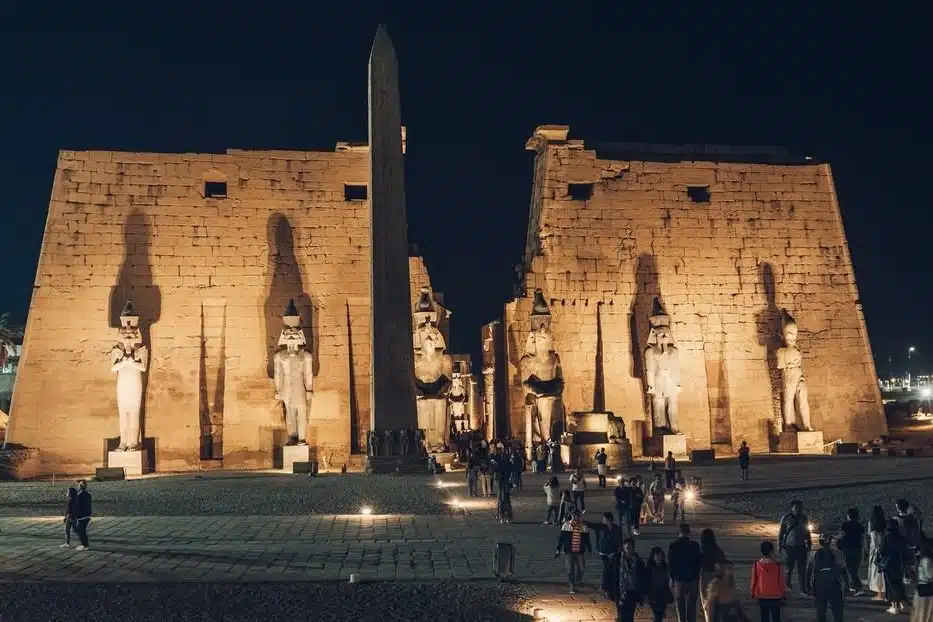
– Luxor Temple: It is best to visit in the evening when it is beautifully illuminated.
– Valley of the Kings: This site has over 60 tombs, including Tutankhamun’s. Each tomb has intricate wall paintings and burial treasures.
– Temple of Hatshepsut: This striking temple is dedicated to Egypt’s female pharaoh.
– Medinet Habu: This site is less crowded but has impressive reliefs of Ramses III’s victories.

Top Attractions in Aswan
Aswan has a more relaxed pace but still offers captivating sights.
– Philae Temple: Dedicated to Isis, this temple was moved to Agilkia Island after the High Dam was built.
– Abu Simbel: This UNESCO site, carved by Ramses II, is accessible via a day trip. The enormous statues guard the entrance to one of Egypt’s most famous temples.
– Nubian Museum: This museum showcases Nubian culture, art, and history.
– Elephantine Island: This island features archaeological sites and vibrant Nubian villages.
– Aswan High Dam and Lake Nasser: These are engineering achievements that changed Egypt’s landscape.

The Nile Cruise Experience
A Nile cruise is more than just transport—it immerses you in Egypt’s essence.
– Luxury cruises: These offer fine dining, pools, and guided tours for those seeking comfort.
– Traditional feluccas: These are smaller boats powered by wind for a more authentic and simple journey.
– Suggested itineraries: Consider spending 3–5 days between Luxor and Aswan, with stops at Edfu and Kom Ombo temples.
– Onboard life: Expect themed dinners, folklore performances, and lectures on Egyptian history.

Where to Stay in Luxor and Aswan
Accommodation options range from luxury resorts to cozy guesthouses.
Luxor:
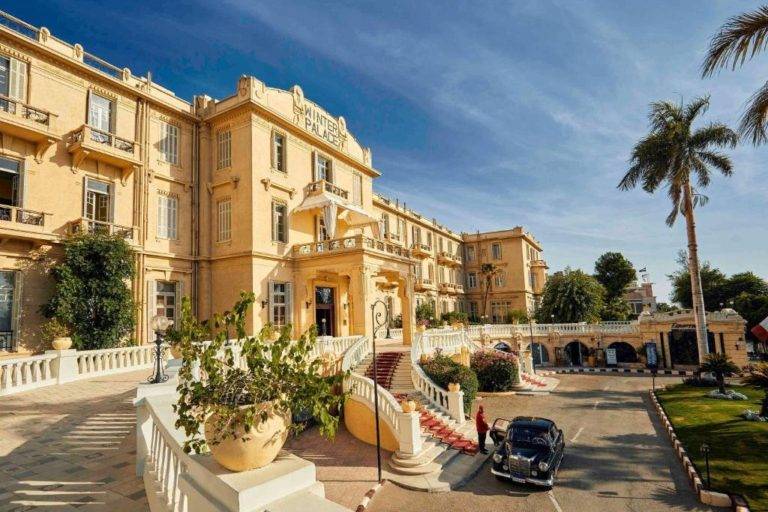
– Luxury: Sofitel Winter Palace, known for its colonial charm.
– Mid-range: Nile-side hotels with rooftop views.
– Budget: Family-run guesthouses near the West Bank.
Aswan:
– Luxury: Old Cataract Hotel, which hosted Agatha Christie.
– Boutique: Nubian-style lodges with colorful décor.
– Budget: Riverside hostels that offer simple comfort.

Local Experiences and Culture
– Nubian hospitality: Enjoy warm welcomes, vibrant homes, and traditional meals like tagine and feteer.
– Souks and crafts: Luxor’s markets sell alabaster, papyrus, and spices, while Aswan’s souks are known for Nubian jewelry and textiles.
– Festivals: The Opet Festival in Luxor reenacts ancient rituals, and Abu Simbel’s Sun Festival attracts global visitors.
– Cuisine: Be sure to try ful medames (fava beans), grilled Nile fish, and hibiscus tea (karkadeh).

Travel Tips for Luxor and Aswan
Here are some practical tips for a smoother journey.
– Safety: Both cities are generally safe, but use licensed guides and transport.
– Dress code: Wear modest clothing, especially in temples and mosques.
– Bargaining: Negotiating prices in markets is common; start at half the asking price.
Crafting Your Perfect Egyptian Journey
Luxor and Aswan are not just stops on a map—they offer unforgettable experiences. Luxor amazes with its grandeur, while Aswan provides simplicity. Together, they take you through Egypt’s rich history and culture along the Nile. Whether you sail past temples, explore tombs, or enjoy tea in a Nubian home, this guide helps you discover the best of Egypt’s southern treasures.
Got a Question?
F.A.Qs
Luxor is ideal for history lovers, with monumental temples and tombs, while Aswan offers a slower pace, Nubian culture, and stunning Nile views. Many travelers combine both for a balanced experience.
Plan at least 2–3 days in Luxor to explore Karnak, Luxor Temple, and the Valley of the Kings. In Aswan, 2 days is enough for Philae Temple, a Nubian village, and a day trip to Abu Simbel. A Nile cruise adds 3–5 days.
The most popular option is a Nile cruise, which combines transport with sightseeing. Trains is also available, but cruises offer the most immersive experience.
Yes, both cities are considered safe for tourists. Stick to licensed guides, avoid unmarked taxis, and dress modestly when visiting religious sites.
Abu Simbel is closer to Aswan, about a 3-hour drive. Most travelers reach it by day trip from Aswan rather than Luxor.
Yes, guesthouses on Luxor’s West Bank and Nubian lodges in Aswan provide affordable stays with authentic local experiences.
Did you know that
By purchasing through our links, you support us at no additional cost.
Thank you for your support. ♥️