
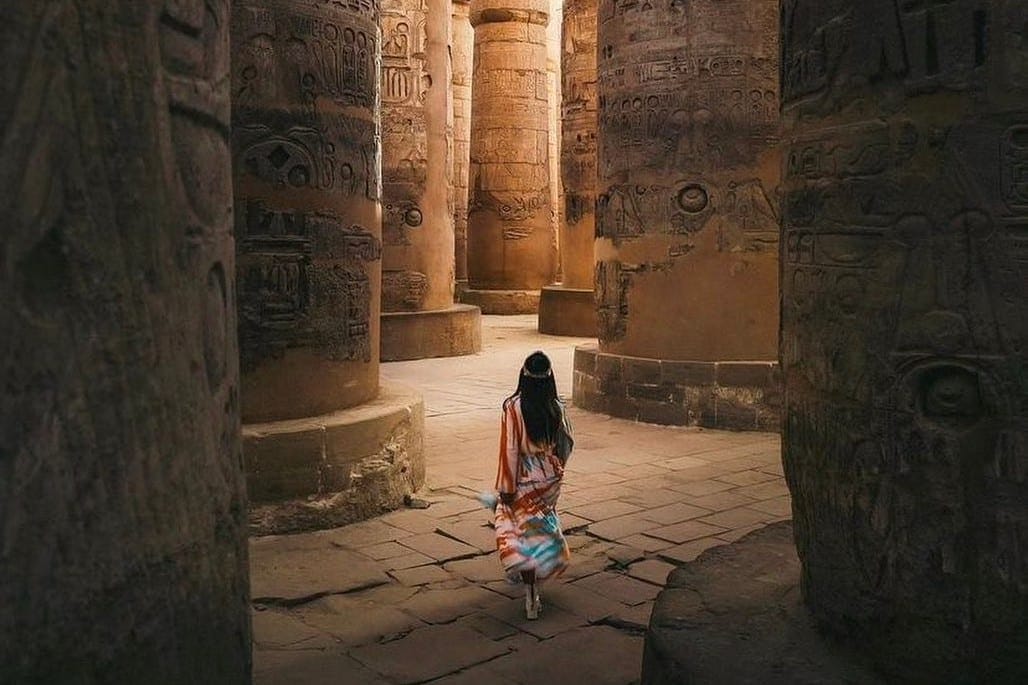
Most Egypt itineraries pick a lane: history or beach. Luxor and Hurghada let you skip that trade-off. They’re about 300km apart — close enough to combine in one trip — and cover completely different registers of Egypt: Luxor is temples and tombs; Hurghada is coral reefs, dive boats, and doing nothing in particular by the Red Sea. Pairing them gives your trip a genuine rest stretch instead of ten straight days of sightseeing.
When to Go
Luxor gets genuinely hot in summer — sometimes over 40°C — so October through April is the best window for sightseeing there; see our Luxor weather guide for month-by-month detail. Hurghada is warm and sunny year-round but more humid in summer, with spring (March–May) offering the clearest diving water and fewer crowds. If your trip has to lean one way, prioritize October–April for the Luxor leg — the Hurghada leg is forgiving almost any time of year. Autumn (September–October) works well for both halves at once, with mild weather and lower prices than peak winter.

Getting Between Luxor and Hurghada
- Private car or taxi: fastest and most comfortable, roughly 4–5 hours.
- Bus: cheaper, but 5–6 hours.
- Domestic flight: EgyptAir occasionally runs routes that cut this to under an hour — worth checking if you’re short on time, though schedules vary by season.
If you’re traveling with children or older family members, a private transfer is worth the extra cost — the drive is long, and having air conditioning and flexibility for stops matters more than it sounds. For the Cairo and Aswan legs of a longer trip, see our full guide to getting to Luxor.
Top Things to Do in Luxor
The Nile splits the city into an East Bank and West Bank, each holding a different era’s worth of history: Karnak Temple and Luxor Temple on the East Bank, the Valley of the Kings and Temple of Hatshepsut on the West Bank, plus the Colossi of Memnon marking the entrance to the Theban necropolis. A sunrise hot air balloon ride and a sunset felucca or Nile cruise are the two experiences worth building a morning and evening around.

Luxor rewards slowing down between sites, too — local markets, mint tea, and a sunset walk along the Nile are as memorable as the monuments themselves. For more ideas, see our guide to things to do in Luxor.
Top Things to Do in Hurghada
- Snorkeling at Paradise Island: clear water and coral reefs close to shore.
- Diving in the Red Sea: popular sites include Giftun Island and the Abu Nuhas wrecks.
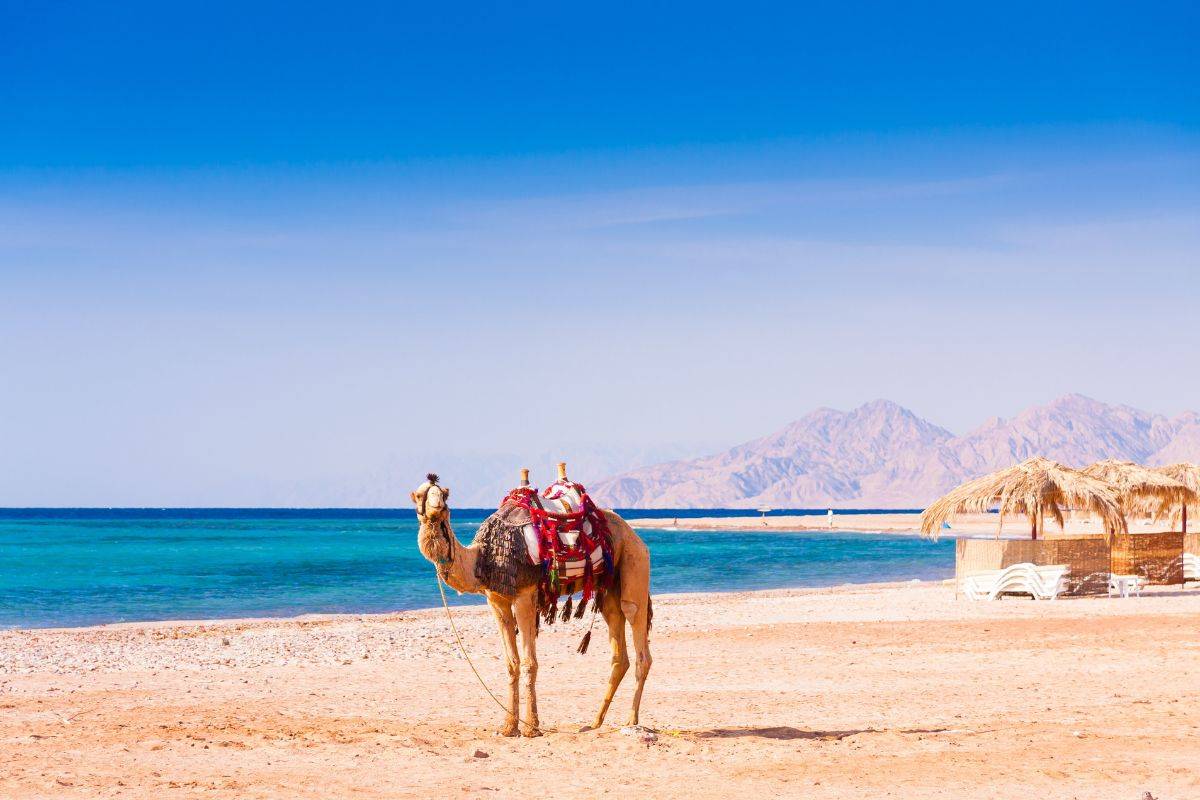
- Desert safari: quad biking or camel rides on the dunes, often ending with a Bedouin dinner.
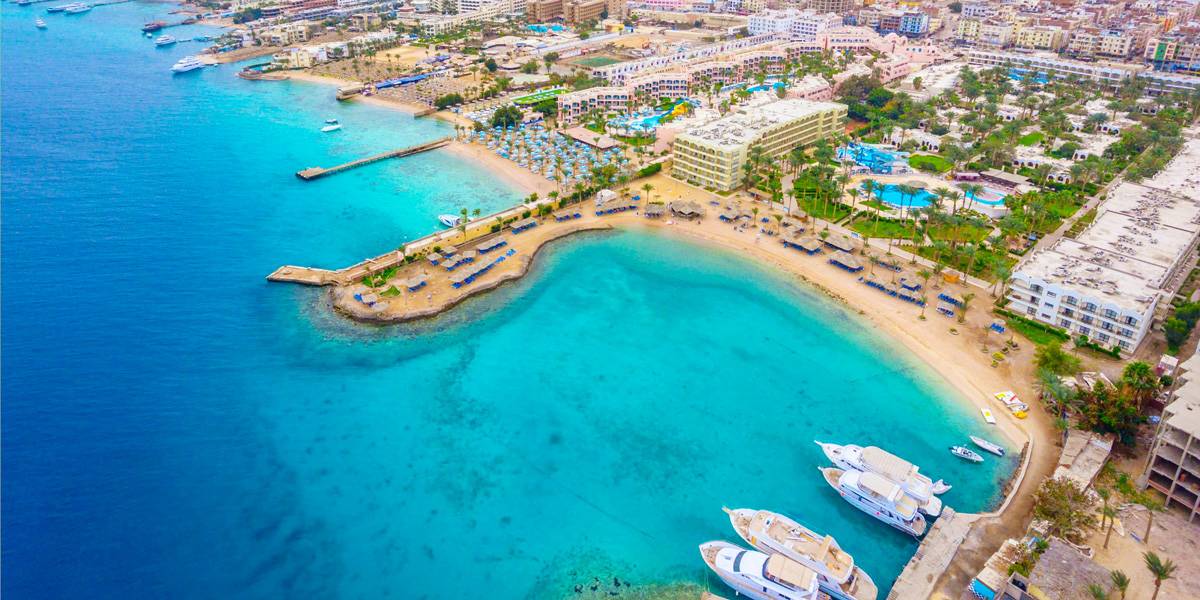
- Beach resorts: many all-inclusive options with pools, spas, and private beaches.
- Family attractions: Mini Egypt Park, Hurghada Grand Aquarium, and dolphin shows.
- Nightlife: from lively beach bars to quieter seaside lounges.

Where to Stay
Luxor: ranges from the Sofitel Winter Palace to West Bank guesthouses — see our full Luxor lodging guide for picks by budget and bank.
Hurghada: Steigenberger Al Dau Beach Hotel or Jaz Aquamarine Resort for luxury; smaller boutique resorts for a more personal stay; all-inclusive family resorts with kids’ clubs and waterparks for families. Book early in winter — it’s the most popular season in both cities.
Food
Luxor: koshari, ful medames, and fresh baladi bread — see our Luxor food guide for where to eat.
Hurghada: seafood is the specialty — grilled fish, calamari, and shrimp, with plenty of international options at resorts. Tipping around 10% is standard practice across Egypt.
Practical Tips
- Safety: both cities are safe for tourists; see our Luxor safety guide for specifics on scams and etiquette.
- Currency: the Egyptian Pound (EGP); carry small notes for tips and markets.
- Packing: light clothing for the day, a jacket for cooler evenings, swimwear for Hurghada, and comfortable, closed shoes for uneven ground at the temples.
- Accessibility: many temple sites have uneven, unshaded ground with limited seating or shade — worth planning around for elderly travelers or young children, and a good reason to favor a private transfer over a shared bus for the transit leg.
Combining the Two
Luxor gives you the history; Hurghada gives you the rest. Whether you do temples-then-beach or split your trip in half, the two together cover more of what Egypt actually offers than either one alone — and the transfer between them is short enough that it’s rarely the hardest part of the trip.