The Differences Between Luxor Temple and Karnak
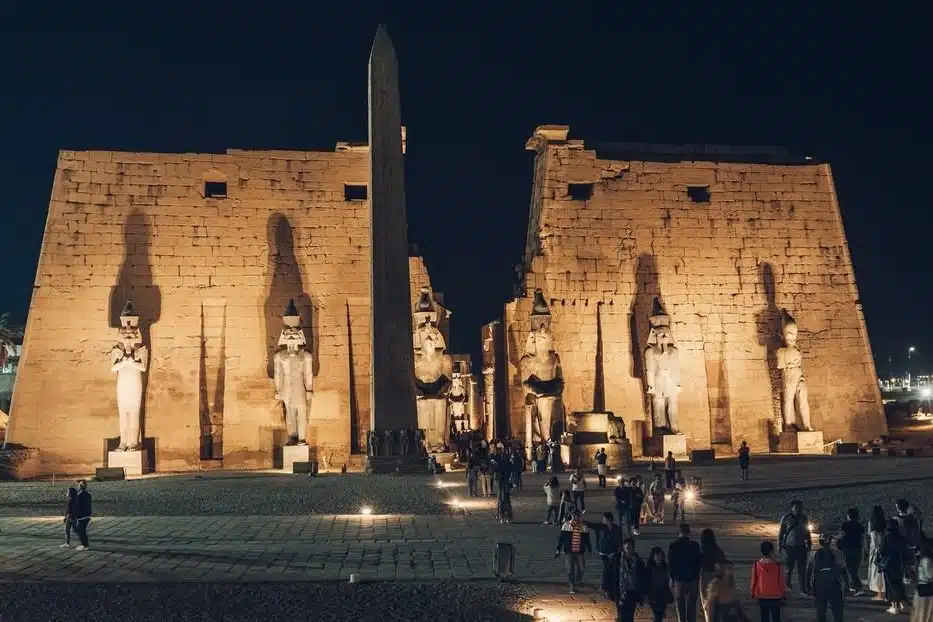
Many visitors to Luxor think that Luxor Temple is just a smaller, less impressive version of Karnak. After all, the two temples are connected by the Avenue of Sphinxes and are close together in ancient Thebes. However, this idea is not correct. Luxor Temple was not intended to compete with Karnak or to be a scaled-down replica of it. Instead, it was a temple focused on the concept of kingship. It served as a stage where pharaohs renewed their divine power during the yearly Opet Festival. Unlike Karnak, which was a permanent center for worshiping Amun-Ra, Luxor Temple showed political continuity. It evolved through the Roman, Christian, and Islamic periods. To truly understand Luxor, you need to see it as the living heart of kingship in Egypt, rather than just a place of worship.
Luxor Temple: A Temple of Kingship
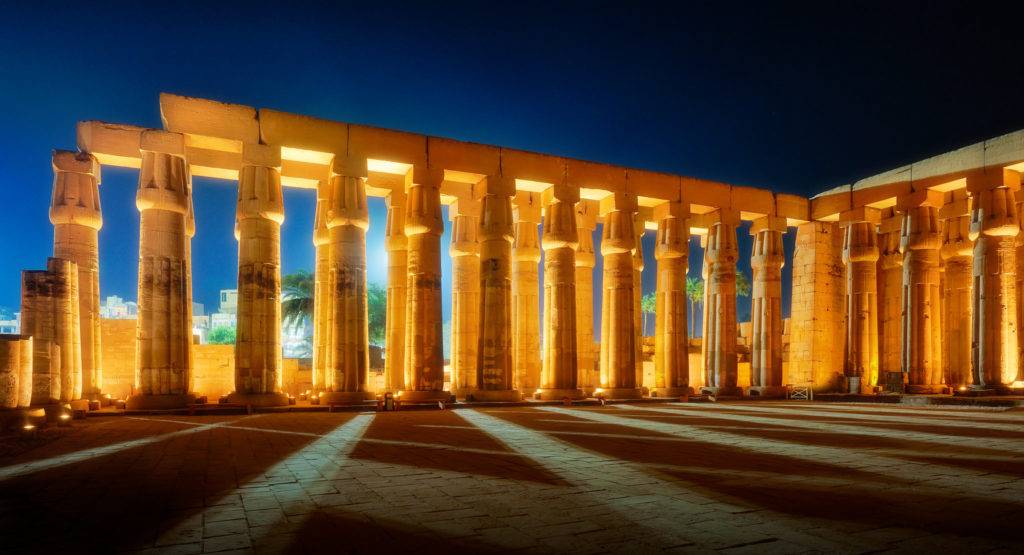
Luxor Temple was built by Amenhotep III in the 14th century BCE and then expanded by Ramses II. The temple was not for daily worship but to renew the pharaoh’s right to rule.
During the Opet Festival, statues of the gods Amun, Mut, and Khonsu traveled from Karnak to Luxor. Here, rituals helped recharge the king’s authority.
The temple’s design focused on ceremony, with its symmetrical layout allowing for movement rather than gathering.
Luxor Temple remained important through the Roman and Islamic periods. It adapted to new rulers while keeping its ceremonial role.
This ability to adapt is key. Luxor Temple did not stay the same over time; it changed with Egypt’s political situation, serving as a place for continuity rather than just devotion.
Luxor Tours & Activities
Looking to save some costs on your travel? Why not join a shared group tour to explore Luxor, Egypt? Here are some activities you might be interested in:
Karnak Temple: A Temple of Gods
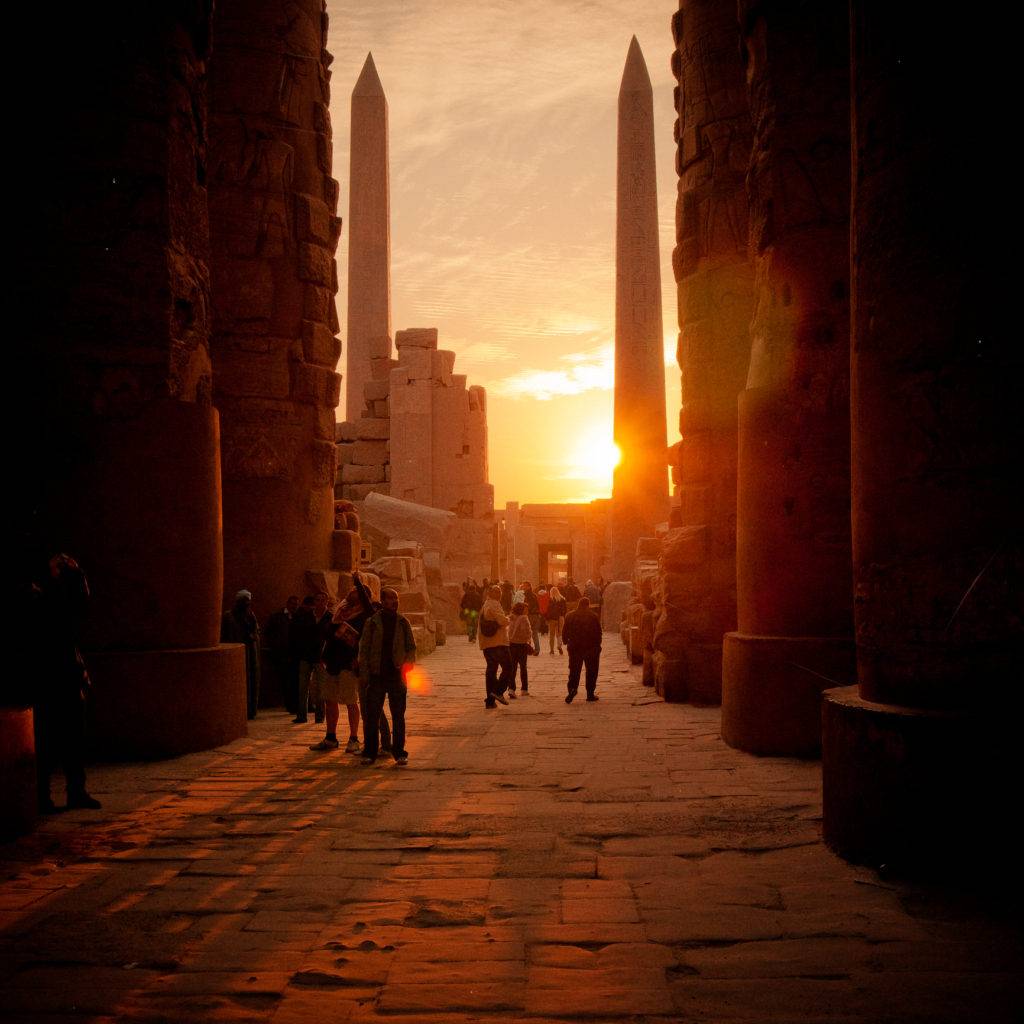
Karnak was the main religious center of ancient Egypt.
It was the cult center for Amun-Ra, where priests made daily offerings and performed rituals to honor the god.
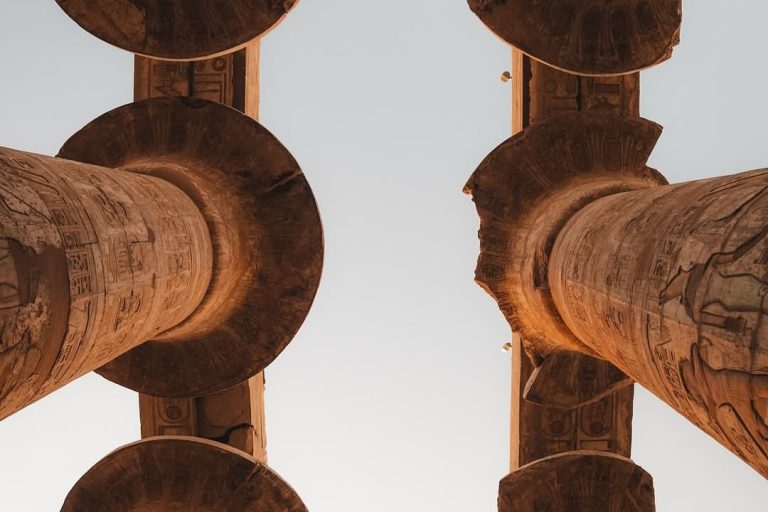
The temple was massive, with grand halls, tall obelisks, and large entrance gates, showing years of growth and expansion.
Karnak represented Egypt’s wealth and connection to the divine. It helped establish Thebes as the spiritual capital.
While Karnak focused on religion, Luxor was important for royal ceremonies.
Why Luxor Was Not a Smaller Karnak
The confusion comes from the fact that both temples were linked and shared gods during festivals. However, their purposes were very different:
Karnak focused on ongoing worship and held political-religious power.
Luxor served for ceremonial celebrations and the renewal of kingship.
These temples played complementary roles: Karnak strengthened the gods, while Luxor confirmed the king’s authority.
Together, they created a dual system—Karnak gave divine power, and Luxor validated the pharaoh’s right to use it.
Continuity Through Time
Luxor Temple is special because it has adapted to different cultures throughout history:
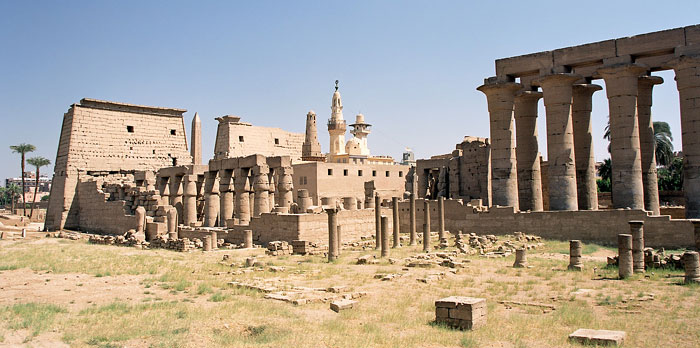
– Roman Period: It became a sanctuary for the emperor, linking their rule to Egyptian traditions.
– Christian Era: A church was built inside the temple, showing that its ceremonial space was reused.
– Islamic Period: The Abu Haggag Mosque remains inside the temple today, proving the continuity of its use.
This blend of cultures makes Luxor Temple unique. It was never abandoned; instead, it was continuously reinterpreted as a place of authority and community.
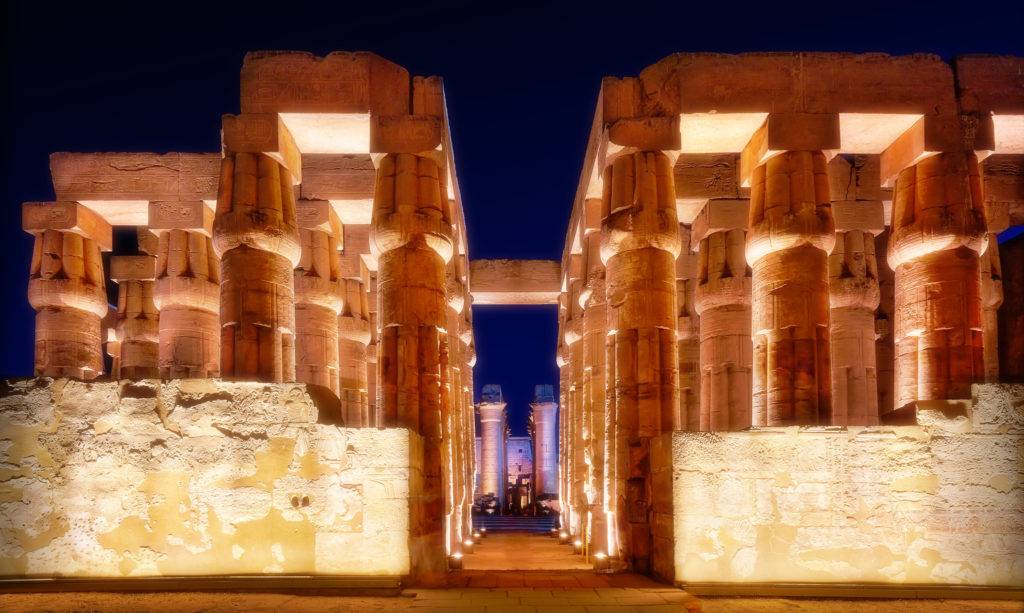
Luxor Temple in the Opet Festival
The Opet Festival was the main event for Luxor Temple.
– Procession Route: Statues of the gods Amun, Mut, and Khonsu traveled along the Avenue of Sphinxes from Karnak to Luxor.
– Ceremonial Renewal: Rituals held at Luxor confirmed the pharaoh’s divine authority.
– Community Participation: The festival included everyone in the city, not just the elites, strengthening social bonds.
This festival shows why Luxor Temple is important: it was where divine and human authority came together.
Why This Distinction Matters
Understanding the role of Luxor Temple changes how we view ancient Egypt:
– It shows that not all temples served the same purpose; each was unique.
– It highlights the renewal of kingship as an important part of Egyptian politics.
– It explains why Luxor Temple stayed relevant through different cultures: it was linked to authority, not just religion.
Luxor Temple was never meant to be a smaller version of Karnak. It served as a temple of kingship and a place where pharaohs renewed their divine authority during the Opet Festival. While Karnak housed the gods, Luxor legitimized the king. Together, they supported Egypt’s spiritual and political life.
For travelers, visiting both temples is crucial. Karnak shows the grandeur of divine worship, while Luxor highlights the close connection between kingship and ceremony. To truly understand Thebes, you must see both, but do not confuse Luxor with a smaller Karnak.
Got a Question?
F.A.Qs
Luxor Temple was primarily a ceremonial space where the pharaoh’s divine authority was renewed during the annual Opet Festival. Unlike Karnak, it was not a permanent cult center for a god but a temple of kingship and political continuity.
Karnak was a vast religious complex dedicated to Amun-Ra, Mut, and Khonsu, serving as Egypt’s spiritual powerhouse. Luxor Temple, by contrast, was smaller, symmetrical, and focused on royal legitimacy rather than daily worship.
The Opet Festival connected Karnak and Luxor through a grand procession. At Luxor, rituals reaffirmed the pharaoh’s divine right to rule, making the temple central to Egypt’s political and ceremonial life.
Yes. Luxor Temple was adapted across civilizations: Romans used it for the imperial cult, Christians built a church inside, and the Abu Haggag Mosque still stands within its walls today.
Did you know that
By purchasing through our links, you support us at no additional cost.
Thank you for your support. ♥️