In the southwest corner of Karnak’s vast complex, away from the Great Hypostyle Hall’s crowds, the Temple of Khonsu occupies a quiet quarter of the precinct. In the late afternoon, when the sun drops toward the west, the sandstone here turns a deep gold, shadows stretch across the carvings, and the relative silence becomes striking. Most visitors who reach it have already walked past the pylons and columns of the main Amun precinct — and the Khonsu Temple’s completeness, after that overwhelming scale, is a genuine relief.
It’s one of the best-preserved complete temples from the New Kingdom, and its manageable size means you can follow the full ritual path — from entrance gate to the innermost sanctuary — in a single visit.
Who Was Khonsu?
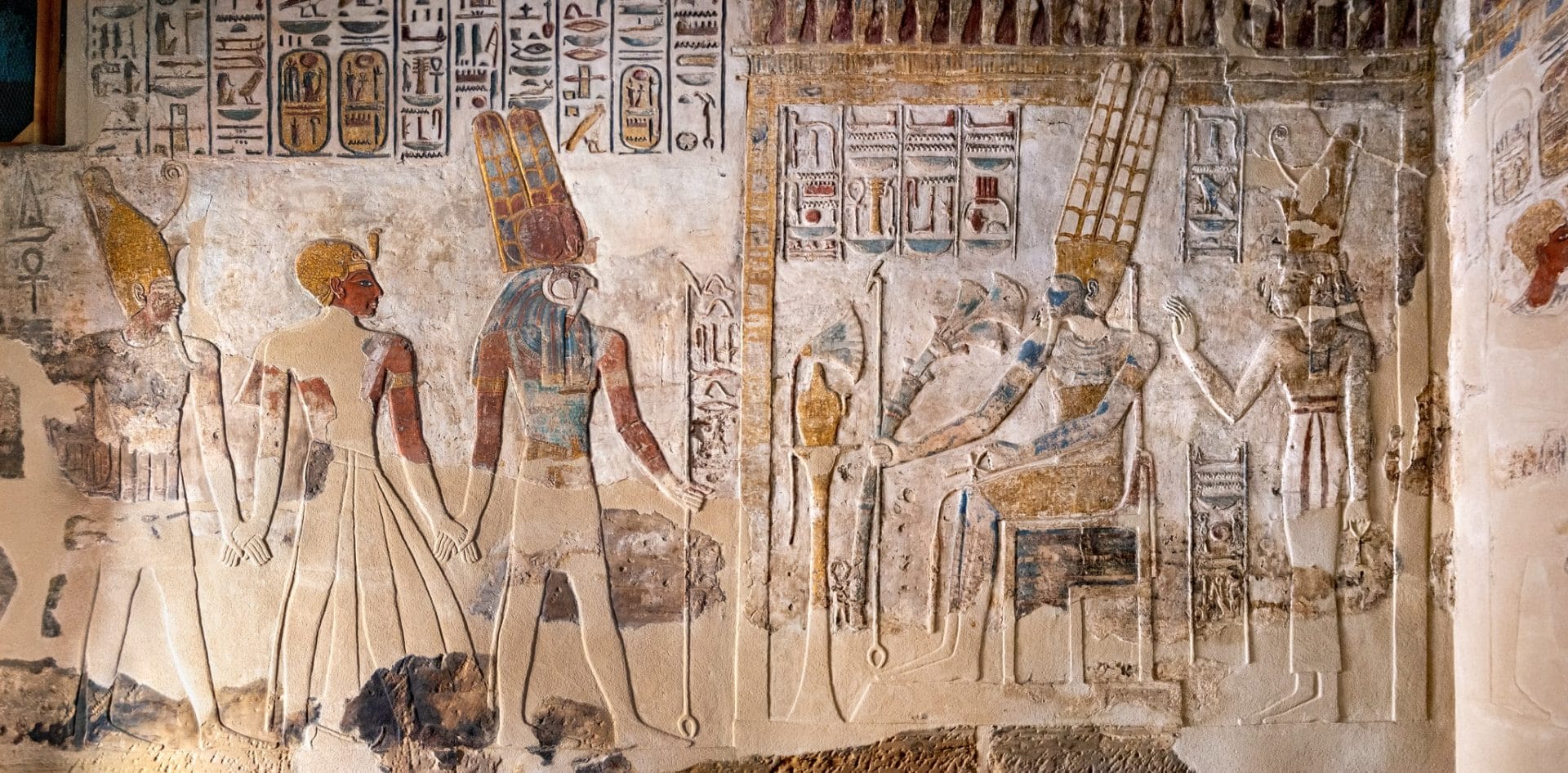
Khonsu means “traveler,” reflecting the moon’s nightly movement across the sky. He is the third member of the Theban Triad: the son of Amun-Ra and Mut, the divine child who completes the divine family at the heart of Theban religious life.
He appears in two main forms throughout the temple:
- A young man wrapped like a mummy, with the sidelock of childhood and a divine beard, symbolizing his role as the divine child and the moon at its youthful crescent phase
- A falcon-headed figure wearing a lunar disk and crescent, representing the full moon and his celestial power
Khonsu’s domains included lunar cycles, healing, protection, and the measurement of time. Because the moon governed agricultural timing, festival calendars, and the calculation of gestation periods, a god who controlled the moon held considerable practical importance alongside his theological roles.
History: From Ramesses III to the Ptolemies
Construction began under Ramesses III (c. 1184–1153 BCE), who was responsible for the core temple structure. Subsequent rulers each added their own contributions:
- Taharqa (25th Dynasty, 690–664 BCE) added a colonnaded entrance forecourt in front of the pylon, extending the approach to the temple and giving it greater ceremonial weight.
- Nectanebo I (30th Dynasty, 380–362 BCE) planned a new pylon and a sphinx-lined processional road, though only the Bab el-Amara gateway was completed during his reign.
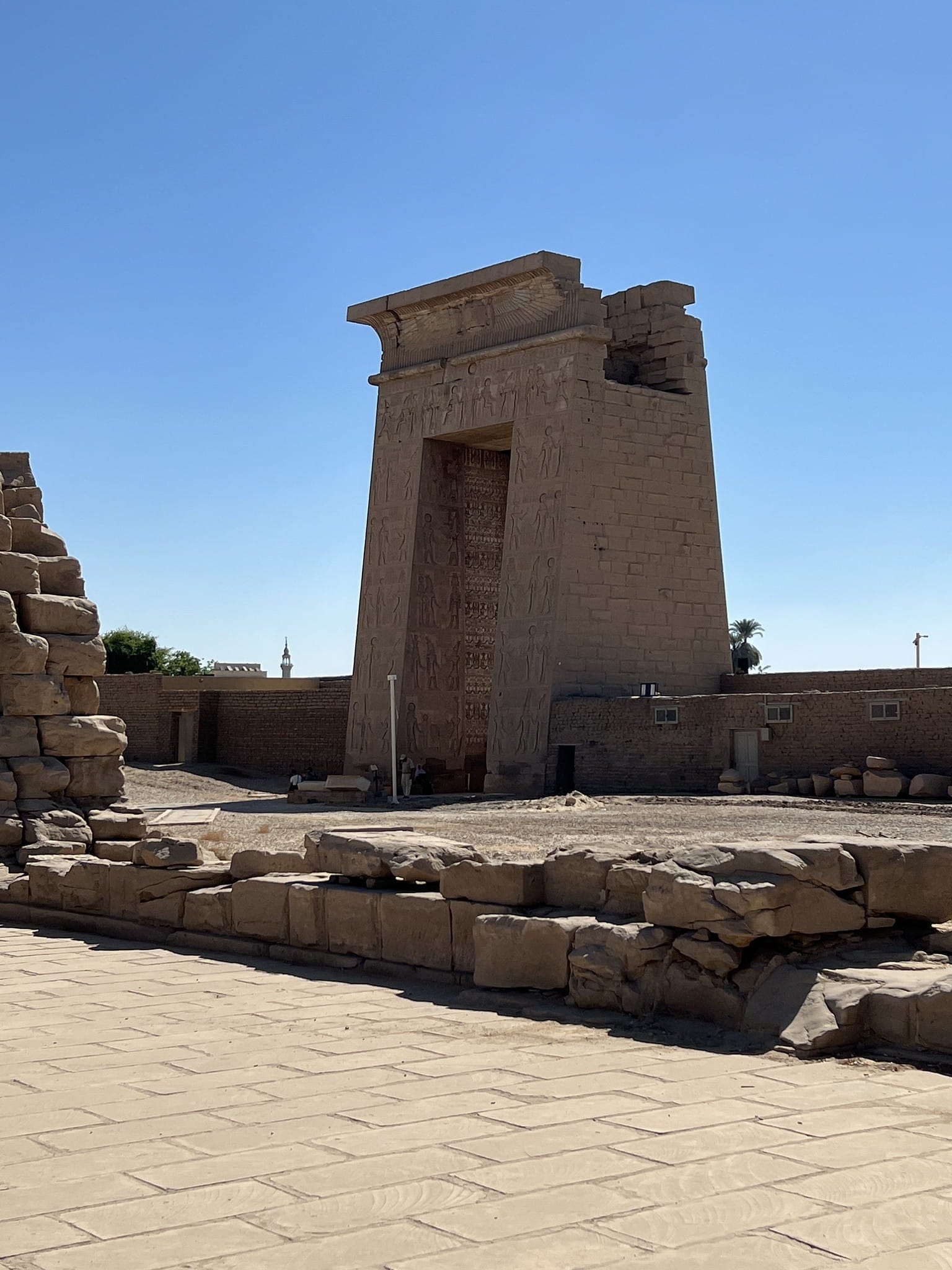
- Ptolemy III (3rd century BCE) decorated the Bab el-Amara gate with deep, precise relief carvings and added side sanctuaries, including one dedicated to the goddess Opet. The Ptolemaic carvings are stylistically distinct from earlier New Kingdom work — more rounded hieroglyphs, slightly different figure proportions — and the contrast is visible to a careful eye.
Archaeological evidence shows that earlier structures existed on this site before Ramesses III, and their stones were incorporated into the temple’s foundations — a standard practice in Egyptian building that also provided archaeologists with inscribed blocks from earlier periods.
Architecture: How to Read the Temple
Khonsu Temple follows the classic New Kingdom axial plan, which you can experience as a deliberate progression from public to sacred:
- The pylon entrance marks the boundary between ordinary space and sacred ground — transitioning from the broader Karnak complex into Khonsu’s specific domain.
- The open court was the zone for public religious participation — where ceremonies could be witnessed by non-priests.
- The hypostyle hall reduces the light and narrows the space, creating an atmospheric shift. The columns here bear reliefs of ritual scenes and royal dedications, and the dimming light was intentional — you were moving from the public world toward the divine.
- The inner halls and sanctuary were restricted to priests only in the ancient period. The sanctuary at the temple’s end would have housed Khonsu’s cult statue, attended daily through the rituals of awakening, feeding, and clothing.
- Side chapels, including the Opet sanctuary added by the Ptolemies, extend the religious program beyond the main axis.
- The roof chapel, accessed by an interior staircase, was used for solar rites — linking the moon god’s temple to the sun, reflecting the Egyptian theological understanding that moon and sun were complementary rather than opposed.
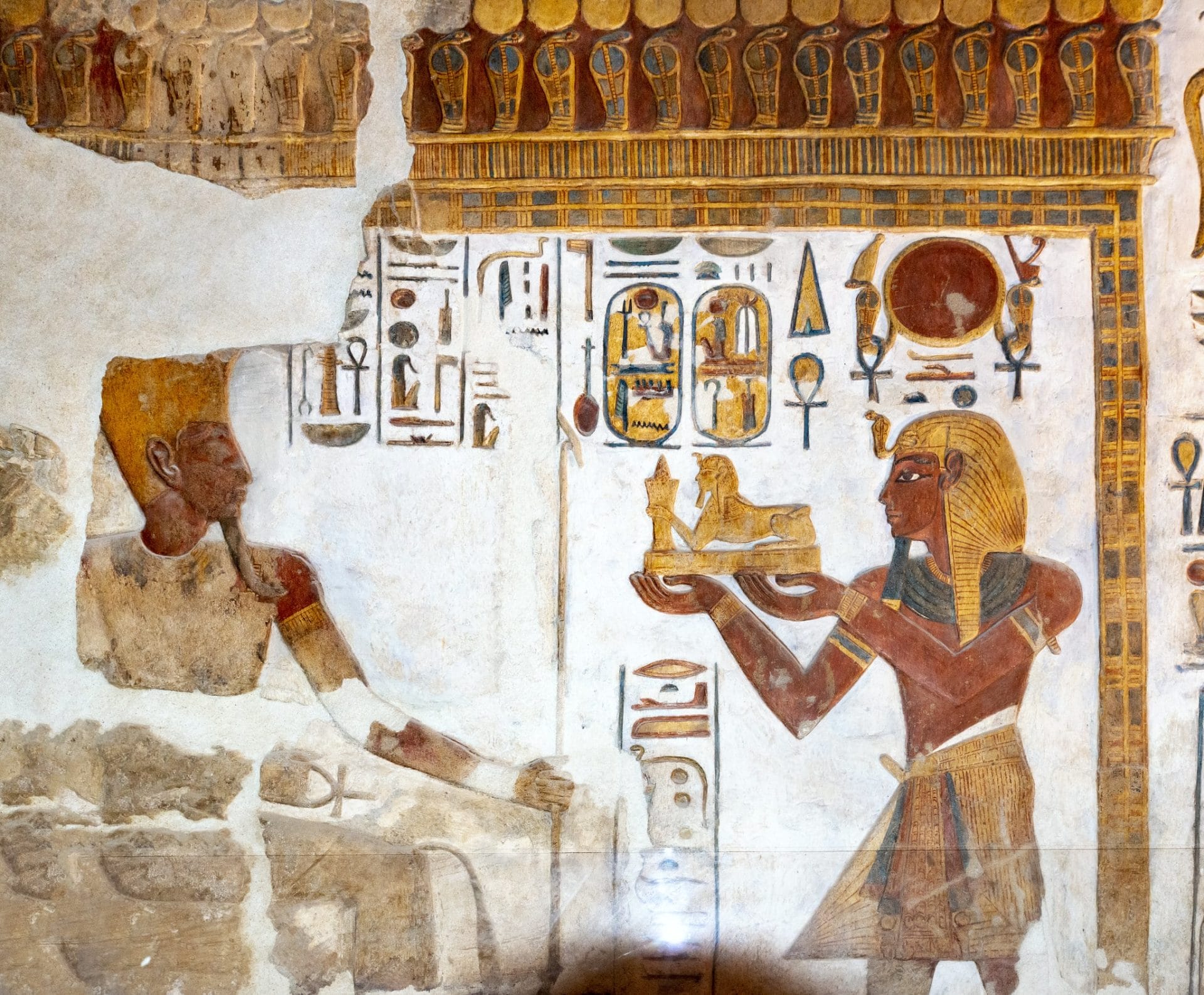
A Station on the Opet Festival Route
One of the Khonsu Temple’s most significant functions is often overlooked by visitors focused on the main sanctuary: it served as a station on the route of Amun-Ra’s sacred barque during the Opet Festival, the annual procession that carried the Theban Triad’s images between Karnak and Luxor Temple.
At the temple’s heart is a granite bark shrine that held the resting point for Amun-Ra’s sacred boat — much of the temple’s stonework, like the rest of Karnak, incorporates reused material from earlier structures on the site. During the festival, the barque would pause here while priests performed offerings, musicians played, and the assembled community experienced the closest proximity they would ever have to the divine image.
For the full route, rituals, and modern reenactment of the procession, see the Opet Festival. Understanding this function transforms the Khonsu Temple from an architectural footnote into a key node in Thebes’s ceremonial geography — a place that came alive during the most important religious event in the Egyptian calendar rather than functioning only as a static place of worship.
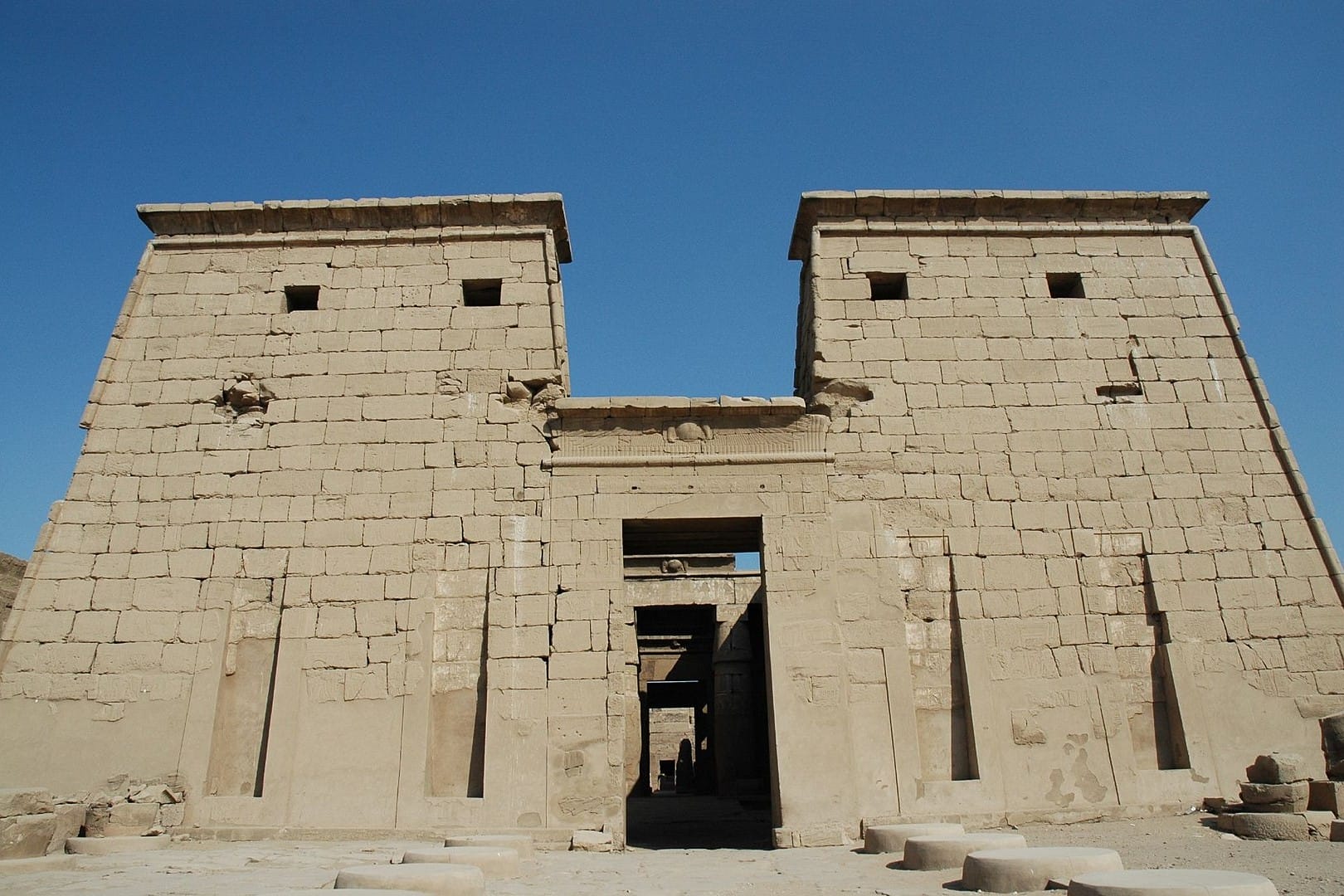
Practical Information
The Khonsu Temple is within the Karnak Temple complex and covered by the standard Karnak entry ticket — see Luxor entrance fees for current pricing. It sits in the southwest corner of the Amun precinct, near the end of the Avenue of Sphinxes — follow the path south from the Sacred Lake to reach it, or ask any of the site guides at Karnak to point you toward the “Temple of Khonsu.”
Best time to visit: late afternoon, when the sandstone glows gold and the site is quieter than at midday. If you’re attending the Sound and Light Show, visit the Khonsu Temple immediately beforehand — the transition from its quiet to the drama of the evening show is effective.
Photography: the afternoon light on the relief carvings is exceptional. Wide shots through the hypostyle hall columns toward the sanctuary are the most rewarding framing.
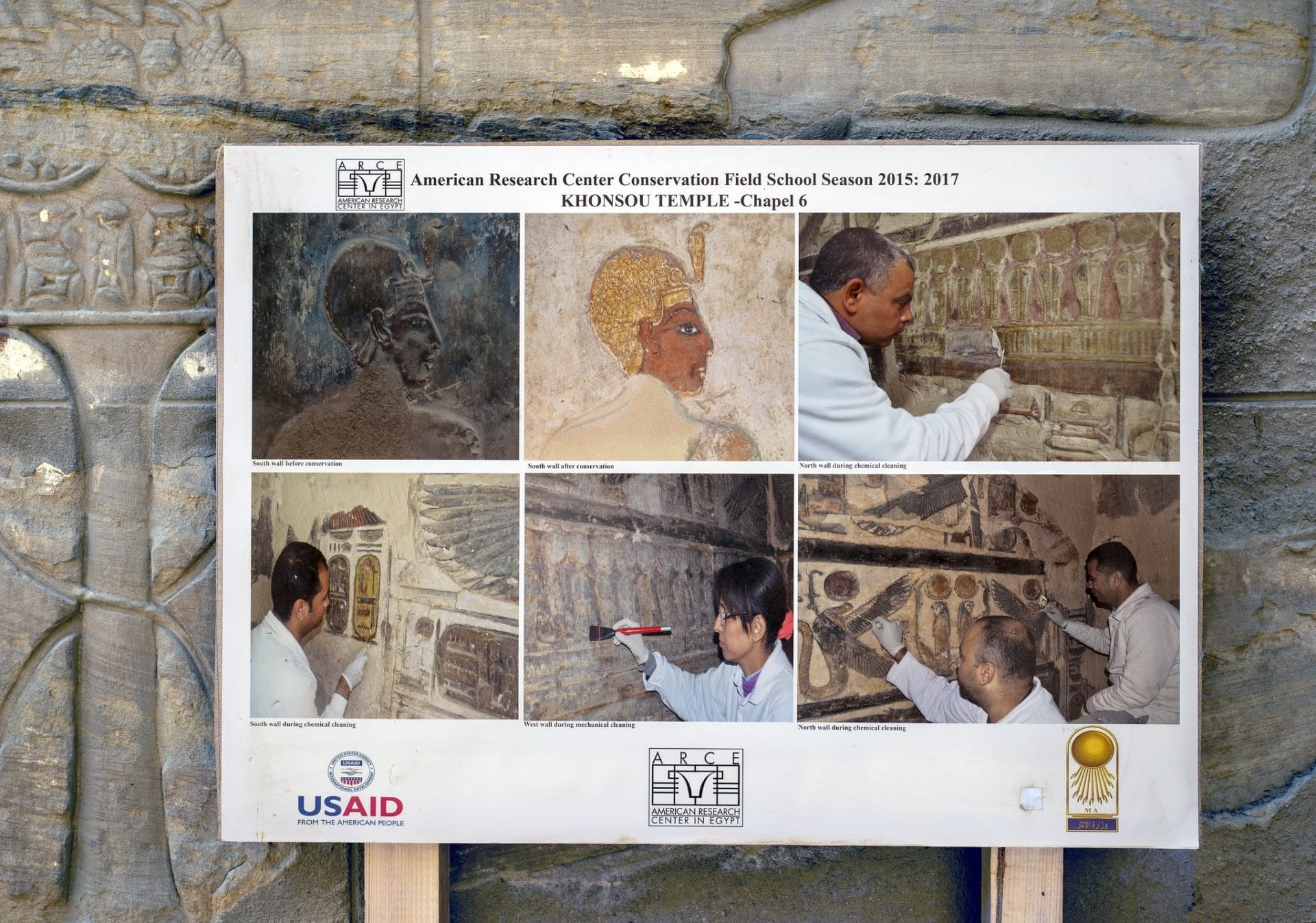
Conservation: some areas may be temporarily closed during ongoing stabilization work focusing on wall consolidation and salt damage control. The temple’s overall preservation is good — it’s one of the most complete structures in the entire Karnak complex.