Luxor or Aswan?

Egypt is full of amazing wonders, with the Nile River flowing through its rich history. Two must-visit cities along this river are Luxor and Aswan. Both cities are rich in culture and history and offer stunning views, but they provide very different experiences. Luxor is famous for its grand temples and royal tombs, while Aswan is known for its peaceful atmosphere and Nubian charm. Choosing one or both can greatly affect your Egyptian journey.
Why Visit Luxor – The World’s Greatest Open-Air Museum
Luxor, once the ancient city of Thebes, is often called the “world’s greatest open-air museum.” It has many monuments packed into a small area, more than anywhere else in Egypt. The Nile divides the city into two parts: the East Bank and the West Bank.
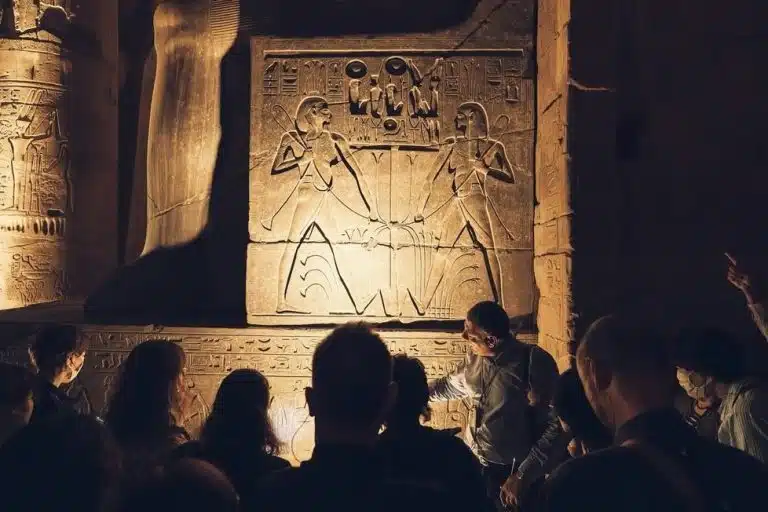
East Bank highlights: The Karnak Temple Complex is a large site with huge columns, sacred lakes, and towering obelisks. Walking through the Great Hypostyle Hall, with its 134 massive columns, feels like entering another world. Luxor Temple, nearby, looks stunning at night when lit up against the dark sky.
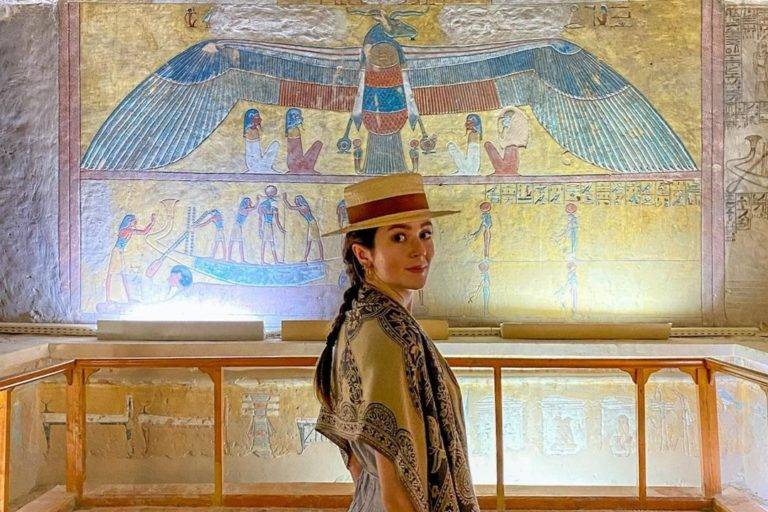
West Bank wonders: The Valley of the Kings contains over 60 tombs, including Tutankhamun’s. Each tomb features beautiful hieroglyphs and vivid colors that have endured for thousands of years. The Temple of Hatshepsut, carved into limestone cliffs, honors Egypt’s most powerful female ruler.
Luxor is perfect for travelers who want to dive into pharaonic history. Days are filled with guided tours, learning about hieroglyphs, and seeing impressive buildings. It takes energy but offers unforgettable experiences of Egypt’s golden age.
Luxor Tours & Activities
Looking to save some costs on your travel? Why not join a shared group tour to explore Luxor, Egypt? Here are some activities you might be interested in:
Why Visit Aswan – Gateway to Nubia and Nile Serenity
Aswan, in southern Egypt, has a slower pace where you can relax by the Nile. While Luxor impresses with its scale, Aswan helps you enjoy your surroundings and take your time.
Top attractions: The Philae Temple, dedicated to Isis, sits beautifully on an island you can only reach by boat. The Abu Simbel temples, carved by Ramses II, are a UNESCO site moved stone by stone to avoid flooding. The Unfinished Obelisk shows a glimpse of ancient engineering, still in the granite.
Nubian culture: Aswan is the center of Nubian heritage. Colorful villages, tasty traditional food, and warm hospitality are highlights. Visiting a Nubian home often includes enjoying spiced stews, handmade bread, and stories passed down through time.
Aswan is great for travelers looking for relaxation, authenticity, and beautiful scenery. You can take boat rides at sunset, stroll along the corniche, and spend evenings in Nubian guesthouses for a slower and more personal Egyptian experience.

Practical Travel Tips
Best time to visit: The best time to go is from October to March, when the weather is cooler. This is ideal for exploring temples and taking Nile cruises.
Getting there: You can reach Luxor and Aswan by train, plane, or Nile cruise. A cruise is the most scenic choice, connecting both cities beautifully.
Where to stay: In Luxor, you can find luxury resorts and hotels along the Nile. Aswan has charming Nubian guesthouses and heritage hotels, such as the Old Cataract.
What to eat: In Luxor, try classic Egyptian dishes such as koshari and falafel. In Aswan, taste Nubian specialties like spiced stews and handmade breads.

Suggested Itineraries
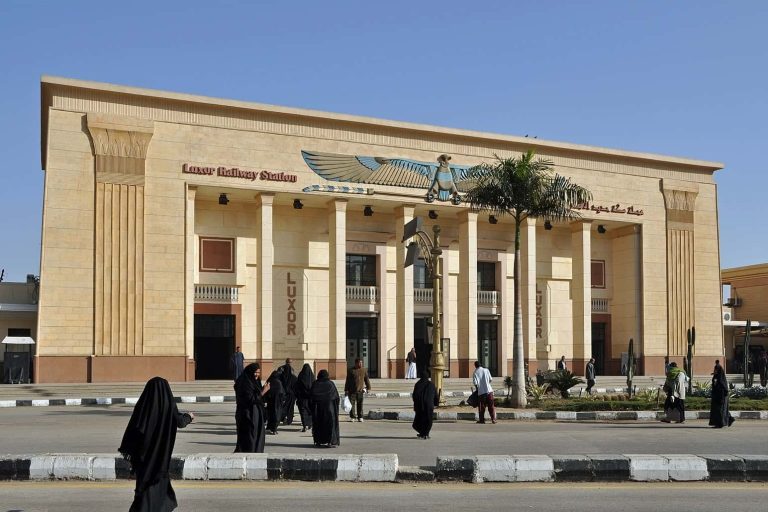
3 Days in Luxor: Visit Karnak and Luxor Temples on the East Bank. Spend a full day at the Valley of the Kings and Hatshepsut’s Temple. Enjoy an evening walk through the beautifully lit Luxor Temple.
2 Days in Aswan: See Philae Temple, take a felucca ride, visit Nubian villages, and take a day trip to Abu Simbel.
Combined Nile Cruise: A 4–5 day cruise lets you visit both cities at a comfortable pace, with stops at Esna, Edfu, and Kom Ombo.

Hidden Gems & Local Experiences
Luxor: Beyond the famous temples, Esna has a lively market and mosque, making it a great cultural stop. Local souqs offer real shopping experiences, with spices and handmade crafts.
Aswan: Elephantine Island, with its archaeological sites and Nubian villages, offers a peaceful alternative to busy tourist spots. Homestays here give travelers a chance to connect with local families and experience their culture.
Which City Should You Choose?
For monumental history, Luxor is your destination with its unmatched temples and tombs, while Aswan offers serenity, culture, and riverside beauty. Many travelers find the ideal experience is “both,” through a Nile cruise or a combined itinerary. Together, Luxor and Aswan complement each other, narrating Egypt’s tale of kings, gods, and a life-sustaining river. Whether you prefer the vibrant energy of Luxor or the gentle rhythm of Aswan, you’ll leave with unforgettable memories.
Got a Question?
F.A.Qs
Luxor is ideal if you want to dive deep into ancient Egyptian history, with monumental temples and tombs.
Aswan is better if you prefer a calmer pace, Nubian culture, and scenic Nile views.
Many travelers combine both cities for a balanced experience.
The distance between Luxor and Aswan is about 220 km (137 miles).
Travel options include:
Train: 3–4 hours.
Nile cruise: 3–5 days, with stops at Esna, Edfu, and Kom Ombo.
The best time is October to March, when temperatures are cooler and sightseeing is more comfortable.
Summer months (June–August) can be extremely hot, especially in Luxor.
Luxor has the highest concentration of monuments, including Karnak, Luxor Temple, Valley of the Kings, and Hatshepsut’s Temple.
Aswan has fewer but equally iconic sites, such as Abu Simbel, Philae Temple, and the Unfinished Obelisk.
Luxor offers educational experiences for children fascinated by history, though days can be long and hot.
Aswan is more family-friendly for relaxation, with Nubian villages, felucca rides, and shorter excursions.
Nubian culture: colorful villages, cuisine, and hospitality.
Sunset felucca rides on the Nile.
Day trip to Abu Simbel, one of Egypt’s most impressive temples.
- Yes, many travelers combine both cities.
- A Nile cruise is the most popular way to experience both, offering a seamless journey with guided stops.
Both cities are generally safe for tourists.
Standard precautions apply: use licensed guides, avoid unregulated taxis, and stay hydrated in the heat.
Did you know that
By purchasing through our links, you support us at no additional cost.
Thank you for your support. ♥️