
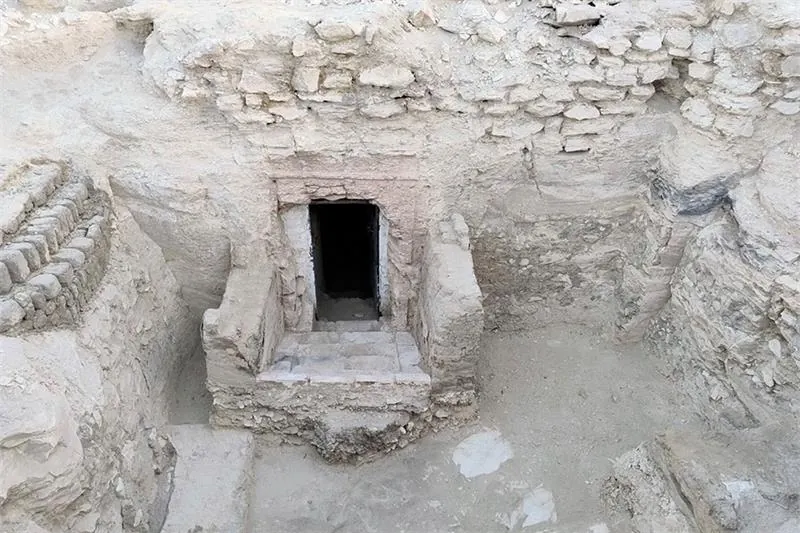
Luxor has given up thousands of tombs over the last two centuries, and yet the West Bank keeps finding new ways to surprise us. This month, archaeologists announced the discovery of a previously unknown Ramesside-period tomb in the Theban Necropolis, complete with painted burial chambers, a name carved into the walls, and a story that’s still being pieced together. For anyone who follows Egyptology, it’s the kind of find that reminds us just how much of ancient Thebes remains buried beneath the sand.
What Was Found: Overview of the Discovery
The tomb was uncovered in the Lower Sheikh Abd el-Qurna area, just east of Theban Tomb No. 45, during the current excavation season of a Dutch archaeological mission from Leiden University. The team, led by Dr. Carina van den Hoeven, has been working this stretch of the necropolis since 2018 in partnership with Egypt’s Ministry of Tourism and Antiquities and the Supreme Council of Antiquities. Their long-running project has two goals: protect the fragile remains already exposed to the elements, and produce the first comprehensive archaeological study of this particular corner of the Theban hillside.
This isn’t a one-off dig, in other words — it’s a discovery that emerged from years of patient, systematic fieldwork, which is part of why it’s generating so much attention.
| Location | Lower Sheikh Abd el-Qurna, Luxor’s West Bank, Egypt |
|---|---|
| Excavated by | Leiden University mission (Netherlands), with Egypt’s Ministry of Tourism and Antiquities |
| Mission active since | 2018 |
| Estimated age | Roughly 3,000 years old |
| Period | Ramesside Period (19th–20th Dynasties, c. 1292–1069 BCE) |
| Open to visitors? | Not currently — see note below |
Who Was Paser? Identifying the Tomb’s Owner
Archaeologists were able to name the tomb’s owner almost immediately, thanks to surviving inscriptions inside the burial chapel. The name recorded is Paser, and the style of the painted decoration points squarely to the Ramesside Period — Egypt’s 19th and 20th Dynasties, running from roughly the 13th to the 11th century BCE and named for the string of pharaohs called Ramesses.
Beyond the name, though, much is still unknown. Paser’s exact title and role in Theban society haven’t been confirmed yet, and researchers haven’t determined who else may be buried alongside him. That’s expected to change as the excavation continues; the team plans to spend future seasons tracing his life, his family, and his place within the wider Sheikh Abd el-Qurna community.
Inside the Tomb: Architecture and Layout
The tomb follows a layout that will look familiar to anyone who’s studied private burials from New Kingdom Thebes. It’s built in three parts:
- An open courtyard at the entrance, used for rituals and access
- A rock-cut chapel with a T-shaped layout, carved directly into the hillside
- Underground burial chambers, sitting beneath the chapel itself
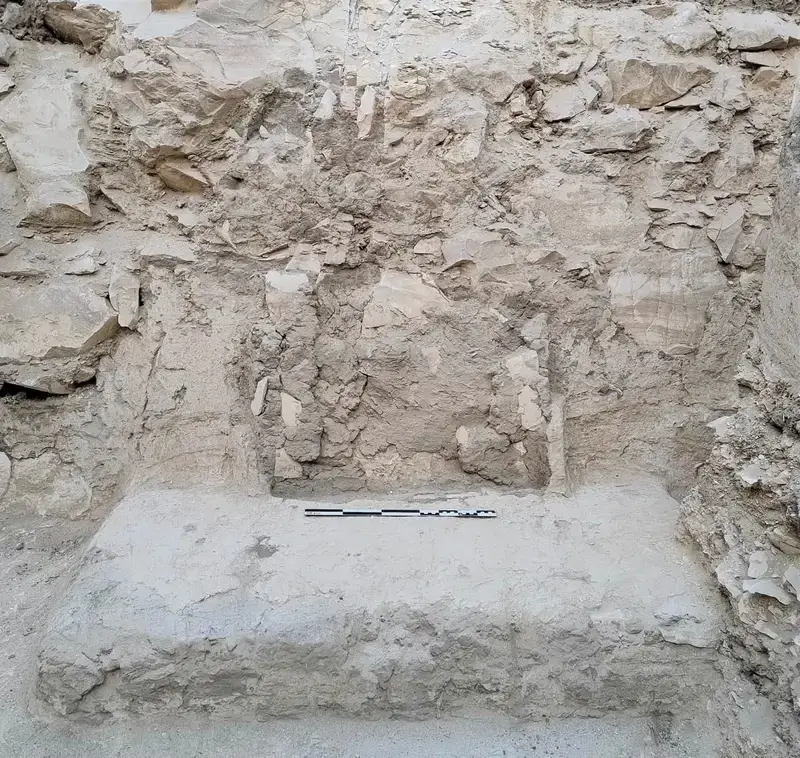
Several original features have survived remarkably well. Archaeologists found a mudbrick bench, or mastaba, with a recessed niche where a funerary stela once stood — likely inscribed with prayers or the names of the deceased. A staircase bordered by sloping ramps still leads up to the entrance, giving a genuinely rare, tangible sense of how mourners and priests physically approached the tomb thousands of years ago.
This layout wasn’t just architectural preference. For elite Thebans of the era, a courtyard-chapel-burial-chamber design reflected specific beliefs about the journey into the afterlife, with each space serving a distinct ritual purpose. (Visitors curious about this layout in person can see closely related examples at the Tombs of the Nobles, a short distance from where Paser’s tomb was found.)
The Wall Paintings and What They Depict
The real showstopper, as with most tomb discoveries, is the artwork. Portions of the original painted decoration have survived inside Paser’s tomb, though some scenes are still hidden beneath a thin layer of accumulated dust. What researchers have already uncovered includes:
- Paser worshipping various Egyptian deities inside sacred shrines
- Paser seated beside his wife in front of an offering table
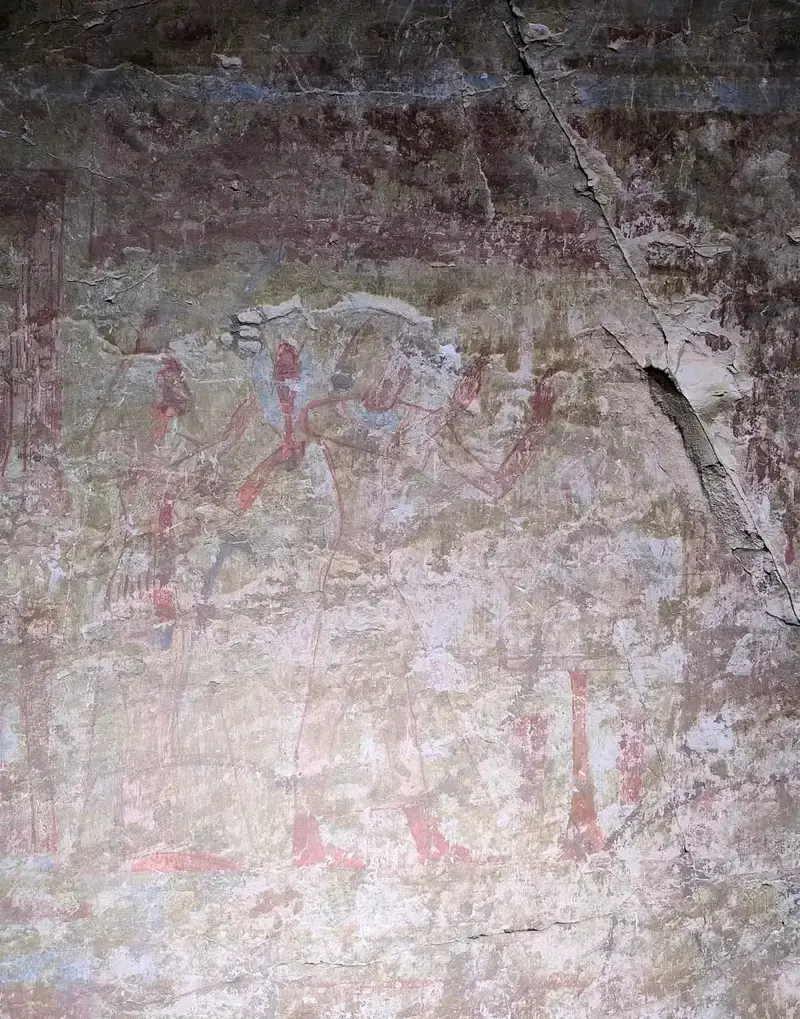
That second scene is a staple of elite New Kingdom tomb art, and it wasn’t just decorative — it represented a hope for eternal life and continued offerings from the living, long after burial. Seeing it preserved here, even partially, adds another data point to how Thebans visualized the afterlife during the Ramesside era.
Official Reactions and What Comes Next
Egyptian officials have been quick to highlight the find as evidence of continued international collaboration in the region. Hisham El-Leithy, Secretary-General of the Supreme Council of Antiquities, and Mohamed Abdel Badie, head of the Egyptian Antiquities Sector, both described the tomb’s layout and features in detail following the announcement, while Minister of Tourism and Antiquities Sherif Fathy praised the broader contribution of foreign missions to uncovering Egypt’s history.
Dr. van den Hoeven has said future seasons will focus on:
- Stabilizing the tomb’s structure
- Restoring the painted wall decorations
- Clearing and documenting the remaining burial chambers
- Identifying the individuals interred within
Can you visit? Not yet, and there’s no indication of when — or whether — that might change. Newly excavated tombs typically stay closed to the public for years while conservation work is underway; the Tombs of the Nobles and Valley of the Kings, both a short trip from Sheikh Abd el-Qurna, remain the best way to see comparable painted tombs in the meantime.
Why This Discovery Matters
Sheikh Abd el-Qurna is just one section of the sprawling Theban Necropolis, a burial ground that holds hundreds of tombs belonging to nobles, officials, priests, and other high-ranking figures from ancient Egyptian society. Every new tomb identified here — even a modest one — helps researchers refine the timeline of how this cemetery grew and changed over centuries of continuous use.
A site excavated for over a century might seem like it has nothing left to give up. Paser’s tomb is evidence otherwise: the Leiden University team has multiple seasons of documentation and conservation ahead, and each one has a real chance of adding a name, a title, or a family history to the record of who actually lived and worked in ancient Thebes. Readers who want to follow the story as it develops can check updates from Egypt’s Ministry of Tourism and Antiquities directly.