Most visitors to Luxor’s West Bank spend their time in the Valley of the Kings. Fewer than five minutes’ drive away, on the other side of the limestone ridge, lies a smaller and almost entirely unvisited valley: the Western Valley, known informally as the Valley of the Monkeys.
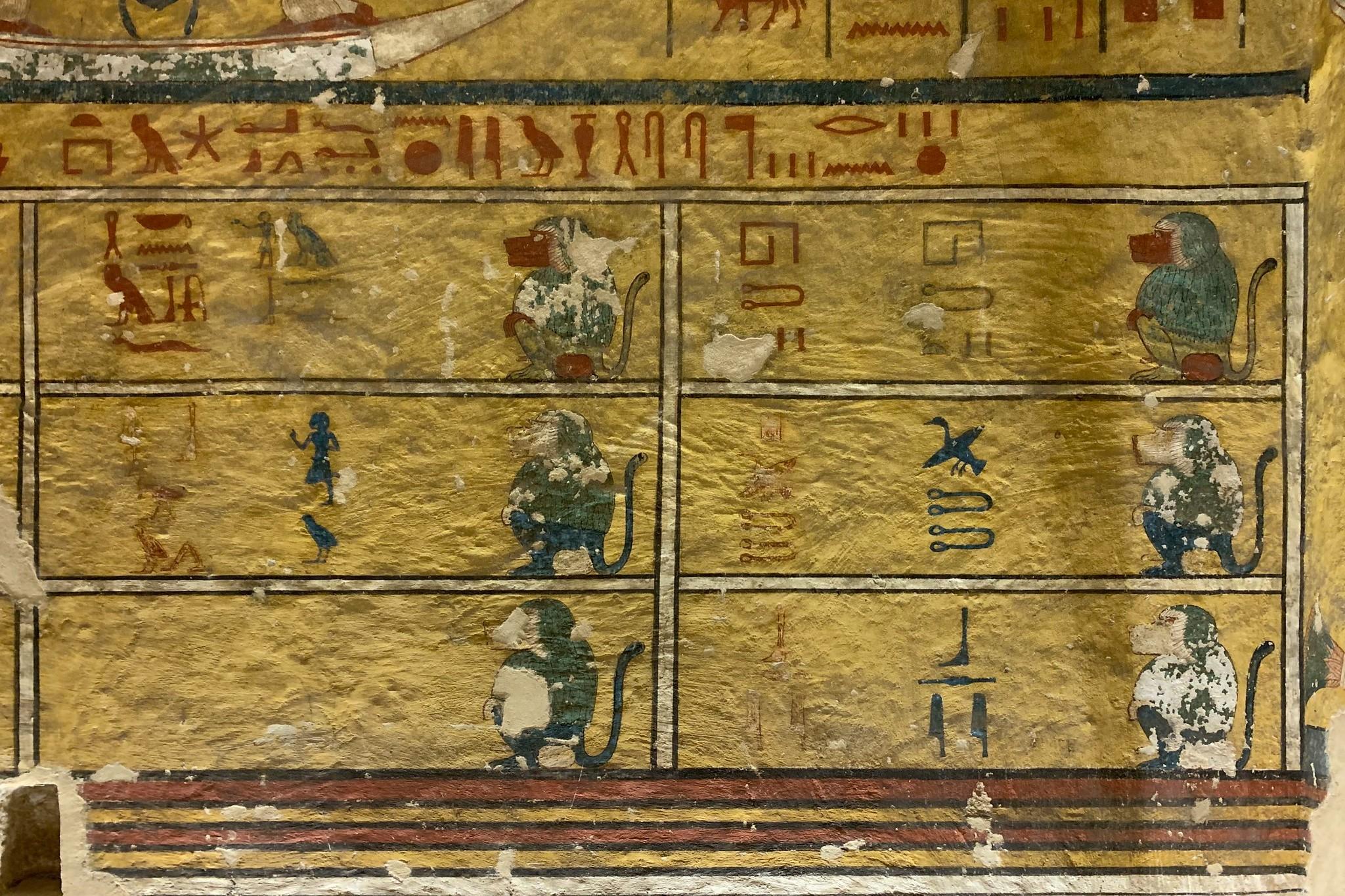
The nickname comes from the baboon depictions found in several tombs here — specifically in the tomb of Ay (WV23), Tutankhamun’s successor, whose decorated burial chamber includes a procession of baboons representing the twelve hours of the night. But a 2021 discovery gave the valley’s monkey connection an unexpected scientific dimension: DNA analysis of a mummified baboon found here has potentially identified the location of Punt, ancient Egypt’s most famous and elusive trading partner.
The Valley and Its Tombs
The Western Valley is part of the Theban Necropolis, sharing the limestone plateau with the Valley of the Kings but separated from it by a ridge. It contains fewer tombs than its more famous neighbor — the most significant are:
WV22 (Amenhotep III): one of the largest royal tombs in the entire necropolis, commissioned by the pharaoh who also built Malkata Palace. The tomb is extensively decorated and provides evidence of Amenhotep III’s elaborate funerary preparations.
WV23 (Ay): the tomb of Tutankhamun’s successor and former vizier, decorated with the baboon procession that gives the valley its popular name. Ay’s tomb is the primary site open to visitors and requires a separate entry ticket.
WV25: a smaller, undecorated shaft tomb that may have been begun for Akhenaten before the capital moved to Amarna.
The Mummified Baboon and the Mystery of Punt
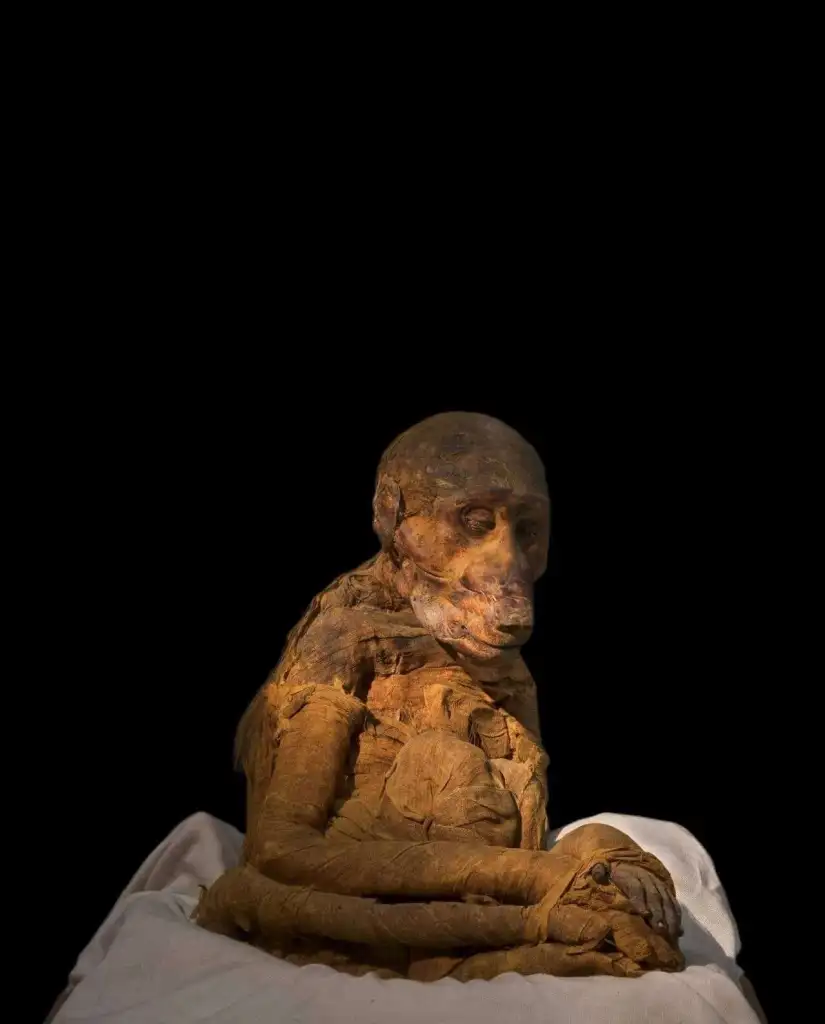
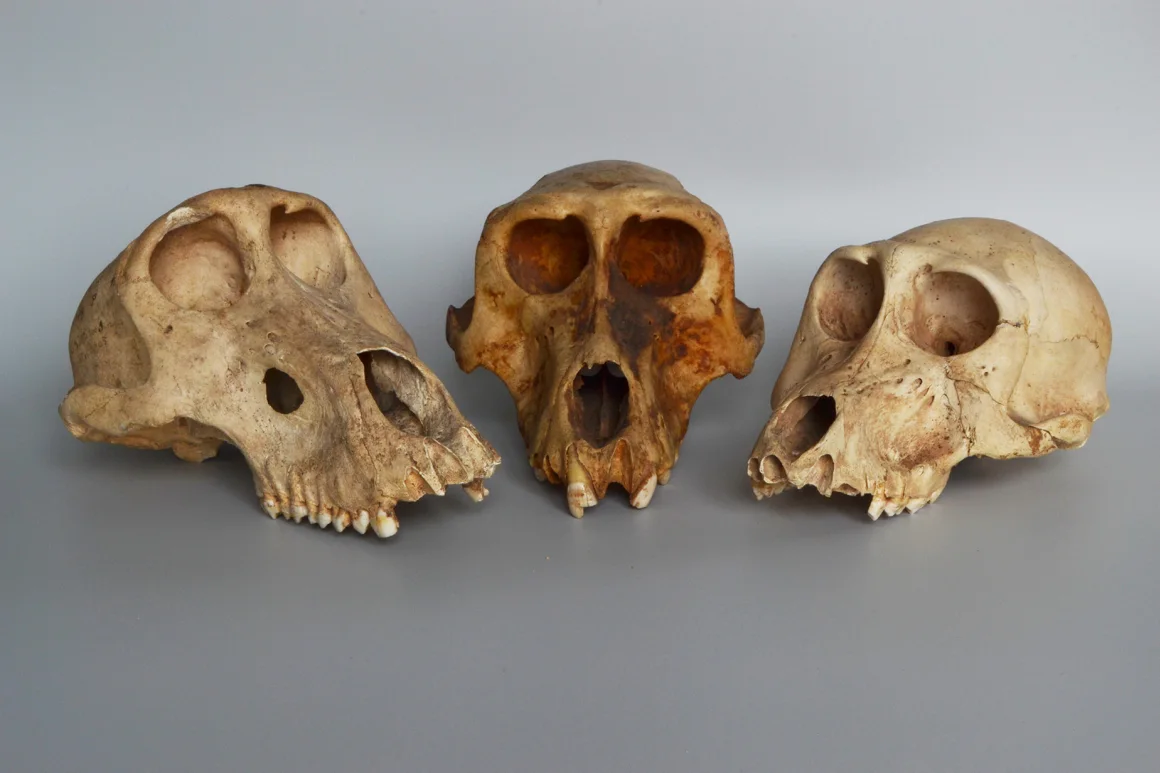
In 1905, archaeologists recovered a mummified baboon from the Western Valley — a find that remained unexplained for over a century. It wasn’t associated with noble burial, wasn’t in a mass animal cemetery, and had a distinctive feature: its large canine teeth were missing. Evidence in the skull showed new bone growth over the extraction sites, indicating the teeth were removed during the animal’s lifetime, probably as a safety precaution for keeping it in close proximity to people.
In 2021, a research team led by Gisela Kopp of the University of Konstanz published the first successful DNA extraction from a non-human primate mummy — a breakthrough in ancient animal genetics. Their findings, published in the journal eLife, identified the baboon’s geographic origin as the Horn of Africa, specifically the coastal region of modern Eritrea, closely matching modern baboon populations near the ancient port of Adulis.
The timing matters: the mummy dates to between 800 and 500 BCE, predating Adulis’s documented rise as a major port. This places baboon trade through this coastal region earlier than previously known — and, as anthropologist Nathaniel Dominy of Dartmouth College (a co-author of the study) has noted, supports the theory that Punt, Egypt’s legendary trading partner depicted as a source of incense trees, exotic animals, and gold, may have been located in the same region, under an earlier name.
Why Egypt Wanted Baboons
The Western Valley baboon wasn’t an anomaly. Sacred baboons were imported, kept, and eventually mummified throughout Egyptian history. Their religious significance was considerable:
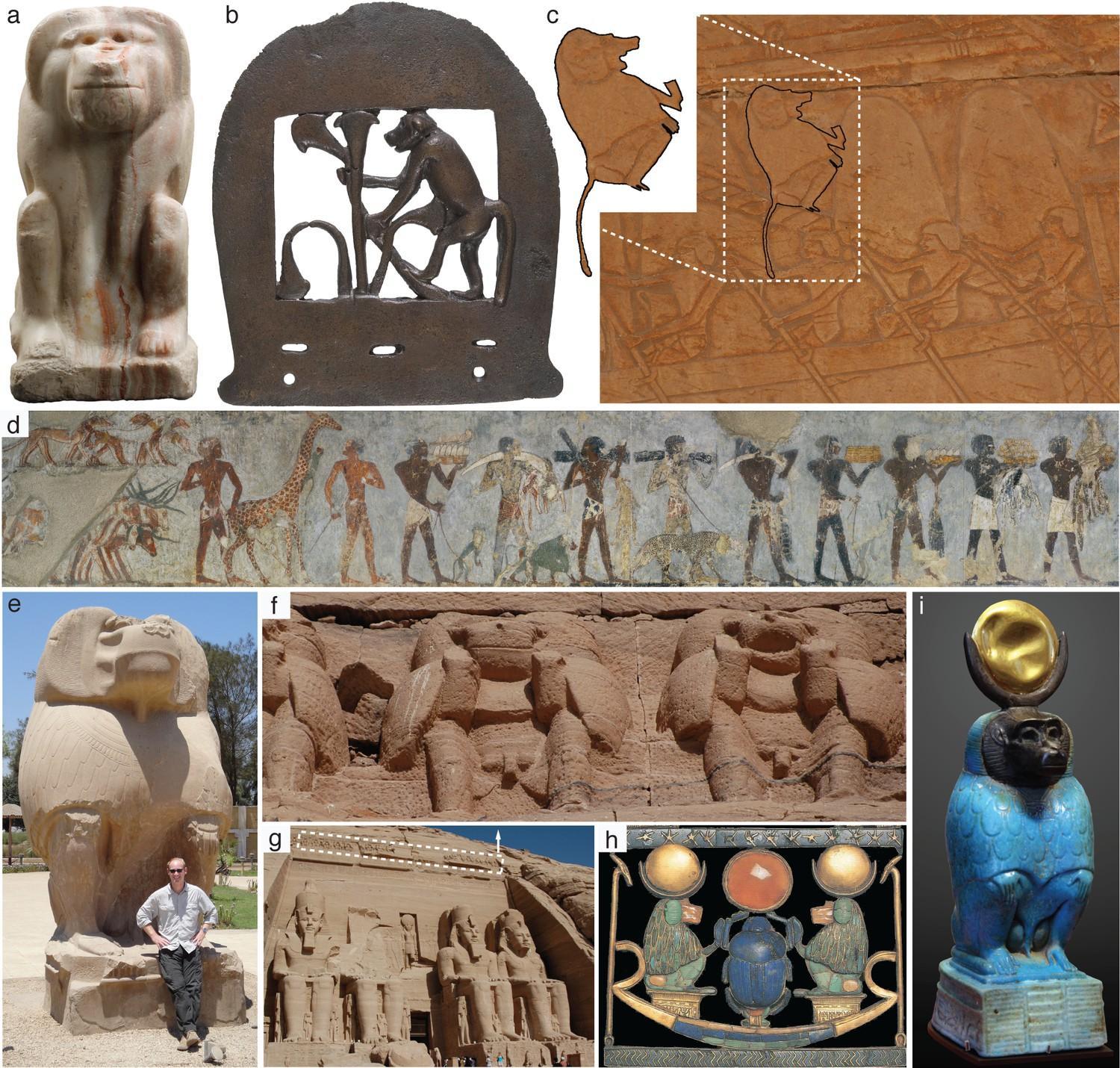
Ancient artists depicted baboons with their arms raised at dawn — a posture interpreted as worshipping the rising sun, making them earthly representations of the solar cycle and associates of Ra. They were also linked to Thoth, the god of wisdom, writing, and the moon — the same deity associated with medical and scribal knowledge.
This religious significance explains both the effort and the expense of bringing living baboons from the Horn of Africa to Egypt: these animals weren’t pets or curiosities. They were sacred animals maintained for ritual purposes, and their eventual mummification was a continuation of that sacred status.
The canine tooth removal documented in the Western Valley mummy shows the practical dimension of this arrangement — a baboon’s canines can break bone, and keeping one safely in a temple or palace context required this intervention.
What the DNA Research Changes
Before the 2021 study, the location of Punt was one of Egyptology’s most debated open questions. Egyptian texts and reliefs (including the famous Punt expedition depicted on the walls of Hatshepsut’s mortuary temple at Deir el-Bahari) describe a land of frankincense, myrrh, ebony, gold, and exotic animals, accessible by Red Sea voyage — but its precise location remained hypothetical, with candidates ranging from Somalia to Ethiopia to Yemen.
The genetic evidence placing the Western Valley baboon’s origin in coastal Eritrea provides what researchers describe as “a proxy for the location of Punt” — not conclusive, but substantive. As Kopp explained in discussion of the research, each piece of genetic evidence is a fragment of a larger picture: trade route, geography, and religious practice converging in a single mummified animal.
Visiting the Western Valley
The Western Valley is accessible on a separate ticket from the Valley of the Kings, purchased at the same ticket office.
| Location | West Bank, approximately 5 minutes by tram or vehicle from the Valley of the Kings ticket office |
|---|---|
| Access | Included with specific tomb tickets (WV23 — Ay); confirm which tombs are open with the ticket office on arrival |
| Ticket for Ay’s Tomb | EGP 200 (foreign adult) / EGP 100 (foreign student) — verify current pricing |
| Hours | 6:00 AM – 5:00 PM |
| Visitors | Extremely few — this is one of the genuinely quiet sites on the West Bank |
Combining visits: the Western Valley is a natural add-on to a Valley of the Kings visit — the tram from the Valley of the Kings ticket office connects both areas, and most drivers and guides who work the West Bank regularly know the route.