
Amenhotep III
A MASTER OF DIPLOMACY
Imagine standing on the sunny banks of the Nile, looking up at the large statues known as the Colossi of Memnon. These statues have watched over Luxor for over three thousand years. They are not just stones; they symbolize Amenhotep III, a Pharaoh who made Egypt a powerful empire.
Amenhotep III ruled during Egypt’s Golden Age. His reign focused on prosperity, diplomacy, and amazing art instead of constant battles. Under his leadership, Egypt became a center of wealth and culture. Temples reached high into the sky, palaces sparkled with luxury, and art thrived like never before. Walking among his monuments today lets you experience a time when power was shown through beauty and vision, not war. Amenhotep III’s story reminds us of how leadership can shape a civilization’s future.

Early Life and Rise to Power
Amenhotep III was born around 1388 BCE. He was the son of Pharaoh Thutmose IV and Queen Mutemwiya. His father had already stabilized Egypt, leaving Amenhotep with a strong kingdom. He became pharaoh as a teenager and quickly showed that he was a visionary leader. Unlike many pharaohs before him, Amenhotep focused on strengthening Egypt through diplomacy, impressive buildings, and support for the arts instead of military conquests.
Luxor Tours & Activities
Looking to save some costs on your travel? Why not join a shared group tour to explore Luxor, Egypt? Here are some activities you might be interested in:
The Golden Age of Amenhotep III’s Reign
Amenhotep III’s reign is known as Egypt’s “Golden Age.” He built Egypt’s power through smart marriages and alliances rather than wars. His queen, Tiye, was not just his wife; she was also a key political partner. Together, they formed relationships with foreign leaders, exchanging gifts and letters that raised Egypt’s status. This diplomatic strategy helped Egypt thrive without the costs of constant fighting.
Trade routes expanded, bringing luxury goods like lapis lazuli, cedar wood, and exotic animals to Egypt. The wealth from these trades supported large building projects and a vibrant artistic community. For everyday Egyptians, this meant more stability, prosperity, and a rich culture that influenced all parts of life.
Lavish Building Projects and Monuments
Amenhotep III ruled during a time known for impressive building projects that shaped Egypt’s landscape. His structures still attract many visitors today.
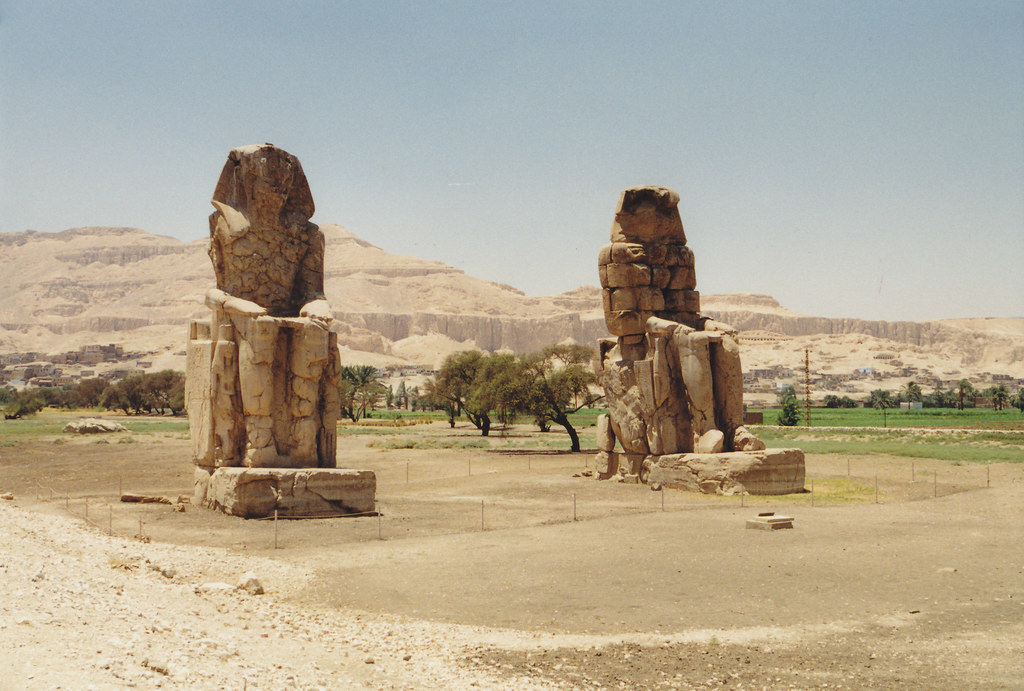
One of the most famous is the Colossi of Memnon. These two towering statues, each over 60 feet tall, once stood at the entrance of his mortuary temple in Thebes. Although the temple is mostly gone, the statues remain as strong symbols of his greatness.
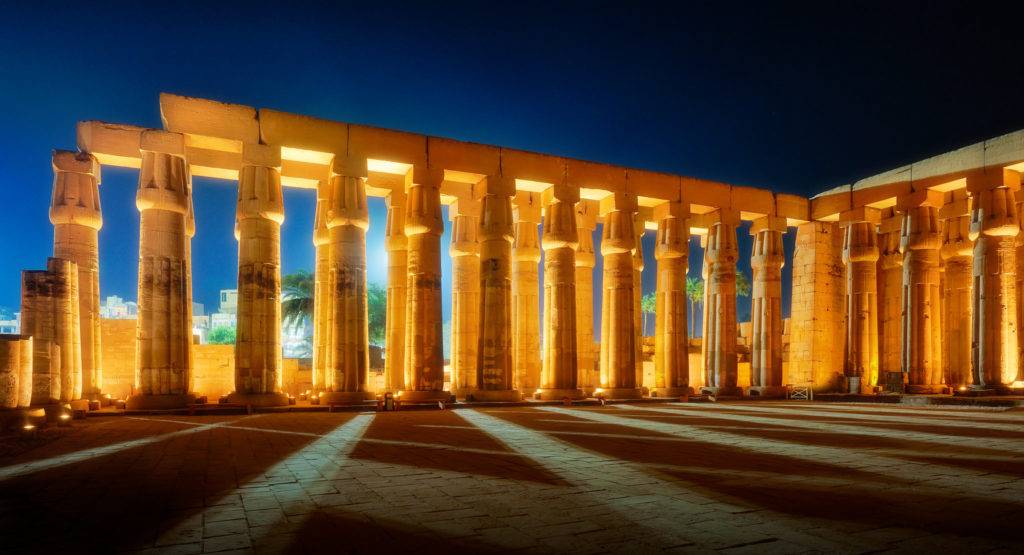
Another important site is the Luxor Temple. Amenhotep III started its construction, and later pharaohs expanded it. The temple features giant columns and detailed artwork that show the artistic skill of his time.
He also contributed to the Karnak Temple by adding new halls and shrines, which strengthened his link to the god Amun, one of Egypt’s most important deities.
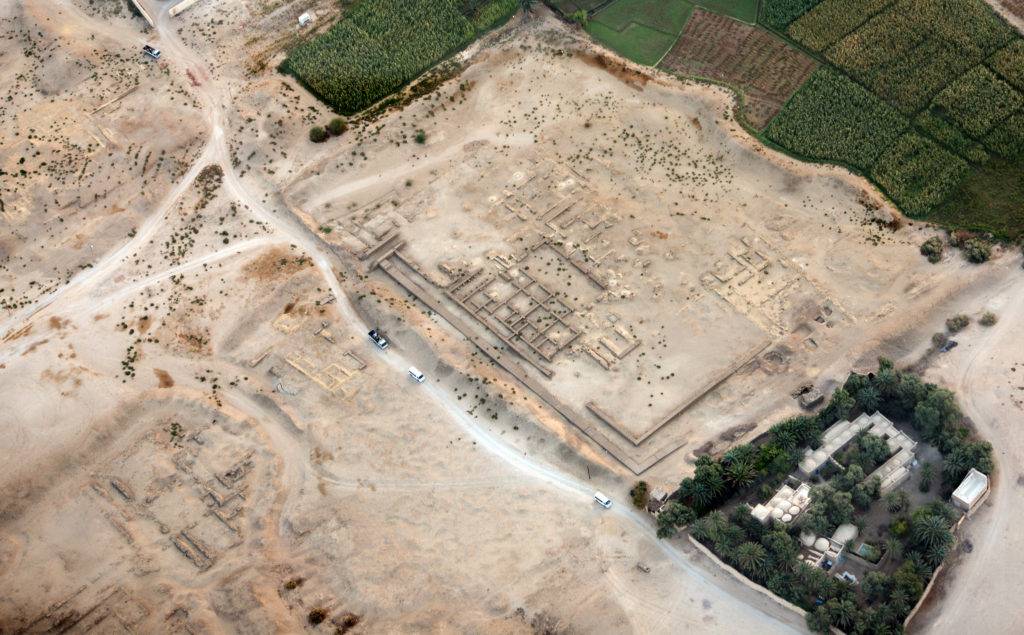
Amenhotep III built the Palace at Malkata, a large royal home on the west bank of Thebes. This palace hosted grand festivals and important meetings.
Archaeologists have found over 250 statues of Amenhotep III. These range from large stone figures to smaller designs in faience and gold.
These building projects were more than just impressive architecture; they made strong political statements. By creating such grand structures, Amenhotep III showed his divine rule and highlighted Egypt’s wealth and stability to the world.

Religion and Artistic Flourishing
During Amenhotep III’s reign, religion and art were closely connected. He supported the goddess Sekhmet by commissioning hundreds of her statues throughout Egypt. These statues represented protection and divine power, showing his role as a link between the gods and the people.
Art also thrived during his rule. Sculptors started to create more realistic images, showing the pharaoh and his family with true-to-life features instead of idealized forms. This change added depth to Egyptian art, combining human qualities with divine ones. The large scale of statues and temple complexes was enhanced by fine details, demonstrating the craftsmanship of Egyptian artisans.

Family and Legacy
Amenhotep III’s family significantly influenced Egypt’s future. His marriage to Queen Tiye was notable; she was not from royal lineage but became one of the most powerful queens in Egyptian history. Tiye’s importance is clear in inscriptions and statues that show her with the pharaoh, which was rare for queens at that time.
Their son was Amenhotep IV, later called Akhenaten. He would lead a major change in religion by promoting the worship of Aten, the sun disk. This was a big shift from his father’s approach, but also showed Amenhotep III’s lasting impact. His reign created the stability that allowed Akhenaten to explore new ideas, even if those ideas were controversial.

Amenhotep III’s Death and Aftermath
Amenhotep III died around 1349 BCE after nearly 40 years of rule. He was buried in the Valley of the Kings, where Egypt’s most famous rulers rest. His death ended a time of peace and prosperity and began the unsettled Amarna period led by Akhenaten.
The differences between father and son were clear. Amenhotep III focused on stability, tradition, and diplomacy, while Akhenaten disrupted Egypt’s religious and political order. However, without the wealth and stability that Amenhotep III established, Akhenaten’s changes might not have been possible.
Amenhotep III’s Lasting Impact Today
Amenhotep III’s legacy is clear to modern visitors. His monuments in Luxor, Karnak, and other parts of Egypt are some of the most popular tourist spots. The Colossi of Memnon still stand strong after many years, guarding his memory. The Luxor Temple impresses, especially when lit up at night, while the palace at Malkata gives a glimpse into royal life during Egypt’s Golden Age.
Historians and archaeologists view Amenhotep III as one of Egypt’s greatest builders and diplomats. His reign shows that strength can come from peace, culture, art, and diplomacy. His time was a peak period for Egypt, where wealth allowed creativity to thrive and monuments to be built that would last for thousands of years.

The Pharaoh Who Created Egypt’s Golden Age
Amenhotep III’s reign highlights the benefits of peace, diplomacy, and support for culture. By choosing stability over war, he allowed art, religion, and architecture to grow. His monuments still shape Egypt’s landscape, reminding us that true greatness comes from inspiration and construction, not just military victories.
For travelers in Luxor today, Amenhotep III’s legacy is everywhere—from the impressive Colossi of Memnon to the sacred rooms of Karnak. His story is part of Egypt’s living history. Celebrating Amenhotep III means we celebrate the enduring spirit of Egypt’s Golden Age.
Got a Question?
F.A.Qs
Amenhotep III was the ninth pharaoh of Egypt’s 18th Dynasty, ruling from around 1386 to 1349 BCE. His reign is often called Egypt’s Golden Age because of its prosperity, diplomacy, and monumental architecture.
He is best remembered for his extensive building projects, including the Colossi of Memnon, Luxor Temple, and expansions at Karnak. He also promoted diplomacy and trade rather than military conquest.
Travelers can visit his legacy in Luxor, including the Colossi of Memnon, Luxor Temple, and remains of his palace at Malkata. Many statues of him are also displayed in museums worldwide.
Queen Tiye was Amenhotep III’s Great Royal Wife. She played a significant political role, appearing in inscriptions and monuments alongside the pharaoh—a rare honor for queens of the time.
Yes. Amenhotep III was the father of Akhenaten, the pharaoh who introduced the worship of Aten and launched Egypt’s Amarna period.
Did you know that
By purchasing through our links, you support us at no additional cost.
Thank you for your support. ♥️