
Tutankhamun
The Boy King Who Changed History
Imagine entering a hidden room in the Valley of the Kings, where silence and history surround you. In 1922, when Howard Carter’s lantern first lit up the sealed tomb of Tutankhamun, the world was shocked. Before this discovery, the young king was mostly forgotten, overshadowed by Egypt’s more famous pharaohs. Finding his untouched burial site, filled with gold treasures, sacred items, and the famous funerary mask, made him a global figure. Tutankhamun’s story is not just about a ruler who led for less than a decade; it’s about mystery and the lasting interest in Ancient Egypt. His brief life, unclear death, and the stunning artifacts buried with him continue to spark discussions among historians and inspire travelers. More than a hundred years later, Tutankhamun remains a powerful symbol of Egypt’s glory, inviting us to explore the secrets of a civilization that still fascinates the world today.

Tutankhamun’s Early Life and Rise to the Throne
Tutankhamun was born around 1341 BCE. He was the son of Pharaoh Akhenaten, who tried to change Egypt’s beliefs by promoting the sun disk, Aten, instead of the traditional gods. This bold move upset Egypt and left Tutankhamun with a divided kingdom. He became pharaoh at just nine years old. His powerful advisors, Ay and Horemheb, helped him bring stability back to Egypt.
Tutankhamun grew up during a difficult time in Egyptian history. His reign reversed Akhenaten’s reforms by restoring the worship of Amun and other gods. Although he was young, Tutankhamun stood as a symbol of Egypt’s return to religious and political order.
Luxor Tours & Activities
Looking to save some costs on your travel? Why not join a shared group tour to explore Luxor, Egypt? Here are some activities you might be interested in:
Tutankhamun’s Reign: Achievements and Challenges
Tutankhamun ruled for less than ten years, from 1332 to 1323 BCE. His time as pharaoh did not focus on building grand monuments or winning wars but on restoring Egypt’s cultural identity. The temples that Akhenaten had desecrated were rebuilt, and the power of the priesthood grew again. Even though his advisors did most of the work, these actions were important for stabilizing Egypt.
During his reign, the temples of Amun reopened, and traditional rituals resumed. Ay and Horemheb played a big role in shaping Tutankhamun’s policies. Sadly, Tutankhamun died before he became an adult, leaving him little time to create lasting changes.
The Mystery of Tutankhamun’s Death
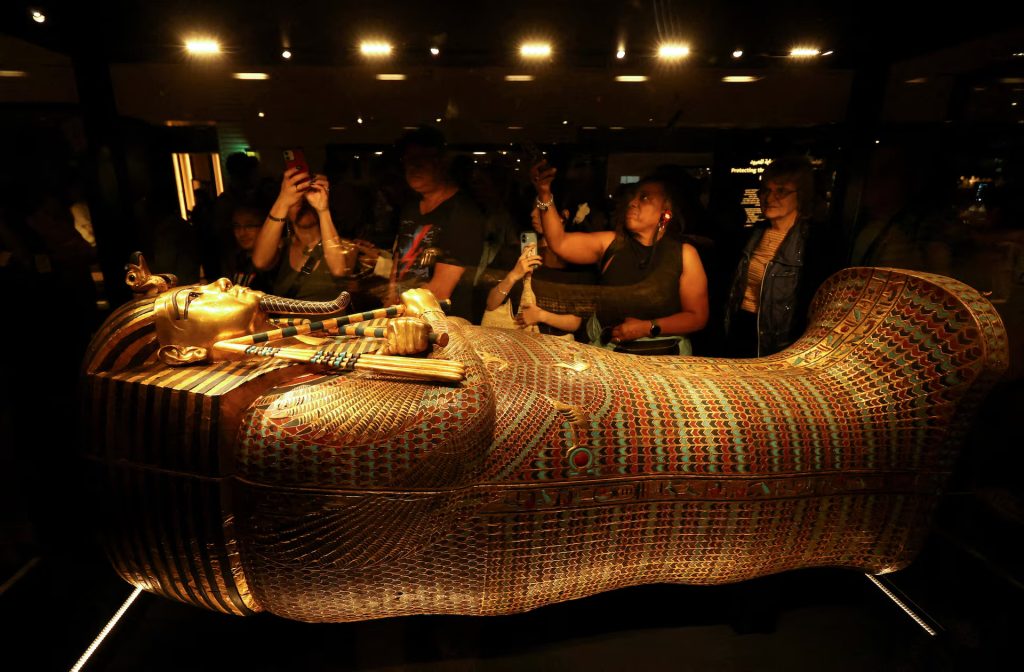
Tutankhamun died at only 18 or 19 years old, and his death is still a mystery. Researchers have studied his mummy and found signs of health problems, like a clubfoot and possible genetic issues. CT scans and DNA tests suggest he might have had malaria. Other theories say he could have died from an accident or even murder.
– Medical studies: Scientists have discovered birth defects and possible infections.
– Accident theories: Some believe he may have died from injuries in a chariot crash.
– Assassination speculation: Damage to his skull led to murder theories, but this idea is now debated.
Howard Carter and the Discovery of the Tomb
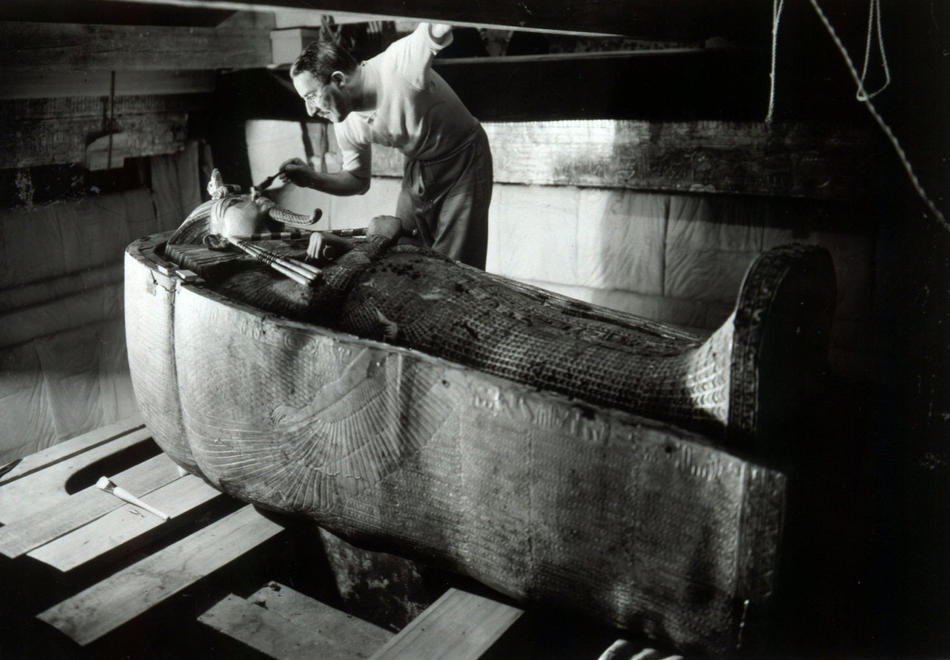
In 1922, British archaeologist Howard Carter found one of the most important archaeological sites ever: the tomb of Tutankhamun in the Valley of the Kings. Unlike other royal tombs that had been robbed, Tutankhamun’s tomb was sealed for over 3,000 years. This discovery excited people around the world and started a craze called “Tutmania” that continues today.
– Discovery in Valley of the Kings: Carter’s team found the tomb after years of searching.
– Global fascination: Newspapers around the world reported on the treasures, creating public interest.
– Curse of the Pharaohs: Mysterious deaths of some team members led to the myth of a curse.
Treasures of Tutankhamun’s Tomb
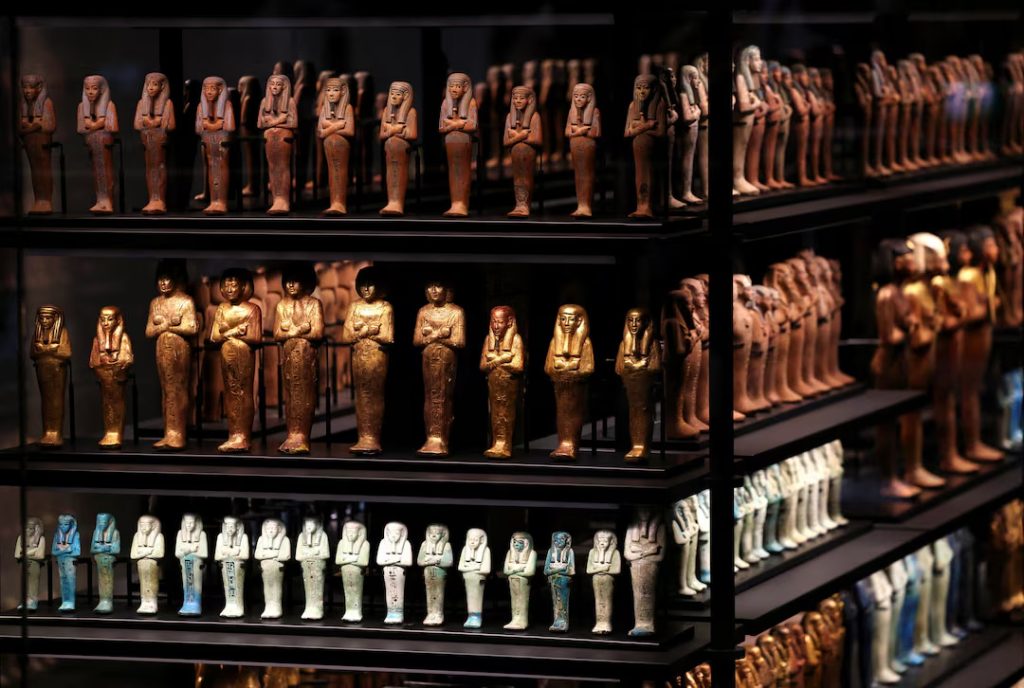
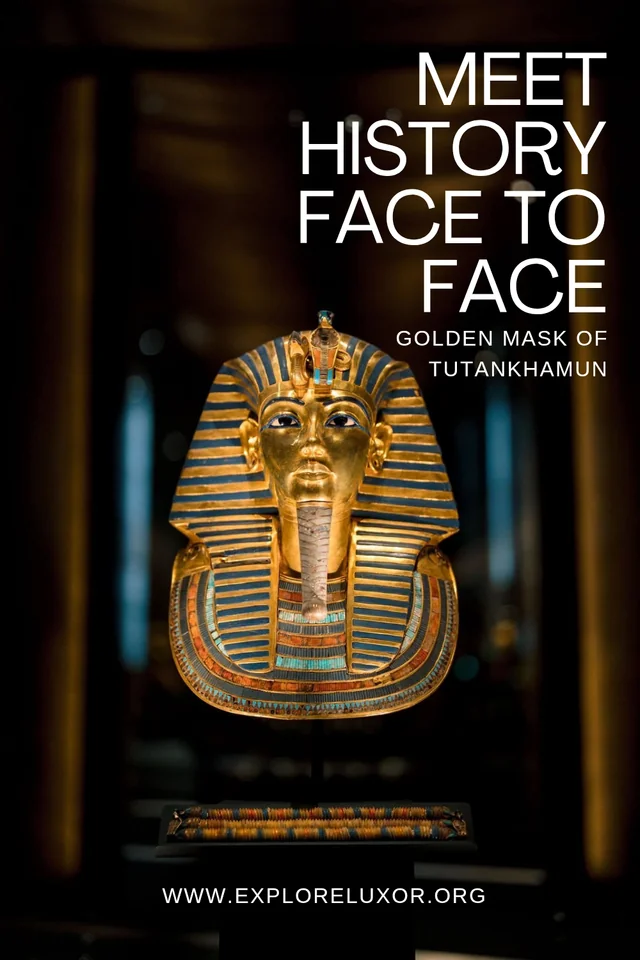
Tutankhamun’s tomb held over 5,000 artifacts that provide a unique look into ancient Egyptian life and beliefs. The most famous artifact is his golden funerary mask, a stunning piece of art that represents Ancient Egypt. Other treasures include jewelry, weapons, chariots, and everyday items, all meant to go with the king into the afterlife.
– Golden mask: Made of gold and set with precious stones, it is Egypt’s most iconic artifact.
– Chariots and weapons: These items suggest Tutankhamun may have been prepared for battle, even though he had health issues.
– Everyday objects: Items like furniture, clothing, and games show details of daily life in the royal court.

Tutankhamun’s Legacy in Modern Culture
Even though his reign was short, Tutankhamun’s legacy continues because of the discovery of his tomb. His treasures have traveled the world, inspiring artists, designers, and filmmakers. In Egypt, he is seen as a source of national pride, with his artifacts displayed in museums and exhibitions that attract millions.
– Global exhibitions: Tutankhamun’s treasures have been shown in cities like Paris, London, and Los Angeles.
– Cultural influence: His golden mask has inspired fashion, jewelry, and pop culture references.
– National pride: Tutankhamun represents Egypt’s rich heritage and its importance in world history.
Visiting Tutankhamun Today: Museums and Exhibitions
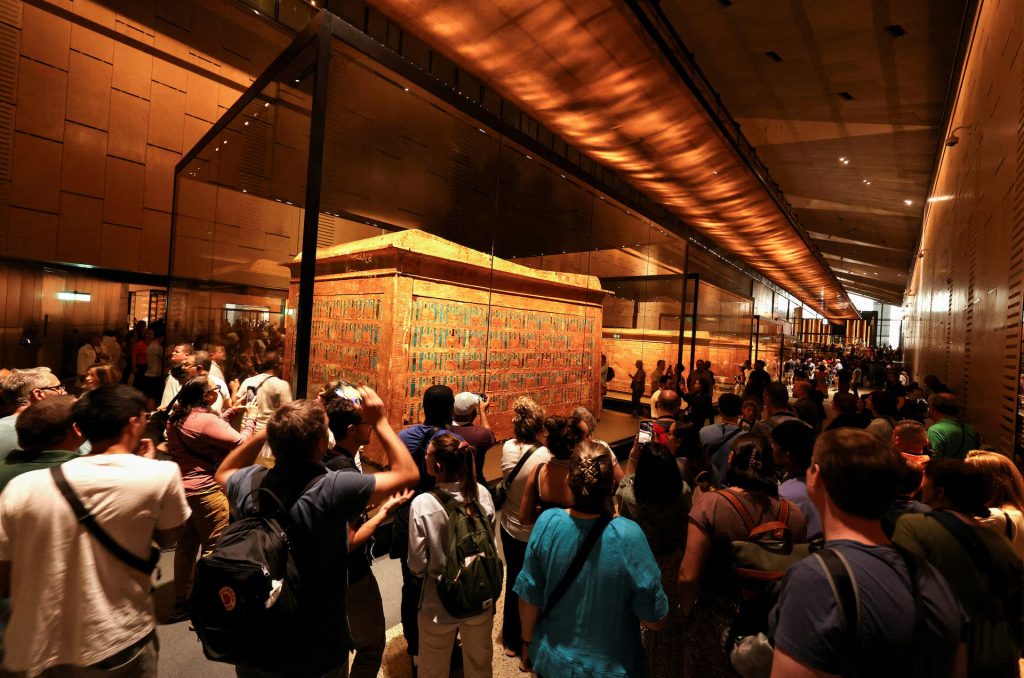
Travelers can best experience Tutankhamun’s legacy in Egypt. His treasures used to be in the Egyptian Museum in Cairo, but now at the Grand Egyptian Museum (GEM), located near the Pyramids of Giza. This modern museum will be the largest archaeological museum in the world, displaying all of Tutankhamun’s collection together for the first time.
– Grand Egyptian Museum: The new center for Tutankhamun’s treasures, opening a new chapter in cultural tourism.
The Eternal Fascination with Tutankhamun
Tutankhamun’s story is filled with surprises. He was a young king with little political power, who nearly faded from history. However, the discovery of his tomb made him one of the most famous figures of Ancient Egypt. His treasures still capture people’s attention today, connecting the past with the present. For travelers, historians, and dreamers, Tutankhamun remains a lasting symbol of Egypt’s greatness.
Got a Question?
F.A.Qs
Tutankhamun, often called King Tut, was a pharaoh of Egypt’s 18th Dynasty who reigned from around 1332–1323 BCE. He ascended the throne as a child and became famous for restoring Egypt’s traditional gods after his father Akhenaten’s religious reforms.
He became pharaoh at about nine years old, ruling for less than a decade before his untimely death at 18 or 19.
The exact cause remains a mystery. Scientific studies suggest possible malaria, genetic disorders, or injuries from an accident. Earlier theories of assassination have largely been dismissed.
British archaeologist Howard Carter discovered the tomb in 1922 in the Valley of the Kings. It was one of the most significant archaeological finds of the 20th century.
Over 5,000 artifacts, including the golden funerary mask, jewelry, weapons, chariots, and everyday objects meant to accompany the king into the afterlife.
Although his reign was short, the discovery of his intact tomb made him a global icon. His treasures revealed extraordinary insights into Ancient Egyptian life and beliefs.
Many artifacts are now housed in the Grand Egyptian Museum (GEM) near the Pyramids of Giza. Some items have also toured internationally in exhibitions.
After Carter’s discovery, several members of his team died under unusual circumstances, fueling rumors of a curse. Modern science dismisses this as coincidence, but the myth remains part of Tutankhamun’s legend.
His golden funerary mask, crafted from gold and inlaid with semi-precious stones, is considered one of the most iconic symbols of Ancient Egypt.
Did you know that
By purchasing through our links, you support us at no additional cost.
Thank you for your support. ♥️